The Fall 2026 Style Report: The Biggest Runway Trends to Watch
A deep dive into biggest runway trends from fall 2026 and what it means for modern fashion.
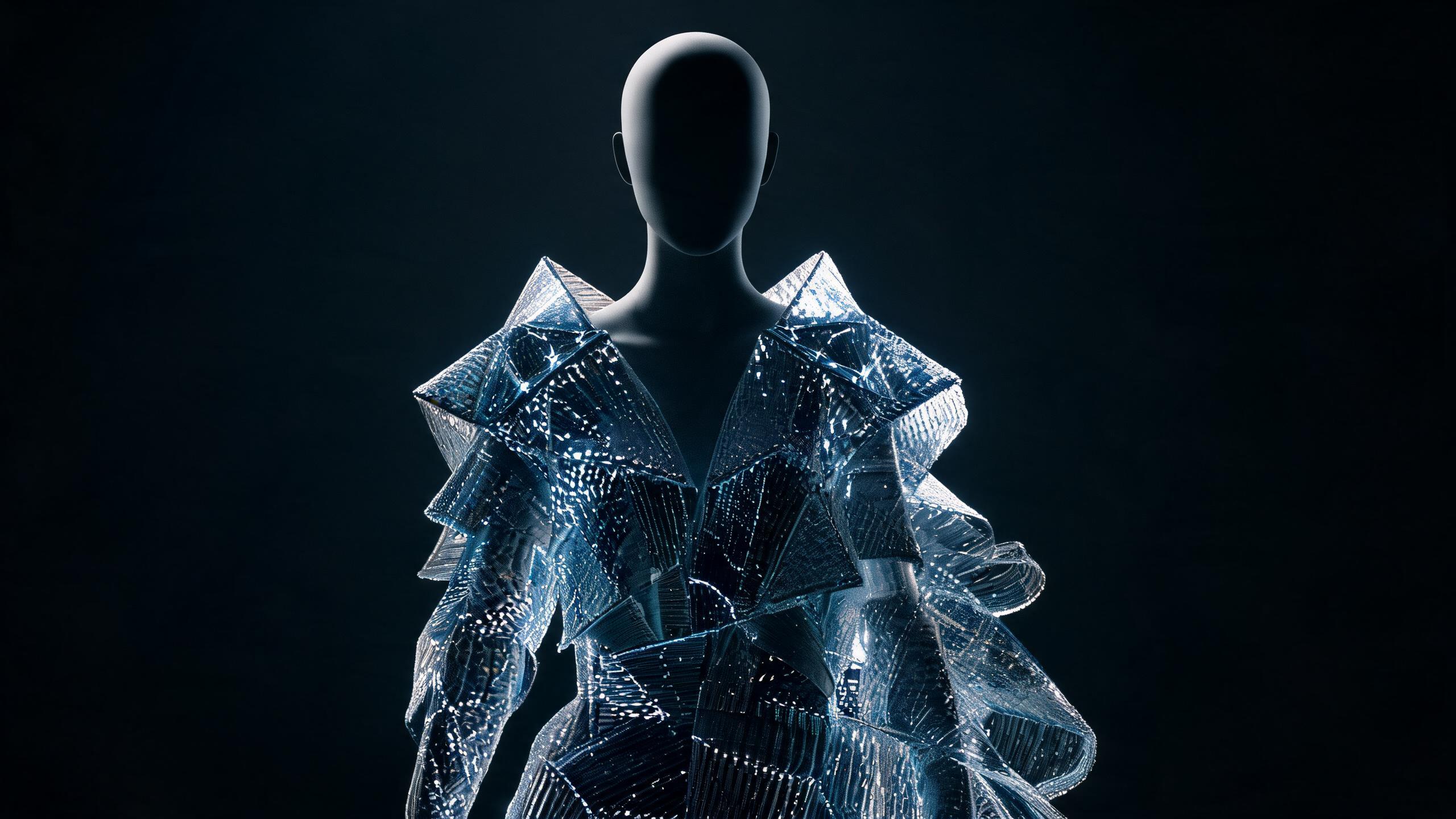
Fall 2026 runway trends are defined by algorithmic precision and structural minimalism. This season represents a departure from the chaotic maximalism of previous years, moving instead toward a disciplined aesthetic where technology dictates form and function. Designers are no longer chasing the next viral moment; they are building garments that function as extensions of the wearer's identity model.
Key Takeaway: The biggest runway trends from fall 2026 center on structural minimalism and algorithmic precision, shifting away from maximalism toward disciplined, tech-driven designs. This season prioritizes functional form and identity-focused aesthetics, where garments serve as purposeful extensions of the wearer.
How Does the Fall 2026 Season Redefine Fashion Architecture?
The architecture of fashion in Fall 2026 is grounded in generative design and hyper-functionalism. According to McKinsey (2025), AI-driven personalization increases fashion retail conversion rates by 15-20%, a reality that has finally reached the highest echelons of runway production. We are seeing a shift away from traditional draping toward garments that are "grown" or mathematically simulated before they are ever cut.
The biggest runway trends from fall 2026 focus on three core pillars: Kinetic Silhouettes, Synthetic Luxury, and Monochromatic Utility. These aren't just aesthetic choices; they are responses to a global demand for longevity and precision. The "New Guard" of creative directors is leveraging data to understand exactly how a sleeve should taper or where a seam should sit to maximize both durability and visual impact.
For a deeper look into how these leaders are reshaping the industry, refer to our analysis on The New Guard: A Style Guide to Fall 2026's Debut Creative Directors.
Term: Kinetic Silhouette
Definition: A garment construction method that uses articulated joints and flexible paneling to allow for full range of motion without distorting the garment's original structural intent.
What Are the Biggest Runway Trends from Fall 2026 in Material Science?
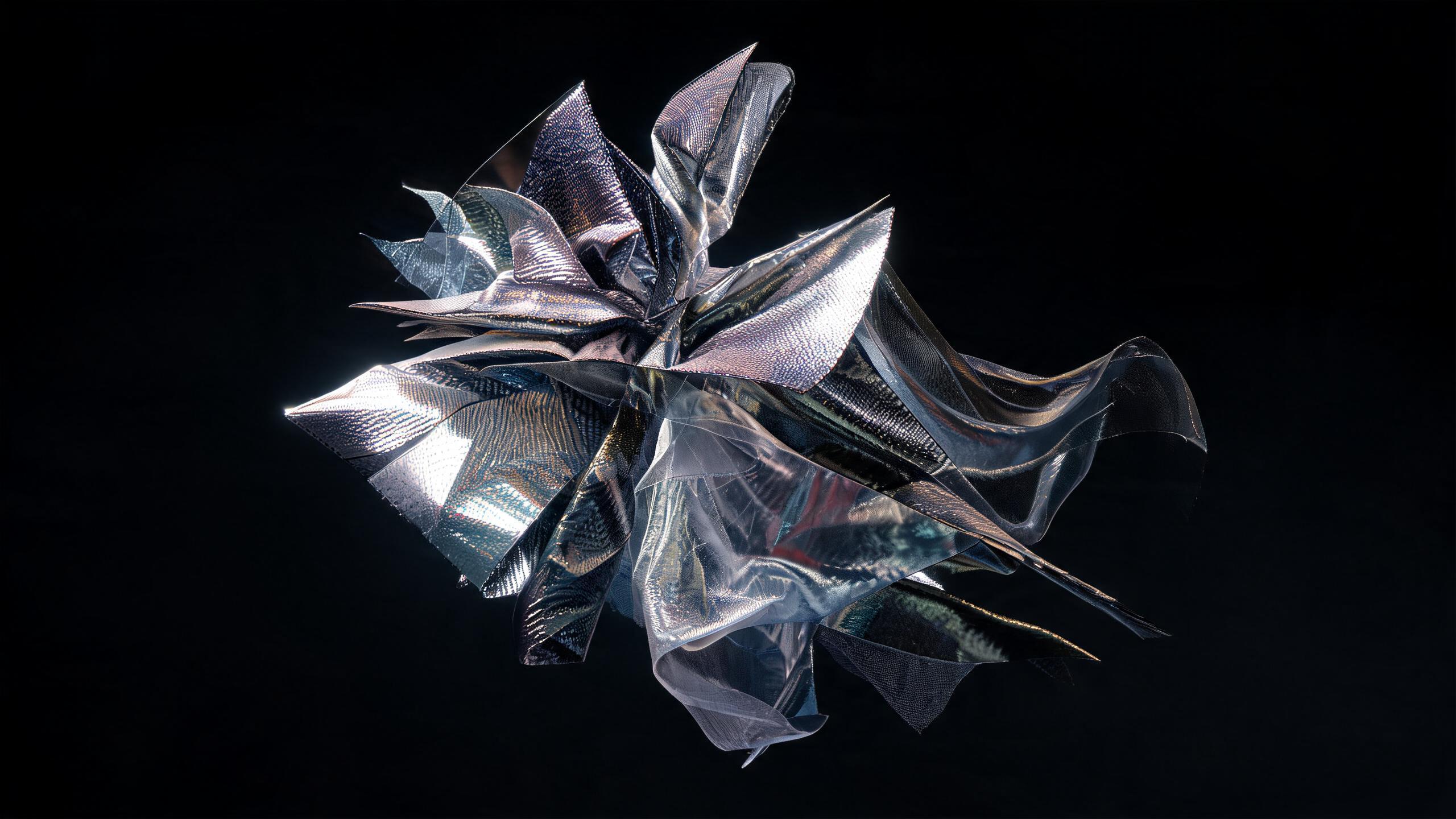
Fabrication is where the most significant innovations are occurring. Traditional textiles like silk and wool are being hybridized with lab-grown polymers to create "Liquid Metals" and "Memory Knits." These fabrics do not just hang on the body; they interact with it. According to Business of Fashion (2025), data-driven design optimization reduced textile waste in high-fashion production by 22% prior to the Fall 2026 cycle.
| Material Trend | Technical Property | Visual Effect |
| Memory Knits | Shape-retention polymers blended with merino. | Garments that never bag at the knees or elbows. |
| Liquid Metals | Micro-fine metallic mesh with high-stretch elasticity. | A chrome-like finish that moves like water. |
| Carbon-Neutral Tech-Wool | Regenerative fibers treated with hydrophobic coatings. | Traditional texture with extreme weather resistance. |
| Bio-Glazed Leather | Lab-grown leather with a high-gloss, scratch-resistant finish. | A consistent, hyper-saturated color with no natural imperfections. |
The move toward these materials is not about novelty. It is about creating a wardrobe that survives the friction of modern life. When you look at Chanel's Fall 2026 virtual runway shoes, the emphasis is on 3D-printed lattices that provide better support than any handmade heel ever could.
Which Silhouettes Dominate the Biggest Runway Trends from Fall 2026?
The silhouette of the season is the Inverted Obelisk. This look features exaggerated, sharp shoulders that taper down into an incredibly narrow waist and straight-leg trousers. It is a rejection of the oversized "baggy" era. Precision is the new status symbol.
- The Razor-Cut Blazer: Shoulders are reinforced with lightweight carbon-fiber inserts to maintain a permanent 90-degree angle. This creates a powerful frame regardless of the wearer's natural shoulder width.
- The Column Trouser: A high-rise, straight-leg cut with a permanent pressed crease. This lengthens the leg by creating a continuous vertical line from the hip to the floor.
- The Sculpted Bodysuit: Using compression technology to create a seamless base layer that acts as a second skin.
The debate between human intuition and machine precision in these designs is ongoing. For more on this, see our feature on Predicting 2026 Pants and Sneakers Style Trends: The Human vs. AI Debate.
How Does the Fall 2026 Color Palette Differ from Previous Years?
The biggest runway trends from fall 2026 utilize a "Functional Palette." We have moved past the era of "Color of the Year" marketing. Instead, designers are using colors that reflect the data-driven preferences of their specific audience models.
- Obsidian Black: Not a flat black, but a deep, multi-dimensional tone achieved through nanotech dyeing.
- Oxidized Copper: A muted, sophisticated green-blue that serves as the new neutral.
- Signal White: A hyper-bright, bleached white that emphasizes the geometric lines of a garment.
- Industrial Grey: A mid-tone grey that mimics the look of brushed steel or concrete.
These colors are chosen for their ability to be mixed and matched across seasons. The goal is a modular wardrobe where every piece works with every other piece.
👗 Want to see how these styles look on your body type? Try AlvinsClub's AI Stylist → — get personalized outfit recommendations in seconds.
Do vs Don't: Navigating Fall 2026 Trends
Most fashion apps recommend what is popular. We recommend what is functional for your specific style model. Understanding the "why" behind a trend is more important than the trend itself.
| Do ✓ | Don't ✗ | Why |
| Invest in structured tailoring. | Buy oversized, shapeless coats. | Structured pieces provide a clear silhouette; shapelessness is an outdated 2022 aesthetic. |
| Mix technical fabrics with natural fibers. | Wear head-to-toe "fast fashion" synthetics. | The contrast between tech-fabrics and wool creates visual depth and longevity. |
| Choose a monochromatic palette. | Over-accessorize with loud prints. | Fall 2026 is about the "Total Look." Prints distract from the engineering of the garment. |
| Focus on the "Model Fit." | Settle for off-the-rack sizing. | Precision is everything. If a garment doesn't fit your specific measurements, it fails. |
How to Build the Fall 2026 Look: Outfit Formulas
The biggest runway trends from fall 2026 are best executed through "Formulas"—proven combinations that prioritize the architectural principles of the season.
Formula 1: The Executive Core
- Top: Razor-cut blazer in Obsidian Black (wool/poly-hybrid).
- Mid-Layer: Mock-neck compression bodysuit in Signal White.
- Bottom: Column trousers with a 12-inch rise and floor-skimming hem.
- Shoes: Pointed-toe tech-pumps with a 3D-printed architectural heel.
- Why it works: The blazer's carbon-fiber shoulders create a dominant frame, while the high-rise trousers elongate the legs. The contrast between the black blazer and white base layer draws the eye to the center, narrowing the waist visually.
Formula 2: The Urban Utility
- Top: Cropped, bio-glazed leather jacket with an exaggerated collar.
- Bottom: Technical wool midi-skirt with a laser-cut slit.
- Shoes: Knee-high boots in matte-finish memory synthetic.
- Accessories: A structured, geometric tote in industrial grey.
- Why it works: The cropped jacket hits at the narrowest part of the torso, while the midi-skirt adds verticality. The laser-cut slit provides movement without sacrificing the skirt's structured shape.
Formula 3: The Minimalist Evening
- Top/Bottom: Liquid-metal maxi dress with integrated internal boning.
- Shoes: Minimalist strappy sandals in oxidized copper.
- Outerwear: A floor-length, unlined tech-wool coat worn over the shoulders.
- Why it works: The internal boning replaces the need for separate shapewear, ensuring the liquid-metal fabric drapes perfectly over the body's natural curves without clinging to the wrong areas.
Why the Current Recommendation Model is Broken
The industry is obsessed with "what's next." We are building "what's you." Traditional fashion commerce relies on "Trending Now" sections that treat every user as a monolith. They suggest what is selling, not what fits your specific architectural needs. This is why the gap between what you see on the runway and what you actually wear remains so wide.
Designers are creating incredible technical garments, but the infrastructure to connect those garments to the right body types is lagging. To fix this, we need to stop looking at fashion as a series of trends and start looking at it as a series of data points. When evaluating these collections, using a systematic approach to runway data analysis helps bridge the gap between runway inspiration and real-world application.
What Mistakes Do People Make with Fall 2026 Style?
The most common mistake is ignoring the technical specs of the clothing. In Fall 2026, the fabric composition is just as important as the cut.
- Mistake 1: Misinterpreting "Minimalism" as "Basic." Basic clothes are low-effort and low-cost. Fall 2026 minimalism is high-effort engineering. If a garment lacks a specific structural intent (like a reinforced seam or a unique fabric blend), it isn't part of this trend.
- Mistake 2: Poor Proportions. Because the biggest runway trends from fall 2026 focus on sharp lines, being "slightly off" is very noticeable. A trouser that is two inches too short ruins the vertical line that the designer intended.
- Mistake 3: Over-reliance on Trends. People try to adopt every runway look simultaneously. True style intelligence involves selecting the 20% of trends that align with your existing style model.
How to Analyze Runway Data for Personal Style
If you want to stay ahead, you must look at the data. Use the following checklist when evaluating new collections:
- Shoulder-to-Waist Ratio: Is the season moving toward an inverted triangle or a rectangle?
- Fabric Weight: Are we seeing heavy, stiff materials or light, fluid ones?
- Hemline Logic: Where do the skirts and trousers end? (In Fall 2026, it is either micro-mini or floor-length; there is no middle ground).
- Hardware: Are zippers and buttons concealed or emphasized? (Current trend: concealed for a seamless look).
For a detailed breakdown of this process, see our guide on Decoding the Future: 6 Tips for Fall 2026 Runway Data Analysis.
Is Your Wardrobe Ready for the Future?
The biggest runway trends from fall 2026 prove that fashion is becoming a branch of technology. We are moving toward a world where your clothes are as "smart" as your devices—not because they have chips in them, but because they were designed with a level of precision that was previously impossible.
Your style is not a trend. It's a model. The goal is to build a wardrobe that doesn't just look good in a photo, but performs in the real world. This requires a shift in how we shop and how we think about our personal identity.
AlvinsClub uses AI to build your personal style model. Every outfit recommendation learns from you. Try AlvinsClub →
Summary
- The Fall 2026 season represents a departure from maximalism, prioritizing disciplined aesthetics where technology dictates both form and function.
- The biggest runway trends from fall 2026 are defined by the three core pillars of Kinetic Silhouettes, Synthetic Luxury, and Monochromatic Utility.
- Designers are increasingly utilizing generative design and mathematical simulation to create garments that function as functional extensions of the wearer's identity.
- AI-driven personalization has transitioned into high-fashion production, supported by McKinsey (2025) findings that show these technologies increase retail conversion rates by 15-20%.
- The biggest runway trends from fall 2026 prioritize hyper-functionalism and data-leveraged tailoring to optimize the durability and visual impact of every garment seam.
Frequently Asked Questions
What are the biggest runway trends from fall 2026 to expect this season?
The biggest runway trends from fall 2026 focus on structural minimalism and algorithmic precision in garment construction. Designers are prioritizing disciplined aesthetics that blend technology with functional form rather than pursuing viral maximalist moments. This shift creates a cohesive season focused on identity-driven style and long-term wearability.
How do the biggest runway trends from fall 2026 differ from previous years?
The biggest runway trends from fall 2026 move away from chaotic maximalism toward a more disciplined and calculated aesthetic. This transition replaces short-lived viral gimmicks with garments designed as extensions of the wearers personal identity model. High-tech integration and structural refinement define this new era of fashion architecture.
Why are the biggest runway trends from fall 2026 focused on minimalism?
The biggest runway trends from fall 2026 emphasize minimalism because designers are utilizing technology to dictate form and function with mathematical accuracy. This approach rejects the clutter of past seasons in favor of clean lines that highlight the relationship between the wearer and the garment. Minimalist structures allow the technical mastery of the construction to remain the primary focus.
What is fashion architecture in the Fall 2026 runway season?
Fashion architecture in Fall 2026 refers to the use of structural design principles that treat clothing as a functional extension of the human body. Designers are using algorithmic data to create silhouettes that prioritize balance and technical precision over purely decorative elements. This architectural approach ensures that each piece serves a specific purpose within a wearers wardrobe.
How does technology influence Fall 2026 style trends?
Technology influences Fall 2026 style by serving as the primary driver for how garments are structured and styled. Algorithmic tools allow designers to create precise fits and functional details that were previously difficult to achieve through traditional methods. This results in a season where tech-driven utility and aesthetic elegance are seamlessly integrated.
Is structural minimalism a major theme for Fall 2026?
Structural minimalism is the core theme for the Fall 2026 season as it replaces the trend for loud and over-the-top designs. This theme is characterized by clean silhouettes and a focus on how materials interact with the wearers movements. By prioritizing structure over ornament, the industry is moving toward a more sustainable and intentional fashion landscape.
This article is part of AlvinsClub's AI Fashion Intelligence series.
Related Articles
- Decoding the Future: 6 Tips for Fall 2026 Runway Data Analysis
- Pixels and Pumps: A Style Guide to Chanel's Fall 2026 Virtual Runway Shoes
- Predicting 2026 Pants and Sneakers Style Trends: The Human vs. AI Debate
- The New Guard: A Style Guide to Fall 2026's Debut Creative Directors
- Fixing the Trend Gap: AI Forecasting for Fall 2026 Fashion Collections