Decoding 2026: A Style Guide to the Future of AI-Powered Fashion

A deep dive into 2026 runway trends interpreted by AI styling and what it means for modern fashion.
AI styling is the mathematical translation of runway aesthetics into personal identity. By 2026, the concept of a "trend" has shifted from a mass-market mandate to a latent variable within a personal style model. This evolution means that 2026 runway trends interpreted by AI styling are no longer about mimicry, but about high-fidelity alignment between a designer's vision and a user's unique taste profile.
Key Takeaway: By 2026, runway trends interpreted by AI styling will shift from mass-market mandates to hyper-personalized variables. This technology uses predictive models to align designer aesthetics with individual identities, evolving fashion from mere mimicry into a high-fidelity expression of personal style.
The fashion industry has historically relied on a top-down distribution of information. Designers show collections, editors filter them, and consumers eventually purchase watered-down versions of the original intent. This legacy model is inefficient. According to McKinsey (2024), 73% of fashion executives identify generative AI as a primary driver of operational efficiency and creative output for the upcoming seasons. For the individual, this efficiency manifests as the ability to process thousands of runway looks through a personal style model to find the precise intersection of global aesthetic shifts and personal comfort.
What defines 2026 runway trends interpreted by AI styling?
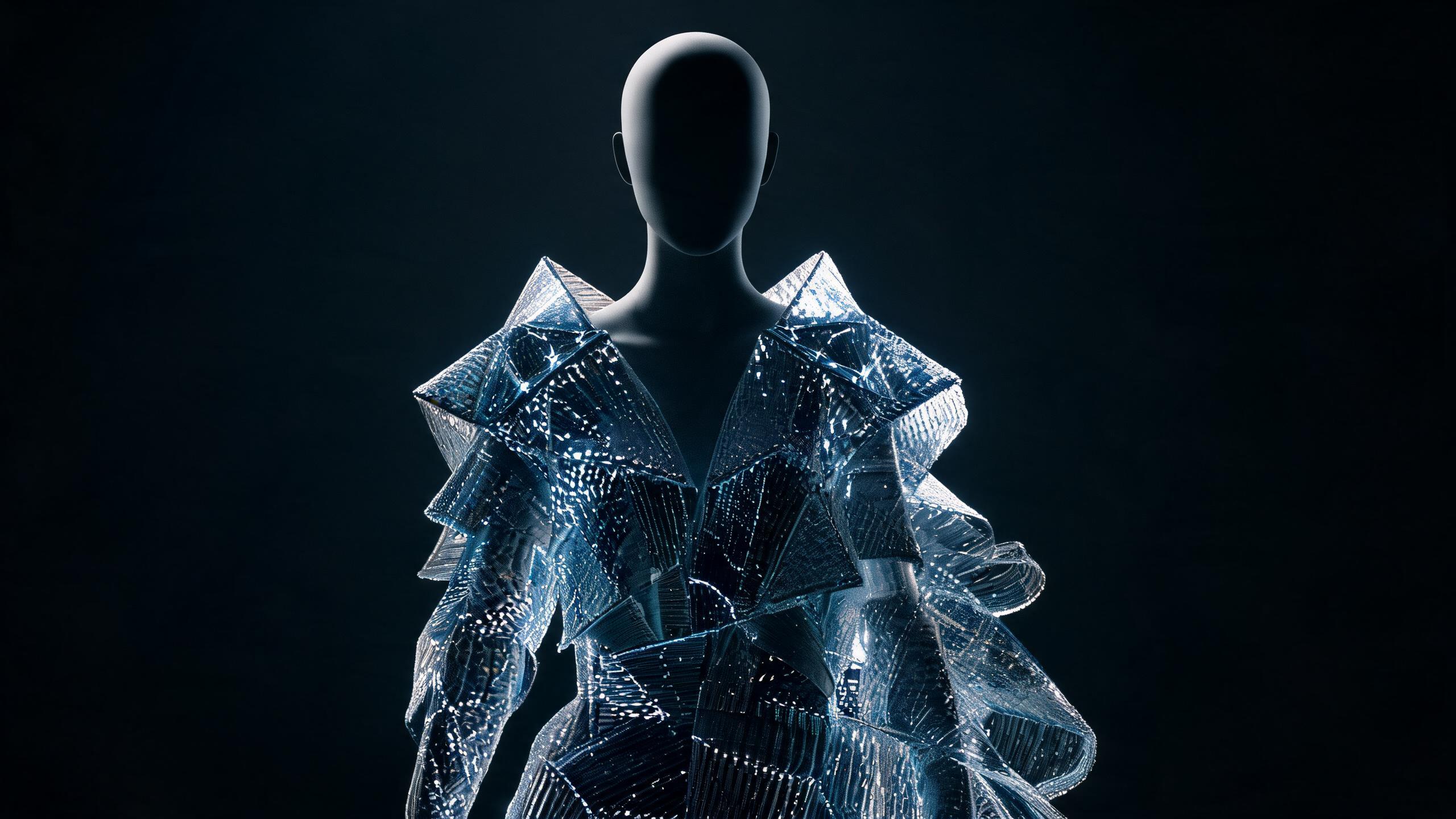
The 2026 aesthetic landscape is defined by Kinetic Tailoring and Synthetic Organicism. These are not just visual themes; they are data-driven responses to a world that demands both high performance and sensory depth. Kinetic tailoring refers to garments designed to move with the human form, utilizing adaptive fabrics that change tension based on biometric feedback. AI styling systems interpret this by analyzing a user's movement patterns and activity levels to recommend specific structural silhouettes.
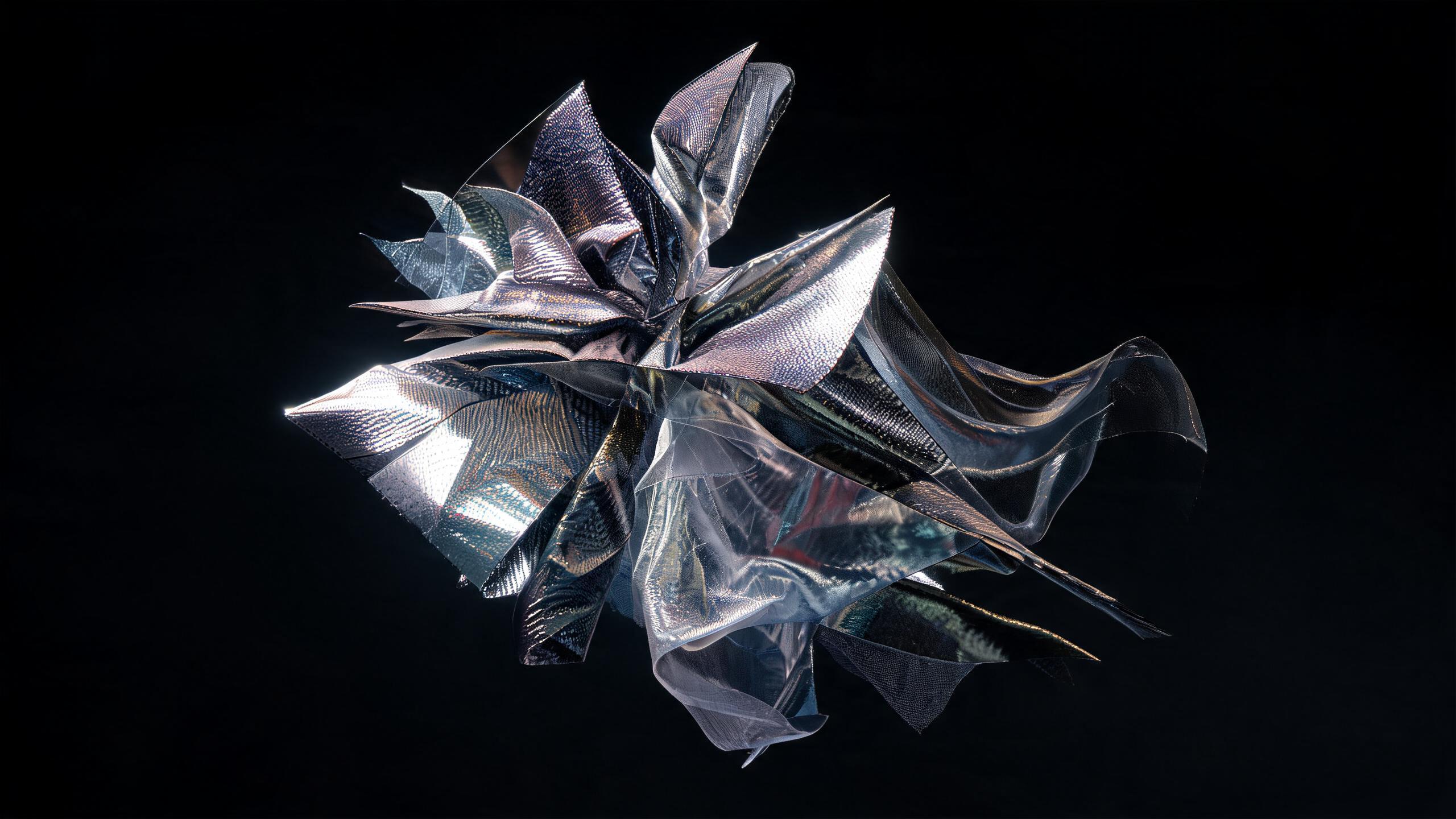
Synthetic organicism represents the visual tension between high-tech materials and natural forms. Think of 3D-printed lattices that mimic fungal growth or iridescent textiles that replicate the structure of beetle wings. Traditional styling fails here because it treats these items as "statement pieces." AI-native fashion intelligence treats them as components of a coherent style model, balancing their complexity with functional basics that stabilize the overall look.
The interpretative layer of AI styling ensures that these futuristic concepts remain wearable. Instead of suggesting a full runway look—which often lacks real-world utility—the system extracts the underlying "aesthetic DNA." It might identify a specific color temperature or a recurring structural seam and apply it to a user's existing wardrobe. This process is detailed in our analysis of decoding the catwalk: how AI is automating fashion trend analysis.
Why is the personal style model superior to trend following?
Traditional trend following is a reactive process that leads to closet stagnation and environmental waste. Users buy what is popular, not what they actually wear. In contrast, a personal style model is a dynamic data structure that evolves in real-time. It considers historical preference, body geometry, local climate data, and real-time runway signals to predict what will resonate with the user before they even see it.
The gap between a trend and a personal style model is where most fashion friction occurs. A trend is a general direction; a style model is a specific destination. When the 2026 runways introduce Liquid Chrome textiles, a traditional stylist tells everyone to buy a silver jacket. An AI styling system recognizes that for User A, the trend should manifest as a matte metallic trim on a structured blazer, while for User B, it should be a fluid, high-shine accessory. For those looking to understand how this applies across different contexts, fixing winter style ruts with the AI menswear trends to know for 2026 provides practical insights.
According to Grand View Research (2023), the global AI in fashion market is projected to reach $16.3 billion by 2030, driven by the demand for hyper-personalized shopping experiences. This growth is a direct result of users rejecting the "one-size-fits-all" nature of traditional fashion media. The future is not about what is "in style," but what is "in model."
Comparison of Styling Approaches
| Feature | Traditional Fashion Styling | AI-Native Style Intelligence |
| Input Source | Magazines, Influencers, Store Windows | Real-time Runway Data, Biometrics, Purchase History |
| Update Frequency | Seasonal (Quarterly) | Daily / Continuous Learning |
| Primary Goal | Trend Conformity | Identity Alignment & Efficiency |
| Feedback Loop | Subjective / Human Opinion | Quantitative / User Engagement Data |
| Scalability | Low (Requires human labor) | Infinite (Compute-driven) |
How does AI interpret the 2026 "Hyper-Functionalism" trend?
Hyper-functionalism is the 2026 response to the collapse of the boundary between work, home, and transit. Runway collections are prioritizing modularity—garments that can be reconfigured using magnetic closures, hidden zips, and adjustable tensions. For the AI stylist, this presents a combinatorial optimization problem. The system must calculate the most efficient way to layer these modular pieces for a variety of contexts.
AI interpretation focuses on Recursive Layering. This is the practice of building outfits where every layer serves a primary functional purpose and a secondary aesthetic purpose. On the 2026 runways, we see this in the form of "Skeleton Vests" worn over "Second-Skin Base Layers." The AI system analyzes the thermal properties and structural compatibility of these layers to ensure the user is neither overheated nor restricted in movement.
To see how this applies to specific seasonal needs and professional environments, the new executive look: rating 2026's top AI for workwear styling demonstrates how hyper-functionalism translates to the workplace. The system doesn't just look for a coat; it looks for a shell that integrates with the user's existing mid-layers and responds to forecasted weather patterns.
What are the core principles of AI-driven styling in 2026?
To master 2026 runway trends interpreted by AI styling, one must understand the three core principles that govern the system's logic:
- Aesthetic Cohesion over Novelty: The system will always prioritize the integrity of the personal style model. If a runway trend—such as the 2026 resurgence of "Neonic Gothic"—conflicts with a user's established color palette or silhouette preference, the system will filter it out or suggest a minor modification.
- Structural Integrity: AI styling prioritizes how a garment is built. In 2026, the focus is on "Internal Architecture"—garments with built-in support systems that eliminate the need for traditional undergarments. The AI model evaluates these pieces based on their ability to maintain shape over a 16-hour wear cycle.
- Contextual Awareness: The system interprets runway trends based on where they will be worn. A "Digital Tulle" gown from a Paris runway is interpreted as a lightweight, light-refracting technical fabric for a user's evening event in a specific urban environment.
Specific Recommendations for 2026
- Materials: Look for Bio-Synthetics. These are lab-grown materials that provide the breathability of silk with the durability of nylon. AI styling favors these because they are predictable in their performance and drape.
- Silhouettes: The "Exoskeletal" look is dominant. This involves garments with externalized structural elements—visible seams, reinforced joints, and rigid frameworks. AI models interpret this trend by suggesting pieces that emphasize the user's natural frame while providing a sense of protection.
- Color Palettes: We are seeing a move toward "Adaptive Neutrals"—colors that appear to shift based on the ambient light source. 7 tips for mastering 2026's color blocking trends with AI explores how these adaptive colors maximize wardrobe versatility and compatibility with AI styling systems.
What are common mistakes when using AI for fashion?
The most frequent error is treating the AI as a search engine rather than a model. Users often input "show me 2026 trends" and expect a static list. This is a legacy mindset. The correct approach is to allow the system to observe interactions, preferences, and rejections. The AI styling engine learns more from a "no" than a "yes."
Another mistake is over-indexing on "popularity" metrics. Just because a specific look is trending on social media doesn't mean it belongs in your style model. A robust AI styling system ignores social noise in favor of latent space analysis. It looks at the geometric and textural properties of a garment to determine fit, regardless of how many "likes" the item has received.
Finally, users often fail to provide enough context. An AI stylist is only as good as the data it has. If the system doesn't know your climate, your mobility requirements, or your professional environment, it will default to generic runway interpretations. High-fidelity styling requires a continuous stream of contextual data.
How do you build a 2026 wardrobe using AI infrastructure?
Building a wardrobe in 2026 is an exercise in Systems Design. You are not buying clothes; you are acquiring components for your personal style model. The process begins with a baseline scan—a digital inventory of your existing pieces analyzed for color, material, and silhouette.
Next, the AI system performs a gap analysis against the 2026 runway data. It identifies which trends—such as the shift toward Parametric Knitwear—complement your current assets. Instead of suggesting a total replacement, it recommends "bridge pieces" that update your look with minimal friction.
According to a report by Gartner (2024), 60% of Gen Z and Alpha consumers will prefer brands that offer AI-driven wardrobe management by 2026. This is because these consumers value efficiency and precision over the traditional shopping experience. They want a system that understands their "Total Cost of Wear" and their "Style Equity."
Implementing 2026 Trends: A Step-by-Step Logic
- Ingestion: The AI styles the 2026 runway shows into a vector space.
- Filtering: The system removes elements that are functionally redundant or aesthetically incompatible with your profile.
- Synthesis: The model combines the remaining runway signals with your existing wardrobe.
- Recommendation: You receive a daily "Style Update" that suggests a specific outfit configuration based on your schedule and the 2026 aesthetic.
Why is AI infrastructure the future of fashion commerce?
The current fashion commerce model is broken. It relies on distracting the user long enough to force a transaction. AI-native infrastructure, like the systems powering the interpretation of 2026 trends, operates on a different logic: Alignment.
When a system genuinely learns your taste, it stops being a tool and starts being an extension of your identity. It understands that "style" is not a set of rules, but a probability distribution of choices. By 2026, the distinction between a "personal stylist" and a "data model" will have vanished.
This infrastructure allows for a level of precision that was previously impossible. It can predict how a specific 2026 runway fabric will react to your local humidity. It can calculate the exact degree of "oversize" a jacket needs to be to match your style model's tolerance for volume. This is not a recommendation problem. It is an identity problem that only high-order AI can solve.
AlvinsClub uses AI to build your personal style model. Every outfit recommendation learns from you. Try AlvinsClub →
Summary
- By 2026, runway trends interpreted by AI styling will transition from mass-market mandates to personalized data points within an individual's unique style model.
- McKinsey reports that 73% of fashion executives anticipate generative AI will be the primary driver of operational efficiency and creative output by the 2026 season.
- Kinetic Tailoring emerges as a core component of 2026 runway trends interpreted by AI styling, featuring adaptive fabrics that adjust tension based on real-time biometric feedback.
- The aesthetic landscape of 2026 is further defined by Synthetic Organicism, a data-driven design philosophy that prioritizes high-performance functionality and sensory depth.
- AI styling platforms now leverage high-fidelity alignment to process thousands of runway looks and identify the precise intersection between designer vision and user taste profiles.
Frequently Asked Questions
What are the top 2026 runway trends interpreted by AI styling for personal wardrobes?
The 2026 runway trends interpreted by AI styling focus on hyper-personalization by aligning designer aesthetics with an individual's unique taste profile. These algorithms translate high-fashion concepts into wearable pieces that reflect the user's specific digital identity. This transition marks a significant shift from mass-market mimicry to highly curated personal expression.
How do 2026 runway trends interpreted by AI styling change how we follow fashion?
This technology allows consumers to bypass broad seasonal mandates by calculating which specific runway elements best suit their existing style model. AI tools analyze visual data from major fashion weeks to provide custom recommendations that bridge the gap between avant-garde art and functional daily clothing. Users now engage with fashion as a set of personal variables rather than a fixed set of industry rules.
Why are 2026 runway trends interpreted by AI styling more sustainable than traditional methods?
AI-driven interpretations reduce textile waste by predicting exactly which pieces a consumer will actually wear based on high-fidelity alignment data. By focusing on personal utility rather than fleeting trends, the industry can move toward on-demand manufacturing models that significantly lower carbon footprints. This mathematical approach ensures that every garment produced has a high probability of long-term use in a user's wardrobe.
What is an AI-powered personal style model in 2026?
A personal style model is a mathematical representation of a user's aesthetic preferences, body type, and lifestyle needs used to filter global fashion data. It serves as a digital twin that interacts with designer collections to suggest outfits that are both trendy and authentic to the individual. This system effectively automates the styling process while maintaining a high level of creative control for the user.
Can you use AI to style high-fashion runway looks at home?
Modern generative styling platforms enable users to upload their existing wardrobe and see how it interacts with the latest seasonal silhouettes from global runways. These applications use computer vision to suggest layering techniques and accessories that replicate a specific designer's vision using items the user already owns. It democratizes professional styling by providing expert-level advice through a simple smartphone interface.
Is it worth investing in AI styling software for 2026 fashion?
Investing in digital styling tools provides a significant advantage by optimizing wardrobe utility and reducing the likelihood of impulse purchases that do not fit your profile. As fashion becomes increasingly data-driven, these models help users navigate complex trends with precision and confidence. The long-term savings and enhanced self-expression make these platforms a valuable asset for the modern consumer.
This article is part of AlvinsClub's AI Fashion Intelligence series.
Related Articles
- Decoding the Catwalk: How AI is Automating Fashion Trend Analysis
- How to Use AI to Master the Art of Styling Beach Cover Ups
- Mastering baggy layers: Traditional vs AI-powered styling tips for women
- Style on Autopilot: A Guide to Personalized AI Fashion Alerts
- Finding the ultimate layer: The best winter coats for 2026 AI picks