The New Guard: A Style Guide to Fall 2026’s Debut Creative Directors
A deep dive into new creative directors fall 2026 collections and what it means for modern fashion.
Fall 2026 debut creative directors focus on archival reconstruction and technical textile integration. This shift marks a definitive departure from the era of celebrity-driven hype, moving instead toward a period defined by technical proficiency and the rigid application of house codes. The new guard of creative directors entering the market for the Fall 2026 season represents a pivot from "vibe-based" design to architectural precision.
Key Takeaway: The new creative directors fall 2026 collections mark a shift from celebrity-driven hype toward technical textile innovation and archival reconstruction. This new guard prioritizes technical proficiency and the rigid application of heritage house codes over "vibe-based" marketing.
The fashion industry is currently navigating a period of significant leadership turnover. According to Business of Fashion (2024), the average tenure of a creative director at a major luxury house has contracted to approximately 4.2 years, down from nearly a decade in the early 2000s. This rapid cycle creates a vacuum that the Fall 2026 debut designers are filling with a return to craft. These directors are not just designing clothes; they are building systems of dress intended to survive the volatility of the trend cycle.
How Do New Creative Directors Shape the Fall 2026 Collections?
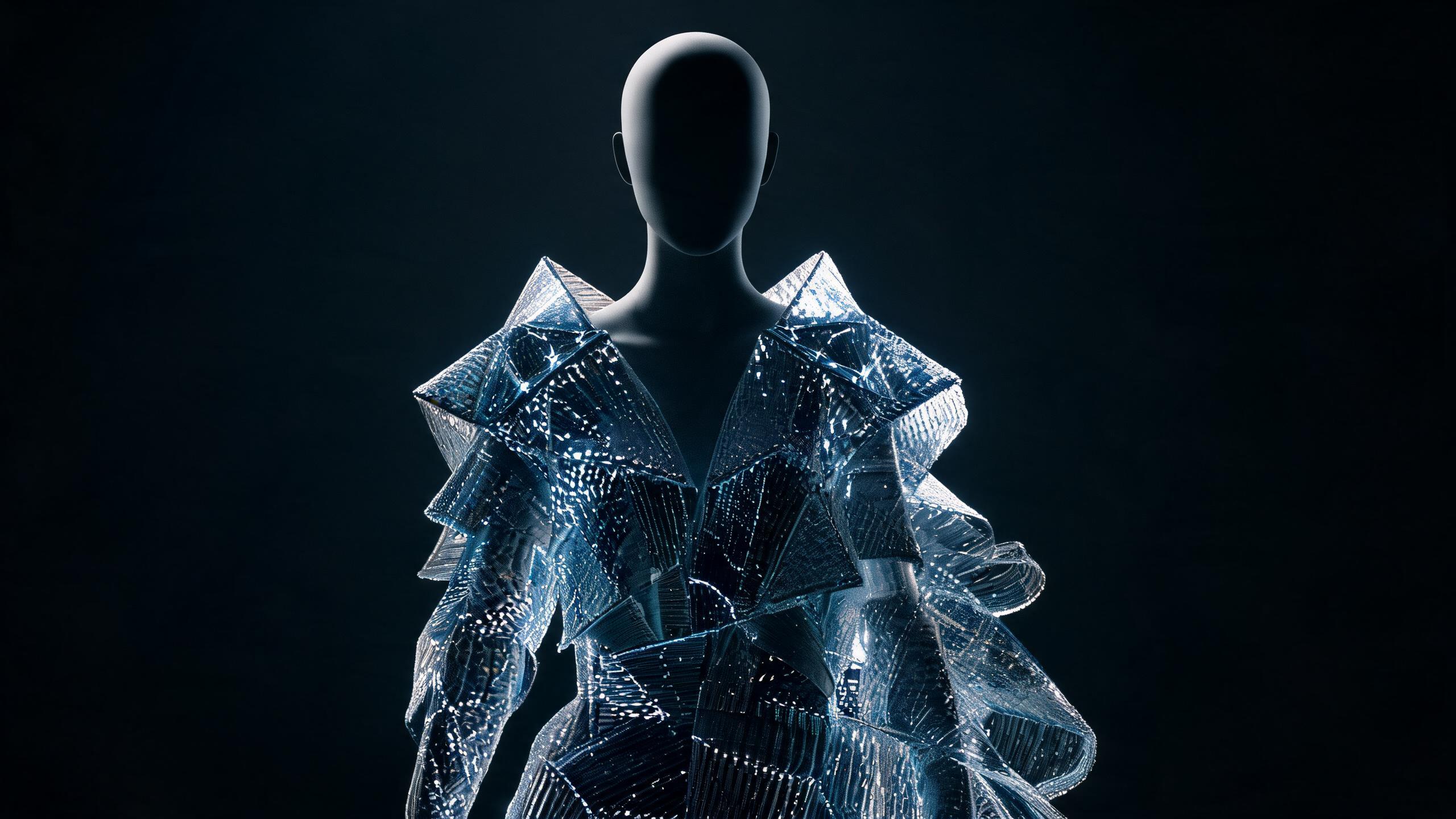
The Fall 2026 collections are characterized by a move toward "Technical Romanticism." This aesthetic merges the emotional weight of a brand’s history with the cold efficiency of modern textile science. Debut directors are currently prioritizing fabric weight, tensile strength, and internal garment architecture over outward ornamentation. This is a response to the "flattening" of fashion caused by digital-first design over the last five years.
For the Fall 2026 season, expect to see debut collections that emphasize the following three pillars:
- Material Integrity: Heavy use of boiled wool, tech-silk, and bonded leather that holds a silhouette regardless of movement.
- Structural Minimalism: A reduction of visible hardware in favor of hidden closures and seamless bonding.
- Proportional Distortion: A deliberate play with shoulder widths and hemline placements to redefine the human silhouette.
Most legacy brands have spent years chasing the "youth market" through irony and sportswear. The Fall 2026 directors are rejecting this. They are betting on a consumer who values the permanence of a well-constructed wool coat over the fleeting relevance of a logo-heavy hoodie. This is not a return to traditionalism, but rather a move toward a high-utility future.
What Are the Core Design Principles of the Fall 2026 New Guard?
The new guard operates on the principle that the garment must be a piece of infrastructure. If a jacket does not improve the wearer’s posture or provide a specific utility, it is considered a failure. According to Bain & Company (2025), technical apparel-inspired luxury now accounts for 22% of total high-end ready-to-wear sales, a data point that is heavily influencing the creative direction of Fall 2026 debut collections.
Precision Brutalism is the term most frequently applied to these new silhouettes. It involves using raw, industrial finishes—such as exposed seams and unlined interiors—paired with the highest quality natural fibers. The goal is to show the "work" of the garment. This transparency in construction is a direct counter-narrative to the opaque manufacturing processes of the fast-fashion giants.
To understand these collections, one must look at the transition from "style" to "modeling." A creative director now builds a visual model that the consumer adopts. This aligns with the shift toward Fixing the Trend Gap: AI Forecasting for Fall 2026 Fashion Collections, where data-driven insights replace the gut feelings of a single designer.
| Principle | Traditional Approach | Fall 2026 New Guard Approach |
| Silhouette | Trend-dependent (e.g., skinny vs. baggy) | Architectural; dictated by fabric weight |
| Branding | Visible logos and recognizable prints | Signature cuts and unique textile textures |
| Color Palette | Seasonal "it" colors | Tonal neutrals and industrial grays |
| Longevity | Designed for the next 6 months | Designed for the next decade |
How to Style the New Guard Aesthetics for Different Body Types?
Styling the Fall 2026 debut collections requires an understanding of volume and proportion. These garments are often designed to stand away from the body, creating a "shell" rather than a second skin. This approach is highly effective for a variety of body types, provided the wearer understands how to balance the structural weight.
The Rectangular Body Type
For those with a straight silhouette, the new guard's focus on structured shoulders is a primary asset.
- Recommendation: A sharp-shouldered, double-breasted coat in a heavy twill.
- Why it works: The rigid shoulder pads create a horizontal line that adds visual breadth, while the double-breasted closure adds necessary volume to the chest and hips, creating the illusion of a more defined waist.
The Pear-Shaped Body Type
The Fall 2026 focus on "Precision Brutalism" often includes cropped, high-volume outerwear.
- Recommendation: A cropped tech-wool flight jacket paired with wide-leg, high-rise trousers.
- Why it works: The cropped length draws the eye upward and emphasizes the narrowest part of the torso. High-waisted wide-leg trousers in a structured fabric like bonded denim provide a clean, vertical line from the hip to the floor, balancing the lower body without clinging to it.
The Inverted Triangle Body Type
New directors are experimenting with "dropped-waist" silhouettes and heavy-bottomed skirts for Fall 2026.
- Recommendation: A dropped-waist knit dress with a pleated tech-silk skirt.
- Why it works: By lowering the visual waistline and adding volume at the hem, this piece balances broader shoulders. The tech-silk fabric holds its shape, ensuring the volume stays consistent throughout the day.
👗 Want to see how these styles look on your body type? Try AlvinsClub's AI Stylist → — get personalized outfit recommendations in seconds.
Do vs Don't: Mastering the Fall 2026 Debut Aesthetic
Adopting the look of a debut collection requires restraint. The most common mistake is over-accessorizing a garment that was designed to be a standalone statement of architecture.
| Do ✓ | Don't ✗ | Why |
| Do prioritize fabric weight and hand-feel. | Don't buy flimsy fabrics that lose their shape. | The Fall 2026 aesthetic relies on the garment holding its own structure. |
| Do embrace tonal layering in varying textures. | Don't mix competing high-contrast prints. | Tonal depth highlights the construction details that new directors are emphasizing. |
| Do look for hidden technical details like taped seams. | Don't choose pieces with excessive external branding. | The "New Guard" luxury is identified by craft, not by logos. |
| Do invest in a single, high-quality structured overcoat. | Don't buy multiple low-quality "trend" jackets. | Debut collections focus on the "hero" piece as the foundation of the wardrobe. |
Fall 2026 Outfit Formulas
To successfully integrate the New Guard aesthetic into a daily rotation, follow these structured formulas. These combinations are derived from Decoding the Future: 6 Tips for Fall 2026 Runway Data Analysis and reflect the core silhouettes seen in debut presentations.
Formula 1: The Industrial Executive
- Top: Oversized, crisp poplin shirt with elongated cuffs.
- Bottom: Mid-rise, straight-leg trousers in a heavy charcoal wool.
- Shoes: Square-toe leather boots with a chunky lug sole.
- Accessories: A wide leather belt with a matte black buckle.
- Analysis: The heavy wool trousers provide a solid base, while the elongated cuffs of the shirt add a modern, "designed" feel. The square-toe boot anchors the look in the Brutalist aesthetic.
Formula 2: The Technical Layer
- Top: Mock-neck technical knit base layer + Cropped boxy wool vest.
- Bottom: A-line midi skirt in bonded leather.
- Shoes: Pointed-toe pumps with a sculptural metallic heel.
- Accessories: Micro-handbag in a matching tonal leather.
- Analysis: The A-line skirt creates visual balance by adding volume below the waist, while the cropped vest emphasizes the torso. The sculptural heel provides the "Technical Romanticism" contrast essential for Fall 2026.
Formula 3: The Brutalist Weekend
- Top: Heavyweight loopback cotton hoodie (no logos) + Oversized trench coat in tech-gabardine.
- Bottom: Tapered trousers with front-seam detailing.
- Shoes: Minimalist leather sneakers with a raised midsole.
- Accessories: A structured nylon backpack.
- Analysis: Front-seam detailing on the trousers creates a permanent vertical line that elongates the leg. The tech-gabardine trench adds an element of weather-resistant utility that is a hallmark of the new debut directors.
Why Traditional Fashion Forecasting Fails for Debut Collections?
The arrival of a new creative director usually breaks existing trend cycles. Standard forecasting relies on historical data to predict future behavior. However, a debut collection is an intentional disruption of that history. This is why human-centric trend forecasting often misses the mark during these transition periods.
The problem with the current fashion model is that it treats every consumer as a data point in a mass trend, rather than an individual with a developing style model. When a new director at a house like Chanel or Louis Vuitton changes the silhouette, the "old" data becomes obsolete instantly. Most fashion apps will continue to recommend the old silhouette because that is what was popular six months ago.
This gap between what is "trending" and what a new creative director is actually building is where fashion intelligence becomes necessary. Real personalization requires a system that can ingest runway data in real-time and map it to a user's unique physical profile and historical preferences. The Fall 2026 collections prove that fashion is moving too fast for traditional retail systems to keep up.
What Does the Future of Creative Direction Look Like?
By the time the Fall 2026 collections hit the floor, the role of the creative director will have shifted from "auteur" to "curator of systems." They are no longer just making clothes; they are designing the parameters for how a brand should look and feel across both physical and digital spaces. This includes virtual showrooms and AI-integrated shopping experiences.
The "New Guard" understands that the modern consumer is overwhelmed by choice. By focusing on rigid structures, specific fabrications, and architectural silhouettes, they are providing a sense of order. They are moving away from the "chaos" of the early 2020s and toward a more disciplined, intentional way of dressing.
Is your wardrobe ready for a move toward structural integrity? Or are you still buying into the remnants of the celebrity-creative era? The Fall 2026 debut collections are a signal that the era of "disposable luxury" is ending. The focus is now on the model, the material, and the machine.
AlvinsClub uses AI to build your personal style model. Every outfit recommendation learns from you. Try AlvinsClub →
Summary
- The new creative directors fall 2026 collections are shifting the industry focus from celebrity-driven hype toward archival reconstruction and technical textile integration.
- Industry data shows the average tenure of a creative director at a major luxury house has decreased to 4.2 years, creating a faster cycle of leadership turnover.
- A primary characteristic of the new creative directors fall 2026 collections is "Technical Romanticism," an aesthetic that merges emotional brand history with modern textile science.
- Debut directors are prioritizing internal garment architecture and fabric weight over outward ornamentation to combat the digital flattening of contemporary fashion.
- The latest guard of creative leaders aims to build resilient systems of dress designed to survive the volatility of the modern trend cycle.
Frequently Asked Questions
What are the key trends from new creative directors fall 2026 collections?
The primary trends emerging from these debuts focus on archival reconstruction and the seamless integration of advanced technical textiles. These designers are moving away from celebrity-driven hype to prioritize structural integrity and the rigid application of traditional house codes.
How do the new creative directors fall 2026 collections differ from previous seasons?
This season marks a definitive shift from vibe-based design toward a more disciplined approach centered on architectural precision and craftsmanship. This transition signifies the end of a trend-heavy era and the beginning of a period defined by technical proficiency and long-term brand heritage.
Who are the new creative directors fall 2026 collections targeting with archival design?
The latest wave of designers is targeting sophisticated consumers by prioritizing a return to foundational house codes through meticulous textile research. By looking back at brand archives, these leaders aim to solidify the identity of luxury houses through technical mastery rather than social media visibility.
Why are fashion houses hiring more technical creative directors for 2026?
Brands are prioritizing technical expertise to ensure a higher level of product quality and structural innovation in an increasingly competitive global market. This strategic pivot allows labels to differentiate themselves through superior manufacturing and high-performance materials rather than relying solely on marketing stunts.
What is architectural precision in the context of the Fall 2026 debuts?
Architectural precision refers to a design philosophy that focuses on sharp tailoring and the construction of garments that maintain distinct, structured shapes. Designers are leveraging this methodology to create pieces that emphasize form and function over fleeting aesthetic trends.
How does archival reconstruction influence the latest fashion house transitions?
Archival reconstruction allows new directors to reinterpret historic designs using modern fabrication techniques and contemporary proportions. This process ensures that a brand legacy remains relevant while showcasing the creative director ability to blend heritage with cutting-edge textile innovation.
This article is part of AlvinsClub's AI Fashion Intelligence series.
Related Articles
- Fixing the Trend Gap: AI Forecasting for Fall 2026 Fashion Collections
- Decoding the Future: 6 Tips for Fall 2026 Runway Data Analysis
- Forecasting Chic: Mastering Miu Miu’s Fall 2026 Bubble Sneaker Aesthetic
- How to use AI to analyze the style of Chanel Fall 2026 front row arrivals
- Pixels and Pumps: A Style Guide to Chanel’s Fall 2026 Virtual Runway Shoes