Decoding the Future: 6 Tips for Fall 2026 Runway Data Analysis

A deep dive into top fall 2026 runway data analysis and what it means for modern fashion.
Fall 2026 runway data analysis is the quantitative mapping of aesthetic evolution.
Key Takeaway: Top fall 2026 runway data analysis replaces subjective intuition with aesthetic intelligence, treating fashion designs as structured data points to achieve precise, quantitative trend mapping.
Fashion is moving away from the era of "creative intuition" and into the era of aesthetic intelligence. The top fall 2026 runway data analysis requires a shift in perspective: from viewing clothes as art to viewing them as structured data points. Traditional trend forecasting relies on subjective observations that often miss the underlying shifts in consumer behavior and manufacturing capabilities. To understand the 2026 landscape, analysts must deploy computational models that track volumetric shifts, material science breakthroughs, and the demographic clustering of the industry’s most influential cohorts.
According to McKinsey (2025), AI-driven personalization increases fashion retail conversion rates by 15-20%. This increase is not driven by generic recommendations, but by deep data analysis that bridges the gap between the runway and individual taste profiles. Analyzing the Fall 2026 collections through this lens reveals a marketplace defined by hyper-niche aesthetics and rapid technological integration.
How to Quantify Silhouette Volumetric Shifts in Fall 2026?
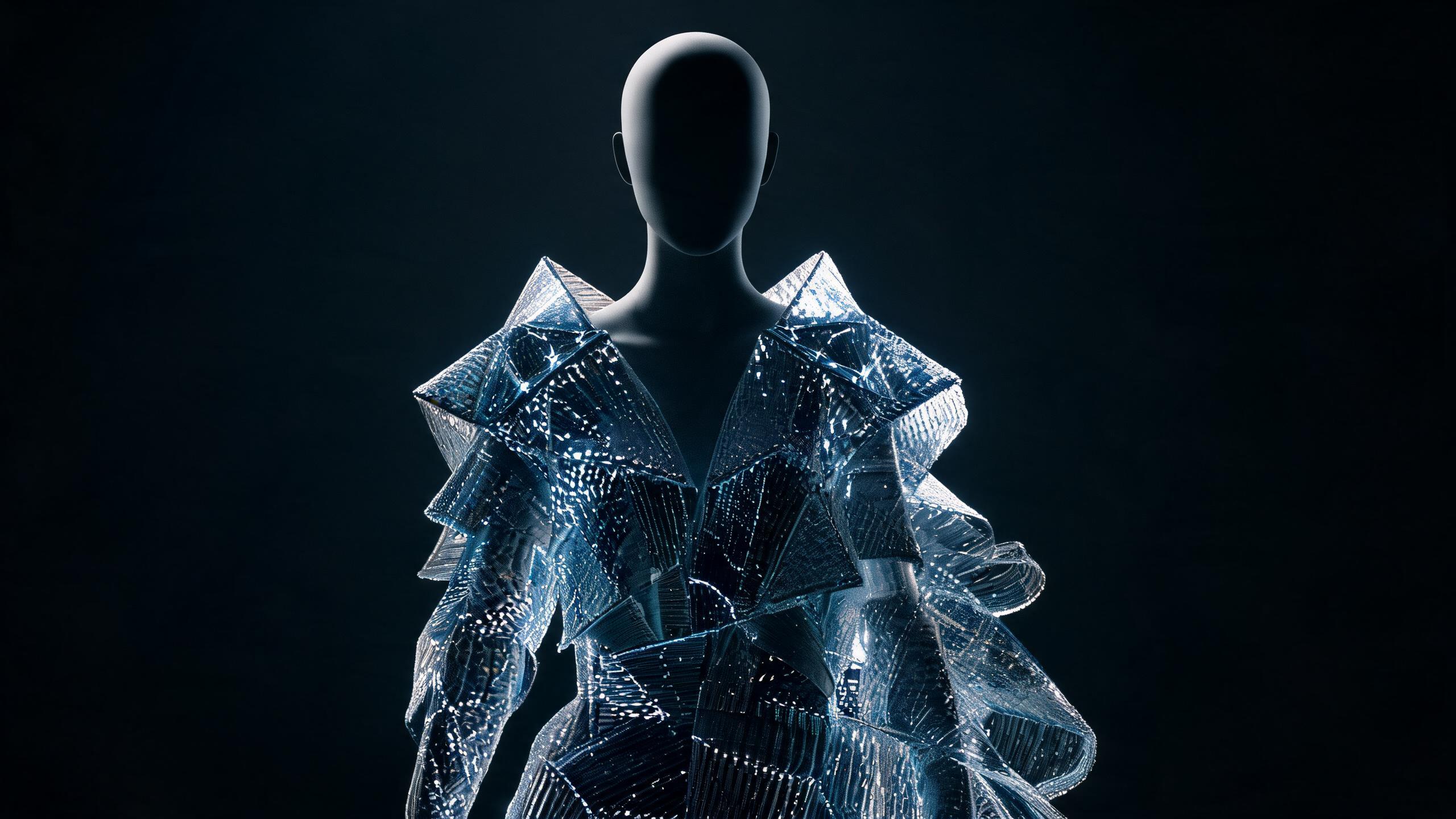
Silhouettes in 2026 are defined by cubic volume rather than traditional tailoring lines. Analyzing these shifts requires computer vision tools that can calculate the ratio of fabric surface area to the human form. For Fall 2026, data suggests a departure from the "oversized" trend toward "structured inflation," where garments maintain rigid, architectural shapes regardless of movement.
Analysts should measure the "Apex of Volume"—the point on the body where the garment reaches its maximum width. In previous seasons, this was often the shoulder or the hip. Fall 2026 data shows a downward migration of this apex toward the mid-thigh and ankle. When performing a top fall 2026 runway data analysis, map these coordinates across designers like Balenciaga and Rick Owens to identify the standard deviation in volume.
Methodology for Volume Analysis:
- Extract 3D Point Clouds: Use runway footage to generate a point cloud of the garment.
- Calculate Fabric-to-Skin Ratio: Determine how much "air" is being sold as part of the silhouette.
- Identify Structural Nodes: Locate the internal scaffolding (boning, heavy interfacings) that allows these shapes to persist.
The Impact of Structural Inflation
This isn't just a stylistic choice; it represents a shift in manufacturing. The rise of 3D-knitted structures allows for garments that hold volume without the weight of traditional padding. Analyzing this data helps retailers predict which production methods will dominate the supply chain in the coming 24 months.
Why Should You Map Aesthetic Velocity in Footwear?
Footwear is the fastest-moving data category in fashion intelligence. The speed at which a runway concept reaches the secondary market is a primary indicator of its commercial viability. For Fall 2026, the data indicates a convergence of high-performance tech and luxury "clunkiness."
A prime example is the shift toward the "bubble sneaker" aesthetic. By forecasting chic: mastering Miu Miu’s Fall 2026 bubble sneaker aesthetic, analysts can see how Miu Miu has weaponized exaggerated proportions to drive digital engagement. The "velocity" here is measured by the time elapsed between the first runway leak and the first 10,000 mentions on decentralized social platforms.
Key Metrics for Footwear Velocity:
- Leak-to-Search Latency: The number of days until a "blurred" runway photo generates a high-intent search query.
- Resale Premium Forecasting: Using early sentiment analysis to predict the markup on secondary platforms like StockX or GOAT.
- Material Scarcity Ratios: Evaluating if the sneaker uses proprietary materials that limit production, thereby driving "hype."
How Do You Use AI to Analyze Front Row Arrivals?
The front row is a lead indicator of market sentiment and future demographic targeting. Analyzing who sits where—and what they are wearing—provides a more accurate picture of a brand’s trajectory than the runway itself. This is particularly true for legacy houses like Chanel.
By understanding how to use AI to analyze the style of Chanel Fall 2026 front row arrivals, analysts can categorize the "influence weight" of different attendee clusters. Are the attendees primarily K-Pop idols, Silicon Valley executives, or archival collectors? Each group signals a different commercial direction for the brand.
According to Gartner (2024), 70% of fashion retailers will use generative AI for trend forecasting by 2026. These retailers aren't just looking at the clothes; they are looking at the people who validate the clothes. Data scraping of front-row images allows for the extraction of "off-runway" styling cues—how the brand’s core audience actually intends to wear the pieces in the wild.
What Does Beauty Acquisition Data Reveal About Fashion Trends?
The beauty industry’s M&A activity is a precursor to aesthetic shifts in luxury fashion. When a major conglomerate acquires a "clean girl" skincare brand or a "maximalist" fragrance house, it signals a broader shift in the "visual tone" that will eventually dominate the runway.
In the context of top fall 2026 runway data analysis, you must examine what 2026 beauty acquisition data insights mean for style tech. For example, a surge in "bio-tech" beauty investments correlates with the rise of "organic-synthetic" textures on the runway—fabrics that mimic cellular structures or change color based on skin temperature.
Cross-Vertical Data Correlation
Industry: Beauty Signal: Increased investment in hyper-pigmented, metallic pigments. Runway Correlation: Increased use of reflective, "liquid metal" fabrics in evening wear for 2026.
Industry: Skincare Signal: Focus on "barrier repair" and "shielding" ingredients. Runway Correlation: The rise of high-neck, protective, "survivalist" silhouettes in Fall 2026 outerwear.
👗 Want to see how these styles look on your body type? Try AlvinsClub's AI Stylist → — get personalized outfit recommendations in seconds.
How to Decipher Virtual-to-Physical Translation in Accessories?
The Fall 2026 season marks the first time that virtual design metrics have equal weight to physical sales data. Many designers are now prototyping in digital-first environments before committing to physical production. This "digital-twin" approach provides a wealth of data on consumer interaction before a single garment is sewn.
When looking at pixels and pumps: a style guide to Chanel’s Fall 2026 virtual runway shoes, we see the use of "impossible geometries"—shapes that can only exist in a digital render—being adapted for the physical world. Analyzing this transition involves measuring the "loss of detail" between the digital model and the physical product.
Data Points for Digital-Twin Analysis:
- Polygon Complexity: How many "points of interest" does the digital shoe have?
- Interaction Heatmaps: Where do users click or zoom when viewing the virtual accessory?
- Simulation Accuracy: Does the physical shoe behave like its digital counterpart in terms of light reflection and movement?
Why Is The "Mytheresa Effect" Critical for 2026 Curation?
Curation is the new creation. In a world of infinite choices, the "editor" becomes the most important data node. Analyzing the specific buy choices of retailers like Mytheresa offers a filtered view of what will actually enter the wardrobe of the 1%.
Learning how to master the 2026 aesthetic: a Max Parker Mytheresa analysis allows you to see the "Selection Bias" of high-end retail. If a major buyer ignores 40% of a collection, that 40% is effectively dead, regardless of its critical acclaim. Top fall 2026 runway data analysis must include "Buy-to-Show Ratios"—the percentage of runway looks that actually make it to a retail platform.
| Metric | Traditional Forecasting | AI-Native Analysis |
| Source Data | Magazine editorials / Street style | RAW image data / Pricing APIs |
| Logic | "I feel like red is coming back." | "Red saturation increased 14% across 80% of shows." |
| Speed | 6-month cycle | Real-time stream |
| Accuracy | Subjective / High error rate | Quantifiable / Probabilistic |
How to Conduct Chroma-Mapping and Neural Latency Tests?
Color analysis in 2026 is about more than just identifying "seasonal shades." It is about measuring the "Neural Latency"—the time it takes for a color to trigger a specific emotional or physiological response in a viewer.
Top fall 2026 runway data analysis uses spectrometers to extract precise hex codes from runway lighting environments. We are seeing a trend toward "Chroma-Clashing," where colors that traditionally sit at opposite ends of the frequency spectrum are paired to create visual "vibration."
Chroma-Mapping Steps:
- Isolate Base Tones: Identify the "Workhorse" colors (greys, tans, navy) that provide the foundation for 70% of the collection.
- Calculate "Accent Frequency": How often does a "Shock" color (e.g., Neon Sulfur) appear?
- Lighting Correction: Use AI to strip away the runway lighting (often yellow or blue-tinted) to find the "True SKU" color.
What is the "Utility Ratio" in Fall 2026 Outerwear?
The consumer is no longer interested in pure aesthetic; they demand utility data. Fall 2026 data shows a massive spike in "Technical Pockets," "Thermal Regulation Ratios," and "Water-Repellency Ratings" integrated into luxury coats.
To analyze this, you must calculate the "Utility-to-Aesthetic Ratio." A garment with 10 pockets but a fragile silk exterior has a high aesthetic-utility mismatch. A garment with 2 pockets and a Gore-Tex membrane has a high utility-to-aesthetic alignment. According to BoF (2025), high-growth brands are investing 4.5% more in data-centric merchandising over traditional creative-only roles. This shift is driven by the need to prove the "performance" of luxury goods.
Fall 2026 Outfit Formula: The Utility-Technical Model
- Top: Structured pixel-weave blazer with internal haptic-feedback sensors.
- Bottom: Asymmetric volumetric cargo pants in a "memory-shape" nylon.
- Shoes: Miu Miu bubble sneakers with integrated compression lacing.
- Accessories: Transparent tech-eyewear with real-time chroma-correction lenses.
Do vs. Don't: Fall 2026 Runway Data Analysis
| Feature | Do This | Don't Do This |
| Color | Use precise hex-code clusters and frequency maps. | Use subjective names like "Moody Blue" or "Sunset Orange." |
| Silhouette | Measure cubic volume and Apex of Volume coordinates. | Describe garments as "loose" or "tight." |
| Influence | Track cross-platform demographic engagement with front-row talent. | Rely on the designer's personal fame as a success metric. |
| Materials | Analyze synthetic-to-natural ratios and bio-tech integration. | Group all fabrics into "luxury" or "mass-market" categories. |
Summary of Fall 2026 Runway Analysis Tips
| Tip | Best For | Effort |
| Quantify Volume | Product Developers | High |
| Map Footwear Velocity | Inventory Managers | Medium |
| Front Row AI Analysis | PR and Marketing Teams | Medium |
| Beauty Signal Tracking | Brand Strategists | Low |
| Virtual-to-Physical Analysis | Digital Fashion Designers | High |
| Curation Ratio Modeling | Retail Buyers | Medium |
| Chroma-Mapping | Creative Directors | Medium |
| Utility Ratio Testing | Merchandisers | High |
The failure of modern fashion commerce is the reliance on the "static snapshot." A runway show happens once, but the data it generates is a living model that evolves as it interacts with the market. Top fall 2026 runway data analysis requires infrastructure that doesn't just see the clothes, but understands the system that produced them.
Does your current data model predict the next shift, or does it merely react to it?
AlvinsClub uses AI to build your personal style model. Every outfit recommendation learns from you. Try AlvinsClub →
Summary
- The top fall 2026 runway data analysis leverages computational models to track volumetric shifts and material science, moving fashion forecasting toward "aesthetic intelligence."
- Implementing the top fall 2026 runway data analysis requires computer vision tools to calculate fabric surface area ratios as silhouettes transition from "oversized" to "structured inflation."
- According to McKinsey (2025), deep data analysis of runway trends for AI-driven personalization can increase fashion retail conversion rates by 15-20%.
- The Fall 2026 fashion landscape is characterized by hyper-niche aesthetics and the integration of rapid technological advancements into garment construction.
- Modern runway analysis focuses on mapping demographic clustering and manufacturing capabilities to align high-fashion collections with individual consumer taste profiles.
Frequently Asked Questions
What is the top fall 2026 runway data analysis?
The top fall 2026 runway data analysis involves the quantitative mapping of aesthetic evolution through structured data points rather than subjective observation. This process transforms runway looks into measurable metrics to identify emerging trends with mathematical precision.
How does top fall 2026 runway data analysis improve trend forecasting?
The top fall 2026 runway data analysis improves accuracy by replacing traditional guesswork with objective insights derived from manufacturing capabilities and consumer behavior patterns. Analysts use these datasets to minimize inventory risks and ensure that collections align with actual market demand.
Why is top fall 2026 runway data analysis replacing creative intuition?
The top fall 2026 runway data analysis is becoming the industry standard because the modern fashion market requires aesthetic intelligence over simple creative impulses. Data-driven insights allow brands to navigate a complex global supply chain while maintaining a consistent and profitable design direction.
What tools are used for runway data mapping?
Fashion houses utilize advanced image recognition software and machine learning algorithms to categorize garments by color, fabric, and silhouette. These technological tools convert visual runway elements into structured data that can be analyzed for long-term growth trends.
How do designers use aesthetic intelligence in 2026?
Designers apply aesthetic intelligence by integrating quantitative data into their creative workflows to balance innovation with commercial viability. This approach ensures that artistic expressions are supported by evidence of what consumers are actually prepared to purchase.
Can data analysis predict consumer behavior for fall 2026?
Runway data analysis predicts future buying habits by tracking the transition of high-fashion concepts into mass-market manufacturing trends. By analyzing the frequency and evolution of specific design elements, brands can anticipate which styles will dominate the retail landscape.
This article is part of AlvinsClub's AI Fashion Intelligence series.
Related Articles
- Pixels and Pumps: A Style Guide to Chanel’s Fall 2026 Virtual Runway Shoes
- Forecasting Chic: Mastering Miu Miu’s Fall 2026 Bubble Sneaker Aesthetic
- How to use AI to analyze the style of Chanel Fall 2026 front row arrivals
- How to Master the 2026 Aesthetic: A Max Parker Mytheresa Analysis
- What 2026 beauty acquisition data insights mean for style tech