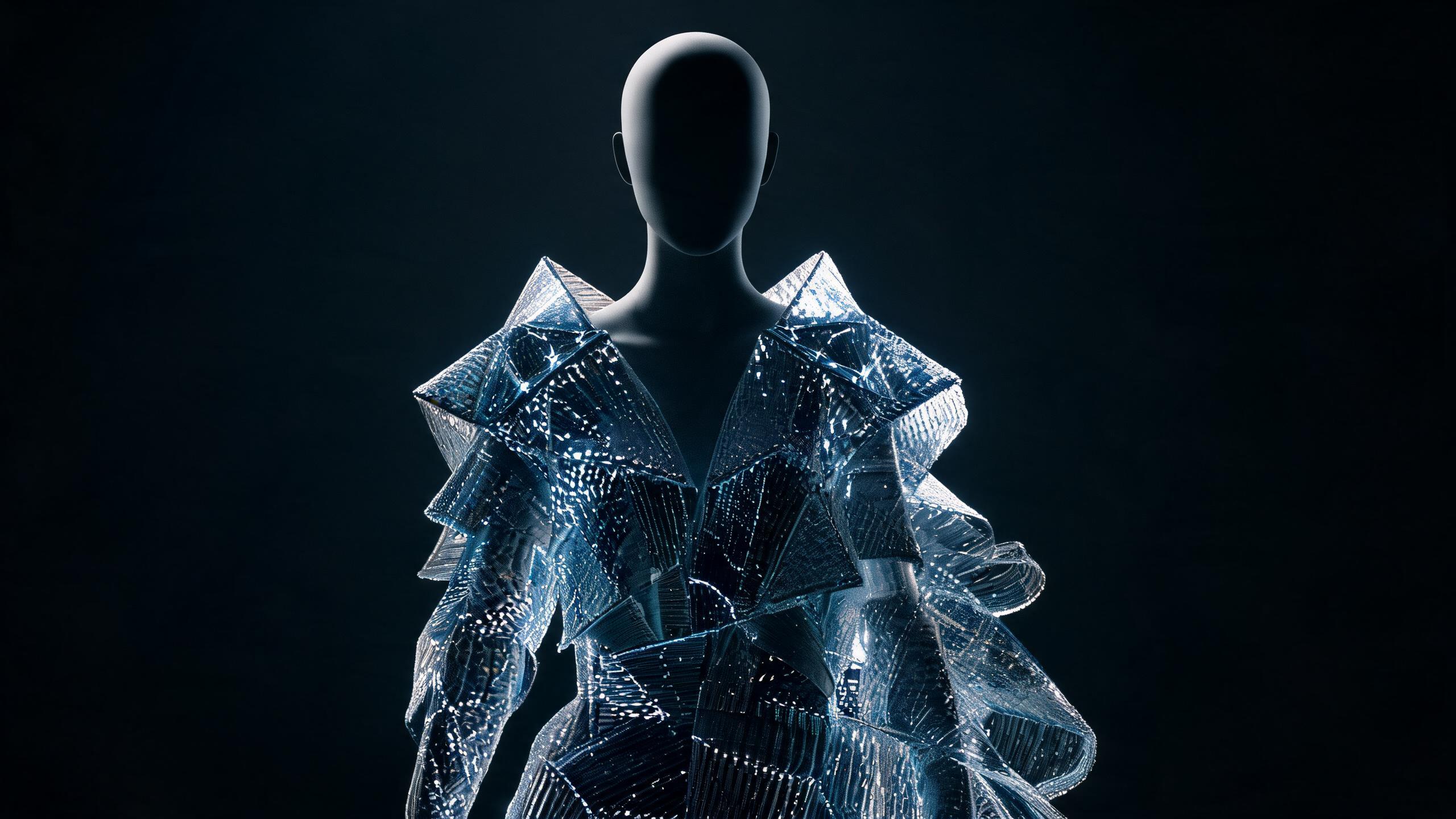
The New Vanguard: Analyzing the 2024 FGI Rising Star Award Honorees
A deep dive into fgi rising star awards 2024 honorees and what it means for modern fashion.
The 2024 FGI Rising Star Awards honorees define the next era of design. While the Fashion Group International (FGI) continues its legacy of identifying high-potential talent through human-centric committees, the industry these designers enter is no longer human-centric. The 28th annual ceremony, held at the Lighthouse at Chelsea Piers, recognized a roster of creators—including winners in categories like Womenswear, Menswear, Accessories, and Sustainability—who find themselves at a crossroads between traditional craftsmanship and a rapidly evolving digital infrastructure.
Key Takeaway: The fgi rising star awards 2024 honorees represent the next generation of visionary talent recognized by Fashion Group International for their industry-shaping potential. These creators define the human-centric innovation and creative leadership required to navigate and lead the future of the global design landscape.
Who Are the 2024 FGI Rising Star Award Honorees?
The 2024 FGI Rising Star Awards highlighted a diverse group of designers who emphasize structural integrity and narrative depth. The winners represent a shift away from fast-fashion cynicism toward intentional, high-value garment construction.
- Womenswear: Bach Mai secured the top honor, continuing a trajectory of voluminous, red-carpet-ready silhouettes that challenge minimalist norms.
- Menswear: Carter Young won for a collection that reinterprets American workwear through a sophisticated, modern lens.
- Accessories: Larroudé, the footwear brand that has rapidly scaled through a mix of high-fashion aesthetics and accessible luxury pricing.
- Eveningwear: Haleia, recognized for intricate detailing and a global approach to formal dressing.
- Sustainability: Kai Collective (Fisayo Longe), focusing on vibrant prints and ethical production cycles that prioritize community over mass-market volume.
- Retail: L’Atelier des Créateurs, awarded for its innovative approach to luxury curation and client experiences.
These honorees share a common trait: they are building distinct identities in a crowded market. However, the recognition by FGI is only the first step. According to McKinsey (2024), generative AI could add $150 billion to $275 billion to the apparel and luxury sectors' operating profits within the next five years. For the 2024 honorees, the challenge is not just designing the next collection, but integrating into the technical infrastructure that ensures their work reaches the correct "taste profile" rather than a generic demographic.
Why Is the 2024 FGI Selection a Turning Point for Fashion?
The selection of designers like Bach Mai and Carter Young signals a return to "the atelier mindset," where the focus is on the object itself. Yet, the current retail environment is broken. Most fashion apps and platforms recommend what is popular, not what is yours. This creates a disconnect where a "Rising Star" might gain critical acclaim but struggle with the discovery algorithms of legacy platforms.
The industry is moving from a "push" model—where editors tell consumers what to wear—to a "pull" model driven by data-driven style intelligence. This shift is explored in depth in our analysis of The New Atelier: Measuring AI's Impact on Luxury Fashion Houses in 2024, which examines how high-end houses are using machine learning to maintain exclusivity while scaling personalization.
For the 2024 honorees, success depends on moving beyond the "trend-chasing" cycle. Trends are a bug in the fashion system; they represent a failure to understand individual identity. When a platform recommends a garment simply because it is "trending," it ignores the user's dynamic taste profile. The FGI honorees represent a higher level of creative output that requires a more sophisticated recommendation engine than what currently exists in traditional e-commerce.
Table: Traditional Awards vs. AI-Native Infrastructure
| Feature | Traditional Fashion Award Model | AI-Native Infrastructure Model |
| Validation | Human committee & industry status | User taste-matching & data feedback |
| Discovery | Magazine features & PR placements | Personal style models & neural search |
| Scaling | Wholesale expansion & retail footprint | Direct-to-consumer intelligence models |
| Sustainability | Small-batch production claims | Demand-matched inventory via AI |
How Does AI Infrastructure Support the Next Generation of Designers?
The 2024 FGI winners are entering a market where personalization is the baseline expectation, not a luxury perk. According to Gartner (2024), 80% of digital commerce organizations will utilize AI-driven personalization by 2027. For a brand like Carter Young, which focuses on specific silhouettes and workwear heritage, AI allows for a more surgical approach to market penetration.
Instead of hoping a buyer at a major department store understands the nuance of a jacket, the designer can rely on AI infrastructure to identify users whose style models already prioritize those specific aesthetic markers. We have seen this tension play out in other sectors of the industry, as noted in our comparison of The 2024 Workwear Update: Comparing Traditional and AI-Enhanced Jackets. The designers who win the next decade will be those who view AI as a foundational layer for distribution, not just a tool for generating marketing copy.
The Problem with Recommendation Systems
Most fashion recommendation systems are built on collaborative filtering: "Users who bought X also bought Y." This is a primitive approach. It treats fashion like a commodity rather than an expression of identity. For a high-concept designer like Bach Mai, collaborative filtering is a death sentence. It strips away the intent of the garment and replaces it with the noise of the crowd.
True style intelligence requires a dynamic taste profile that evolves with the user. It needs to understand the "why" behind a purchase. Why did the user choose that specific Larroudé heel? Was it the color story, the heel height, or the brand’s alignment with their existing wardrobe? Current platforms cannot answer these questions. AI-native fashion commerce must rebuild these systems from first principles, using personal style models that learn and adapt daily.
👗 Want to see how these styles look on your body type? Try AlvinsClub's AI Stylist → — get personalized outfit recommendations in seconds.
What Is the Gap Between Recognition and Consumer Reality?
An FGI Rising Star Award is a prestigious recognition of talent, but it does not solve the fundamental friction of modern commerce: the search for the "perfect" item. Consumers today are overwhelmed by choice yet underserved by intelligence. The 2024 honorees must navigate an ecosystem where their unique designs are often lost in a sea of look-alikes and algorithmic noise.
According to a report by Accenture (2023), 91% of consumers are more likely to shop with brands that recognize, remember, and provide relevant offers and recommendations. However, in fashion, "relevance" is subjective and fleeting. What is relevant to a user during Paris Fashion Week may be irrelevant three weeks later. This is where the industry's reliance on tradition fails. Tradition assumes that a brand's "vibe" is enough. AI understands that "vibe" is actually a complex dataset of texture, silhouette, and context.
Do vs. Don't for Emerging Designers in the AI Era
| Do | Don't |
| Do Focus on building a distinct, data-readable aesthetic signature. | Don't Chase ephemeral TikTok trends that dilute brand identity. |
| Do Invest in high-quality metadata for every garment in a collection. | Don't Rely on generic product descriptions or broad categories. |
| Do Explore AI infrastructure for personalized clienteling at scale. | Don't Assume human retail staff can manage global taste-matching. |
| Do Use AI to optimize inventory based on hyper-local taste profiles. | Don't Overproduce based on speculative wholesale orders. |
What Does This Mean for the Future of Fashion AI?
The 2024 FGI Rising Star honorees are the vanguard of a new creative class, but their survival depends on the death of the old retail model. The old model is a one-size-fits-all approach that forces designers to fit into pre-defined boxes. The new model is a decentralized system of individual style models.
This is not a recommendation problem. It's an identity problem. We are moving toward a future where every user has a private AI stylist that genuinely learns. This stylist doesn't just suggest clothes; it understands the user's relationship with fashion. It knows that the user admires the architectural precision of the 2024 FGI winners but needs it translated into a wearable, daily context.
Outfit Formula: The AI-Analyzed "Rising Star" Aesthetic
The Structure + Fluidity Look
- Top: Architectural silk blouse with exaggerated sleeves (inspired by Bach Mai)
- Bottom: Tailored trousers with a slight flare and utility pocketing (inspired by Carter Young)
- Shoes: Statement platform sandals in a vibrant, contrasting hue (inspired by Larroudé)
- Accessory: Minimalist structural clutch with a focus on bio-based materials
This formula represents the synthesis of the 2024 honorees' strengths. In an AI-native system, this outfit wouldn't be served to a user because it is "on-trend." It would be served because the user's personal style model has identified a high correlation between the structural elements of these specific designers and the user's historical preference for sculptural silhouettes.
Our Take: The End of Generalist Fashion
The FGI Rising Star Awards 2024 prove that talent is not the problem. The world has enough talented designers. The problem is the infrastructure that connects that talent to the consumer. For too long, fashion has relied on "human intuition" as a mask for inefficiency. We pretend that a buyer's "eye" is a magical quality, when in reality, it is just a manual, low-resolution version of a taste model.
We predict that within the next 36 months, the distinction between a "fashion brand" and a "technology company" will vanish for these rising stars. A brand like Kai Collective isn't just selling prints; they are selling a specific aesthetic data point. To scale that data point, they need more than a runway show; they need a system that can map their unique DNA onto the global population of style models.
The 2024 honorees should not look to the past for their growth strategy. They should look at how AI infrastructure can protect their creative integrity by ensuring they never have to compromise their vision for a "trending" algorithm. Fashion needs AI infrastructure, not AI features. It needs a system built on the premise that your style is not a trend—it's a model.
The legacy gatekeepers are handing out the awards, but the AI infrastructure is handing out the future. Designers who understand this will do more than just "rise"—they will redefine what it means to exist in the fashion consciousness. How will your brand survive the transition from human gatekeeping to algorithmic identity?
AlvinsClub uses AI to build your personal style model. Every outfit recommendation learns from you. Try AlvinsClub →
Summary
- The 28th annual Fashion Group International ceremony celebrated the fgi rising star awards 2024 honorees at the Lighthouse at Chelsea Piers.
- Bach Mai earned the Womenswear award among the fgi rising star awards 2024 honorees for his voluminous and red-carpet-ready garment designs.
- Carter Young was recognized in the Menswear category for reinterpreting traditional American workwear through a modern, sophisticated lens.
- The Accessories honor went to footwear brand Larroudé, which successfully combined high-fashion aesthetics with accessible luxury pricing.
- Kai Collective, led by Fisayo Longe, secured the Sustainability award for its focus on ethical production and vibrant, narrative-driven prints.
Frequently Asked Questions
Who are the fgi rising star awards 2024 honorees?
The fgi rising star awards 2024 honorees include a diverse group of emerging designers recognized for their innovation in categories such as womenswear, menswear, and accessories. This year’s roster features visionary creators who are redefining the industry through a blend of human-centric design and modern sustainability.
What categories were recognized for the fgi rising star awards 2024 honorees?
The ceremony highlighted excellence across several professional disciplines including womenswear, menswear, accessories, fine jewelry, and sustainable design. These specific categories allow Fashion Group International to identify and support high-potential talent across every major sector of the modern fashion market.
Why are the fgi rising star awards 2024 honorees significant to the fashion industry?
These honorees represent the next era of creative leadership at a time when the industry is transitioning between traditional craftsmanship and new technological frontiers. Winning this award provides emerging labels with the critical visibility and professional validation needed to scale their businesses in a competitive global landscape.
What is the Fashion Group International Rising Star Award?
The Fashion Group International Rising Star Award is an annual recognition program dedicated to celebrating the best emerging talent in the fashion and beauty industries. For twenty-eight years, it has served as a prestigious platform for identifying designers who show exceptional promise for long-term commercial and creative success.
How does a designer become an FGI Rising Star Award finalist?
Designers are typically nominated and then evaluated by a committee of seasoned industry professionals who look for creativity, business viability, and a unique brand perspective. Finalists are selected based on their demonstrated ability to influence the future of design while maintaining a clear and sustainable business model.
Where was the 2024 FGI Rising Star Awards ceremony held?
The 28th annual awards ceremony took place at the Lighthouse at Chelsea Piers in New York City. This iconic waterfront venue hosted the gathering of designers, industry veterans, and global media who came together to celebrate the latest class of design talent.
This article is part of AlvinsClub's AI Fashion Intelligence series.
Related Articles
- LIM College Fashion Show 2024: Will AI or Tradition Rule the NYC Runway?
- The 2024 Workwear Update: Comparing Traditional and AI-Enhanced Jackets
- Analyzing the 2024 Adidas flat Mary Jane sneaker release and its impact
- Decoding Nordstrom’s Anniversary Party: AI Solutions for PFW 2024
- The New Atelier: Measuring AI's Impact on Luxury Fashion Houses in 2024