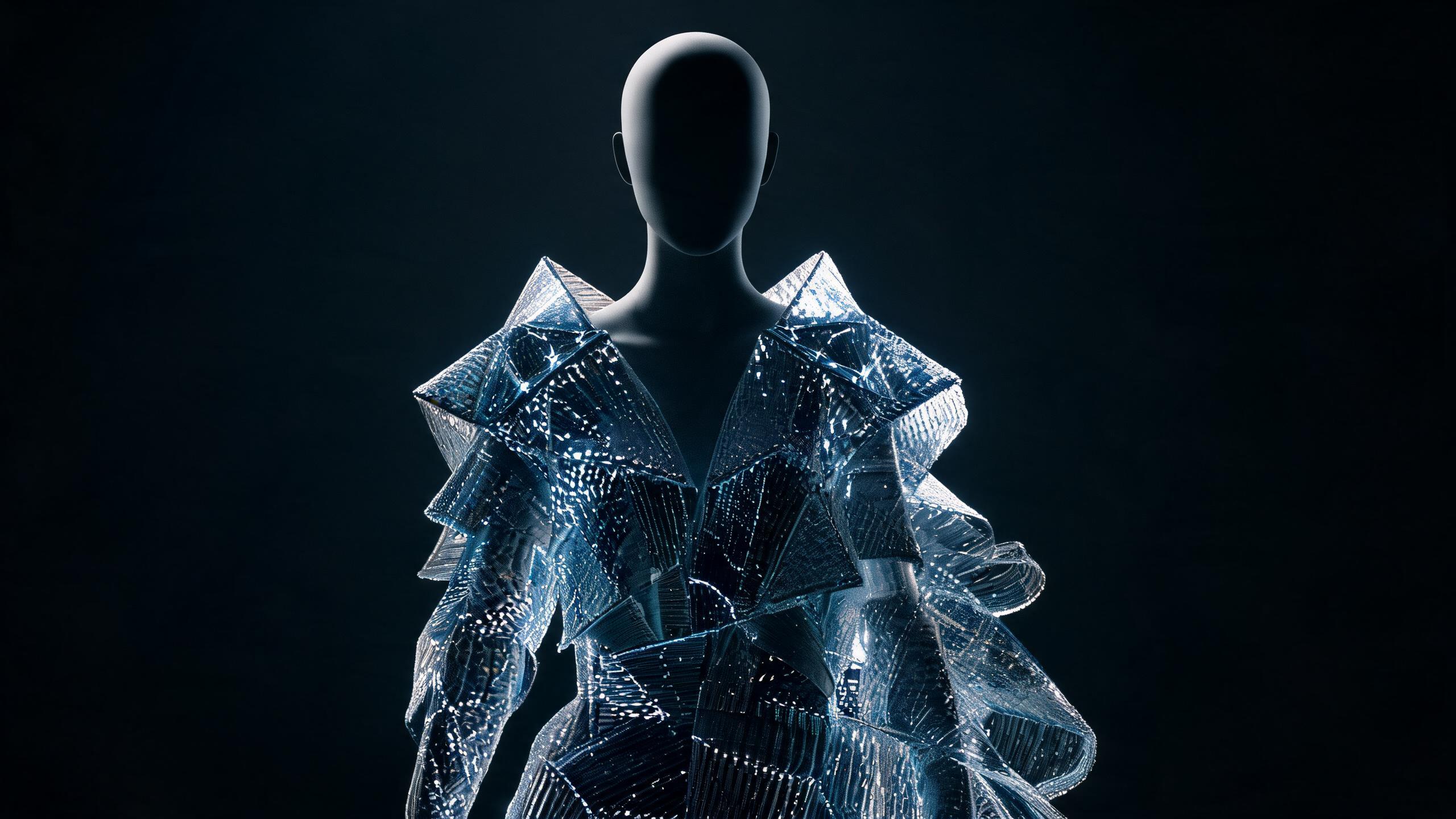
The 2024 Workwear Update: Comparing Traditional and AI-Enhanced Jackets

A deep dive into trending workwear jackets for 2024 and what it means for modern fashion.
Trending workwear jackets for 2024 are modular assets designed to integrate with a dynamic personal style model rather than static seasonal uniforms. While the industry relies on mass-market "best seller" lists, true style intelligence requires a shift from passive consumption to active architectural planning of one's wardrobe.
Key Takeaway: Traditional selection relies on generic mass-market lists, while AI-enhanced discovery utilizes data-driven style intelligence to curate trending workwear jackets for 2024. This evolution moves away from static seasonal uniforms toward modular wardrobe assets that prioritize personalized, architectural planning.
How Does Traditional Selection Compare to AI-Enhanced Discovery?
Traditional selection relies on manual curation, social proof, and rudimentary search filters. In this model, you are the processor. You browse thousands of images, cross-reference them with your existing closet from memory, and hope the "trending workwear jackets for 2024" you see on a screen translate to your physical reality. This is a high-friction, low-accuracy process. It treats fashion as a series of isolated transactions rather than a continuous system of style.
AI-enhanced discovery operates on the principle of the personal style model. Instead of showing you what is popular with everyone, the system identifies what is relevant to you. This is not a recommendation engine; it is a taste profile. By analyzing your aesthetic preferences, body data, and functional requirements, the system filters the noise of the market to present only the jackets that maintain the integrity of your wardrobe.
According to McKinsey (2023), personalization in retail can lead to a 10-15% increase in revenue for companies that successfully deploy AI-driven recommendation systems. For the consumer, this translates to a massive reduction in "buyer's remorse" and a significantly higher utility-per-item ratio. The gap between these two approaches is the difference between guessing and knowing.
| Feature | Traditional Selection | AI-Enhanced Selection |
|---|---|---|
| Discovery Basis | Global popularity and SEO keywords | Individual taste profile and style model |
| Search Friction | High: requires hours of manual browsing | Low: results are pre-filtered by relevance |
| Wardrobe Integration | Manual: you must remember what you own | Automated: matches with existing digital closet |
| Trend Accuracy | Lagging: based on what has already sold | Predictive: based on evolving style vectors |
| Fit Confidence | Low: relies on generic size charts | High: calibrated against personal body data |
Why Is the Traditional Model of Finding Workwear Jackets Broken?
The traditional model assumes that your style is a subset of a trend. It forces you to navigate categories like "blazers" or "trench coats" without accounting for the nuance of your daily life. When you search for trending workwear jackets for 2024, you are met with a wall of noise. You see what influencers are paid to wear or what brands have the highest marketing spend. This is not personalization; it is mass-market broadcast.
The failure of the traditional approach is most evident in the "return cycle." Consumers often buy a jacket because it looks good on a model, only to find it clashes with their existing trousers or doesn't suit their body type. This is because traditional commerce lacks context. It sees the jacket as a standalone SKU (Stock Keeping Unit) rather than a component of an outfit.
Furthermore, traditional browsing is time-consuming. The average professional spends hours every month filtering through websites. This manual labor is a relic of the pre-AI era. In a world of infinite SKU availability, the human brain is an inefficient filter. We need infrastructure that understands the difference between a "navy blazer" and the "specific navy blazer that fits your style model."
How Does AI-Enhanced Selection Build a Personal Style Model?
AI-enhanced selection treats fashion as data. Every garment has attributes: texture, silhouette, weight, color temperature, and cultural context. When these attributes are mapped against a user's dynamic taste profile, the system can predict the success of a purchase before the transaction occurs. This is how we move beyond the superficiality of how AI is reinventing personalized workwear outfit ideas for women.
An AI stylist doesn't just "look" at a jacket. It calculates the compatibility score between that jacket and your existing wardrobe. If you are a curvy woman looking for a jacket to pair with specific bottoms, the AI understands the proportions needed to avoid bulk, much like the strategies found in the curvy woman’s guide to styling pleated trousers without added bulk.
Key Terms in AI Fashion Infrastructure:
- Style Model: A multi-dimensional digital representation of a user's aesthetic preferences.
- Taste Profiling: The process of weighting garment attributes to determine individual relevance.
- Predictive Utility: The calculated likelihood that a garment will be worn frequently based on past behavior.
- Style Vector: The mathematical direction of a user's evolving taste.
👗 Want to see how these styles look on your body type? Try AlvinsClub's AI Stylist → — get personalized outfit recommendations in seconds.
What Are the Trending Workwear Jackets for 2024?
The trending workwear jackets for 2024 focus on "utility-formalism"—pieces that bridge the gap between technical performance and professional aesthetics. We are seeing a move away from the "soft-power" blazer toward more structured, durable silhouettes that command presence through texture and construction rather than just traditional tailoring.
The 2024 Workwear Jacket Archetypes:
- The Cropped Utility Chore Coat: A refined version of the traditional French work jacket. It offers a structured silhouette that works across various body types. It is particularly effective for those who want to define their waistline without the formality of a blazer.
- The Technical Oversized Blazer: Utilizing high-performance fabrics that resist wrinkling and moisture. This is for the professional who travels or commutes. It maintains a sharp look while offering the comfort of athletic wear.
- The Sculpted Belted Safari Jacket: This piece introduces a military-inspired structure to the office. The belt allows for manual adjustment of the silhouette, making it a highly versatile tool for different outfit layers.
- The Minimalist Collarless Jacket: A focus on clean lines and architectural simplicity. This is the ultimate "blank canvas" piece for a capsule wardrobe.
According to Statista (2024), the global apparel market is projected to reach a value of $1.79 trillion by the end of the year. Within this massive market, the workwear segment is increasingly defined by "hybrid" garments that serve multiple purposes. The consumer is no longer looking for a "work jacket"; they are looking for a "life jacket" that they happen to wear to work.
Do vs. Don't: Selecting Workwear Jackets in 2024
| Aspect | The "Do" Approach (AI-Informed) | The "Don't" Approach (Trend-Chasing) |
|---|---|---|
| Fit | Select based on 3D body measurements and silhouette modeling. | Buy based on "true to size" reviews from strangers. |
| Color | Use palette analysis to ensure harmony with your existing 10 most-worn items. | Buy a "trending" color that clashes with your skin tone or closet. |
| Material | Prioritize technical blends that offer longevity and climate regulation. | Choose fast-fashion synthetics that lose shape after three wears. |
| Utility | Ensure the jacket has functional pockets and movement ease for your specific job. | Sacrfice function for a "look" that feels restrictive during an 8-hour day. |
How Does AI Predict Wardrobe Longevity?
The greatest waste in fashion is the "one-wear" item. Traditional retail thrives on this waste. AI infrastructure, however, is built to solve the identity problem. By analyzing the "Style Vector" of a user, AI can predict if a trending workwear jacket for 2024 will still be relevant to that user in 2026.
This is the shift from "buying clothes" to "building a system." When the AI identifies a jacket, it isn't just looking at the garment; it's looking at the math. How many combinations can this jacket form? Does it fill a gap in the texture profile of the current wardrobe? Does it align with the user's trajectory?
For those looking ahead, understanding how these systems work is critical. It is the same logic used when stop guessing: how AI is decoding summer 2026 fashion trends. We are moving away from seasonal "drops" and toward a continuous stream of intelligent acquisitions.
The Outfit Formula: The 2024 Professional Silhouette
To maximize the utility of trending workwear jackets for 2024, one must understand the structural formula of a modern professional outfit. The jacket is the anchor, but the supporting pieces define the intent.
The "High-Performance Professional" Formula:
- Top: A high-gauge knit or a crisp, oversized poplin shirt.
- Bottom: Wide-leg wool trousers or high-rise straight denim (for business casual).
- Jacket: The Technical Oversized Blazer or Cropped Chore Coat.
- Shoes: A pointed-toe slingback or a structured leather loafer.
- Accessory: A geometric leather tote and a functional, minimalist timepiece.
This formula works because it balances volume. If the jacket is oversized, the trousers should have a clean line. If the jacket is cropped, the trousers can handle more weight and volume. AI styling tools excel at calculating these proportional balances instantly, eliminating the trial-and-error phase of getting dressed.
Why Fashion Needs AI Infrastructure, Not Just AI Features
Many brands are slapping "AI chat" onto their websites. This is a feature, not infrastructure. A chatbot that helps you find a "red jacket" is just a glorified search bar. True AI infrastructure, like what we are building, creates a persistent style model that grows with you.
In the traditional model, every time you visit a store, you start from zero. The store doesn't know you. It doesn't know what's in your closet. It doesn't know that you hate polyester or that you find double-breasted jackets too restrictive. You are a stranger every time.
AI-enhanced commerce reverses this. The system knows your history, your body, and your taste. It acts as a shield against bad trends and a spotlight for high-utility pieces. This is why traditional vs. AI styling: which creates a better look for the gym? is such a vital comparison—the logic applies to every category of your life, from the weight room to the boardroom.
Final Verdict: Which Approach Should You Use for 2024?
The traditional approach to finding trending workwear jackets for 2024 is a path to a cluttered closet and a diluted personal brand. It is an expensive way to look like everyone else. While it may feel familiar, it is fundamentally inefficient and increasingly out of step with how we live and work.
The AI-enhanced approach is the only logical choice for the modern professional. It saves time, reduces waste, and ensures that every dollar spent on your wardrobe is an investment in your personal style model. By focusing on data-driven style intelligence, you stop chasing trends and start curating an identity.
The choice is simple: Do you want to spend your time filtering the market, or do you want the market to be filtered for you?
AlvinsClub uses AI to build your personal style model. Every outfit recommendation learns from you. Try AlvinsClub →
Summary
- Trending workwear jackets for 2024 are evolving from static seasonal uniforms into modular assets that integrate with an individual’s dynamic personal style model.
- Traditional selection processes rely on high-friction manual curation and social proof, which often results in isolated transactions rather than a cohesive wardrobe system.
- AI-enhanced discovery systems use individual taste profiles and body data to filter the noise of trending workwear jackets for 2024 for higher aesthetic accuracy.
- Modern wardrobe planning is shifting from passive consumption to an active architectural approach driven by personal aesthetic preferences and functional requirements.
- McKinsey reported in 2023 that retail personalization through AI-driven recommendation systems can lead to a 10% to 15% increase in revenue.
Frequently Asked Questions
What are the trending workwear jackets for 2024?
Trending workwear jackets for 2024 emphasize modularity and personal style over static seasonal uniforms. These pieces act as versatile assets that adapt to various professional environments through functional design and active architectural planning.
How does AI help in selecting trending workwear jackets for 2024?
AI-enhanced discovery uses advanced data analysis to move beyond basic search filters when identifying trending workwear jackets for 2024. This technology facilitates true style intelligence by suggesting specific pieces that align perfectly with an individual's unique wardrobe architecture.
Is it worth investing in trending workwear jackets for 2024?
Investing in trending workwear jackets for 2024 provides significant value when focusing on pieces designed for longevity and modular integration. These high-quality garments serve as foundational elements that maintain their relevance through shifting fashion cycles and varying professional needs.
What is the difference between traditional and AI-enhanced workwear selection?
Traditional selection relies on manual curation and social proof, whereas AI-enhanced discovery utilizes sophisticated algorithms to personalize style recommendations. This technological shift enables consumers to transition from passive consumption to active, data-driven wardrobe planning.
How do modular workwear jackets improve personal style?
Modular workwear jackets function as dynamic assets that can be customized and layered according to specific aesthetic preferences. This flexibility allows individuals to build a more cohesive and intentional wardrobe that transcends generic mass-market best-seller lists.
Why is wardrobe architectural planning better than passive consumption?
Wardrobe architectural planning focuses on the strategic acquisition of clothing rather than following fleeting trends or static seasonal uniforms. This intentional approach ensures that every garment serves a specific purpose, resulting in a more sustainable and highly personalized professional collection.
This article is part of AlvinsClub's AI Fashion Intelligence series.
Related Articles
- How AI is reinventing personalized workwear outfit ideas for women
- The Curvy Woman’s Guide to Styling Pleated Trousers Without Added Bulk
- Stop Guessing: How AI is Decoding Summer 2026 Fashion Trends
- The best AI tools for building a budget capsule wardrobe in 2026
- Traditional vs. AI styling: Which creates a better look for the gym?
A Practical 2024 Workwear Jacket Framework: Fit, Function, and AI-Assisted Buying
The most useful way to compare traditional and AI-enhanced jackets is not to ask which one looks more futuristic. The better question is whether the jacket solves the real demands of a working wardrobe: changing temperatures, commuting, movement, maintenance, layering, and repeated wear. For anyone researching trending workwear jackets for 2024, a structured evaluation can prevent an attractive purchase from becoming an expensive closet orphan.
Start With the Workday, Not the Product Listing
Before comparing fabrics or features, map the environments in which the jacket will be worn. A jacket for a construction site, creative studio, hybrid office, or bicycle commute may share a workwear silhouette but require entirely different specifications.
Create a simple use-case table:
| Workday condition | Traditional jacket priority | AI-enhanced buying opportunity |
|---|---|---|
| Outdoor commuting | Water resistance, hood, wind protection | Match weather data and commute habits |
| Office layering | Clean lines, low bulk, neutral color | Recommend combinations from existing clothing |
| Physical work | Reinforced panels, mobility, secure pockets | Filter by movement, durability, and task |
| Variable indoor temperatures | Breathable insulation, easy removal | Build a temperature-based layering plan |
| Frequent cleaning | Washability and colorfastness | Compare care requirements and cost per wear |
This distinction matters because a jacket can be fashionable yet operationally unsuitable. A heavy canvas chore coat may work well for cool outdoor tasks but become uncomfortable on a heated train. Conversely, a lightweight overshirt may layer elegantly in an office but provide inadequate protection in rain or wind.
Compare Jackets Using Measurable Criteria
Traditional shopping often emphasizes appearance first. AI-assisted discovery can be more useful when it converts vague preferences into measurable criteria. Score each jacket from one to five in the following categories:
- Fit and mobility: Can you raise your arms, sit comfortably, and add a sweater underneath?
- Weather protection: Does the fabric resist wind and light rain, or is it designed only for dry conditions?
- Pocket utility: Are pockets deep enough for a phone, keys, wallet, or tools? Do they close securely?
- Layering compatibility: Does the shoulder and sleeve design accommodate a shirt, knit, or thin vest?
- Durability: Are high-friction areas reinforced? Are zippers, snaps, and seams well finished?
- Care requirements: Can the jacket be machine washed, or does it require specialist cleaning?
- Versatility: Can it move between work, travel, and casual settings?
- Cost per wear: How often will it realistically be used over a year?
A jacket priced at $180 and worn 90 times has an estimated cost per wear of $2. A $90 jacket worn only 10 times costs $9 per wear. This calculation is especially valuable when comparing a conventional purchase with a more technically advanced garment.
Understand the Main 2024 Workwear Jacket Categories
Several jacket types dominate current workwear styling, but each serves a distinct purpose.
The chore jacket remains one of the most adaptable options. Its straight shape, patch pockets, and generally unstructured construction work over a T-shirt, Oxford shirt, or lightweight knit. Look for cotton twill, canvas, or a cotton-blend fabric when durability is more important than weatherproofing. A relaxed cut is useful for layering, but oversized proportions can appear untidy in a formal workplace.
The field jacket offers greater utility through multiple pockets, a longer body, and often a drawstring waist. It is appropriate for commuting and outdoor use, especially when the fabric includes a water-resistant finish. However, excessive pocket detail can add visual bulk, so balance it with simple trousers and restrained footwear.
The overshirt jacket is the lightest and most office-friendly choice. Usually made from brushed cotton, wool blends, denim, or technical fabric, it functions as an outer layer in mild weather and as a mid-layer under a coat. Choose a firm collar and clean placket if the goal is to create a polished appearance.
The insulated work jacket is designed for colder conditions. Quilted lining, synthetic fill, or wool insulation increases warmth, but also increases volume. Check whether the sleeves remain comfortable beneath a larger coat and whether the insulation compresses after washing.
The technical hybrid jacket combines workwear references with stretch panels, breathable fabrics, water resistance, or packable construction. These features can be valuable for travel and active commutes, but they should be assessed carefully. A fabric described as “technical” is not automatically more durable, comfortable, or sustainable.
Use AI to Build Complete Outfits, Not Just Individual Recommendations
The strongest advantage of AI-enhanced discovery is its ability to analyze relationships between garments. Instead of asking for a jacket that is “trending,” provide the system with practical wardrobe information:
- Existing jacket and coat colors
- Common trouser silhouettes
- Preferred footwear
- Workplace dress code
- Climate and commute method
- Desired level of formality
- Fit preferences and sizing history
- Laundry limitations
- Maximum budget
For example, a user who owns navy trousers, charcoal chinos, white shirts, and black leather shoes may gain more value from an olive or dark brown chore jacket than another navy layer. Someone with a wardrobe dominated by loose trousers may need a shorter, structured jacket to balance proportions. AI can identify these gaps faster than browsing generic recommendation pages.
Ask for outfit outputs rather than product names alone. Useful prompts include:
- “Create five office-to-commute outfits using a dark olive chore jacket.”
- “Compare this jacket with my existing navy raincoat and gray overshirt.”
- “Show which layers fit beneath this jacket at temperatures of 45, 55, and 65 degrees Fahrenheit.”
- “Recommend alternatives under $150 with similar pocket layout and a lower-maintenance fabric.”
The results should support judgment, not replace it. AI-generated images may distort color, texture, proportions, or fit. Always verify the manufacturer’s measurements, return policy, fabric composition, and care instructions.
Apply a Seven-Day Testing Protocol
Once a jacket arrives, evaluate it during normal activities rather than relying on a mirror check. Over seven days, test whether it:
- Allows unrestricted arm movement
- Remains comfortable while seated
- Works with the thickest intended mid-layer
- Keeps essential items accessible
- Handles the expected weather
- Produces uncomfortable heat or friction
- Complements at least three existing outfits
A practical benchmark is the three-outfit rule: do not keep a jacket unless it creates at least three clearly different outfits from clothing already owned. A second benchmark is the 30-wear forecast. If you cannot identify occasions for approximately 30 wears during the next year, the purchase may be driven more by novelty than by wardrobe utility.
Make the Final Choice With a Balanced Score
Traditional jackets often win on tactile appeal, repairability, and timeless construction. AI-enhanced jackets or AI-assisted recommendations may win on personalization, technical performance, and compatibility with a specific lifestyle. Neither category is automatically superior.
Use a weighted score based on actual priorities:
- Fit and comfort: 25%
- Function and weather protection: 20%
- Compatibility with existing clothes: 20%
- Durability and care: 15%
- Versatility: 10%
- Price and cost per wear: 10%
This framework turns trending workwear jackets for 2024 from a passive search term into a practical buying decision. The best jacket is not necessarily the most visible trend or the most technologically advanced design. It is the layer that performs reliably, integrates with the wardrobe already in use, and earns frequent wear across the real conditions of the working week.
Building a Practical 2024 Workwear Jacket System
The most useful way to evaluate trending workwear jackets for 2024 is to compare them as part of a working wardrobe rather than as isolated fashion products. A jacket may look current in a product photograph yet perform poorly if it does not suit the wearer’s commute, climate, dress code, storage needs, or existing clothing. Traditional selection and AI-enhanced discovery can both succeed, but they solve different parts of the decision-making process.
Traditional Jackets: Reliable, Visible, and Easy to Assess
Traditional workwear jackets remain valuable because their benefits are tangible. A chore coat, canvas utility jacket, field jacket, or classic bomber can be inspected in person for fabric density, stitching, pocket placement, hardware, and fit. This is especially important for people who work outdoors or carry equipment throughout the day.
For example:
- Canvas chore coats are practical for workshops, studios, and casual office settings. Their patch pockets provide visible storage, while a relaxed cut accommodates a sweater.
- Field jackets suit variable weather because multiple pockets and a slightly longer hem add protection and utility.
- Unstructured overshirts work well in creative workplaces where a formal blazer feels excessive but a T-shirt alone feels too casual.
- Insulated work jackets are better for commuting and outdoor tasks than lightweight fashion jackets, particularly when wind resistance and layering matter.
A traditional buying process is often strongest when durability is the priority. A shopper can check whether the seams are reinforced, whether the zipper catches, and whether the sleeves restrict movement. However, the process becomes inefficient when comparing dozens of nearly identical options online. Product descriptions may use terms such as “rugged,” “technical,” or “workwear-inspired” without explaining abrasion resistance, water repellency, or actual insulation performance.
AI-Enhanced Selection: Better Coordination and Fewer Duplicate Purchases
AI-enhanced discovery can add value by analyzing relationships between a jacket and the rest of a wardrobe. Instead of asking only whether a jacket is fashionable, an AI styling system can evaluate questions such as:
- Does the color coordinate with existing trousers and footwear?
- Can the jacket be worn over the user’s thickest mid-layer?
- Is the silhouette balanced with the wearer’s preferred proportions?
- Does the item duplicate a jacket already owned?
- Can it create multiple outfits for work, travel, and weekends?
Consider a shopper who already owns dark denim, olive chinos, white sneakers, black boots, and several neutral knitwear pieces. A traditional recommendation list may present another olive or black utility jacket because those colors are popular. A more useful AI-enhanced recommendation might identify a tobacco brown overshirt or deep navy chore coat as the missing layer. The result is not simply a more personalized purchase; it is a higher number of combinations from the same wardrobe.
A basic wardrobe audit can produce similar benefits without specialized software. Record each jacket’s color, weight, length, level of insulation, and formality. Then score potential purchases from one to five for:
- Outfit compatibility
- Weather coverage
- Workplace suitability
- Storage capacity
- Expected frequency of wear
A jacket that scores highly in only one category may be attractive but should not automatically become the next purchase. In contrast, a jacket scoring at least four in compatibility, weather coverage, and frequency of wear is more likely to justify its cost.
Use a Three-Layer Test Before Buying
One common mistake in workwear shopping is judging fit over a thin shirt in a fitting room. Workwear jackets are often designed for layering, so test them over the clothes you realistically wear.
Layer one: the base garment. Try the jacket over a T-shirt or lightweight shirt. Check shoulder width, collar position, and sleeve length.
Layer two: the work layer. Add the flannel, sweatshirt, cardigan, or fleece you would normally wear during cooler weather. Raise your arms, reach forward, and sit down. If the back pulls tightly or the cuffs ride above the wrist, the jacket may be too narrow.
Layer three: the outer-use scenario. Add a scarf, gloves, backpack, or safety vest if these are part of your routine. Confirm that pockets remain accessible and that straps do not interfere with the collar or shoulders.
A practical fit usually allows approximately 2–4 inches of ease around the chest for a light-to-medium layering system, although the correct amount depends on the fabric and intended silhouette. Mobility matters more than a precise measurement: the wearer should be able to drive, cycle, lift a bag, or work at a desk without constant adjustment.
Match Fabric and Features to the Workday
The “best” jacket depends on exposure and movement. Cotton canvas offers structure and abrasion resistance but may feel heavy when wet. Nylon or polyester shells generally dry faster and provide better wind protection, though they may look more technical. Waxed cotton can resist light rain, but it requires maintenance and may not be suitable for every office environment because of its distinctive finish and odor during reproofing.
Before choosing among trending workwear jackets for 2024, define the primary use case:
- Indoor office commute: Choose a lightweight overshirt, refined chore coat, or unlined jacket that can be carried comfortably.
- Cycling or walking commute: Prioritize wind resistance, articulated sleeves, secure pockets, and a hem that does not ride up.
- Outdoor trade or workshop work: Look for reinforced seams, durable fabric, washable finishes, and pockets that do not spill contents during movement.
- Cold-weather commuting: Select insulation, a high collar, adjustable cuffs, and enough room for a mid-layer.
- Mixed office and weekend use: Favor restrained branding, medium-weight fabric, and a silhouette that works with both denim and tailored trousers.
Feature count should not be confused with usefulness. Eight pockets are not automatically better than four. Pockets positioned beneath a backpack strap may be difficult to access, while bulky cargo pockets can change the jacket’s proportions. The most functional design is the one that supports the wearer’s actual routine.
Create a Two-Jacket or Three-Jacket Rotation
A compact rotation is often more effective than collecting several similar styles. A two-jacket system could include:
- A durable everyday layer for commuting, errands, and casual workdays.
- A cleaner, lighter layer for offices, dinners, and indoor settings.
A three-jacket system can add a dedicated cold-weather or rain-resistant option. Rotating jackets also allows each garment to air out between wears, which can reduce odor and extend fabric life. Keep at least one neutral option—such as navy, charcoal, brown, or olive—and use the second or third jacket to introduce texture, a lighter color, or a different silhouette.
AI can help identify the best gaps in this rotation, but final decisions should still account for care instructions, repairability, return policies, and expected wear. A jacket that produces ten plausible outfits and survives frequent use is generally a stronger investment than a more dramatic piece that works only with one look. The most successful 2024 workwear update therefore combines traditional product scrutiny with AI-assisted wardrobe planning: inspect the garment carefully, then evaluate how consistently it performs in real life.
Building a Practical 2024 Workwear Jacket System
The most useful way to compare traditional and AI-enhanced workwear is to evaluate how each approach performs in real situations: commuting, client meetings, outdoor tasks, travel, and changing temperatures. A jacket may look current in a product image, but its value depends on whether it works with the clothes you already own, suits your workplace, and remains comfortable throughout the day.
For shoppers researching trending workwear jackets for 2024, the goal is not simply to identify the most popular silhouette. It is to build a small, adaptable jacket system with enough variation for different environments without creating an overfilled wardrobe.
Start With a Use-Case Audit
Before comparing styles, list the conditions in which you will wear the jacket. A simple audit can reveal whether you need one versatile layer or several specialized options.
Consider these five questions:
- Where will you wear it? Office, workshop, warehouse, commute, travel, or casual settings each impose different requirements.
- What weather must it handle? Identify the lowest temperature, likely rainfall, wind exposure, and indoor heating conditions.
- What do you wear underneath it? A jacket worn over a T-shirt requires a different cut from one worn over knitwear or a blazer.
- How much movement is necessary? Stretch panels, articulated sleeves, and a roomier back improve comfort for driving, lifting, and active work.
- How often will it be washed or repaired? Frequent use makes fabric durability, colorfastness, and replaceable components more important than novelty.
For example, a commuter who spends 30 minutes outdoors but works in a heated office may benefit from a lightweight chore jacket with internal pockets rather than a heavily insulated coat. Conversely, someone working outdoors may prioritize a water-resistant shell, adjustable cuffs, and high-visibility details over a minimalist appearance.
Compare Jackets Using Measurable Criteria
Traditional shopping often emphasizes brand, color, and visual appeal. Those factors matter, but a more reliable comparison uses a consistent scoring system. Rate each jacket from one to five in the following categories:
| Category | What to check |
|---|---|
| Versatility | Can it work with denim, chinos, trousers, and knitwear? |
| Mobility | Do the shoulders, elbows, and back allow a full range of motion? |
| Weather protection | Does the fabric resist wind or light rain? Are seams protected? |
| Storage | Are pockets secure, accessible, and large enough for daily essentials? |
| Layering | Can it fit over a shirt or sweater without pulling? |
| Maintenance | Is it machine washable, stain resistant, or easy to repair? |
| Longevity | Are the fabric, hardware, and stitching appropriate for frequent wear? |
| Workplace fit | Does the design suit your dress code and professional setting? |
A jacket scoring highly in appearance but poorly in layering may become an occasional piece. One that scores four or five across most categories is more likely to function as a wardrobe anchor.
This framework also helps explain the difference between conventional and AI-assisted discovery. Traditional selection may lead you toward jackets that are popular within a broad category. An AI-enhanced tool can potentially narrow the field by matching garment characteristics with your existing wardrobe, preferred fit, climate, and typical schedule. However, the output remains useful only when the underlying preferences and wardrobe information are accurate.
Prioritize Modular Features Over Excessive Detail
Modularity is one of the defining ideas behind the 2024 workwear update. A modular jacket does not necessarily require detachable sleeves or elaborate technical hardware. It may simply combine features that support multiple outfits and conditions.
Useful modular features include:
- A removable insulated liner for seasonal flexibility
- Two-way zippers for cycling, sitting, or driving
- Hidden internal pockets for travel documents or a phone
- Adjustable cuffs that fit over gloves or close against wind
- A drawcord hem for changing the silhouette and blocking drafts
- A durable outer fabric that works in both professional and casual settings
- Neutral colors that coordinate with at least three existing trousers
A practical test is the three-outfit rule. Before buying, identify three complete outfits using clothing you already own. For instance, an olive overshirt-style jacket might work with navy chinos and an Oxford shirt, dark jeans and a sweatshirt, or gray trousers and a fine-gauge knit. If you can create only one outfit, the jacket may be visually appealing but insufficiently integrated.
Use Color Strategically
Workwear traditionally favors navy, olive, khaki, brown, black, and charcoal because these colors hide wear and coordinate easily. In 2024, updated versions often introduce washed finishes, muted pastels, rust tones, or contrast stitching. These details can modernize a familiar shape without reducing its usefulness.
A balanced wardrobe typically benefits from one dependable neutral jacket and one more distinctive option. If your existing wardrobe contains mostly dark trousers, a stone, tobacco, or faded green jacket can add contrast. If you already wear bright shirts or patterned knitwear, a dark navy or charcoal jacket may provide visual structure.
Avoid choosing color solely from an online screen. Display settings can alter saturation, while garment dyeing and washing may create natural variation. Check customer photographs, fabric descriptions, and return conditions before treating a digital color preview as definitive.
Check Fit With Clothing, Not Just Body Measurements
Size charts are helpful, but they do not show how a jacket behaves over your actual layers. Measure a jacket you already like and compare its chest width, shoulder width, sleeve length, and back length with the new garment’s specifications.
When trying it on, perform these movements:
- Button or zip the jacket over your thickest expected layer.
- Reach forward as if using a keyboard or steering wheel.
- Raise both arms without the hem riding excessively upward.
- Bend at the waist and check whether pockets remain accessible.
- Place a phone, wallet, and keys in the pockets to test balance and weight.
- Sit for several minutes to identify pressure from buttons, seams, or stiff fabric.
A contemporary workwear jacket should look structured without restricting ordinary movement. Oversized proportions can create a relaxed, fashion-led appearance, but excessive volume may interfere with backpacks, safety equipment, or tailored trousers.
Treat AI Recommendations as a Starting Point
AI-enhanced discovery can make jacket shopping more efficient by identifying patterns across color preferences, purchase history, climate, body measurements, and wardrobe gaps. It may also suggest combinations that are difficult to recognize when browsing individual product pages.
Still, recommendations should be verified against practical information. Ask whether the tool accounts for:
- Actual garment measurements rather than broad size labels
- Fabric weight and stretch
- Care requirements
- Return rates or fit feedback
- Local climate and commuting conditions
- The number of similar jackets already in your wardrobe
The best process combines machine-assisted filtering with human inspection. Use AI to reduce the number of options, then evaluate construction, fit, fabric, and versatility yourself. This avoids replacing one form of passive shopping with another.
Measure Value Over Cost Per Wear
A higher purchase price can be reasonable when a jacket receives frequent use and remains functional for several years. Estimate cost per wear by dividing the total price by the expected number of uses. A $180 jacket worn twice a week for two years would cost roughly $0.87 per wear before cleaning or repair expenses. A $70 jacket worn four times because it fits poorly costs $17.50 per wear.
This calculation is not a reason to overspend. It is a way to compare novelty with utility. Look for reinforced stress points, reliable zippers, dense fabric, clean seam finishing, and repairable components. A jacket that supports multiple outfits, weather conditions, and work settings generally offers stronger long-term value than a highly specific trend piece.
Ultimately, the strongest 2024 workwear wardrobe is not defined by owning the most technologically advanced or fashionable jacket. It is defined by selecting layers that cooperate with your lifestyle. Traditional judgment remains essential for assessing comfort and construction, while AI-enhanced discovery can improve organization, comparison, and personalization. Used together, these methods turn the search for workwear into a practical system rather than a one-time purchase.