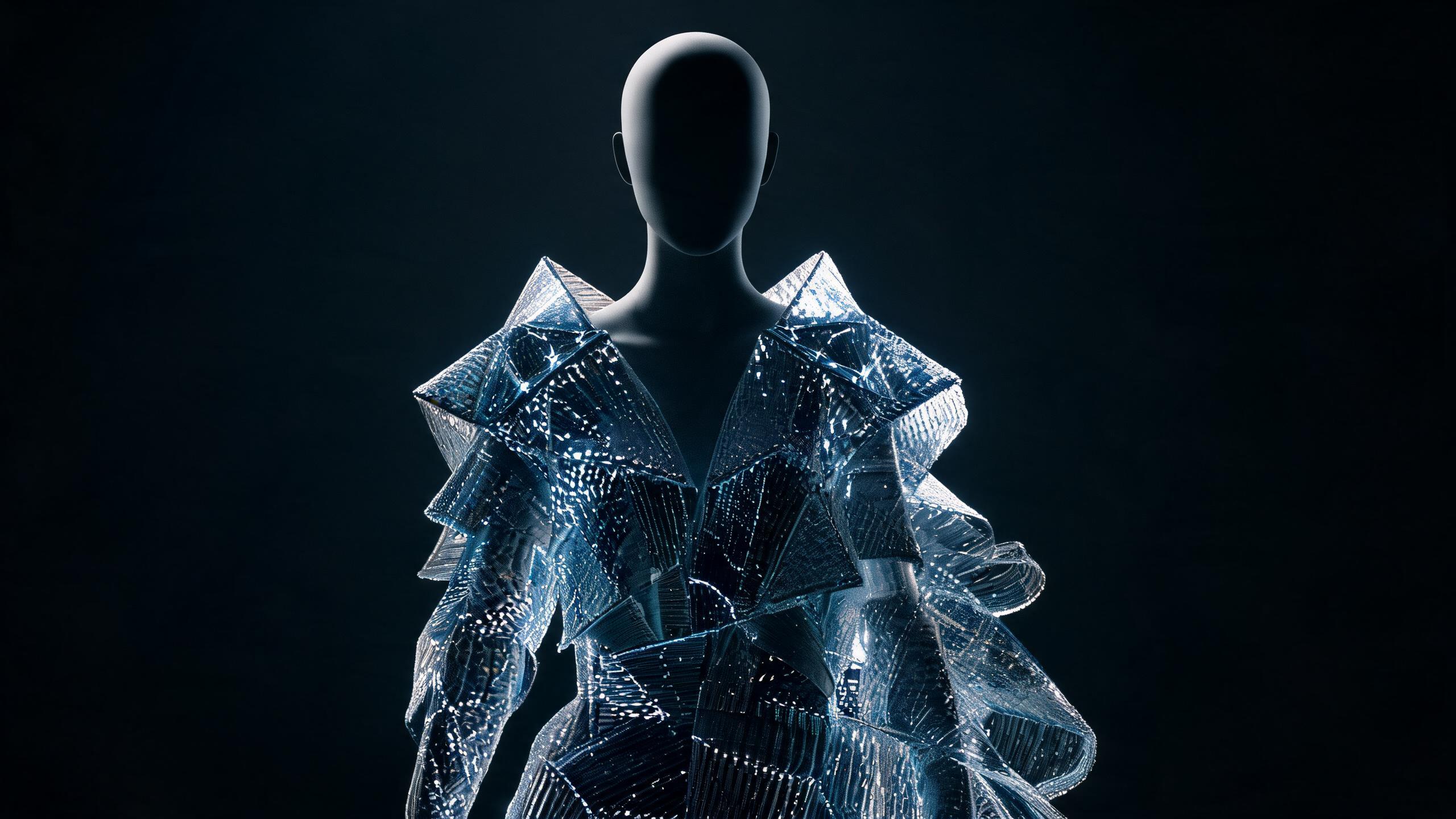
Traditional vs. AI styling: Which creates a better look for the gym?

A deep dive into how to style athleisure for the gym using AI and what it means for modern fashion.
AI styling for gym athleisure uses machine learning to generate personalized performance outfits. This approach represents a fundamental shift from traditional retail, moving away from static trend-chasing toward a deterministic model of individual taste and physiological requirements. While traditional styling relies on human intuition and social media signals, AI-native styling utilizes high-dimensional data vectors to predict how a garment interacts with a user’s specific body type, workout intensity, and aesthetic history.
Key Takeaway: Understanding how to style athleisure for the gym using AI provides a more personalized look by replacing traditional trend-based intuition with data-driven machine learning. This method optimizes for individual physiology and taste, creating outfits that balance high-performance functionality with specific aesthetic preferences.
Why is traditional athleisure styling failing the modern athlete?
Traditional styling is a lottery. It operates on the assumption that what works for an influencer will work for the general population. This "one-size-fits-most" philosophy ignores the complex intersection of fabric technology and individual body mechanics. Most consumers select gym wear based on brand prestige or visual popularity, leading to a mismatch between the garment’s intended function and the user’s actual needs. According to McKinsey (2024), 71% of consumers expect personalized interactions, and 76% get frustrated when the products recommended to them do not reflect their specific context or preferences.
In the traditional model, a consumer follows a "style guide" written for a broad demographic. This leads to common failures in proportion and utility. For example, a recommendation for high-compression leggings might ignore the specific mobility requirements of a Pilates session versus a heavy lifting day. Traditional styling treats "the gym" as a monolith, failing to account for the fact that a HIIT workout requires different thermal regulation and fabric tension than a yoga flow. The result is a closet full of disparate pieces that do not form a cohesive or functional system.
How does AI styling for gym athleisure differ from traditional methods?
AI styling operates through a personal style model rather than a static catalog. Instead of browsing a feed of what is "trending," the system analyzes your dynamic taste profile—a mathematical representation of your preferences across color, silhouette, fabric, and performance. AI infrastructure treats fashion as a series of data points: pixel density, drape coefficient, and moisture-wicking indices.
When you ask how to style athleisure for the gym using AI, the system does not look at a magazine. It looks at your latent style space. It evaluates your historical feedback on previous outfits and cross-references it with computer vision data from thousands of garment renders. This allows the AI to suggest combinations that maintain visual harmony while optimizing for the physical constraints of your workout. Unlike a human stylist, AI has no bias toward specific brands or seasonal fads. It prioritizes the logic of the fit.
Comparing Stylistic Infrastructures
| Feature | Traditional Styling | AI-Native Styling |
| Logic Source | Influencer trends and editorial bias | Data-driven personal style models |
| Adaptability | Static (changes only with seasons) | Dynamic (evolves with every user interaction) |
| Customization | Based on broad "body types" | Based on granular, high-dimensional body data |
| Focus | Aesthetic "vibe" and brand logos | Performance-aesthetic synchronization |
| Scalability | High friction (requires human effort) | Zero friction (automated intelligence) |
| Goal | Selling inventory | Building a permanent style identity |
What role does data play in optimizing gym outfits?
The gap between personalization promises and reality in fashion tech is often found in the data layer. Most apps use "AI" as a buzzword for simple filtering. True AI-driven fashion intelligence uses deep learning to understand the "why" behind a garment. For a gym setting, this means the system understands the difference between 4-way stretch interlock knit and a standard jersey.
Data allows the AI to solve the problem of proportion. For instance, a user with a shorter torso requires a specific waistband height to avoid visual crowding. This is a technical problem that AI solves by mapping the vertical coordinates of the garment against the user's skeletal model. This same logic applies to other silhouettes; understanding how to master proportions is not just for formal wear—it is critical for ensuring gym wear does not inhibit movement or distort the wearer's frame.
👗 Want to see how these styles look on your body type? Try AlvinsClub's AI Stylist → — get personalized outfit recommendations in seconds.
How to style athleisure for the gym using AI effectively?
To get the most out of an AI stylist, you must treat it as a learning infrastructure. The process starts with feeding the model your existing preferences—not just what you like, but why you like it. The AI analyzes the commonalities in your highest-rated items. If you consistently prefer high-neck crops and seamless construction, the AI builds a weight for those attributes in your profile.
Term: Taste Profiling The process of mapping a user’s aesthetic preferences into a multi-dimensional vector space, allowing an AI to predict future affinity for unseen garments.
According to Gartner (2023), AI-driven hyper-personalization is projected to drive a 25% increase in customer loyalty for fashion brands by 2026. This loyalty is not built on marketing, but on the fact that the system finally "gets" the user. When styling for the gym, the AI considers the environment (temperature, humidity), the activity (impact level), and the aesthetic (minimalism, maximalism, techwear). It then outputs a recommendation that is mathematically optimized for that specific moment.
Structured Outfit Formula: The High-Intensity Technical Set
- Base Layer: High-compression, moisture-wicking 7/8 leggings with bonded seams.
- Mid Layer: Integrated-support racerback crop with laser-cut ventilation.
- Outer Layer: Ultra-lightweight ripstop windbreaker with a cropped silhouette.
- Footwear: Low-profile cross-trainers with high lateral stability.
- Hardware: Matte-finish technical water bottle + biometric tracking wearable.
Is human intuition still relevant in the gym styling process?
The argument often arises that AI lacks "soul" or "intuition." This is a misunderstanding of what styling actually is. Styling is a decision-making process based on a set of rules—some explicit (color theory, proportion) and some implicit (cultural context, personal mood). AI is significantly better at managing explicit rules and is rapidly closing the gap on implicit ones through recursive learning.
Traditional styling is often restricted by the stylist's own limited exposure. An AI has "seen" every collection, every lookbook, and every street-style archive in existence. It can identify patterns that a human would miss, such as the subtle way a specific shade of cobalt blue interacts with different lighting conditions in a commercial gym. It can also help users navigate complex fits, much like how one might style bootcut jeans for thick thighs by focusing on the balance of volume and tension.
Do vs. Don't Table: AI-Informed Gym Styling
| Do | Don't |
| Sync fabric density with workout metabolic heat | Buy a "set" just because the colors match |
| Use AI to find "color twins" across different brands | Ignore the compression-to-mobility ratio |
| Prioritize technical specifications over logos | Follow "micro-trends" that die in three weeks |
| Let the AI model your body's specific proportions | Assume a "Medium" is the same across all labels |
How does AI solve the "nothing to wear" problem in fitness?
The "nothing to wear" phenomenon occurs when a wardrobe is a collection of items rather than a system of components. Traditional retail encourages the purchase of isolated "must-haves." AI infrastructure treats your wardrobe as a graph. Every new piece is evaluated based on how many connections it makes with your existing inventory.
When you use AI to style your gym look, the system identifies the "hero pieces" that can be rotated through multiple configurations. It might suggest pairing a high-performance base layer with different technical outer shells depending on whether you are walking to a spin class or lifting in a temperature-controlled powerlifting gym. This reduces waste and ensures that every item in your rotation has a high utility score.
What is the future of AI-driven gym style?
We are moving toward a future where "shopping" is replaced by "generation." Instead of looking for a pair of leggings, your personal style model will describe the exact specifications—fabric weight, seam placement, compression level—and the AI will find or eventually facilitate the creation of that item. This is the difference between being a consumer of trends and a curator of a personal style model.
The goal is to eliminate the friction between intent and execution. You should not have to think about what to wear to the gym. The system should already know based on your schedule, your goals, and your evolving taste. This is not a "feature" added to a store; it is the fundamental infrastructure of how we will interact with clothing.
Verdict: Why AI styling wins for the gym
Traditional styling is built for the era of mass production and mass marketing. It is inefficient, imprecise, and often results in a poor fit for both the body and the activity. AI-native styling is built for the era of the individual. It recognizes that your gym style is an extension of your personal style model—a dynamic, data-rich entity that deserves more than a generic recommendation. By utilizing AI to style your athleisure, you are not just getting an outfit; you are building a system that understands you.
The transition from traditional methods to AI-driven intelligence is inevitable because it is objectively better at solving the core problems of fashion: fit, function, and personal expression. As the technology continues to evolve, the gap between those who use data to inform their style and those who rely on the old model will only widen.
AlvinsClub uses AI to build your personal style model. Every outfit recommendation learns from you. Try AlvinsClub →
Summary
- AI styling utilizes machine learning and high-dimensional data vectors to predict how garments interact with a user's specific body type and workout intensity.
- Learning how to style athleisure for the gym using AI shifts the focus from chasing social media trends to a deterministic model based on individual taste and physiological requirements.
- Traditional styling often fails modern athletes because it relies on brand prestige and influencer signals rather than the functional compatibility of fabric technology with body mechanics.
- According to McKinsey (2024), 76% of consumers express frustration when personalized recommendations do not account for their specific context or preferences.
- Modern consumers are increasingly exploring how to style athleisure for the gym using AI to ensure that technical garment features, like compression and mobility, align with their specific exercise modalities.
Frequently Asked Questions
How to style athleisure for the gym using AI?
AI styling platforms analyze specific body measurements and workout intensities to recommend garments that optimize both movement and aesthetics. These tools process high-dimensional data vectors to match your personal taste with high-performance fabrics tailored to your unique routine.
What is the difference between traditional and AI gym styling?
Traditional styling depends on human intuition and current fashion trends found on social media or in retail environments. In contrast, AI styling uses machine learning to generate personalized recommendations based on deterministic data regarding physiological requirements and individual body types.
Why should you learn how to style athleisure for the gym using AI?
Learning how to style athleisure for the gym using AI allows you to move beyond generic trend-chasing toward a more precise model of personal fashion. This data-driven approach ensures that your clothing choices support your specific physical goals while maintaining a cohesive and professional visual look.
How does AI styling predict the best gym clothes for different body types?
Machine learning algorithms utilize specific data points to simulate how different garment structures interact with unique silhouettes during physical activity. This technology allows the system to suggest fits that prevent common issues like fabric bunching or restricted movement while maximizing individual visual appeal.
Is it worth learning how to style athleisure for the gym using AI compared to following influencers?
Utilizing artificial intelligence provides a level of personalization that social media influencers cannot offer because the algorithms focus on your unique data rather than mass-market trends. Discovering how to style athleisure for the gym using AI results in a functional wardrobe that is scientifically optimized for your specific body and workout environment.
Can AI tools improve performance through gym outfit selection?
AI tools analyze fabric technology and compression levels to ensure that every piece of clothing supports the specific biomechanics of your chosen exercise. By selecting outfits based on performance data rather than just aesthetic signals, you can significantly enhance your comfort and efficiency during high-intensity training sessions.
This article is part of AlvinsClub's AI Fashion Intelligence series.
Related Articles
- The 2026 Thrift Guide: Using AI to Spot Designer Gems in the Wild
- Mastering the Classic Button Down: A Style Guide for Apple Shapes
- Mastering the Silhouette: How to Style Bootcut Jeans for Thick Thighs
- The Tall Girl’s Secret: How to Style Babydoll Dresses for Long Legs
- Mastering Proportions: How to Style Tiered Dresses for Short Torsos