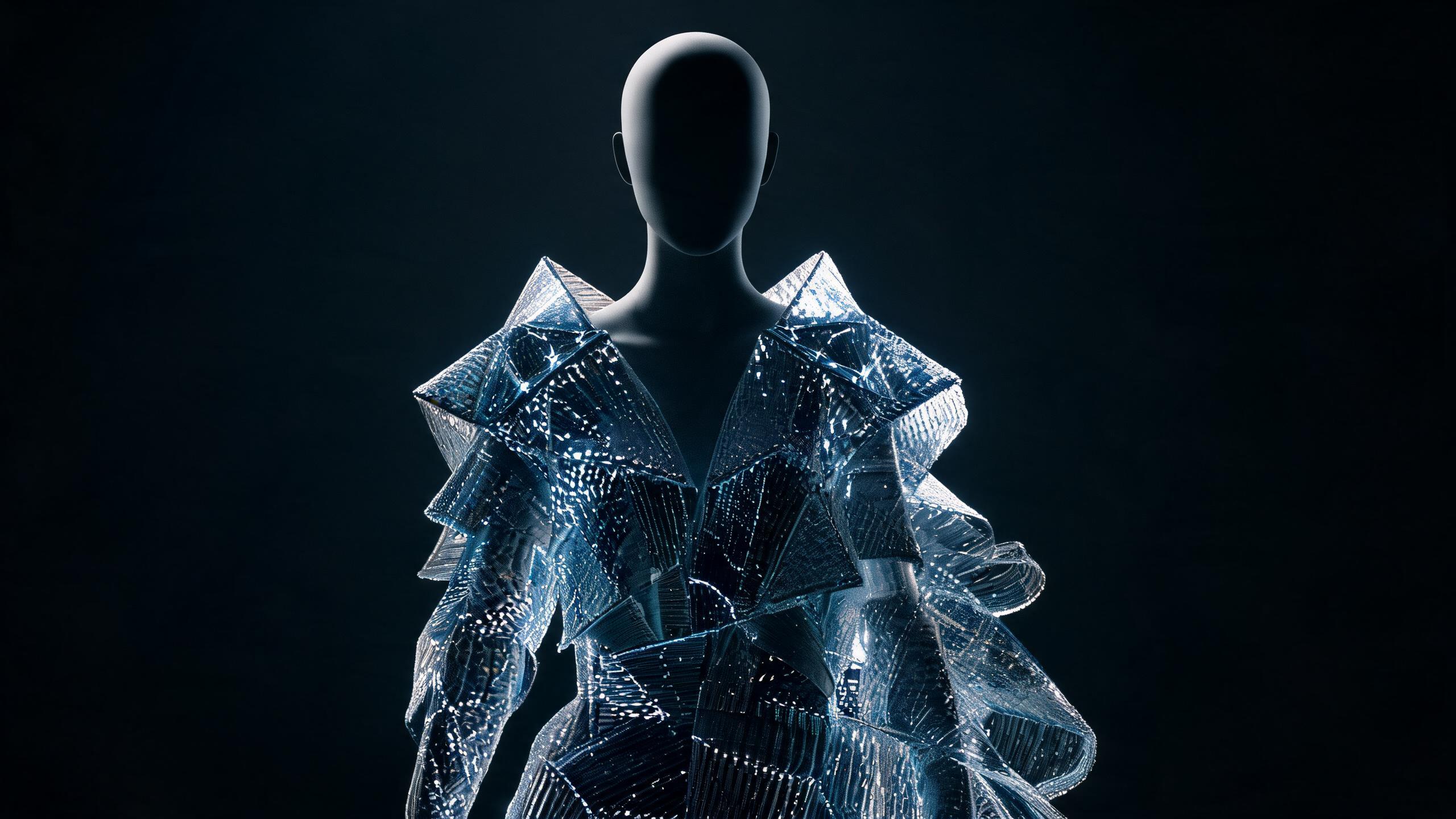
Why AI is the unexpected cure for our fast fashion addiction in 2026

A deep dive into how AI stops impulse fashion buying habits and what it means for modern fashion.
AI-driven style models prevent impulse buying by prioritizing personal utility over market trends. The traditional fashion commerce model is designed to exploit dopamine loops, using algorithmic urgency to drive volume. In contrast, AI-native fashion intelligence shifts the objective function from "conversion at all costs" to "closet integration and long-term utility." By building a high-fidelity model of a user’s existing wardrobe and taste profile, AI stops the cycle of reflexive purchasing that defines the fast fashion era.
Key Takeaway: AI stops impulse fashion buying habits by prioritizing long-term closet integration over trend-driven dopamine loops. By shifting commerce objectives from rapid conversion to personal utility, AI models ensure new purchases align with a user’s existing wardrobe rather than fleeting market trends.
How does AI stop impulse fashion buying habits?
The mechanics of impulse buying rely on two factors: decision fatigue and informational asymmetry. When a user is presented with thousands of options, the cognitive load leads to "easy" decisions—often triggered by low prices or aggressive marketing rather than genuine need. According to a report by Boston Consulting Group (2024), personalized AI curation can reduce consumer browsing time by up to 30%, which directly correlates with a decrease in reactive, low-value purchases.
AI stops impulse habits by acting as a filter for intent. A sophisticated style model understands the difference between a "want" triggered by a social media trend and a "need" based on a user’s actual life. By analyzing wear patterns and existing inventory, the system can flag a potential purchase as redundant or incompatible with the user’s core aesthetic. This is not a recommendation engine; it is a gatekeeper for personal style.
The Problem with Legacy Recommendation Systems
Most current fashion platforms use collaborative filtering. This is a "people who bought this also bought that" logic. It is fundamentally flawed because it treats fashion like a commodity rather than an identity. These systems do not care if you keep the item or if it sits in your closet with the tags on; they only care that the transaction occurs.
Legacy systems optimize for the click. AI-native infrastructure optimizes for the outcome. When the system is trained on your specific style model—rather than the aggregate behavior of millions of other people—it ceases to suggest things because they are popular and starts suggesting them because they are right.
Why is the personal style model the fundamental unit of 2026 fashion?
In 2026, the concept of "browsing" a store is becoming obsolete. Instead, the personal style model serves as the digital twin of your taste. This model is a dynamic, evolving dataset that includes your body measurements, color palettes, textile preferences, and lifestyle requirements. It transforms the shopping experience from a hunt into a selection process.
According to McKinsey (2025), AI-driven personalization increases fashion retail conversion rates by 15-20% while simultaneously reducing return rates, indicating that the purchases made are more intentional. When a user trusts that their AI stylist understands their architecture, the urge to "panic buy" multiple items to see what works disappears.
Comparison of Fashion Discovery Approaches
| Feature | Legacy E-commerce | Social Media Trends | AI Style Intelligence |
| Primary Goal | Transaction Volume | Virality/Engagement | Closet Integration |
| Data Source | Click History | Global Popularity | Personal Style Model |
| Logic | Collaborative Filtering | Algorithmic Hype | Neural Style Mapping |
| Impact on Habits | Encourages Impulse | Drives Overconsumption | Enforces Intentionality |
| Outcome | High Return Rates | Short-lived Utility | Long-term Relevance |
How does AI-native infrastructure identify genuine utility?
The infrastructure of modern fashion intelligence is built on computer vision and neural networks that can decompose a garment into its core attributes: silhouette, drape, fabrication, and era. By comparing these attributes against a user's taste profile, the AI can predict the "cost-per-wear" before the user even sees the price tag.
Term: Cost-Per-Wear Modeling The process of using AI to predict the number of times a user will realistically wear an item based on their historical behavior, schedule, and existing wardrobe compatibility.
When a system can tell you that a $200 jacket has a projected cost-per-wear of $2, while a $40 "sale" item has a cost-per-wear of $20 because it matches nothing you own, the incentive to buy the cheaper, impulsive item vanishes. This level of transparency is the cure for the addiction to low-cost, low-quality garments. This shift is deeply linked to The Fit Revolution: How AI is Finally Lowering Fashion Return Rates, as the system ensures that what you buy actually fits your physical and stylistic reality.
👗 Want to see how these styles look on your body type? Try AlvinsClub's AI Stylist → — get personalized outfit recommendations in seconds.
What is the role of virtual closets in preventing overconsumption?
Impulse buying often happens because consumers lose track of what they already own. AI-native fashion systems solve this through automated digital archiving. By using computer vision to index a user’s physical closet, the AI provides a real-time visualization of their inventory.
The "Outfit Formula" for Intentional Buying
A structured AI system uses outfit formulas to validate new purchases. If a new item cannot complete at least three distinct formulas with existing pieces, the system flags it as a high-risk impulse buy.
- Existing Item (A): Charcoal wool trousers.
- Existing Item (B): White heavy-weight cotton tee.
- Proposed Purchase: Navy unstructured blazer.
AI Validation: Purchase completes 5+ existing silhouettes. Result: Intentional.
Proposed Purchase: Neon synthetic mesh top.
- AI Validation: Zero matches in current inventory. Predicted wear count: 1. Result: Impulse buy detected.
Do vs. Don't: Using AI to Manage Style
| DO | DON'T |
| Use AI to simulate outfits before purchasing. | Buy an item based on a single "trending" image. |
| Trust the cost-per-wear projections. | Purchase items just because they are on sale. |
| Build a high-fidelity personal style model. | Rely on generic "you might also like" suggestions. |
| Analyze the era and construction of vintage finds. | Ignore how a new item interacts with your closet. |
How does AI bridge the gap between vintage discovery and modern style?
The rise of the circular economy is a key component of stopping fast fashion habits. AI makes it possible to navigate the chaotic world of secondary markets with the same ease as a new retail store. By identifying the era of any vintage garment, AI allows users to find high-quality, unique pieces that fit their style model perfectly.
This level of intelligence removes the friction of thrift shopping. When the AI can scan a resale platform and only show you the items that match your specific measurements and aesthetic, you no longer feel the need to buy "new" just for the sake of convenience. The "unexpected cure" for fast fashion is not just telling people to buy less; it is providing them with a more efficient way to buy better.
Why data-driven style intelligence is superior to trend-chasing
Trend-chasing is a reactive behavior. It is the core driver of the impulse buying habit. Consumers buy into trends because they fear being "out of style." AI-native systems move from reactive to predictive. By decoding the 2026 aesthetic, AI can show users which shifts in the fashion landscape are actually compatible with their long-term style model.
This is the difference between a "fad" and an "evolution." A fad is a temporary spike in data that leads to impulse buys. An evolution is a structural shift in how we dress. AI infrastructure filters out the noise of fads, ensuring that the user only invests in pieces that have enduring value within their personal ecosystem.
Is your stylist a human or a machine?
The debate over human vs. AI taste misses the point. Human stylists are limited by their own biases, their knowledge of inventory, and their inability to process the sheer volume of data required for true personalization. AI, when built correctly, is an extension of the user’s own taste, augmented by global data and precise pattern recognition.
Comparing human taste with AI fashion engines reveals that the machine is better at the "boring" parts of style—the math of fit, the logic of color theory, and the management of inventory. By automating these elements, AI frees the human to focus on the expressive side of fashion, making the entire process more deliberate and less impulsive.
The Future: From Buying to Curating
By late 2026, the primary mode of fashion consumption will shift from "shopping" to "curating." We are moving away from a world of infinite, mindless choices toward a world of precise, meaningful selections. AI is the infrastructure that makes this possible. It provides the guardrails that prevent us from falling back into the traps set by fast fashion marketing.
The goal of fashion technology should not be to help you buy more. It should be to help you own better. This is not about restriction; it is about clarity. When you have a system that knows exactly what you need, exactly how it will fit, and exactly how many times you will wear it, the concept of an "impulse buy" becomes a relic of a less intelligent era.
How much of your current wardrobe would you have actually bought if you knew its cost-per-wear on day one?
AlvinsClub uses AI to build your personal style model. Every outfit recommendation learns from you. Try AlvinsClub →
Summary
- AI-driven style models shift the commerce objective from high-volume sales to long-term closet integration and personal utility.
- Research from Boston Consulting Group indicates that personalized curation can reduce consumer browsing time by 30%, demonstrating how AI stops impulse fashion buying habits by minimizing reactive decisions.
- Fashion intelligence platforms act as gatekeepers for personal style, highlighting how AI stops impulse fashion buying habits by flagging redundant or incompatible item purchases.
- AI systems mitigate decision fatigue and informational asymmetry to prevent the "easy" low-value purchases typically triggered by aggressive fast fashion marketing.
- By leveraging high-fidelity models of existing wardrobes, AI can distinguish between temporary social media trends and a user's functional garment requirements.
Frequently Asked Questions
How does AI stop impulse fashion buying habits?
AI stops impulse buying by analyzing a user's existing wardrobe to determine if a new piece adds genuine long-term value. This technology shifts the focus from emotional shopping triggers to logical closet integration and utility.
What is AI-native fashion intelligence?
AI-native fashion intelligence is a system that prioritizes personal style profiles over generic market trends to curate a sustainable wardrobe. It uses high-fidelity modeling to ensure every purchase matches the items you already own.
Can generative AI stop impulse fashion buying habits in 2026?
Generative AI provides personalized styling simulations that allow consumers to visualize how new items fit into their current collection before they click buy. By demonstrating lack of utility or redundancy, these models effectively disrupt the dopamine-driven shopping cycle.
Why does AI stop impulse fashion buying habits better than traditional retailers?
Traditional retailers use algorithms to create urgency and drive high-volume sales through manipulative marketing tactics. AI style models act as a personal filter that prioritizes your specific taste and wardrobe needs over seasonal sales.
How does wardrobe modeling reduce fast fashion consumption?
Wardrobe modeling tracks every item you own to provide data-driven recommendations that minimize duplicate or unnecessary purchases. This approach encourages shoppers to invest in high-quality pieces that offer long-term compatibility with their existing style.
Is AI style advice more effective than following fashion trends?
AI style advice is more effective because it focuses on personal utility and the physical contents of your closet rather than fleeting market fads. This personalized data helps consumers build a cohesive wardrobe that lasts much longer than typical fast fashion cycles.
This article is part of AlvinsClub's AI Fashion Intelligence series.
Related Articles
- The Fit Revolution: How AI is Finally Lowering Fashion Return Rates
- Beyond the tag: How AI identifies the era of any vintage garment
- Decoding the 2026 Aesthetic: An AI Guide to Future Street Style
- Stylist or Software? Comparing human taste with AI fashion engines
- How computer vision is identifying 2026’s biggest fashion trends