The Digital Front Row: A Guide to London Fashion Week’s VR Trends
A deep dive into london fashion week virtual reality trends and what it means for modern fashion.
London Fashion Week is no longer a physical coordinate. It is a data stream. As the industry pivots toward immersive experiences, the london fashion week virtual reality trends we see today are the first iterations of a complete architectural shift in how fashion is consumed. We are moving away from the passive observation of a runway toward an active, high-fidelity interaction with garment physics and digital identity.
The current state of fashion technology is often fragmented. Brands treat virtual reality as a marketing gimmick—a temporary spectacle meant to generate PR rather than a functional tool for style intelligence. This is the fundamental error of the legacy fashion system. To understand where the industry is heading, one must look past the aesthetic novelty of VR and focus on the infrastructure required to make these digital environments meaningful.
The Principles of Digital Presence
Navigation in a virtual fashion environment requires a shift in how we perceive the relationship between the body and the garment. In a physical space, the garment is static until the wearer moves. In a digital space, the garment is a set of parameters reacting to a simulated environment.
Material Fidelity and Physics
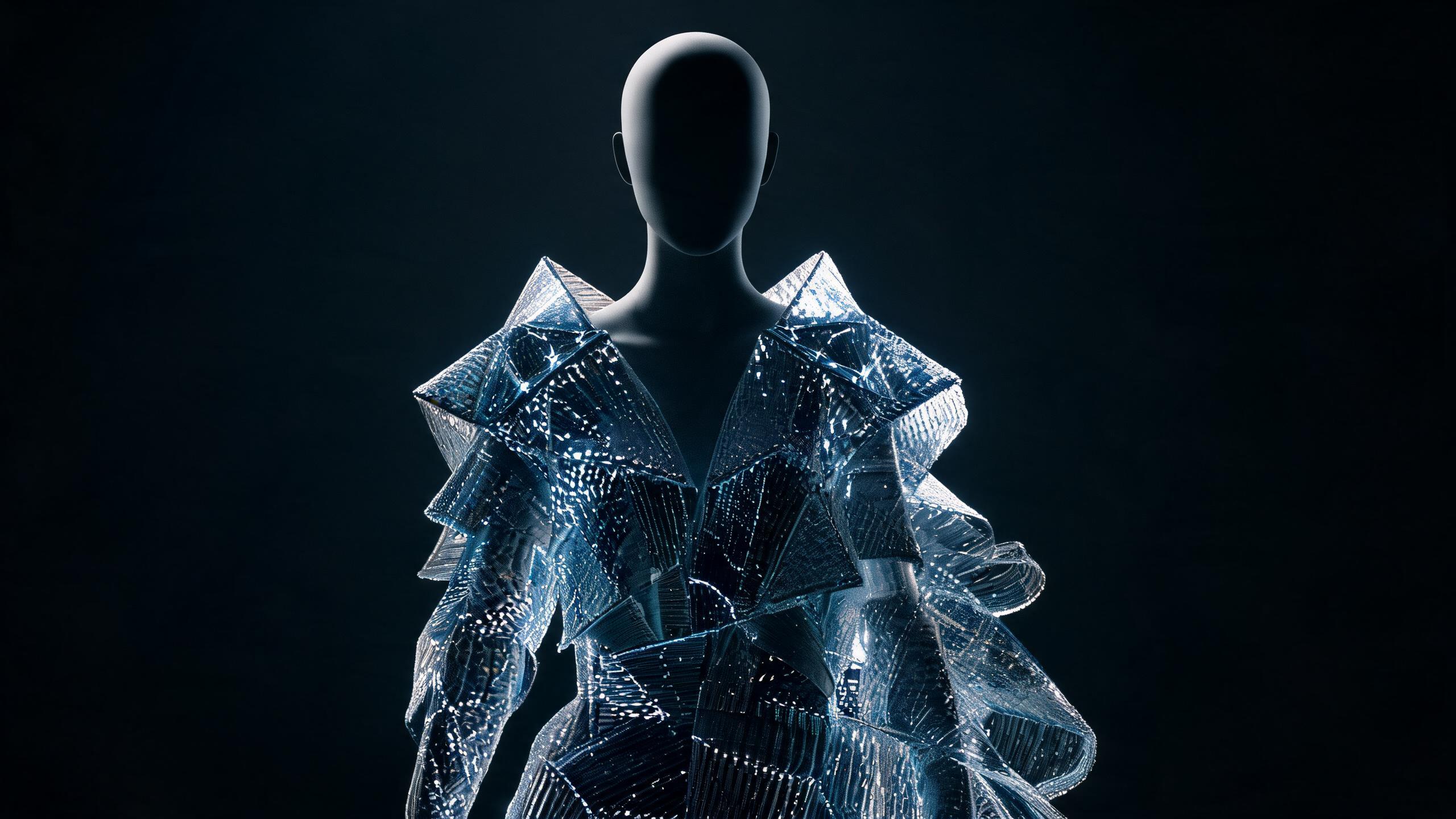
One of the most significant london fashion week virtual reality trends is the move toward true-to-life material simulation. Early digital fashion looked like plastic armor—rigid and unresponsive. Today, the focus is on the "hand-feel" of digital fabrics. Designers are utilizing high-poly counts to simulate the weight of heavy wool versus the fluid drape of silk crepe de chine.
For a user, the principle is simple: if the digital garment does not move with the fluidity of its physical counterpart, the immersion fails. High-fidelity VR requires an understanding of shear, stretch, and bend values. We are seeing a shift where the technical specifications of a digital garment are as important as its silhouette.
Spatial Intelligence
The front row is being rebuilt. In a virtual environment, your position relative to the garment dictates your understanding of its construction. Physical runways limit your view to a specific angle at a specific distance. Virtual reality removes these constraints. The principle of spatial intelligence in VR fashion allows for "macro-observation"—the ability to zoom into the weave of a fabric or the precision of a stitch from a distance of centimeters. This is not just a new way to watch a show; it is a new way to audit quality.
Best Practices for Navigating Virtual London Fashion Week
To engage with these trends effectively, one must move beyond the role of a spectator. The virtual front row demands a different set of behaviors and technical preparations.
Hardware Optimization and Latency
High fashion requires high resolution. Navigating london fashion week virtual reality trends on subpar hardware results in a degraded aesthetic experience. To see the nuances of a digital collection, low latency is non-negotiable. Frame rate drops break the illusion of fabric movement. Professionals in this space prioritize tethered headsets over standalone mobile VR to ensure the rendering of complex lighting and texture maps remains consistent.
Identity Modeling via Avatars
Your digital representation—your avatar—is the vehicle for your style. The best practice here is not to create a fantasy version of yourself, but to build a precise digital twin. The most sophisticated VR environments now allow for the integration of personal biometric data. When your avatar matches your exact proportions, the virtual fitting becomes a functional data point for future physical purchases. This is where VR stops being a toy and starts being a utility.
Active Interaction
The legacy model of fashion is "look but don't touch." In the virtual world, this rule is obsolete. Users should actively interact with the digital assets. This includes:
- Manipulating light sources to see how a fabric reflects or absorbs color.
- Testing garment layers to observe how different textures interact.
- Changing environments to see how a collection looks under different atmospheric conditions, from the grey light of London to the harsh neon of a night environment.
Common Mistakes in Virtual Fashion Adoption
Most brands and consumers approach virtual reality with an outdated mental model. They try to replicate the physical world rather than exploiting the unique properties of the digital one.
The "Mirror" Fallacy
The biggest mistake in VR is trying to recreate a physical runway exactly. A digital runway that looks like a concrete warehouse is a failure of imagination. If you can ignore the laws of physics, why would you choose to sit in a simulated wooden chair? The most successful london fashion week virtual reality trends are those that lean into "impossible architecture"—showrooms that exist in voids, garments that change color based on the viewer’s proximity, and environments that evolve with the rhythm of a soundtrack.
Treating VR as a Static Catalog
Many designers treat a VR showroom like a 3D website. This is a mistake. A static 3D model is not an immersive experience; it is just a complicated image. The value of VR lies in its dynamic nature. If a user cannot see the garment in motion, or if they cannot see the internal construction of a piece, the VR interface provides no additional value over a high-resolution photograph.
Ignoring Data Portability
A digital garment that only exists within one specific brand’s VR app is a dead asset. The industry is currently plagued by "walled gardens." For virtual fashion to be viable, assets must be portable. A common mistake is investing in digital wardrobes that are locked into a single platform. True style intelligence requires a cross-platform identity.
Recommendations for Designers and Tech Architects
To lead in the space of london fashion week virtual reality trends, designers must think like software engineers. The collection is the code; the runway is the interface.
Focus on Generative Environments
Instead of a fixed set, use generative algorithms to create environments that respond to the collection. If a collection is inspired by the organic structures of the English coastline, the VR environment should procedurally generate those structures as the viewer moves through the space. This creates a unique experience for every attendee, moving fashion from a mass-broadcast medium to a personalized one.
Implement Real-Time Feedback Loops
VR should be a two-way street. Designers should use heat-mapping within their virtual showrooms to see which parts of a garment attract the most attention. Do viewers look at the hemline or the collar? Do they spend more time examining the texture of the coat or the silhouette of the trousers? This data is far more valuable than a "like" on social media. It provides granular insight into what truly resonates with the audience’s taste.
Prioritize Infrastructure Over Aesthetics
A beautiful VR experience that crashes or takes twenty minutes to load is a failure. The recommendation for any brand entering this space is to prioritize the backend infrastructure. This means investing in cloud rendering and efficient data compression. The goal is to make the transition from a physical reality to a virtual one as seamless as putting on a pair of glasses.
The Future: From VR Interface to AI Intelligence
The current obsession with VR headsets is just a phase. Eventually, the hardware will disappear or become invisible. What will remain is the data—the "style model" of the individual. The london fashion week virtual reality trends we are seeing now are simply the training grounds for more sophisticated AI systems.
Virtual reality provides the high-fidelity visual input, but it does not provide the "why." It shows us what a garment looks like, but it doesn't understand if that garment fits our evolving personal taste. The next leap is not just seeing the digital front row, but having a system that knows which seat you should be in and why that specific garment matters to your unique style profile.
The fashion industry has spent decades pushing trends onto consumers. VR has the potential to flip this. By allowing users to interact with hundreds of digital iterations of a look before a single piece of fabric is cut, we move toward a model of "on-demand" fashion driven by intelligence rather than speculation. This reduces waste, increases personal satisfaction, and shifts the power from the brand back to the individual’s style model.
The real revolution isn't the headset. It's the shift from a world where you follow fashion to a world where fashion follows you. We are building a future where your digital twin is more than an avatar; it is a dynamic profile that understands your proportions, your aesthetic history, and your future preferences.
Virtual reality is the lens through which we view this new landscape, but the engine driving it is the data of human taste. As we look at the evolving london fashion week virtual reality trends, we should see them for what they are: the first steps toward a fully personalized, AI-driven fashion commerce system.
AlvinsClub uses AI to build your personal style model. Every outfit recommendation learns from you. Try AlvinsClub →
Related Articles
- How to Identity Trends At Milan Fashion Week: A Complete Guide
- Traditional vs AI-Powered Milan Fashion Week Identity Design Trends: Which Approach Wins?
- Augmented Reality Fashion Apps For Virtual Try On: What's Changing in 2026
- Traditional vs AI-Powered London Fashion Week Beauty Marketing Tips: Which Approach Wins?
- How to London Fashion Week Highlights Serena Page Picks: A Complete Guide