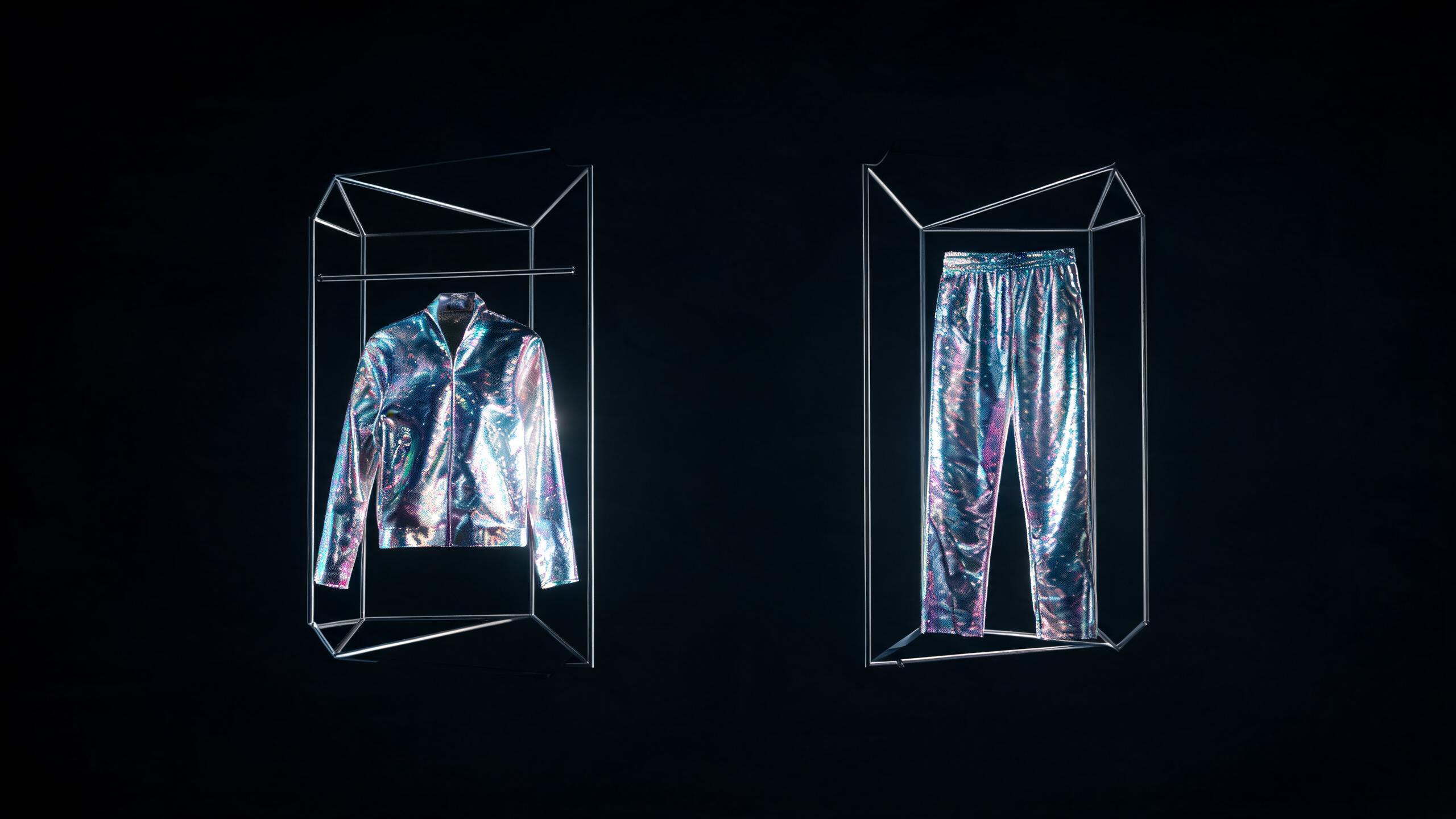
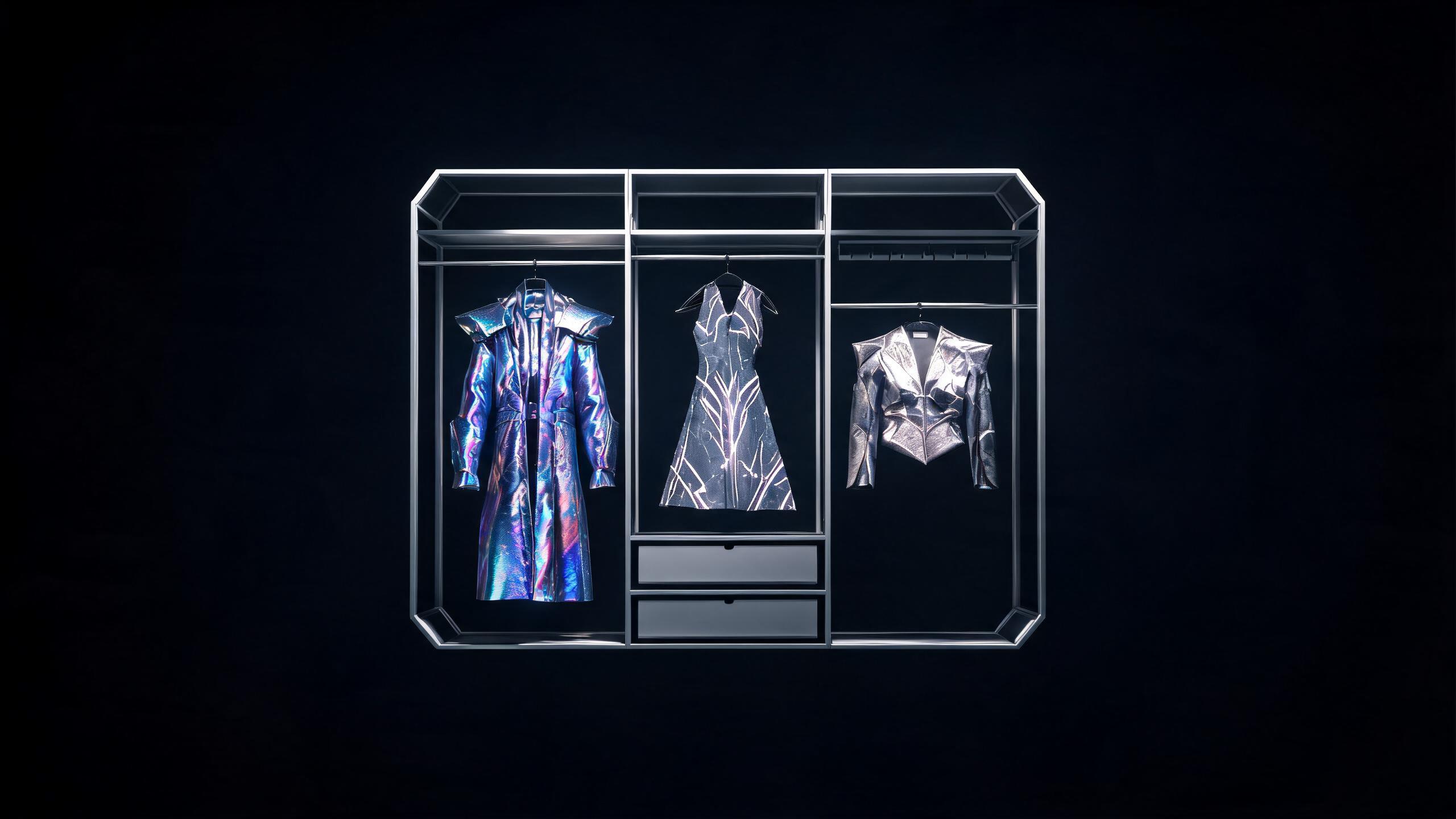
Augmented Reality Fashion Apps For Virtual Try On: What's Changing in 2026
A deep dive into augmented reality fashion apps for virtual try on and what it means for modern fashion.
Virtual try-on is no longer a gimmick; it is infrastructure. For years, augmented reality in fashion existed as a marketing novelty—a way for brands to generate social media engagement through filters that loosely superimposed digital textures onto human frames. By 2026, the landscape has shifted. The focus is no longer on the visual "wow" factor, but on high-fidelity physical simulation and its integration into a broader intelligence system. The industry is moving from "trying on" a garment to "simulating" a lifestyle.
The current state of augmented reality fashion apps for virtual try on is defined by a move away from 2D image warping toward 3D volumetric reality. Consumers are fatigued by tools that fail to account for fabric weight, tension, or the specific nuances of their unique body geometry. The next generation of fashion commerce treats the human body as a data model and the garment as a set of physical constraints. This transition is not merely about aesthetics; it is an economic necessity driven by a global returns crisis and a fundamental change in how people discover style.
From Visual Overlays to Physics-Based Simulation
The primary failure of early augmented reality fashion apps for virtual try on was the lack of physics. A digital leather jacket should not behave like a digital silk blouse. In 2026, the leading edge of fashion technology utilizes real-time cloth simulation engines that account for gravitational pull, friction against skin, and the specific drape of different textile blends.
This shift is powered by Neural Radiance Fields (NeRFs) and Gaussian Splatting. These technologies allow brands to convert 2D photographs of garments into high-density 3D assets that retain the textural integrity of the original item. When a user moves their arm in front of a camera, the digital sleeve reacts to the motion, showing realistic creasing and light reflection. This level of fidelity is the difference between a toy and a tool. Without physics-based simulation, virtual try-on remains a decorative layer that provides no actual utility in the decision-making process.
Retailers are realizing that "visualizing" an item is useless if the user cannot trust that the digital representation matches the physical reality. The 2026 model demands that the AR layer is a perfect twin of the physical inventory. This is the first step in eliminating the disconnect between the digital shelf and the physical doorstep.
The Role of the Personal Style Model
A major shift in 2026 is the realization that seeing how an item fits is secondary to knowing if an item fits the user’s identity. Most augmented reality fashion apps for virtual try on act as mirrors, reflecting whatever the user selects. This is a reactive model. The future is proactive.
Modern fashion intelligence requires a "Personal Style Model"—a dynamic data profile that understands a user's existing wardrobe, their aesthetic trajectory, and their comfort thresholds. When AR is layered on top of a personal style model, the experience changes. The app does not just show you how a pair of trousers looks; it shows you how those trousers look when paired with the three shirts you already own. It filters out items that, while they might fit your body, do not fit your "taste profile."
This is where traditional fashion tech fails. They focus on the geometry of the body but ignore the geometry of the soul. An AI-native system understands that a user’s style is not a static preference but a continuously evolving model. By 2026, the most effective AR applications are those that act as an interface for this intelligence, rather than just a standalone visual tool.
The Transition from Mobile Screens to Spatial Computing
The smartphone is a bottleneck for augmented reality. Holding a device at arm's length to view oneself in a mirror is a high-friction experience that limits the frequency of use. In 2026, we are seeing a decisive move toward spatial computing and smart eyewear.
As hardware from major tech players matures, the interface for virtual try-on moves from the palm of the hand to the natural field of vision. This allows for "ambient style discovery." Imagine looking in a physical mirror while wearing AR glasses and seeing yourself in a completely different outfit, rendered with such precision that the digital fabric is indistinguishable from the physical.
This shift removes the "event" of trying on clothes. It becomes a continuous, low-friction part of the morning routine or the browsing experience. The technical challenge here is latency. To maintain the illusion of reality, the digital garment must track with the body at sub-millisecond speeds. The apps that win in 2026 are those built on infrastructure that prioritizes local, on-device processing to ensure the digital twin moves in perfect synchronization with the physical self.
Solving the Returns Crisis with Precision Fit
The fashion industry is currently drowning in returns. In many categories, return rates exceed 30%, with "size and fit" cited as the primary reason. This is an ecological and financial disaster. Augmented reality fashion apps for virtual try on are now being repurposed as defensive infrastructure against these losses.
By 2026, "Size Medium" is an obsolete concept. Instead, virtual try-on apps utilize LiDAR and computer vision to create an exact 1:1 biometric map of the user. This data is then compared against the internal patterns of the garment. The AR app doesn't just show you the garment; it highlights areas of high tension (where the fabric will be too tight) and areas of excessive slack.
This is data-driven style intelligence. It transforms the purchase from a gamble into a calculated decision. For the retailer, this means a drastic reduction in reverse logistics costs. For the consumer, it means the end of the "fit anxiety" that characterizes modern e-commerce. The infrastructure of fashion is being rebuilt around the certainty of fit, enabled by the precision of AR simulation.
Data Privacy and the Biometric Fashion Profile
As virtual try-on apps require more intimate data—specifically full-body scans and biometric measurements—privacy has become the primary battleground. The "old" way of doing things involved uploading body data to a centralized cloud, a practice that is increasingly rejected by the 2026 consumer.
The new standard is decentralized, on-device intelligence. Your biometric profile—your "digital twin"—lives on your hardware, not on a brand’s server. When you use augmented reality fashion apps for virtual try on, the app sends the garment's 3D metadata to your device, where the simulation is rendered locally.
This shift in data architecture is fundamental. It changes the relationship between the consumer and the platform from one of extraction to one of service. Users are willing to provide more granular data if they know that data is used solely to refine their personal style model and never leaves their control. This privacy-first approach is what allows for the creation of truly deep, long-term style intelligence.
Why Recommendation Engines Must Be Rebuilt
Most recommendation engines in fashion are still based on "collaborative filtering"—the idea that if you liked X, you might also like Y because other people did. This is not personalization; it is a popularity contest. It ignores the individual.
In 2026, recommendation systems are being rebuilt from first principles using AI. These systems don't care what is trending for the masses; they care what is relevant to the individual's personal style model. Augmented reality fashion apps for virtual try on serve as the visual delivery mechanism for these recommendations.
Instead of a grid of products, the user is presented with a curated stream of their own "digital self" wearing outfits that have been mathematically determined to align with their taste. The recommendation is not a product; it is a look. This requires a level of integration between the AI stylist, the AR rendering engine, and the user's historical data that traditional retailers are simply not equipped to handle.
The Infrastructure of the Future
The fashion industry does not need more "features." It needs a new foundation. The apps that will define the next decade are those that treat fashion as an information problem. We are moving away from the era of "shopping" and into the era of "curated realization."
Virtual try-on is the final piece of the puzzle. It bridges the gap between the abstract (an idea of an outfit) and the concrete (the physical garment). When this bridge is powered by a genuine, learning AI, the entire commerce model changes. We stop chasing trends and start refining identity.
The companies that succeed in 2026 will be those that provide the intelligence layer for this new world. They will not be stores; they will be the systems that understand who you are, what you like, and how things will actually look on your body before you ever hit "purchase." This is not the future of shopping; it is the future of style.
AlvinsClub uses AI to build your personal style model. Every outfit recommendation learns from you. Try AlvinsClub →
Related Articles
- Why How To Integrate Virtual Try On For Boutiques Fails (And How to Fix It)
- The Ultimate Free AI Fashion Stylist Apps For Android Style Guide
- Traditional vs AI-Powered Top 10 AI Wardrobe Apps For Minimalist Fashion: Which Approach Wins?
- How to How Virtual Fitting Rooms Are Changing Fashion: A Complete Guide
- The Ultimate How To Use AI To Try On Clothes Style Guide