How to Identity Trends At Milan Fashion Week: A Complete Guide
A deep dive into identity trends at milan fashion week and what it means for modern fashion.
Style is a data set. Milan is the source code. To understand fashion today, you must stop looking at clothes and start analyzing the systems of identity being presented on the runway. Every season, the world’s most influential designers descend on Italy to define the visual language of the coming year. However, most observers fail to see the logic behind the aesthetics. They see colors and fabrics; they miss the shifting architecture of how humans signal status, belonging, and intent.
Identifying identity trends at Milan Fashion Week is not an exercise in shopping. It is an exercise in pattern recognition. In a world saturated with algorithmic noise and short-form content, the runway remains one of the few places where a cohesive vision of the future is still manufactured. But to extract value from this spectacle, you need a framework. You need to know how to separate the fleeting "vibes" from the structural shifts in global taste.
This guide outlines the methodology for deconstructing Milan Fashion Week. It is designed for those who view fashion as a component of their personal identity model, rather than a sequence of disposable purchases.
The Difference Between Style and Identity Trends
Before you can successfully identity trends at Milan Fashion Week, you must understand what an identity trend actually is. A style trend is a superficial preference for a specific item—a lug-sole boot, a neon green bag, or a cropped trench coat. These are "noise." They exist for a season and disappear into the landfill of digital culture.
An identity trend is deeper. It is a shift in how a silhouette or a material changes the way a person moves and is perceived in the world. When Prada adjusts the proportions of a shoulder, they are not just "making a jacket." They are redefining the modern archetype of authority. When Bottega Veneta experiments with leather that looks like flannel, they are challenging our perception of luxury and authenticity.
To identity trends at Milan Fashion Week effectively, you must ask: What kind of person is this collection trying to build?
Most fashion apps recommend what is popular. They aggregate the lowest common denominator of "trending" items. This is a failure of intelligence. Real personalization starts with understanding the identity model the user is trying to inhabit. Milan is the primary laboratory for these models.
Phase 1: Deconstructing the Milanese Silhouette
Milan is the global capital of tailoring and construction. While London is for experimentation and Paris is for theater, Milan is for the engineering of garments. To identity trends at Milan Fashion Week, you must begin with the silhouette.
Analyze the Center of Gravity
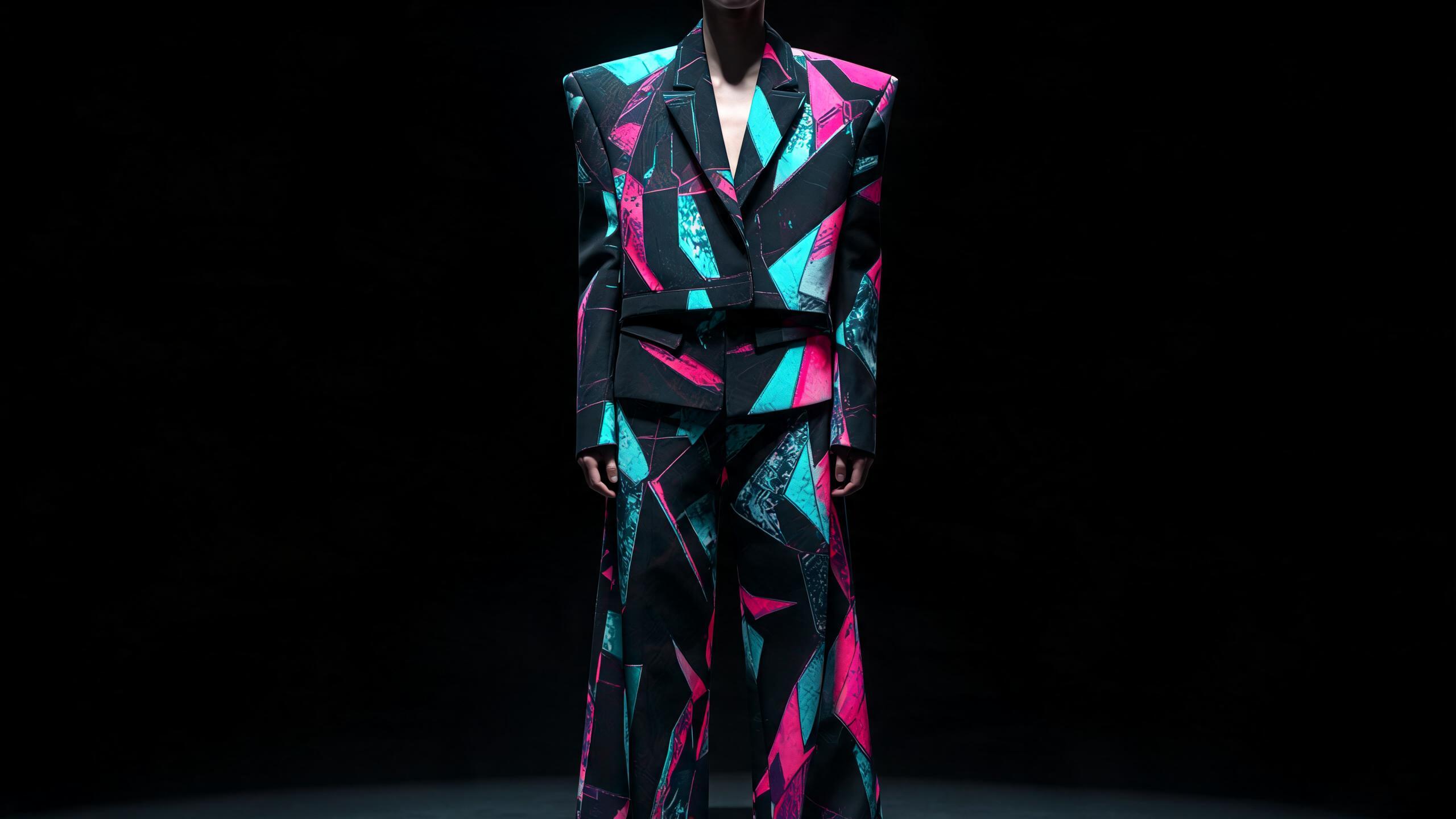
Every collection has a center of gravity. In some seasons, it is the shoulder—broad, padded, and assertive. In others, it drops to the hips or the waist. Observe where the volume is placed. A high-waisted, cinched silhouette suggests a return to traditionalism and formality. An oversized, dropped-shoulder silhouette suggests a retreat into comfort and protection.
The Movement of Fabric
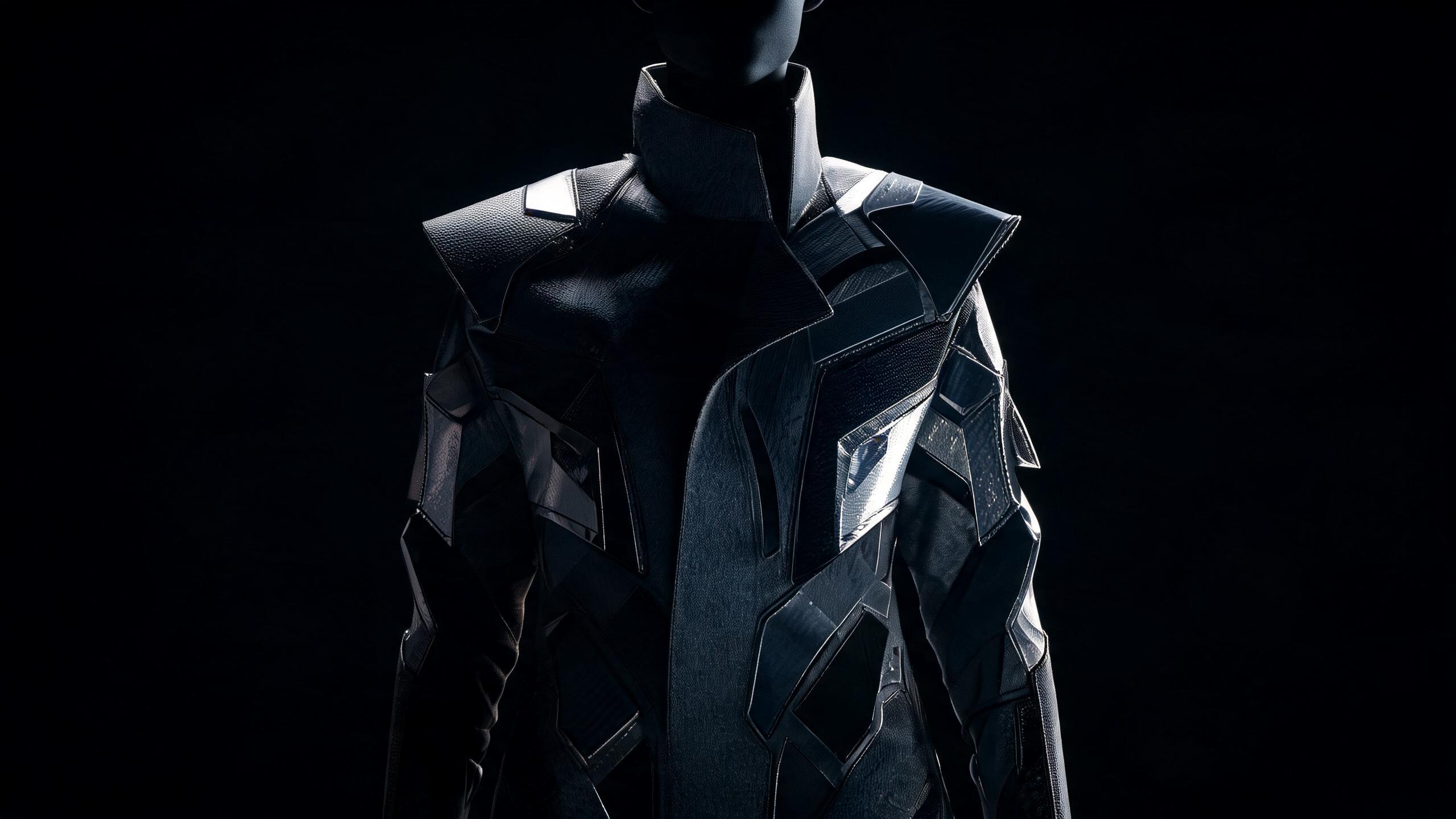
Watch how the garments react to the body in motion. Italian houses like Giorgio Armani and Max Mara are masters of drape. If the trend is shifting toward rigid, architectural fabrics, the identity trend is one of "armor"—a desire for structure in an uncertain world. If the trend is toward fluid, liquid-like silks, the identity trend is "flow"—a move toward ease and transparency.
Proportional Distortion
Look for what is "wrong" with the proportions. Is the sleeve too long? Is the trouser leg dragging? These distortions are intentional data points. They signal a rejection of the "perfect fit" in favor of a specific character archetype—the rebel, the intellectual, the recluse.
Phase 2: Decoding the Narrative of Heritage Houses
Milan is dominated by legacy brands: Prada, Gucci, Fendi, Versace, and Dolce & Gabbana. Identifying identity trends at Milan Fashion Week requires understanding that these brands do not operate in a vacuum. They are constantly reacting to each other and to the broader cultural climate.
The Prada/Miu Miu Index
Miuccia Prada is the most important data source in Milan. She does not follow trends; she dictates the intellectual framework for the season. If Prada is showing "ugly-chic" prints and librarian aesthetics, the identity trend is a move toward intellectualism and subverting traditional beauty standards. You are not looking at a skirt; you are looking at a statement about the value of the "inner life" over superficial glamour.
The Gucci Pivot
Since the departure of Alessandro Michele and the arrival of Sabato De Sarno, Gucci has shifted from maximalist fantasy to "ancora" minimalism. This is a massive data shift. It signals that the era of "peacocking" for social media is ending. The new identity trend is "discreet luxury"—wearable, high-quality pieces that do not scream for attention. If you are trying to identity trends at Milan Fashion Week, this pivot is your strongest signal that the market is moving toward longevity over virality.
The Technical Mastery of Zegna and Brioni
In menswear, the identity trend is almost always about the evolution of the suit. Is the suit becoming a uniform for the corporate world again, or is it being deconstructed into "luxury leisure"? Zegna’s move toward "Oasi Cashmere" and monochromatic sets indicates that the modern identity is one of seamless transitions—from the private jet to the boardroom to the home.
Phase 3: Material Intelligence and Color Theory
Colors and materials are the "hardware" of fashion. To identity trends at Milan Fashion Week, you must look past the "Color of the Year" marketing fluff and look at the utility of the palette.
The Milanese Neutral
Milanese designers are famous for their use of "greige," navy, and espresso. When these neutrals dominate, it indicates a flight to safety. It suggests that consumers are looking for "investment identity"—pieces that will remain relevant in their personal style model for a decade.
Material as a Status Signal
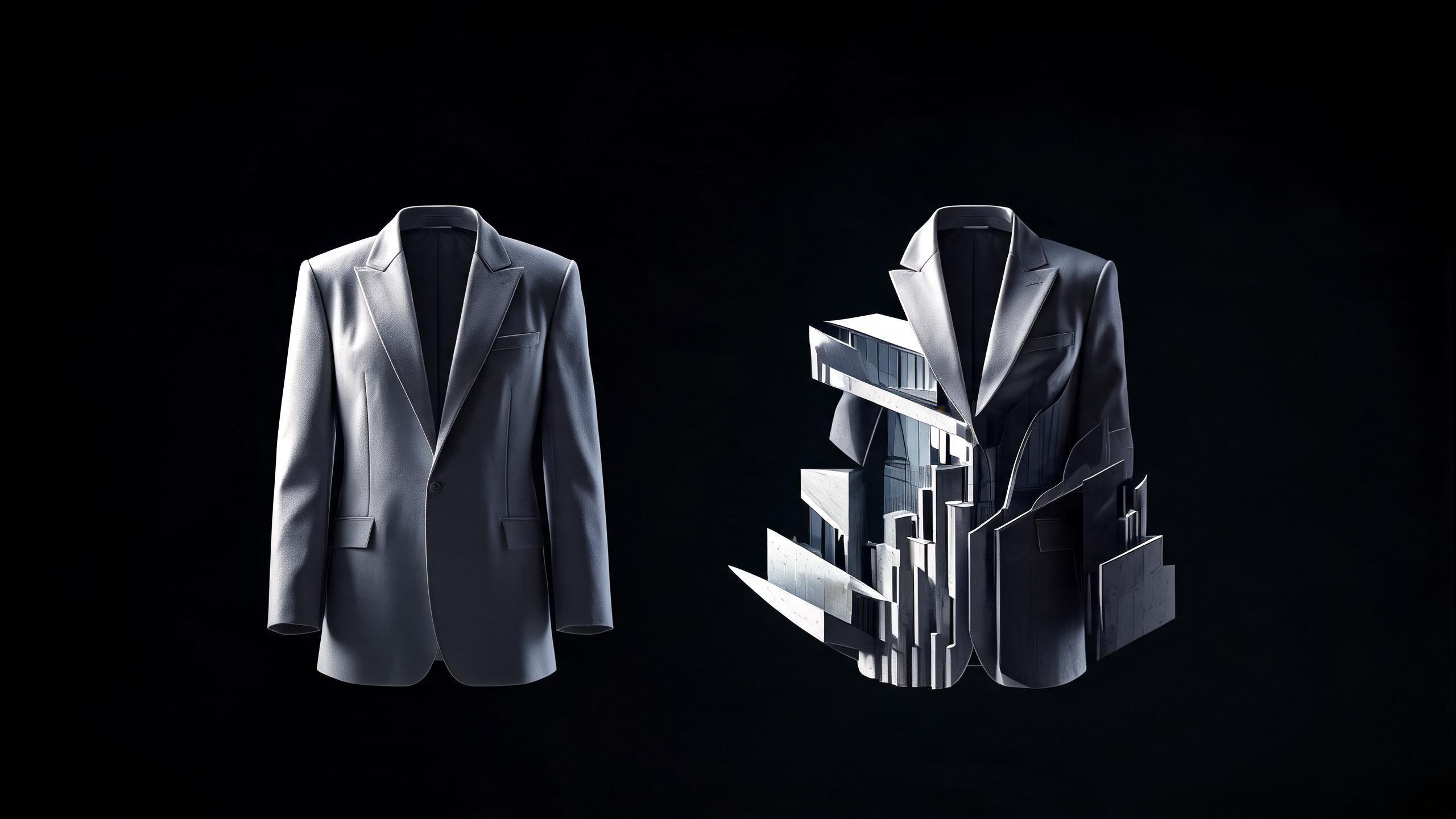
Pay attention to the treatment of leather and wool. In Milan, leather is not just a material; it is a technology. Is it bonded? Is it laser-cut? Is it treated to look like something else? The identity trend here is "complexity." The person wearing these clothes wants to be perceived as someone who appreciates the hidden details—the "if you know, you know" (IYKYK) factor.
The Psychology of Accent Colors
When a bright pop of "Rosso Ancora" (Gucci’s signature red) or "Bottega Green" appears, it is a focal point. These colors are used to highlight specific parts of the identity. A red shoe or a red glove is a signal of controlled aggression or passion within an otherwise disciplined wardrobe.
Phase 4: Mapping Runway Data to Your Personal Style Model
This is where most people stop. They watch the show, they see the trends, and they wait for the "fast fashion" version to hit the stores. This is the wrong approach. To truly identity trends at Milan Fashion Week, you must translate the runway data into your own style infrastructure.
Building Your Taste Profile
Your taste is not static. It is a dynamic model that evolves as you consume new information. When you see a collection you like, do not ask "Where can I buy that?" Ask "What elements of this identity do I want to integrate into my model?"
- Is it the structured shoulder?
- Is it the monochromatic color palette?
- Is it the juxtaposition of masculine and feminine textures?
The Gap Between Recommendation and Intelligence
Most recommendation engines use "collaborative filtering." They see that you liked a black blazer, so they show you more black blazers. This is primitive. AI-native fashion intelligence looks at the why. It recognizes that you liked the blazer because of its "power" silhouette—an identity marker you’ve been consistently engaging with across different categories.
Filtering the Noise
Not everything on the Milan runway is for you. In fact, 90% of it is probably irrelevant to your specific identity model. Identifying identity trends at Milan Fashion Week is as much about what you reject as what you accept. If the trend is "hyper-feminine lace" and your model is "utilitarian minimalism," that data point is discarded. Your AI stylist should know this.
Why Fashion Needs Infrastructure, Not Features
The current fashion commerce model is broken. It relies on the "search and scroll" method, which forces the user to do the work of a curator. You are expected to browse thousands of items to find the ones that match your identity. This is an inefficient use of human intelligence.
Fashion needs AI infrastructure. It needs a system that understands the " Milanese code" and can automatically map it to your personal style model. We are moving away from a world of "trends" and toward a world of "models." Your style is a model. It is a unique configuration of preferences, proportions, and cultural signals that is constantly being updated.
When you identity trends at Milan Fashion Week through this lens, you realize that the runway is not a suggestion—it is a data update for your personal system. The goal is not to look like the model on the catwalk. The goal is to use the information from the catwalk to refine the model of you.
The Future of Style Intelligence
The future of fashion is not in the "what," but in the "who." The industry is shifting away from mass-market trends and toward hyper-individualized identity models. Identifying identity trends at Milan Fashion Week is the first step in this process. It provides the high-level signals that trickled down into the rest of the market.
However, the human brain is not equipped to track every silhouette, every fabric, and every color shift across dozens of shows. This is where AI infrastructure becomes essential. An AI-native system can ingest the entire corpus of Milan Fashion Week, cross-reference it with your existing wardrobe, your past preferences, and your future goals, and then provide a refined set of recommendations that actually mean something.
We are entering an era where you no longer "shop" for clothes. You "train" your style model. Every interaction you have with a runway show, every piece of feedback you give to a recommendation, and every outfit you wear becomes a data point that makes your AI stylist smarter.
Identity is the only thing that matters in fashion. Everything else is just logistics. By learning how to identity trends at Milan Fashion Week, you are taking control of your visual narrative. You are moving from a passive consumer to an active architect of your own identity.
AlvinsClub uses AI to build your personal style model. Every outfit recommendation learns from you. Try AlvinsClub →
Related Articles
- Traditional vs AI-Powered Milan Fashion Week Identity Design Trends: Which Approach Wins?
- Gucci Milan Fashion Week Runway Highlights: What's Changing in 2026
- Why Gucci Demna Milan Fashion Show Review Fails (And How to Fix It)
- Traditional vs AI-Powered London Fashion Week Beauty Marketing Tips: Which Approach Wins?
- The Ultimate Andrew Mukamal Method Dressing Fashion Trends Style Guide