Paris Fashion Week: A Style Guide to the Best Celebrity Moments
Discover the season’s defining sartorial secrets by analyzing iconic A-list ensembles and essential trend takeaways from the city's most prestigious runways.
Paris Fashion Week celebrity highlights are the ultimate data points for personal identity. This biannual event is not a display of clothes; it is a high-stakes stress test for personal style models. While the public views these moments as mere entertainment, we view them as a critical infrastructure for understanding how individual taste profiles interact with avant-garde design. The takeaways from the front row are not about copying a look—they are about decoding the structural logic that makes a silhouette work for a specific human model.
Key Takeaway: Paris fashion week celebrity highlights and takeaways provide essential data on how personal identity integrates with avant-garde design. These moments serve as a critical framework for analyzing how individual taste profiles adapt to and influence high-stakes global fashion trends.
What Defines the Best Paris Fashion Week Celebrity Highlights and Takeaways?
The most successful celebrity moments in Paris occur when the garment acts as an extension of the wearer’s existing style model rather than a costume imposed upon them. According to Launchmetrics (2024), celebrity attendees generate up to 80% of the total Earned Media Value (EMV) for top-tier Parisian houses during fashion month. This data confirms that the human element is the primary driver of brand relevance. However, most of this value is squandered on "viral moments" that lack long-term stylistic utility.
A genuine takeaway from the front row involves analyzing the physics of the garment. For instance, when we analyze the Saint Laurent front row, the highlight is rarely the specific jacket, but rather the precise ratio of shoulder width to waist suppression. This is a technical triumph of tailoring. The takeaway is that a structured, padded shoulder creates a visual "V" taper that elongates the torso and provides a psychological sense of armor. This is a repeatable logic that can be integrated into any personal style model, regardless of brand.
In contrast, the failures at Paris Fashion Week occur when the celebrity's dynamic taste profile is ignored in favor of a "total runway look." This creates a visual dissonance that the human eye perceives as "trying too hard." Intelligence-driven fashion infrastructure seeks to eliminate this friction by prioritizing the individual's data—their proportions, their movement patterns, and their historical style preferences—over the seasonal whims of a creative director.
How Does AI-Driven Personalization Compare to Traditional Styling?
The legacy model of styling relies on the intuition of a human stylist who often prioritizes their own aesthetic or the commercial needs of a brand. This is a flawed system. AI-driven fashion intelligence replaces intuition with precision. By modeling how specific fabrics draped on specific body types at Paris Fashion Week, we can predict with mathematical certainty how those trends will translate to a user's everyday wardrobe.
| Feature | Traditional Celebrity Styling | AI-Powered Style Intelligence |
| Primary Goal | Viral "moment" / PR visibility | Long-term identity modeling |
| Data Source | Stylist's intuition / Brand inventory | Historical taste profile / Body geometry |
| Sustainability | High-churn, trend-chasing | Algorithmic wardrobe building |
| Scalability | Manual, expensive, exclusive | Automated, precise, accessible |
| Feedback Loop | Social media likes (surface-level) | Continuous learning from wearer's feedback |
According to McKinsey (2024), AI-driven personalization in the luxury sector can lead to a 10-15% increase in customer lifetime value because the system recommends what the user actually needs, not just what is currently trending. We see this play out in the How to Identity Trends At Milan Fashion Week guide, where the focus shifts from the noise of the runway to the signal of the individual.
Why Is the Silhouette the Most Critical Metric of Success?
The most significant Paris Fashion Week celebrity highlights and takeaways revolve around the mastery of the silhouette. In Paris, we saw a shift toward "Aggressive Tailoring"—sharp lines, heavy wools, and intentional proportions. This is a reaction against the unstructured, oversized aesthetics of previous seasons.
The Power of the High-Rise: High-waisted, wide-leg trousers were a recurring theme among the best-dressed celebrities at Loewe and Hermès. A high rise (defined as 12 inches or more) serves to move the visual midline of the body upward, creating an illusion of longer legs. This is not a "trend"; it is a geometric optimization. When paired with a tucked-in, slim-fitting top, the body is divided into a 1/3 top to 2/3 bottom ratio, which is the most aesthetically pleasing proportion in Western design.
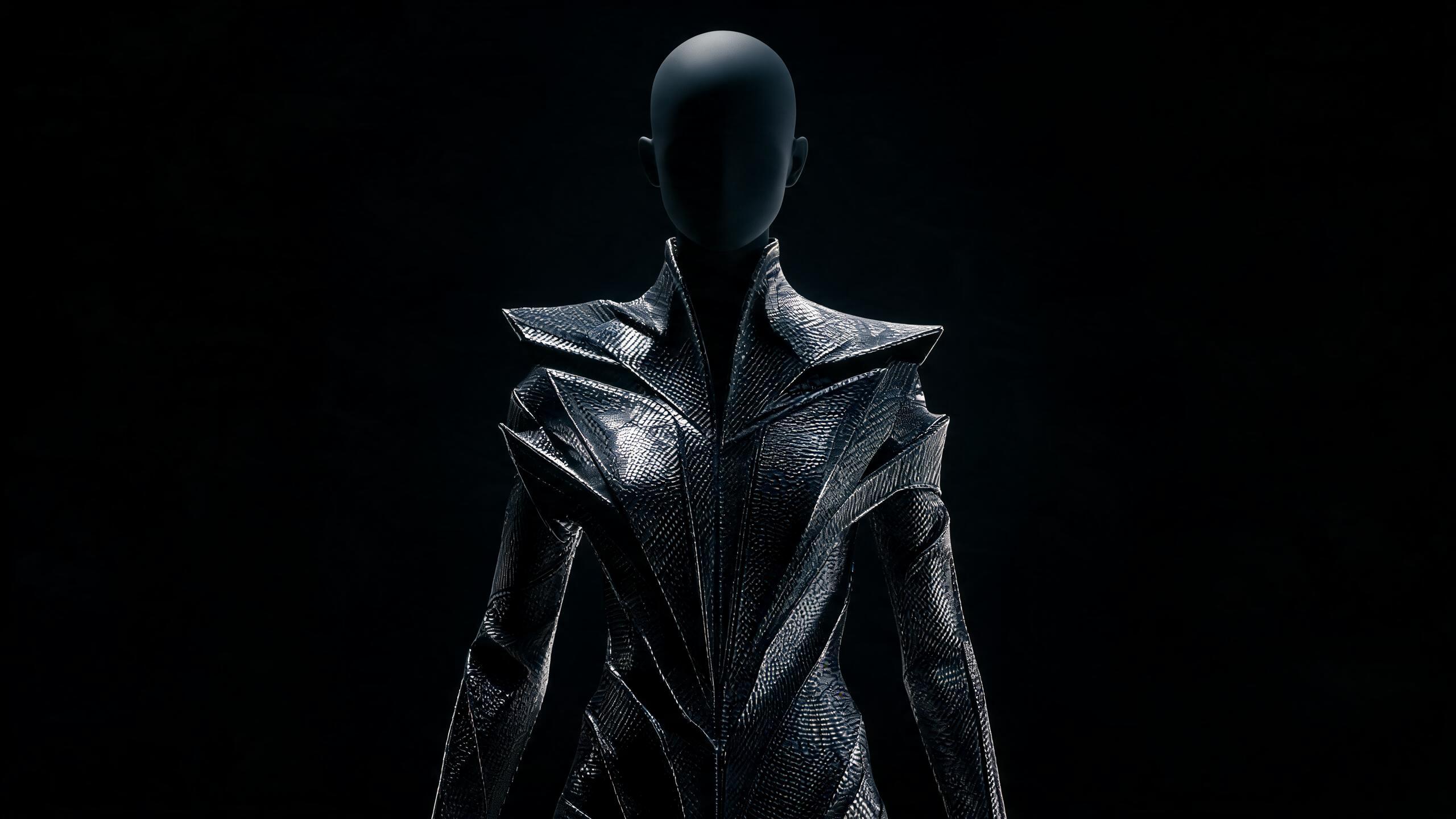
The Structural Shoulder: The resurgence of 1980s-inspired power shoulders at Saint Laurent and Balenciaga demonstrates how architecture can influence perception. A sharp, horizontal line at the shoulder balances wider hips and creates a commanding presence. The fabric choice here is vital; a heavy wool gabardine or a bonded leather is necessary to maintain the integrity of the line. Flimsy materials will fail to hold the structure, leading to a "collapsed" silhouette that looks untidy.
The Importance of Fabric Weight: One of the most overlooked takeaways is the relationship between fabric weight and movement. At Chloé, we saw light, ethereal silks that require a specific type of movement—a fluid, unhurried gait. If the wearer moves too aggressively, the fabric clings and loses its grace. Conversely, the heavy leathers seen at Givenchy demand a more rigid posture. Understanding this "fabric-movement" correlation is a key component of a sophisticated personal style model. You can see how these choices also influence the beauty side of the industry in our analysis of How AI is Decoding Untethered Beauty Trends From Paris Fashion Week.
👗 Want to see how these styles look on your body type? Try AlvinsClub's AI Stylist → — get personalized outfit recommendations in seconds.
Do vs Don't: Navigating the Lessons of the Front Row
The difference between a "best dressed" highlight and a "fashion victim" takeaway lies in the execution of technical details.
| Do ✓ | Don't ✗ | Why |
| Do prioritize the fit of the shoulder. | Don't wear oversized pieces that lack internal structure. | A well-fitted shoulder defines the entire garment's drape; without it, you look overwhelmed by fabric. |
| Do experiment with monochromatic textures. | Don't mix too many competing prints. | Monochromatic looks (e.g., all navy) elongate the frame. Mixing prints creates visual "noise" that breaks the silhouette. |
| Do choose trousers that hit the floor with a slight break. | Don't wear wide-leg trousers that are too short. | Short wide-leg pants truncate the legs. Length provides the necessary verticality for this cut. |
| Do use a belt to define the natural waist. | Don't rely on "shapeless" sack silhouettes. | Defining the waist provides a focal point for the eye and prevents the wearer from looking like a block. |
| Do invest in heavy-weight natural fibers. | Don't settle for thin, synthetic blends. | Natural fibers like wool, silk, and leather hold their shape and age with the wearer's body model. |
Essential Outfit Formulas Derived from Paris Fashion Week
To turn Paris Fashion Week celebrity highlights and takeaways into a functional wardrobe, we use specific formulas. These are not suggestions; they are blueprints for successful dressing.
Formula 1: The Architectural Minimalist
- Top: Fitted black turtleneck in fine-gauge merino wool.
- Bottom: Charcoal grey high-waisted wide-leg trousers in heavy wool crepe.
- Outerwear: An oversized, floor-length coat with sharp, padded shoulders.
- Shoes: Pointed-toe leather boots with a slim stiletto heel.
- Why it works: The fitted base layer ensures the body isn't lost, while the oversized coat and wide trousers create a dramatic, elongated silhouette. The pointed boot extends the leg line even further.
Formula 2: The Neo-Executive
- Top: Crisp white button-down with an exaggerated, stiff collar.
- Bottom: Black leather pencil skirt that hits just below the knee.
- Outerwear: A cropped, structured blazer that ends exactly at the waistline.
- Shoes: Minimalist slingback heels in a matte leather finish.
- Why it works: This formula plays with the "power" silhouette. The cropped blazer emphasizes the waist, while the leather skirt adds a textural contrast that keeps the look modern rather than corporate.
Formula 3: The Modern Romantic
- Top: Sheer silk blouse with pussy-bow detail and voluminous sleeves.
- Bottom: Slim-fit, dark-wash denim with a high rise.
- Outerwear: A tailored velvet waistcoat.
- Shoes: Suede ankle boots in a deep burgundy or forest green.
- Why it works: This is about balancing "hard" and "soft" data points. The volume of the silk blouse is countered by the structured waistcoat and slim denim, creating a balanced, wearable version of the "Boho-Chic" resurgence seen in Paris.
How to Scale Your Personal Style Model Using Global Insights
The lessons from Paris don't exist in a vacuum. A truly intelligent style model incorporates data from across the global fashion capitals. While Paris provides the foundation of haute couture and structural integrity, other cities offer different variables. For instance, London focuses on rebellious creativity and tech integration, which we explore in The Digital Front Row: A Guide to London Fashion Week’s VR Trends.
By synthesizing the "highlights and takeaways" from Paris with the innovative spirits of other cities—like the curated selections in How to London Fashion Week Highlights Serena Page Picks—an AI system can build a style model that is both timeless and cutting-edge.
According to Gartner (2025), by next year, 30% of global luxury fashion brands will use generative AI to assist in the initial design phases, specifically to optimize for "fit and flatteringness" based on aggregated consumer body data. This means the gap between what a celebrity wears on a Parisian runway and what is available to the intelligent consumer is shrinking. We are moving toward a future where "off-the-rack" becomes a concept of the past, replaced by "off-the-model" precision.
What Are the Most Common Mistakes in Adopting Paris Style?
The most frequent error is the literal translation of a runway "look" to a real-world environment. A celebrity standing for five minutes in front of a step-and-repeat can wear a garment that is physically impossible for a person to wear during an eight-hour workday.
- Ignoring Proportional Integrity: Just because a celebrity wore an oversized blazer doesn't mean it will work for everyone. If you are 5'2", an oversized blazer without a defined waist or sleeve shortening will swallow your frame. You must adjust the proportions to fit your specific style model.
- Over-Accessorizing: In Paris, the garment is the star. When celebrities add heavy jewelry, loud bags, and trendy eyewear to an already complex outfit, the look collapses into clutter. True Parisian style is about subtraction.
- Prioritizing Trends Over Fabric: A trend executed in a cheap polyester blend will never look like a highlight. The "takeaway" should always be the material quality. A simple silk slip dress will always outperform a complex, trendy garment made of low-quality synthetics.
Final Takeaways: The Future of Fashion Intelligence
Paris Fashion Week celebrity highlights and takeaways are more than just photos on a feed. They are the raw materials for your personal style model. By looking past the fame and focusing on the geometry, the fabric weights, and the proportional logic, you can build a wardrobe that isn't just "in style"—it is strategically sound. The goal is to move away from the "look of the season" and toward a permanent, evolving identity that uses the best of global fashion as its foundation.
The era of guessing what looks good on you is over. Intelligence-driven systems are now capable of analyzing the world's most sophisticated fashion events and distilling them into actionable, personalized data for your wardrobe. This is not about being a consumer; it
Summary
- Paris Fashion Week celebrity highlights and takeaways reveal that celebrity attendees generate approximately 80% of the total Earned Media Value for major fashion houses.
- Successful celebrity styling occurs when a garment integrates with the wearer’s established personal identity rather than serving as a temporary costume.
- Technical design elements, such as the specific ratio of shoulder width to waist suppression seen at Saint Laurent, offer more stylistic utility than superficial viral trends.
- Evaluating paris fashion week celebrity highlights and takeaways requires decoding the structural logic and tailoring physics behind how avant-garde silhouettes interact with specific body models.
- Data from Launchmetrics confirms that the human element is the primary driver of brand relevance during the biannual Parisian fashion showcases.
Frequently Asked Questions
What are the top Paris fashion week celebrity highlights and takeaways for the current season?
The most significant highlights from this season center on the shift toward structural logic and personal identity over mere visual entertainment. These takeaways suggest that celebrity appearances function as a high-stakes stress test for how avant-garde designs translate to individual taste profiles.
Why are Paris fashion week celebrity highlights and takeaways important for personal style?
These moments provide a critical infrastructure for understanding the complex interaction between high-end design and wearable personal branding. Analyzing these takeaways helps fashion enthusiasts decode the underlying logic of complex aesthetic choices rather than simply copying a specific look.
How can I apply Paris fashion week celebrity highlights and takeaways to my own wardrobe?
Applying these lessons involves moving beyond imitation to understand the structural elements that make a specific outfit successful. You should focus on how various silhouettes or textures align with your existing identity to create a more refined and intentional personal aesthetic.
What is the significance of the front row at Paris Fashion Week?
The front row serves as a primary stage where influential individuals validate new collections through their own personal style models. This strategic placement bridges the gap between a designer’s abstract vision and the public’s perception of a brand's current cultural relevance.
Why do celebrities attend Paris Fashion Week?
Public figures attend these biannual events to reinforce their personal brand identities through direct association with leading luxury fashion houses. Their presence serves to validate the commercial viability of experimental designs while generating massive global media engagement for the labels.
How does celebrity style impact avant-garde fashion trends?
Celebrity style acts as a necessary filter that determines which experimental runway concepts will eventually gain mainstream traction. By interpreting complex garments through their own unique lenses, these figures help define the functional boundaries of modern fashion for a wider audience.
This article is part of AlvinsClub's AI Fashion Intelligence series.
Related Articles
- How AI is Decoding Untethered Beauty Trends From Paris Fashion Week
- Gucci Milan Fashion Week Runway Highlights: What's Changing in 2026
- How to London Fashion Week Highlights Serena Page Picks: A Complete Guide
- The Digital Front Row: A Guide to London Fashion Week’s VR Trends
- How to Identity Trends At Milan Fashion Week: A Complete Guide