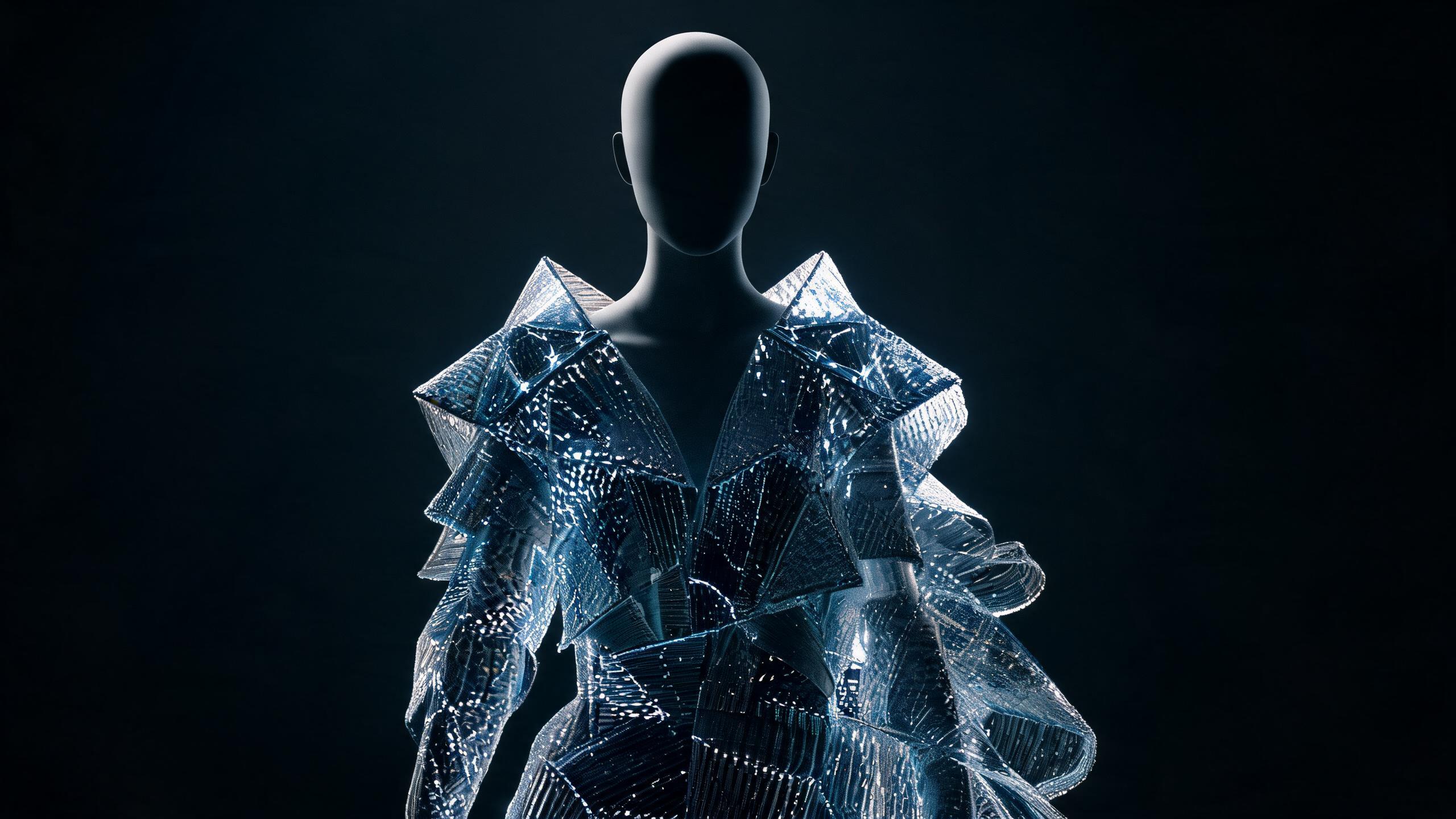
Gucci’s New Collection and the Rise of the Fashion Digital Twin

A deep dive into new gucci collection digital twins technology and what it means for modern fashion.
Digital twins in fashion are high-fidelity virtual replicas of physical garments that integrate geometric data, material properties, and movement physics to enable real-time style simulation and predictive modeling within a user’s personal style profile. This is the fundamental shift currently occurring at the intersection of luxury and technology. The new gucci collection digital twins technology represents more than a digital novelty; it is a structural pivot toward AI-native commerce where the physical garment is merely one manifestation of a larger, data-driven style asset.
Key Takeaway: Gucci leverages new gucci collection digital twins technology to provide high-fidelity virtual replicas that simulate material physics and movement for personalized styling. This integration allows luxury consumers to interact with physical garments through predictive modeling and real-time digital simulations.
What is the Significance of Gucci’s New Collection Digital Twins Technology?
The recent rollout of the latest Gucci collection signals a departure from the "metaverse" hype of previous years toward a more rigorous, infrastructure-focused application of 3D modeling. Gucci is no longer simply creating 3D skins for gaming; they are building a library of high-fidelity digital twins. These twins are precision-engineered replicas that account for fabric weight, light refraction, and how a textile drapes over a moving human form.
Traditional fashion commerce relies on static imagery. This is an obsolete medium. Static photos fail to communicate the structural reality of a garment, leading to the high return rates that plague the industry. By integrating digital twins, Gucci provides the raw data necessary for a personal style model to simulate how a piece from the new collection interacts with a user’s existing wardrobe and unique body geometry.
According to McKinsey & Company (2024), generative AI and 3D digital twin integration could add between $150 billion to $275 billion to the apparel, fashion, and luxury sectors' profits by 2027. This value is not generated by "virtual try-on" gimmicks but by the reduction of friction in the decision-making process. When a user’s AI stylist can accurately predict the fit and aesthetic compatibility of a $3,000 coat using its digital twin, the barrier to purchase dissolves.
How Digital Twins Differ from Traditional 3D Assets
| Feature | Traditional 3D Assets (CGI) | Fashion Digital Twins (AI-Native) |
|---|---|---|
| Primary Purpose | Visual representation/Gaming | Engineering accuracy/Predictive fit |
| Data Source | Artist interpretation | Photogrammetry + CAD data |
| Material Physics | Static or baked-in | Dynamic (simulates weight, shear, stretch) |
| Interoperability | Limited to specific platforms | Universal (can be ingested by personal style models) |
| Update Cycle | Static once rendered | Dynamic (responds to user body data) |
Why is the Current Fashion Model Broken?
The legacy fashion model is built on a "push" system: brands design collections, manufacture thousands of units based on guesswork, and then use marketing to convince consumers they need them. This leads to massive overproduction and a reliance on "trends"—which are nothing more than aggregated guesses.
The new gucci collection digital twins technology offers an alternative. It allows for a "pull" system. When a brand releases a digital twin ahead of physical production, they can analyze how those twins interact with millions of individual personal style models. This is data-driven style intelligence. Instead of chasing a trend, the brand observes the latent demand within the AI infrastructure.
Everyone is building virtual storefronts. Nobody is building the intelligence layer that makes those storefronts relevant. A digital twin of a Gucci bag is useless if the system recommending it doesn't understand your dynamic taste profile. Most recommendation engines suggest items based on what other people liked. This is a collaborative filtering failure. Fashion is personal; it requires a content-based approach that understands the "DNA" of the garment—data that is only available through a high-fidelity digital twin.
For a deeper dive into how this tech compares across the industry, see our analysis on Gucci vs. Demna: The 2024 Battle for Physical and Digital Luxury.
How Does AI Infrastructure Utilize the New Gucci Collection Digital Twins?
At AlvinsClub, we view the new gucci collection digital twins technology as raw input for a personal style model. A digital twin contains the "features" that an AI needs to understand.
Term: Style Embedding Definition: A mathematical representation of a garment's aesthetic properties (color, texture, silhouette, historical context) used by AI to determine compatibility with a user's taste profile.
When Gucci provides a digital twin, they are providing a rich set of embeddings. Our system takes these embeddings and runs them against your personal model. It doesn't ask "is this popular?" It asks "does the geometric structure of this Gucci blazer align with the user's preference for structured shoulders and their specific torso-to-hip ratio?"
According to Gartner (2025), 30% of global luxury brands will utilize digital twin technology to reduce physical prototyping waste by 40% within the next two years. While the industry focuses on waste reduction, the real revolution is in Personalized Styling Intelligence.
The Anatomy of an AI-Native Recommendation
- Garment Ingestion: The digital twin of the new Gucci collection is ingested into the system.
- Feature Extraction: AI identifies key variables: Rosso Ancora hue, weight of the wool-silk blend, the specific drop of the shoulder.
- Taste Mapping: These variables are mapped against the user's dynamic taste profile—a model that evolves based on every interaction, purchase, and "dislike."
- Simulation: The system simulates the digital twin on the user's body model, checking for both physical fit and aesthetic cohesion with their current closet.
👗 Want to see how these styles look on your body type? Try AlvinsClub's AI Stylist → — get personalized outfit recommendations in seconds.
Why Fashion Needs AI Infrastructure, Not AI Features
Most fashion brands are treating AI as a "feature"—a chatbot on the website or a "find your size" quiz. These are band-aids on a broken system. The new gucci collection digital twins technology only matters if there is an infrastructure capable of utilizing it.
Fashion tech currently suffers from a "personalization promise" gap. Brands promise to "know" you, but their systems are still based on cookies and clickstream data. They don't know your style; they know what you clicked on while you were bored.
True personalization requires a style model that is:
- Private: Your data belongs to you, not the brand.
- Evolving: It learns that your preference for Gucci's new minimalism is a shift from your previous interest in maximalism.
- Predictive: It identifies that a specific piece from the new collection is the "missing link" in your wardrobe before you even see it.
This is the difference between trend-chasing and style intelligence. Trends are for the masses; style is for the model. We analyzed this technical shift in our post Decoding the New Gucci Collection: An AI-Powered Fashion Analysis.
What Does This Mean for the Future of Luxury?
Luxury has always been about exclusivity and craftsmanship. In the AI-native era, luxury will be defined by Data Precision. The new gucci collection digital twins technology is the first step toward a bespoke digital experience that is more "luxury" than a physical store.
In a boutique, a sales associate can only know so much about you. An AI stylist, powered by your personal style model and fed by high-fidelity digital twins, knows everything. It knows how the light in your city will hit the fabric. It knows how the Gucci loafers will pair with the vintage denim you bought three years ago.
Outfit Formula: The AI-Generated Gucci Minimalist Look
This formula is derived from the structural data of the new collection's digital twins:
- Top: Boxy-fit crewneck in heavy-gauge technical knit (Gucci Digital Twin ID: #G-2024-KNIT)
- Bottom: Straight-leg trousers in "Rosso Ancora" wool-canvas
- Shoes: Horsebit loafers with thickened rubber lug soles
- Accessories: Minimalist silver-tone tie bar used as a lapel pin
Do vs. Don't: Utilizing Digital Twins in Your Style Strategy
| Do | Don't |
|---|---|
| Use digital twins to test garment layering before purchasing. | Use "virtual try-on" that only overlays a 2D image on a photo. |
| Connect your digital twin library to a learning style model. | Rely on brand-specific apps that don't talk to your wider wardrobe. |
| Analyze the material physics data to understand long-term durability. | Buy based on filtered marketing photography that hides fabric flaws. |
| View the digital twin as an asset that lives in your AI closet. | Treat digital fashion as a one-time "social media post" gimmick. |
Is This the End of the Fashion Stylist?
The rise of the new gucci collection digital twins technology does not eliminate the need for styling; it automates the drudgery of it. The human stylist is limited by their own memory and the brands they are paid to promote. An AI infrastructure is limited only by the quality of the data.
When you have a personal style model, the "search" part of shopping disappears. You don't browse a website. Your system presents you with the optimal choices from the Gucci collection that fit your existing identity. This is the death of "the search bar" and the birth of "the feed."
However, this feed is not an algorithm designed to keep you scrolling (like TikTok). It is an engine designed to help you decide. The goal of fashion AI infrastructure is to move you from "I might like this" to "I know this fits my model" in seconds.
Final Analysis: The Takeaway for the Modern Consumer
The fashion industry is currently divided into two camps: those who see AI as a marketing tool, and those who see it as a foundational rewrite of commerce. Gucci’s investment in digital twins suggests they are leaning toward the latter.
But a digital twin is only half of the equation. The other half is you. Without a personal style model to receive and process that Gucci data, the digital twin is just a sophisticated 3D file sitting on a server.
The gap between the "personalization" brands promise and the reality of the user experience is closing. This is not about virtual reality or the metaverse. This is about Fashion Intelligence. It is about moving from a world where you adapt to the clothes, to a world where the data-driven model of the clothes adapts to you.
The new gucci collection digital twins technology is a signal that the infrastructure is finally catching up to the vision. We are moving toward a future where "shopping" is replaced by "curated ingestion." Your model does the work; you make the final call.
How will your personal style model interpret the new Gucci silhouette?
AlvinsClub uses AI to build your personal style model. Every outfit recommendation learns from you. Try AlvinsClub →
Summary
- Digital twins in fashion are high-fidelity virtual replicas that integrate material properties and movement physics to facilitate predictive style modeling.
- The new gucci collection digital twins technology represents a structural pivot toward AI-native commerce where physical garments are treated as data-driven style assets.
- Gucci’s high-fidelity twins are precision-engineered to simulate fabric weight, light refraction, and the specific drape of textiles on a moving human form.
- The implementation of the new gucci collection digital twins technology provides the necessary data for personal style models to simulate garment fit and movement.
- This technological transition aims to replace static imagery with dynamic 3D models to address the high return rates currently plaguing the luxury fashion industry.
Frequently Asked Questions
What is the new gucci collection digital twins technology?
The new gucci collection digital twins technology consists of high-fidelity virtual replicas of physical garments designed for real-time style simulation and predictive modeling. These digital assets integrate specific material properties and movement physics to accurately represent how luxury pieces look and behave on a digital avatar. This innovation marks a structural pivot toward AI-native commerce by bridging the gap between physical products and virtual wardrobes.
How do fashion digital twins work in the new Gucci line?
Digital twins in the Gucci collection function by capturing geometric data and movement physics of actual clothing items to create accurate virtual counterparts. These replicas are integrated into personal style profiles where they can be simulated for a realistic fit and drape on a user’s digital body. This technology allows consumers to visualize how luxury fabrics move and interact with their specific shape before any physical transaction occurs.
Why is Gucci using digital twin technology for its latest collection?
Gucci is implementing this technology to transition toward an integrated retail model that blends physical high-end fashion with immersive virtual experiences. By using the new gucci collection digital twins technology, the brand can offer personalized styling services and predictive modeling powered by artificial intelligence. This strategy allows the fashion house to engage deeply with tech-savvy audiences while laying the groundwork for future AI-native commerce.
Can you buy virtual items from the new gucci collection digital twins technology?
Consumers can acquire digital replicas of items from the new gucci collection digital twins technology to enhance their personal style profiles across various virtual environments. These high-fidelity assets are designed to serve as functional digital garments that exist alongside their physical versions in a user's inventory. The integration of these twins allows for seamless usage in virtual fitting rooms, social platforms, and digital fashion simulations.
What are the benefits of digital twins in luxury fashion?
Digital twins provide luxury brands with the ability to offer hyper-personalized styling advice based on unique user data and material physics. They significantly reduce the environmental impact of the industry by streamlining the design and sampling processes through virtual simulations. Furthermore, these digital assets create new engagement opportunities through interactive commerce and the expansion of a brand’s presence in digital spaces.
How does AI-native commerce affect the Gucci digital twin experience?
AI-native commerce enables the Gucci digital twin experience to provide real-time simulations and predictive styling that evolves based on individual user preferences. The technology uses sophisticated algorithms to suggest outfit combinations and model how specific textiles will react to movement. This shift ensures that the luxury shopping experience remains interactive, data-driven, and highly tailored to the modern consumer's digital lifestyle.
This article is part of AlvinsClub's AI Fashion Intelligence series.
Related Articles
- Decoding the New Gucci Collection: An AI-Powered Fashion Analysis
- Gucci vs. Demna: The 2024 Battle for Physical and Digital Luxury
- Beyond the Gimmick: Reviewing the AI Tech in Demna’s Latest Collection
- Why New Balance’s 2026 Gore-Tex Tech is a Masterclass in Functional Style
- How Gucci and Demna’s Virtual Try-On Tech is Redefining Digital Luxury
How to Evaluate Gucci’s Digital Twin Strategy: Consumer Benefits, Business Impact, and Practical Limits
The new Gucci collection digital twins technology is most valuable when it connects a digital garment to a useful customer experience rather than treating 3D assets as promotional artwork. For shoppers, the technology can reduce uncertainty before purchase; for Gucci, it can create a more measurable relationship with each product across its entire lifecycle.
From virtual try-on to better purchase decisions
A digital twin can combine a garment’s 3D geometry with information about fabric stretch, drape, thickness, fit, and color response under different lighting conditions. In practice, a shopper could view the same Gucci jacket on a body profile, adjust the camera angle, compare it with existing pieces in a digital wardrobe, and see how the material behaves while walking or sitting.
This is more informative than a standard product photograph, but it should not be confused with a guarantee of fit. Body-scanning accuracy, device cameras, display calibration, and differences in posture can all affect the result. The most responsible implementation would therefore present a confidence range—such as “relaxed fit,” “structured fit,” or “runs narrow at the shoulder”—alongside conventional garment measurements.
For consumers, the best way to use a Gucci digital twin is as one layer of evidence:
- Check the official size chart and garment measurements.
- Compare the virtual simulation with photos of the item on multiple body types.
- Review fabric composition, care instructions, and return terms.
- Use the digital preview to assess styling and proportions, not just size.
- Save screenshots of the selected color and configuration before checkout.
This approach makes virtual styling practical while avoiding overreliance on an imperfect simulation.
A new product passport for luxury goods
Digital twins may also function as persistent product passports. A physical Gucci item could be associated with a secure digital record containing its model name, production details, materials, care guidance, repair history, and ownership status. If the owner resells the item, the twin could help the next buyer verify that the digital record corresponds to the physical product.
That capability matters in luxury fashion because authenticity, provenance, and condition strongly influence resale value. A product passport could include:
- A unique item identifier linked to the original purchase
- The season and collection in which the item was released
- Material and manufacturing information
- Recommended cleaning and storage procedures
- Documented repairs or alterations
- Transfer history when ownership changes
- Digital certificates for eligible limited-edition products
The system would not eliminate counterfeit goods by itself. A fake item could still be paired with copied images or stolen data. Stronger protection would require tamper-resistant identifiers, controlled ownership transfers, and an easy way for buyers and resale platforms to validate records.
Inventory, production, and sustainability applications
The commercial significance of Gucci’s digital twin initiative extends beyond the storefront. Once a product has a reliable 3D representation, design, merchandising, manufacturing, and marketing teams can work from a shared asset. Designers can test proportions and colorways digitally before physical sampling, while buyers can review a collection without requiring every prototype to be shipped between offices.
This may reduce unnecessary samples, but sustainability claims should be measured rather than assumed. A digital prototype does not automatically lower a product’s environmental impact. The result depends on whether Gucci actually changes its workflow—for example, by reducing sample production, avoiding duplicate international shipments, or using demand signals to limit overproduction.
Useful performance indicators would include:
- Number of physical samples avoided per collection
- Reduction in sample-related transport
- Digital-to-physical conversion rate
- Return rate for products viewed through virtual fitting
- Repair or resale activity connected to product passports
- Energy used to create and deliver 3D assets
- Percentage of product catalog covered by verified digital twins
These metrics would help distinguish meaningful operational change from a purely visual campaign.
Why interoperability will determine long-term value
A digital twin becomes more valuable when it can move with the customer across approved services. A shopper may want to use a Gucci garment in a personal wardrobe app, an augmented-reality styling tool, a resale marketplace, or a game platform. If the asset only works inside one closed environment, its usefulness and lifespan are limited.
Interoperability does not mean Gucci must surrender control of its intellectual property. The company could issue permissioned versions with different capabilities. For example, a customer might receive a private styling model, while an authenticated resale platform receives only provenance and condition data. A licensed virtual-world version could display the garment but restrict copying, modification, or commercial use.
Consumers should look for clear answers to four questions before connecting a digital wardrobe or purchasing a digital collectible:
- Who owns the digital file?
- What data is collected during scanning or personalization?
- Can the item be transferred or deleted?
- Which platforms will continue to support it if the original service changes?
These questions are especially important for high-value fashion purchases, where a digital benefit may be marketed as permanent but depend on a temporary application or subscription.
Privacy and identity considerations
Personalized digital fashion can require sensitive information, including body measurements, facial images, shopping behavior, location, and inferred preferences. A trustworthy system should collect only what is necessary, explain how long the information is retained, and provide controls for deletion or export.
A strong privacy policy should distinguish between:
- Data needed to render a garment
- Data used to recommend products
- Data used for analytics or advertising
- Data shared with technology vendors
- Data stored for authentication or resale
Shoppers can reduce exposure by using manual measurements instead of a full-body scan where possible, declining optional personalization, and checking whether a virtual try-on tool stores images after the session ends.
What success would look like
The success of Gucci’s new collection digital twins technology should not be judged by the visual realism of a single demo. More meaningful signs include higher customer confidence, fewer avoidable returns, better product care, verifiable resale records, faster design iteration, and transparent sustainability reporting.
The strongest model is a connected one: a digital twin begins as a styling and shopping aid, becomes a product passport after purchase, and remains useful for care, repair, authentication, and resale. If Gucci can make that journey reliable while protecting customer data and supporting open standards, its digital collection strategy could influence how luxury fashion manages products long after the first online launch.
How to Evaluate Gucci’s Digital Twin Experience Before You Buy
The value of Gucci’s new collection digital twins technology is not limited to viewing a garment in 3D. For shoppers, the more practical question is whether a digital twin can make product discovery, fit evaluation, authentication, and long-term ownership more useful. A well-designed twin should connect the visual identity of a Gucci piece with reliable product information and interactive tools, rather than function as a decorative animation.
1. Use the digital twin to inspect construction details
When available, zoom into the areas that are difficult to assess in a standard product photograph:
- Material and finish: Check how leather grain, satin sheen, knit texture, embroidery, or metallic hardware reacts to changing light.
- Construction: Look for seams, edge painting, stitching density, lining, closures, and the placement of logos or motifs.
- Proportion: Compare the digital garment’s length, shoulder width, rise, handle drop, or silhouette with the stated measurements.
- Movement: Rotate the model or activate motion previews to see whether a jacket drapes rigidly, whether a skirt swings naturally, or whether a bag maintains its structure.
These details matter because luxury products are often purchased for craftsmanship as much as for branding. A digital twin can provide a more consistent inspection method than a set of static images, particularly when a collection includes unusual cuts or reflective materials.
2. Separate visualization from fit prediction
A digital replica is not automatically a virtual fitting tool. Visualization shows what a product looks like in a rendered environment; fit prediction attempts to estimate how it will perform on a specific body. The accuracy of the second function depends on several variables:
- Reliable garment measurements
- A complete and accurate user size profile
- A physics engine that models stretch, compression, and drape
- Consistent sizing across the relevant Gucci product line
- High-quality body-scanning or measurement input
Shoppers should therefore treat a digital try-on as an additional decision aid, not a guarantee. Before ordering, compare the product’s measurements with a garment that already fits well. Measure the chest, waist, hips, sleeve length, inseam, and shoulder width where relevant, and check whether the item is designed for a close, regular, or oversized fit.
For footwear, compare both foot length and width. A rendered shoe may appear comfortable while still feeling narrow in the toe box. For handbags, assess dimensions against everyday items such as a phone, sunglasses case, or tablet. These simple checks reduce the risk of relying too heavily on an attractive visualization.
3. Look for product-specific provenance and authentication features
One of the most significant potential applications of a fashion digital twin is the creation of a persistent product record. Depending on how Gucci implements the system, that record could include:
- A unique product identifier
- Date and location of manufacture
- Material or component information
- Purchase and ownership history
- Care instructions
- Repair or refurbishment records
- Transfer information for resale
This information can be especially valuable in the luxury resale market, where buyers want confidence that an item is genuine and that its condition has been represented accurately. However, a digital certificate should not be confused with complete proof of authenticity. Consumers should verify that the record is accessed through an official Gucci channel, matches the physical item, and cannot be copied or transferred without authorization.
For secondhand purchases, ask the seller to demonstrate the product record without sharing unnecessary personal information. Compare serial numbers, tags, hardware, packaging, and construction details with the digital listing. A digital twin strengthens the authentication process when it is linked securely to the item, but it does not eliminate the need for independent checks.
4. Consider the environmental benefit carefully
Digital twins may help reduce waste when they replace unnecessary physical samples, support made-to-order production, or improve inventory forecasting. A design team can test multiple colors, trims, and silhouettes digitally before producing a complete sample. Retailers may also use demand data to reduce overproduction and move stock more efficiently between stores.
The environmental result is not automatic. High-resolution rendering, cloud storage, blockchain-style records, and repeated device use all require energy and infrastructure. In addition, digital previews can encourage more frequent purchasing if they make new products easier to browse and share. The strongest sustainability case comes when Gucci uses digital twins to reduce physical sampling, improve durability and repair, publish clearer care guidance, and extend the useful life of products.
Consumers can look for practical evidence rather than broad claims. Useful indicators include fewer physical samples, repair services connected to the product record, transparent material information, and measurable reductions in returns or unsold inventory. A digital twin is most meaningful when it supports a longer product life, not merely a more immersive launch campaign.
5. Protect personal data when creating a style profile
Personalized styling may require information about body measurements, browsing behavior, purchase history, preferred colors, or photographs. Before creating a profile, check what data the experience requests and whether each field is optional. Avoid uploading more personal information than necessary, particularly if a basic size recommendation can be produced from standard measurements.
Review the platform’s privacy controls for:
- Data retention periods
- Use of images or body measurements
- Sharing with advertising and technology partners
- Deletion and account-export options
- Whether recommendations are based on activity across other websites
A useful digital styling service should explain why it needs each category of data. Consumers should also use strong, unique passwords and avoid accessing account or ownership records over unsecured public networks. These steps are important because a persistent digital fashion identity can contain information that is more sensitive than an ordinary product wishlist.
6. Track measurable improvements, not novelty
The success of a Gucci digital twin should be judged by outcomes that shoppers can recognize. Relevant measures include lower return rates, faster product comparison, more accurate sizing, improved repair access, clearer provenance, and a longer period of active ownership. Social filters, virtual collectibles, and interactive campaigns may increase attention, but they do not necessarily improve the buying experience.
For consumers comparing the latest Gucci collection with conventional product pages, a simple evaluation framework is useful:
- Does the digital twin reveal construction or material information unavailable in photographs?
- Does it provide measurements that support a confident size decision?
- Is the experience connected to an official product record?
- Can the record support care, repair, resale, or transfer?
- Are privacy and data-use policies easy to understand?
- Does the tool work reliably on ordinary mobile devices?
If the answer is yes across these areas, the technology offers practical value beyond visual novelty. If not, the digital twin may still be an effective storytelling tool, but shoppers should make purchase decisions using conventional measurements, return policies, and authentication checks as well.
How to Evaluate Gucci’s New Collection Digital Twins Before You Buy
The practical value of Gucci’s new collection digital twins technology is not limited to virtual try-ons or digital wardrobe displays. For shoppers, the most important question is whether a digital twin improves the decisions made before checkout: choosing a size, comparing colorways, understanding how a fabric behaves, and estimating whether a luxury item will work with pieces already in a wardrobe. For the brand, the same system can connect product discovery, clienteling, authentication, aftercare, and resale.
Use digital twins as a fit and styling aid—not a guarantee
A digital garment can show how a silhouette is intended to fall, but it cannot perfectly predict how it will fit every body. A simulation may be based on standardized measurements, a selected avatar, or a customer’s manually entered profile. Real-world results can still vary because of posture, layering, personal preference, and differences in fabric production.
Before relying on a virtual fitting experience, check whether the tool provides:
- A clear size chart with garment measurements rather than body measurements alone
- Multiple body-shape or height options
- Adjustable footwear and layering choices
- Front, side, and back views
- Fabric-specific information, including stretch, weight, lining, and drape
- A return policy that applies to digitally assisted purchases
A useful approach is to compare three measurements: chest or bust, waist, and hip circumference. For tailored products, also consider shoulder width, sleeve length, rise, and inseam. If the digital twin shows a structured jacket or coat, look for ease—the extra space built into the garment—rather than assuming a close visual fit is the recommended size. A virtual model can make an oversized item appear intentional, while a customer seeking a conventional fit may need a smaller size.
Examine material behavior and construction details
One advantage of a high-quality digital twin is its ability to communicate properties that standard product photography often hides. A moving simulation may reveal whether a skirt swings away from the body, whether a knit compresses at the waist, or whether a soft leather bag collapses when it is not filled. These details are especially valuable for products with a high price and long expected lifespan.
When reviewing a Gucci digital twin, examine:
- Drape: Does the fabric move fluidly, hold a sharp line, or return quickly to its original shape?
- Reflectivity: Does satin, patent leather, metallic thread, or coated canvas change appearance under different lighting?
- Texture: Can the interface distinguish smooth leather from pebbled leather, brushed wool, velvet, or jacquard?
- Hardware: Are clasps, chains, buckles, and logos represented at their real scale?
- Construction: Are seams, pleats, quilting, pockets, and lining visible in close-up views?
These visual cues should be treated as product education, not proof that the online rendering perfectly reproduces the physical item. Screen calibration, compression, and lighting can alter color. Buyers should confirm the written materials list and request additional photographs when a shade or texture is critical.
Build a digital wardrobe around cost per wear
A digital twin becomes more useful when it is connected to a customer’s existing wardrobe. Instead of viewing a new item in isolation, shoppers can test combinations and estimate likely use. For example, a Gucci blazer can be paired with denim, workwear, evening pieces, or sneakers already owned. A handbag can be evaluated against coat colors and hardware preferences. This turns a visually persuasive experience into a more disciplined purchase decision.
A simple cost-per-wear calculation can help:
Estimated cost per wear = purchase price ÷ expected number of uses
A $2,400 jacket worn 60 times has an estimated cost of $40 per wear. If a digital styling tool shows only one plausible outfit, the item may have limited versatility. If it works with ten or more existing combinations and suits several occasions, its potential value is clearer. The calculation is not a prediction of resale value, but it encourages shoppers to assess wardrobe compatibility rather than buying solely because an avatar rendering looks impressive.
Use saved outfits to test three conditions:
- Occasion: work, travel, formal events, casual weekends, or seasonal wear
- Climate: whether the fabric and layering make sense for the places where the item will be used
- Compatibility: whether the color, proportion, and logo treatment complement existing pieces
Ask what data the experience collects
Digital twins rely on data. Depending on the implementation, a fashion platform may process body measurements, uploaded images, browsing behavior, saved outfits, purchase history, location, and interaction patterns. That information can improve recommendations, but it also creates privacy questions that shoppers should not ignore.
Before using an avatar or uploading photographs, review:
- Whether images are stored or deleted after processing
- Whether measurements are shared with service providers
- Whether the profile is used for advertising or personalized pricing
- How to export or delete saved wardrobe data
- Whether the experience works without biometric-style image analysis
Consumers should avoid uploading photographs that reveal unrelated people, children, addresses, documents, or other sensitive information. When possible, use manual measurements instead of a full-body image. Brands can strengthen trust by publishing retention periods, consent controls, and plain-language explanations of how digital fitting data is used.
Look for product passports and post-purchase services
The strongest use case for a digital twin may occur after the sale. A digital representation can be linked to a product record containing its model name, materials, care instructions, repair history, and ownership events. This can help an owner maintain the item and provide more reliable information when reselling or transferring it.
A useful digital product record might include:
- A unique product identifier
- Purchase date and authorized retail channel
- Country of manufacture
- Care and storage instructions
- Repair or alteration records
- Warranty or service eligibility
- A method for transferring ownership without exposing private data
This type of record should complement, not replace, physical authentication. A QR code, NFC tag, or account record can be copied, removed, or transferred improperly. Buyers in the resale market should still inspect stitching, materials, hardware, serial details where applicable, packaging, and seller credibility.
For long-term value, ask whether the digital twin remains accessible if an app changes, an account is closed, or a platform is discontinued. Durable ownership requires clear documentation and a way to retrieve essential product information independently of a temporary campaign.
What success should look like
The success of Gucci’s new collection digital twins technology should be measured by practical outcomes rather than novelty. Relevant indicators include lower return rates, fewer size exchanges, stronger product understanding, increased repair activity, and improved confidence in resale. Engagement metrics such as avatar views or time spent in a virtual showroom are useful, but they do not prove that the technology benefits customers.
The best digital twin experience gives shoppers more control, clearer information, and a realistic understanding of the product. It should make luxury purchasing more considered—not simply more immersive. When combined with accurate specifications, transparent data practices, and durable product records, Gucci’s digital collection can function as a useful layer across discovery, ownership, and the entire fashion lifecycle.