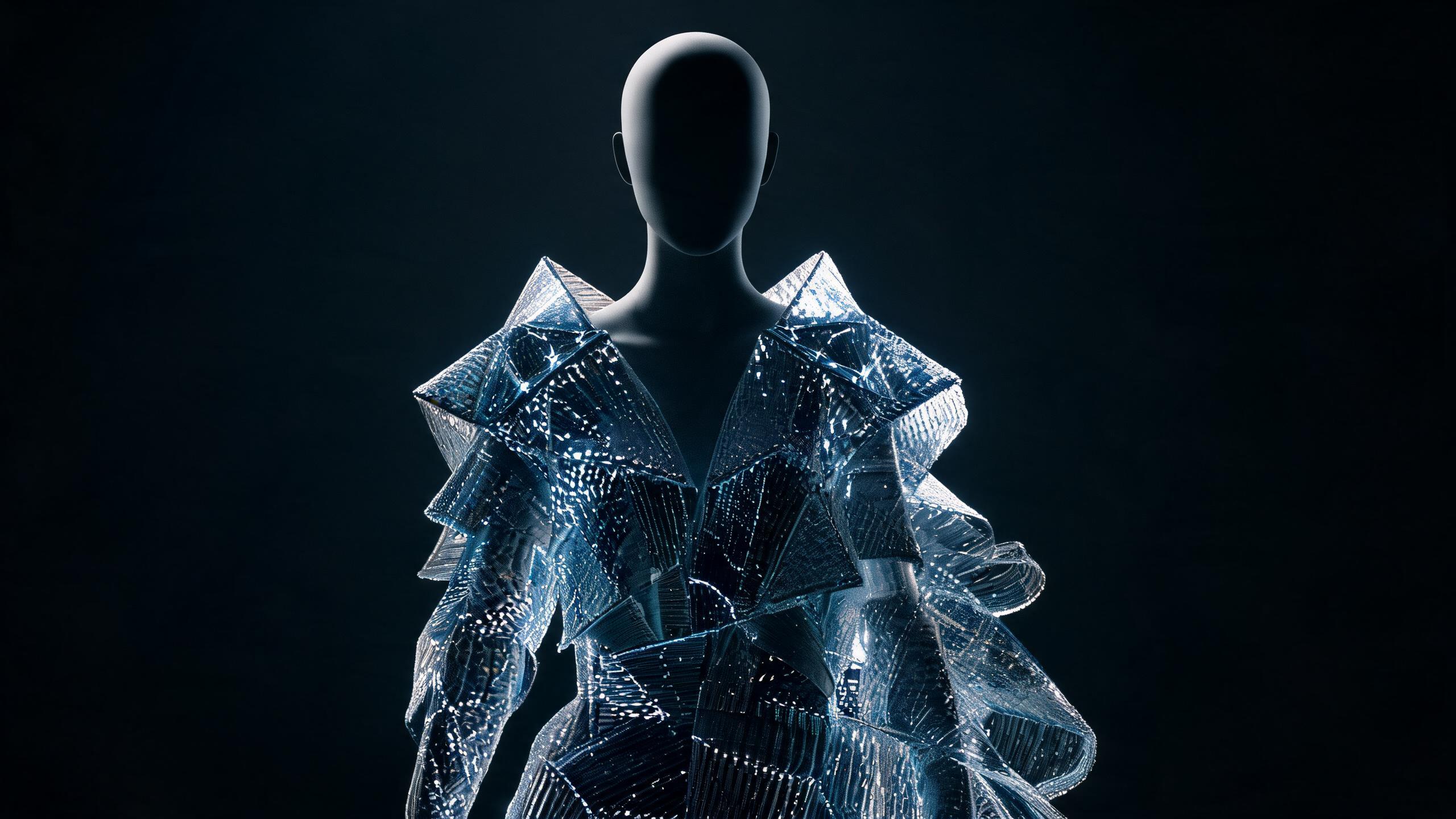
Gucci vs. Demna: The 2024 Battle for Physical and Digital Luxury

A deep dive into gucci demna physical vs digital 2024 and what it means for modern fashion.
The gucci demna physical vs digital 2024 conflict represents a fundamental schism in luxury commerce between sensory-based material heritage and algorithmic digital subversion. In 2024, Gucci, under Creative Director Sabato De Sarno, has pivoted toward "Ancora"—a return to physical craftsmanship, tangible textures, and the visceral reality of Italian luxury. Conversely, Demna at Balenciaga continues to treat fashion as a digital-first asset, where the image, the meme, and the virtual experience take precedence over the physical garment. This tension defines the current state of high fashion: a battle between those who want to preserve the tactile past and those who want to automate the aesthetic future.
Key Takeaway: The gucci demna physical vs digital 2024 rivalry represents a divide between Gucci’s return to tangible craftsmanship and Demna’s emphasis on digital subversion. This defines 2024 luxury as a split between sensory material heritage and the algorithmic evolution of high fashion.
How Does Gucci Define Physical Luxury in 2024?
Gucci’s 2024 strategy is a deliberate retreat from the maximalist, digital-friendly eccentricity of the previous era. Sabato De Sarno has stripped away the layers of irony to focus on what he calls "the joy of life" and the reality of the wardrobe. This is a "physical-first" approach that prioritizes how a coat hangs, how a leather bag feels, and how a specific shade of "Rosso Ancora" looks under natural light rather than a smartphone filter.
According to Bain & Company (2024), the personal luxury goods market is projected to reach €362 billion by the end of 2024, driven largely by a "flight to quality" among ultra-high-net-worth individuals. Gucci is betting that in an era of digital saturation, true luxury lies in the un-copyable nature of physical precision. Their 2024 collections emphasize structured tailoring and high-density wools—materials that lose their essence when flattened into a 2D digital image.
This physical focus is a response to the "noise" of the internet. By focusing on physical permanence, Gucci is attempting to decouple its brand value from the volatility of digital trends. However, this creates a data problem. When a brand focuses purely on the physical, it often loses the ability to track how users actually interact with the aesthetic in their daily lives.
Why Is Demna Doubling Down on Digital Subversion?
Demna’s 2024 work for Balenciaga operates on the opposite end of the spectrum. For Demna, the physical garment is often a secondary container for a digital concept. Whether it is the 5-layer oversized silhouettes or the inclusion of wearable tech, his designs are optimized for the screen. In 2024, Balenciaga released a dedicated app for the Apple Vision Pro, signaling that the brand views "spatial computing" as the new runway.
Demna understands that in the modern economy, the digital representation of a product travels further than the product itself. His 2024 collections utilize "anti-fashion" tropes—distressed fabrics, exaggerated proportions, and everyday objects repurposed as luxury—that are designed to trigger algorithmic engagement. This is "digital-native" luxury.
The problem with this approach is the "uncanny valley" of fashion. As clothes become more optimized for digital performance, they often lose their utility in the physical world. According to McKinsey (2024), generative AI and digital design tools are expected to contribute up to $150 billion to the apparel, fashion, and luxury sectors' profits by 2027. Demna is positioning Balenciaga to capture this value, even if it means alienating traditionalists who value "wearability."
Is the gucci demna physical vs digital 2024 Battle a Zero-Sum Game?
The industry currently views these two paths as mutually exclusive. You are either a "heritage" brand like Gucci or a "disruptor" like Balenciaga. This binary is a failure of imagination. The real evolution of fashion is not about choosing between a physical coat and a digital render; it is about the intelligence layer that connects the two.
Table 1: Gucci vs. Demna - 2024 Strategic Comparison
| Feature | Gucci (Sabato De Sarno) | Balenciaga (Demna) |
| Core Philosophy | Physicality and "Ancora" (Again/Now) | Digital subversion and irony |
| Primary Medium | High-density textiles and heritage leather | Technical fabrics and digital silhouettes |
| Growth Driver | Quiet luxury and "timeless" investment | Viral products and spatial computing |
| Target Audience | The aesthetic purist | The digital-native collector |
| AI Integration | Supply chain and logistics optimization | Generative design and virtual try-on |
| Platform Focus | Flagship boutiques and physical runways | VR/AR interfaces and social feeds |
The gap between these two models is where the consumer gets lost. Gucci offers a product but lacks a digital brain to help the user style it. Balenciaga offers a vibe but often lacks the physical grounding that makes a wardrobe sustainable over time. This is why beyond the gimmick, reviewing the AI tech in Demna’s latest collection is essential to understanding if these digital experiments have any long-term utility.
How Does AI Fashion Intelligence Bridge the Physical and Digital Gap?
The conflict of gucci demna physical vs digital 2024 is ultimately a metadata problem. Gucci has the physical data (fit, fabric, weight), and Demna has the digital data (visual signal, trend velocity, social resonance). Neither brand, however, possesses a "Style Model" of the individual user.
Personalization in fashion has historically been a marketing lie. Most "recommendation engines" are just popularity filters. They tell you what everyone else is buying, not what you should wear based on your unique body data and taste profile. AI infrastructure for fashion changes this by creating a mathematical representation of personal style.
Term: Style Model A Style Model is a multi-dimensional data structure that maps an individual's aesthetic preferences, physical proportions, and lifestyle requirements against a global taxonomy of garments. Unlike a static profile, a Style Model evolves with every user interaction.
When you bridge the physical and the digital, you get "Smart Styling." This involves comparing AI-powered and manual wardrobe gap analysis to see what is missing from a user's closet. An AI doesn't care if a brand is "physical-first" or "digital-first." It only cares if the item's attributes align with the user's model.
👗 Want to see how these styles look on your body type? Try AlvinsClub's AI Stylist → — get personalized outfit recommendations in seconds.
Why Traditional Recommendation Systems Are Broken
Most fashion apps use collaborative filtering. If User A likes Gucci and User B likes Gucci, the system assumes User A will like whatever User B buys. This is not intelligence; it is herd mentality. It completely ignores the gucci demna physical vs digital 2024 nuance. A user might love the physical quality of a Gucci blazer but the digital "edge" of a Balenciaga boot.
True AI fashion infrastructure uses "Content-Based Filtering" at a granular level. It breaks a garment down into hundreds of data points:
- Lapel Width (Physical attribute)
- Visual Weight (Digital attribute)
- Subcultural Tagging (Contextual attribute)
- Drape Coefficient (Material attribute)
By analyzing these points, an AI can predict that a user who likes De Sarno’s new minimalism will actually hate the "Quiet Luxury" of other brands because the cut is mathematically different. This is the difference between an AI feature and AI infrastructure.
What Does the "Outfit Formula" Look Like for 2024 Luxury?
To understand how to navigate the gucci demna physical vs digital 2024 landscape, we must look at how these opposing styles are being styled in the real world. The most successful modern wardrobes mix the physical grounding of "New Gucci" with the digital aggression of "Demna-era Balenciaga."
Outfit Formula: The 2024 Hybrid
- Top: Gucci Rosso Ancora Silk Shirt (Physical: High-tactility, specific color frequency)
- Bottom: Balenciaga Oversized Distressed Denim (Digital: High-silhouette impact, visual texture)
- Shoes: Gucci Horsebit Loafers with Platform (Physical: Heritage icon, modern weight)
- Accessory: Apple Vision Pro or smart eyewear (Digital: The ultimate interface)
Do vs. Don't: 2024 Luxury Styling
| Do | Don't |
| Mix heavy physical textures with clean digital lines. | Wear a full look from one "camp" (e.g., all-over distressed). |
| Use AI to simulate how a physical Gucci coat fits your frame. | Trust "trending" lists on retail sites. |
| Prioritize "Fit Data" over "Brand Hype." | Buy for the "photo" if the fabric is low-quality. |
| Invest in colors that have high physical "vibrancy." | Ignore the digital utility of your wardrobe. |
How Will Virtual Try-On Resolve the Conflict?
The battle of gucci demna physical vs digital 2024 will likely be settled in the virtual fitting room. Gucci needs virtual try-on (VTO) to prove that its physical tailoring actually works on diverse body types. Demna needs VTO to make his extreme silhouettes accessible to people who don't live in a fashion editorial.
As noted in our analysis of the future of fit: why virtual try-on is winning over physical fitting rooms, the "digital twin" of a garment is becoming as important as the garment itself. If a brand cannot provide an accurate digital simulation of its physical product, it will fail to convert the next generation of luxury buyers.
According to a 2024 report by Shopify, brands using 3D visualization and VTO technology saw a 40% reduction in return rates. For a brand like Gucci, where shipping a €3,000 coat back and forth is a logistical and environmental nightmare, the "digital" becomes the best protector of the "physical."
What This Means for the Future of Fashion Intelligence
The gucci demna physical vs digital 2024 debate proves that fashion is no longer about "clothes." It is about data and the models we build to interpret that data. Gucci is building a model of the past; Demna is building a model of the internet.
Neither model is complete. A complete fashion system requires an AI that understands the physical properties of a textile as well as it understands the cultural velocity of a trend. It requires a system that doesn't just "recommend" but "predicts" and "evolves."
Fashion infrastructure must move away from the "storefront" model. The storefront is a relic of the 20th century. In the 21st century, the interface is the "Personal Style Model." This model acts as a filter, sitting between the infinite noise of the physical and digital fashion worlds and the individual user.
Our Take: The Death of the "Trend"
The winner of the gucci demna physical vs digital 2024 battle won't be a brand. It will be the user who stops following brands and starts following their own data. The era of the "Trend" is over because trends are centralized. AI allows for the decentralization of style.
In 2025, we expect to see "Generative Wardrobes" where AI suggests physical purchases from Gucci to fill gaps identified by digital interactions with Balenciaga-style aesthetics. This is not a "mix and match" strategy; it is a calculated optimization of an individual's aesthetic capital.
The gap between "Personalization Promises" and reality is still wide. Most brands still think "personalization" means putting your initials on a bag. True personalization is an AI stylist that knows you better than you know yourself because it has mapped your taste across the physical/digital divide.
AlvinsClub uses AI to build your personal style model. Every outfit recommendation learns from you. By synthesizing the material depth of physical luxury with the systemic intelligence of digital commerce, we provide the infrastructure that brands like Gucci and Balenciaga are still trying to build. Try AlvinsClub →
Is your wardrobe a collection of items or a functioning model of your identity?
Summary
- The gucci demna physical vs digital 2024 conflict marks a division between Gucci’s sensory material heritage and Balenciaga’s algorithmic digital subversion.
- Under Creative Director Sabato De Sarno, Gucci has implemented a "physical-first" strategy focusing on tangible textures and the reality of Italian luxury.
- Demna at Balenciaga continues to prioritize the image and the virtual experience, treating fashion primarily as a digital-first asset.
- Market data from Bain & Company projects the personal luxury goods sector will hit €362 billion in 2024 as ultra-high-net-worth individuals seek material quality.
- This gucci demna physical vs digital 2024 rivalry defines a broader industry tension between preserving the tactile past and automating the aesthetic future of fashion.
Frequently Asked Questions
What is the gucci demna physical vs digital 2024 debate?
The gucci demna physical vs digital 2024 debate centers on whether luxury brands should prioritize traditional craftsmanship or digital-first subversion. Gucci focuses on tangible heritage through its Ancora campaign while Demna uses Balenciaga to push virtual-ready aesthetics and viral imagery.
How does Gucci's 2024 strategy differ from Demna's Balenciaga?
Gucci focuses on a return to sensory luxury and physical material quality under the creative direction of Sabato De Sarno. In contrast, Demna continues to utilize algorithmic trends and meme-worthy digital content to define modern fashion relevance.
Why is the gucci demna physical vs digital 2024 rivalry important for luxury fashion?
The gucci demna physical vs digital 2024 rivalry highlights a major shift in how consumers interact with high-end brands globally. This conflict determines if the future of the industry lies in physical sensory experiences or virtual identities within digital ecosystems.
What defines the gucci demna physical vs digital 2024 design philosophy?
The gucci demna physical vs digital 2024 design philosophy is split between Gucci's emphasis on timeless Italian textures and Demna's preference for experimental, internet-ready silhouettes. This contrast forces retailers to choose between investing in legacy craftsmanship or fast-paced digital engagement strategies.
How is Gucci focusing on physical craftsmanship in 2024?
Gucci is prioritizing physical craftsmanship by emphasizing the Ancora concept, which highlights tangible textures and refined construction. This approach aims to reconnect the brand with its storied Italian heritage through high-quality materials and classic tailoring.
Why does Demna prioritize digital experiences in fashion?
Demna prioritizes digital experiences because he views fashion as an asset that thrives on virtual visibility and social media shareability. By treating the image as the primary product, he aligns the brand with a generation that values algorithmic influence and online aesthetic status.
This article is part of AlvinsClub's AI Fashion Intelligence series.
Related Articles
- The Future of Fit: Why Virtual Try-On Is Winning Over Physical Fitting Rooms
- How Gucci and Demna’s Virtual Try-On Tech is Redefining Digital Luxury
- Texas Tech vs BYU: AI vs traditional design in the world of fan style
- Smart styling: Comparing AI-powered and manual wardrobe gap analysis
- Beyond the Gimmick: Reviewing the AI Tech in Demna’s Latest Collection