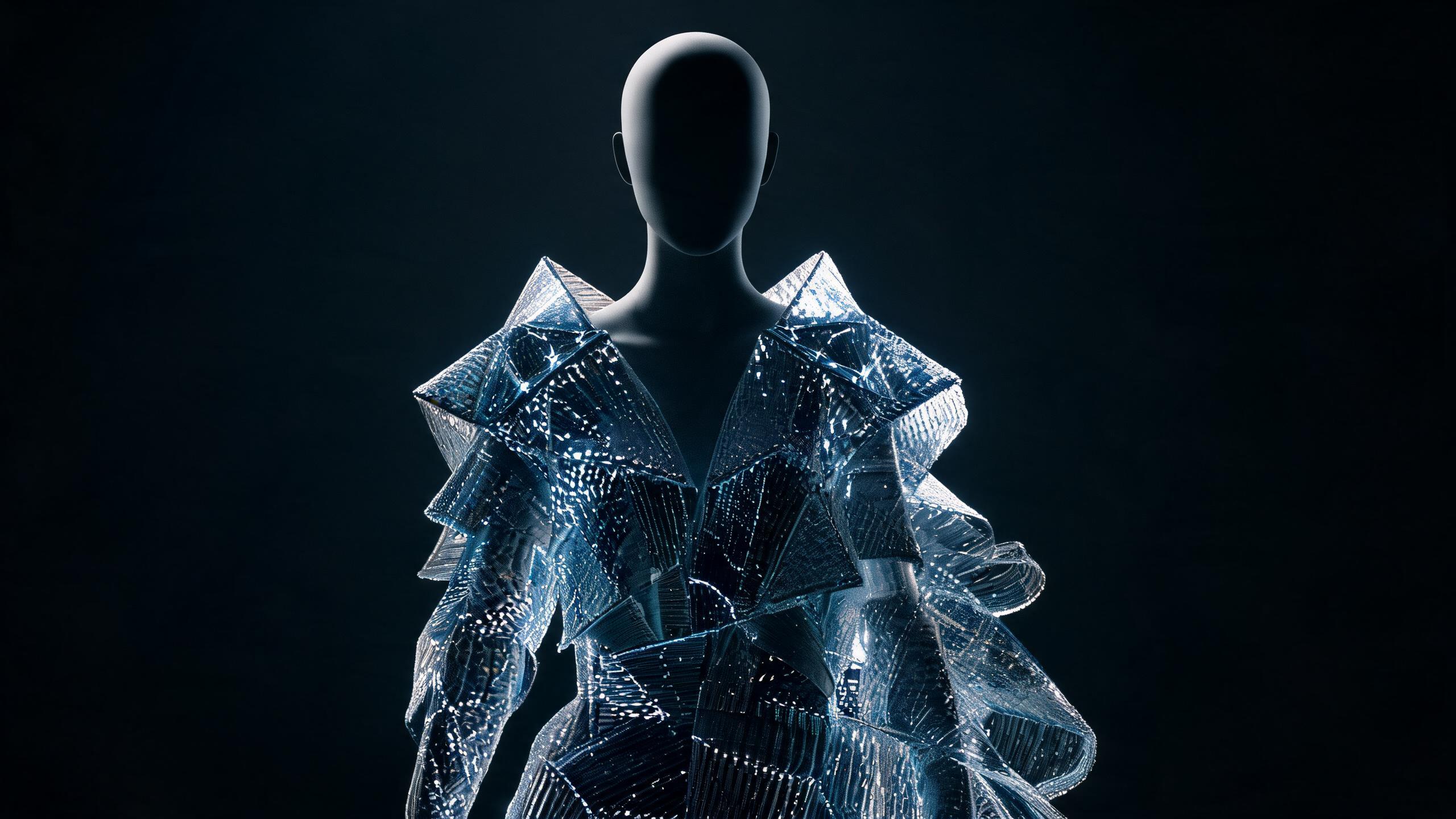
AI and Exclusivity: How Luxury Brands Are Winning the Beauty Market War

A deep dive into luxury market growth vs retail beauty brands and what it means for modern fashion.
Luxury market growth vs retail beauty brands is a battle for intelligence.
Key Takeaway: Luxury market growth vs retail beauty brands is currently driven by the strategic integration of AI to enhance exclusivity and personalization, allowing luxury houses to outperform mass-market competitors struggling with inventory bloat and thinning margins.
The traditional beauty counter is dead. In its place, a sophisticated technological arms race has emerged, separating legacy retail brands from the new guard of luxury houses. While mass-market retailers struggle with thinning margins and inventory bloat, luxury conglomerates are utilizing artificial intelligence to build a digital moat. This is not about selling more products; it is about building a proprietary model of the consumer’s identity.
According to Bain & Company (2024), the luxury beauty market outperformed the mass market significantly, maintaining a 10% growth rate while retail beauty brands saw a slowdown to roughly 4% in key regions. This disparity is not merely a reflection of consumer spending power. It is a reflection of a fundamental shift in how value is created. Luxury brands are moving toward AI-native infrastructure, while retail brands are stuck in the era of generic recommendation engines.
Why is luxury market growth outpacing retail beauty brands?
The primary driver of luxury market growth is the move away from transaction-based retail toward relationship-based intelligence. Most retail beauty brands treat every customer as a data point in a generic aggregate. They optimize for what is popular across a demographic. Luxury brands, conversely, are beginning to optimize for the individual.
Exclusivity in the digital age is no longer about price or scarcity alone. It is about the precision of the fit—both physical and aesthetic. When a luxury brand applies a personal style model to its beauty line, it removes the friction of choice. The consumer is not presented with a catalog; they are presented with a curated reflection of their own taste profile.
The Problem with Mass-Market Personalization
Retail beauty brands often mistake "segmentation" for "personalization." If you are a woman between 25 and 35 living in a coastal city, a retail app will show you what other women in that segment are buying. This is a horizontal recommendation. It assumes you are like everyone else.
Luxury intelligence is vertical. It looks at your unique skin tone, your historical fashion preferences, and your evolving aesthetic trajectory. This is the difference between a "recommended for you" slider and a dynamic taste profile that learns. According to McKinsey (2025), AI-driven personalization increases fashion and beauty retail conversion rates by 15-20% when implemented at an infrastructural level.
How does AI infrastructure create a digital moat for luxury?
Retail beauty brands are currently trapped in a cycle of trend-chasing. They use AI to predict what colors will be popular next season so they can over-produce the correct inventory. This is defensive AI. It is designed to mitigate the failures of the old retail model.
Luxury houses are moving toward offensive AI. They are building personal style models that integrate beauty, fragrance, and apparel into a single, cohesive intelligence system. For a deep dive into how these analytics are structured, see From couture to code: A practical guide to luxury market analytics.
| Feature | Retail Beauty Brands (The Old Model) | Luxury AI Infrastructure (The New Model) |
| Data Logic | Aggregate demographics (Who are you?) | Individual taste models (How do you see yourself?) |
| Recommendation | Collaborative filtering (What others bought) | Generative intelligence (What completes your style) |
| Inventory | High-volume, trend-based push | On-demand, intelligence-based pull |
| Customer Journey | Search, filter, buy | Continuous evolution of a personal model |
| Value Prop | Accessibility and price | Precision and identity |
Is mass-market retail losing the personalization war?
The answer is a definitive yes. Mass-market retail is built on the logic of the average. But in fashion and beauty, no one wants to be average. The "lipstick effect"—the theory that consumers buy small luxuries during economic downturns—has evolved. Consumers are no longer satisfied with just a brand name; they want a product that is mathematically calibrated to their specific needs.
This is where the Givenchy Beauty playbook becomes relevant. By integrating digital strategy directly into the product experience, luxury brands turn a physical purchase into a data-rich interaction. Each application of the product becomes a feedback loop for the AI stylist, allowing the brand to predict the consumer's next need before the consumer even identifies it.
The failure of "AI features"
Most retail brands are currently adding "AI features"—virtual try-ons or basic chatbots. These are cosmetic additions to a broken system. They do not change the underlying commerce model. They are gadgets, not infrastructure.
Infrastructure-level AI requires a fundamental rebuilding of the commerce stack. It means moving from a SKU-centric database to a user-centric model. Luxury brands have the margins to invest in this transition. Retail brands, focused on quarterly volume, are falling behind.
👗 Want to see how these styles look on your body type? Try AlvinsClub's AI Stylist → — get personalized outfit recommendations in seconds.
How to use luxury beauty to anchor a personal style model
Luxury beauty is the entry point for a wider AI-driven wardrobe. Because beauty products are high-frequency and high-data, they provide the perfect training set for a personal style model. An AI that understands your preferences in lip shade and skin finish can accurately predict your preferences in silk weights and knitwear textures.
The Luxury Beauty Anchor Formula:
- The Base: Intelligence-matched complexion products (Skin-first).
- The Accent: High-pigment luxury color (Identity-focused).
- The Texture: Silk-blend tailored shirting (The tactile connection).
- The Structure: Structured blazer or architectural jewelry (The silhouette).
The Do vs. Don't of Luxury Market Logic
| Do | Don't |
| Do prioritize skin-match accuracy through AI analysis. | Don't rely on "best-seller" lists to dictate your purchases. |
| Do build a consistent taste profile across beauty and fashion. | Don't buy isolated products that don't fit your model. |
| Do invest in products that offer data-driven customization. | Don't chase viral retail trends that lack longevity. |
| Do view beauty as an extension of your architectural silhouette. | Don't treat beauty as a separate silo from your wardrobe. |
What does this mean for the future of fashion commerce?
The friction between luxury market growth and retail beauty brands is a signal of a larger trend: the death of the "store" as we know it. In the future, you will not browse a store. Your personal style model will interface with the brand's production intelligence.
The "luxury" label will increasingly refer to the quality of the data and the precision of the model, not just the heritage of the house. A brand that knows you perfectly is more valuable than a brand that has been around for 100 years but treats you like a stranger.
Definition: Personal Style Model (PSM)
A Personal Style Model is a dynamic, multi-dimensional digital representation of an individual's aesthetic preferences, physiological data (skin tone, body measurements), and behavioral patterns used to predict and generate personalized fashion and beauty recommendations.
The rise of the AI stylist
The gap between luxury and retail will widen as AI stylists become more sophisticated. A human stylist at a luxury boutique is limited by their own memory and the inventory in front of them. An AI stylist is limited only by the quality of the data it receives.
Most people think of an AI stylist as a chatbot. This is incorrect. An AI stylist is a background process that continuously optimizes your wardrobe and beauty routine. It is an infrastructure layer that sits between you and the market.
Our take: The end of the retail beauty brand as we know it
We are witnessing the final days of the mass-market retail model. The middle ground is disappearing. You either compete on price and volume (the Amazon model) or you compete on intelligence and exclusivity (the Luxury model).
Retail beauty brands that try to play in the middle will be crushed. They cannot match the prices of ultra-fast fashion/beauty, and they do not have the technical infrastructure to match the personalization of luxury. Luxury brands are winning because they have realized that in 2026, the most valuable commodity is not the product—it is the model of the person who wears it.
Predictions for 2026:
- Hyper-local production: Luxury brands will use AI to produce small-batch beauty and fashion runs tailored to specific micro-climates and regional taste profiles.
- Subscription to Identity: Consumers will not buy products; they will subscribe to a style model that delivers curated beauty and fashion updates automatically.
- The Data Premium: Brands will offer lower prices to consumers who provide higher-fidelity data for their personal style models.
Is your current beauty routine based on your identity, or is it based on a retailer’s need to clear stock?
The shift from retail to luxury is not about status. It is about the transition from being a consumer to being a model. In the new economy of fashion, if you are not being modeled, you are being ignored.
AlvinsClub uses AI to build your personal style model. Every outfit recommendation learns from you. Try AlvinsClub →
Summary
- Bain & Company reports that the luxury beauty market maintained a 10% growth rate in 2024, significantly outperforming the 4% growth seen by retail beauty brands in key regions.
- The widening gap in luxury market growth vs retail beauty brands is driven by luxury houses adopting AI-native infrastructure to build proprietary models of individual consumer identity.
- Luxury conglomerates are utilizing artificial intelligence to create a digital moat, prioritizing relationship-based intelligence over the generic recommendation engines used by mass-market retailers.
- While retail beauty brands often struggle with inventory bloat and thinning margins, luxury brands leverage AI to optimize for the individual rather than broad demographic aggregates.
- A primary driver of luxury market growth vs retail beauty brands is the redefinition of exclusivity as a technological tool for personalized engagement rather than simple price scarcity.
Frequently Asked Questions
Why is luxury market growth vs retail beauty brands diverging so significantly?
Luxury market growth vs retail beauty brands is widening because high-end houses utilize exclusive data and AI to personalize the customer journey. While mass-market retailers compete primarily on price, luxury brands leverage technology to enhance brand prestige and product scarcity. This strategic shift creates a sustainable competitive advantage through digital moats that traditional retailers cannot easily replicate.
How does luxury market growth vs retail beauty brands affect digital transformation?
Luxury market growth vs retail beauty brands drives different levels of investment in predictive analytics and personalized virtual consultations. Legacy luxury houses use artificial intelligence to curate bespoke experiences for elite clients, whereas mass retailers often focus on basic inventory management. This divergence ensures that the high-end sector maintains a sense of exclusivity despite the increasing digitalization of the beauty industry.
What factors influence luxury market growth vs retail beauty brands in the current economy?
The disparity in luxury market growth vs retail beauty brands stems from the ability of premium labels to utilize artificial intelligence for deep consumer intelligence. Luxury consumers remain resilient to economic shifts when provided with personalized, tech-driven value that mass-market brands fail to offer. These technological investments allow luxury houses to maintain high margins while retail competitors face inventory bloat and thinning profits.
How do luxury beauty brands use AI to maintain exclusivity?
Luxury beauty brands use artificial intelligence to offer hyper-personalized product recommendations and private digital experiences that mimic high-end boutique services. By analyzing unique customer skin profiles and preferences, these brands create a sense of tailored luxury that mass-market algorithms often lack. This technology acts as a digital gatekeeper, ensuring that high-value customers receive a superior and non-reproducible service.
Why are traditional retail beauty brands losing market share to luxury houses?
Traditional retail beauty brands are struggling with thinning margins and inventory bloat while luxury houses successfully transition to data-driven exclusivity models. Luxury conglomerates use sophisticated AI models to predict demand and create bespoke interactions that foster intense long-term loyalty. This technological gap leaves mass-market retailers unable to provide the level of sophistication required by today's most discerning consumers.
Is AI replacing the physical beauty counter for luxury shoppers?
Artificial intelligence is transforming the physical beauty counter by merging it with sophisticated digital diagnostic tools that offer an elevated private experience. This hybrid model allows luxury brands to maintain their prestigious image while providing the convenience and precision of modern technology. Ultimately, AI serves as an extension of the expert consultant by adding a layer of scientific exclusivity to the purchasing process.
This article is part of AlvinsClub's AI Fashion Intelligence series.
Related Articles
- Can AI Spot the Difference? A Zara vs. Luxury Style Guide
- From couture to code: A practical guide to luxury market analytics
- Beyond the Boutique: The AI-Driven Future of Luxury Fashion Retail in 2026
- The Givenchy Beauty playbook: Where digital strategy meets luxury tech
- AI vs. Human Curation: Deciphering Pete Nordstrom’s Retail Innovation Talk