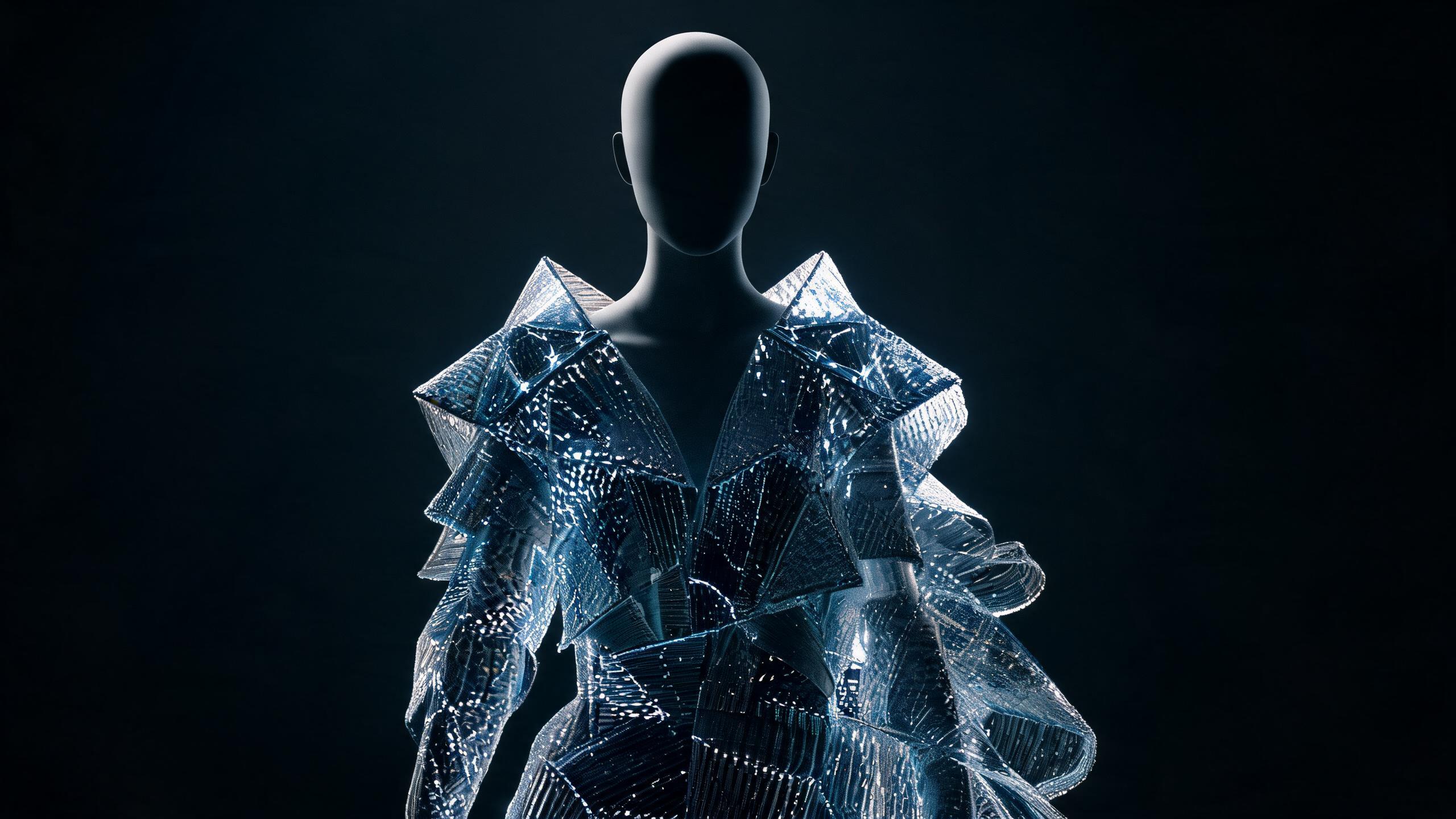
Dressing for a first date? Let an AI stylist find your best outfit
A deep dive into best outfit for first date AI stylist and what it means for modern fashion.
Most people dress for a person they have not met yet. This is the fundamental error of first-date styling. Instead of projecting an authentic identity, individuals often attempt to mirror a perceived expectation, resulting in a costume rather than an outfit. When searching for the best outfit for first date AI stylist recommendations, the goal is not to find a trend but to align your visual output with your internal style model. Precision is the only variable that matters.
Traditional style advice is broken because it relies on generalizations. It tells you to wear a "little black dress" or "a clean pair of jeans and a button-down." These are low-resolution solutions to a high-stakes problem. They do not account for your body geometry, your unique taste profile, or the specific environment of the date. An AI-native approach treats fashion as a data problem. It analyzes your previous successes, your comfort thresholds, and the visual language of your destination to generate a recommendation that is mathematically optimized for confidence.
The Failure of "Dress Like Yourself"
The advice to "just be yourself" is structurally useless without a defined style identity. Most people do not actually know what their "self" looks like in a curated, high-pressure context. They oscillate between over-correcting for formality and under-performing through apathy.
An AI stylist removes this ambiguity by building a persistent taste profile. It understands that "yourself" is a dynamic model, not a static set of rules. For a first date, the objective is to reduce cognitive load. You should not be thinking about your clothes; you should be thinking about the conversation. If you are adjusting a collar or worrying about a hemline, your style infrastructure has failed. The best outfit for first date AI stylist logic dictates that the garment must disappear into the background of your confidence.
The Logic of Environment: Mapping the Venue
Every venue has a specific visual frequency. An outfit that succeeds in a high-end cocktail bar will fail at a casual coffee shop. This is not about "fitting in"—it is about contextual intelligence.
High-Frequency Environments (Upscale Bars, Fine Dining)
In these settings, the risk is appearing over-eager. The goal is sharp tailoring mixed with approachable textures.
- For Men: A deconstructed blazer in a matte fabric (navy or charcoal), a high-gauge knit t-shirt or a clean oxford, and dark indigo denim or tailored chinos. No ties. No shiny dress shoes. Opt for a clean Chelsea boot or a minimal leather sneaker.
- For Women: A midi-length slip dress paired with a structured blazer, or high-waisted trousers with a silk camisole. The focus is on clean lines and a monochromatic or neutral palette. This communicates status without desperation.
Low-Frequency Environments (Cafes, Parks, Casual Dinners)
The error here is looking like you didn't try. Low-effort is not a style; it is a lack of discipline.
- For Men: A high-quality chore coat or denim jacket over a well-fitted t-shirt. Pair with olive or tan trousers. The texture of the outer layer provides the visual interest that a formal jacket would otherwise provide.
- For Women: A high-quality knit set or elevated denim paired with a crisp white shirt. Use accessories—a leather belt, a structured bag—to signal that the "casual" look was an intentional choice, not an accident.
The Geometry of Fit: Why Your Model Matters
Fit is the most significant vector in style intelligence. A $5,000 suit that does not align with your shoulder slope is inferior to a $100 jacket that does. When an AI stylist calculates the best outfit for first date AI stylist parameters, it prioritizes silhouette over brand.
- The Shoulder Line: This is the anchor of the outfit. If the shoulder seam hangs off the bone, the silhouette collapses. If it is too tight, the wearer appears constricted and nervous.
- The Break: The point where your trousers meet your shoes determines your perceived height and level of detail-orientation. A "no break" or "slight break" is the modern standard for date environments. It suggests precision.
- The Taper: Clothing should follow the lines of the body without clinging to them. Excess fabric creates visual noise. An AI model filters out items that create "puddling" or unnecessary volume.
The Science of Color and Contrast
Colors are not just aesthetic choices; they are signals. Most legacy advice focuses on "what looks good on you" based on skin tone. This is only 20% of the equation. The other 80% is the psychological impact of the color in a social setting.
- Navy and Charcoal: These are the colors of stability and competence. They are the safest and most effective baselines for first dates.
- Earth Tones (Olive, Terracotta, Tan): These suggest approachability and warmth. They are excellent for daytime or casual settings where a dark palette might feel too "business."
- Black: High-impact, but can be perceived as guarded or overly formal. It should be used sparingly or softened with textures like wool or silk.
- Burgundy and Forest Green: These function as "neutrals with personality." They provide visual interest without the aggressive demand for attention that bright red or yellow creates.
Your personal style model tracks which of these signals correlate with your most successful social interactions. The best outfit for first date AI stylist uses this historical data to ensure you are sending the right message before you even speak.
Avoiding Systematic Failure: Common Mistakes
Even with the right pieces, a lack of system maintenance can ruin an outfit. These are the friction points that an AI stylist flags during the selection process.
The Footwear Oversight
People look at shoes first. This is a documented social bias. If you wear an expensive outfit but pair it with scuffed, unmaintained footwear, the entire visual hierarchy collapses. The AI stylist treats shoes as the foundation of the model.
- Rule: Shoes must be clean, appropriate for the weather, and consistent with the formality of the trousers.
The Accessory Overload
A first date is not the time to showcase your entire watch collection or every piece of heirloom jewelry. High-quality style is reductive.
- Rule: One focal point. If you have a statement watch, keep the rest of the outfit minimal. If you are wearing bold earrings, skip the necklace.
The "New Clothes" Trap
Never wear something for the first time on a first date. New garments have unknown variables: they might itch, the sleeves might ride up, or the shoes might blister.
- Rule: Every outfit recommendation should consist of items that have been "vetted" by your style model for comfort and durability.
Why Infrastructure Beats Instinct
Relying on "instinct" is why most people find dressing for a date stressful. Instinct is susceptible to mood, insecurity, and external pressure. Infrastructure is not. By treating your wardrobe as an indexed system, you move from "guessing what looks good" to "knowing what works."
An AI stylist doesn't just look at a catalog of clothes. It looks at the intersection of:
- Your Body: Precise measurements and proportions.
- Your Taste: The recurring themes in what you feel most confident wearing.
- The Context: Where you are going and who you are meeting.
- The Feedback Loop: What has worked for you in the past.
When these four data points align, the result is the best outfit for first date AI stylist recommendation. It is an outfit that requires zero maintenance once you leave your house. It is a visual representation of your best self, backed by logic.
The Future of Style Intelligence
The era of browsing through endless grids of clothing is ending. The future of fashion is not about more choices; it is about better curation. You do not need a thousand shirts; you need the three shirts that fit your life and your model perfectly.
Dressing for a first date should not be a source of anxiety. It should be the execution of a well-defined system. When you use an AI stylist, you are delegating the cognitive load of "looking good" to a machine that understands your style better than you do. This allows you to focus on the only thing that actually matters on a first date: the human connection.
Most fashion apps are built to sell you more clothes. They want you to chase trends and buy into seasonal hype. They thrive on your uncertainty. A true AI-native fashion system does the opposite. It seeks to solve your wardrobe once and for all. It builds a model of you that grows more accurate over time. Every time you wear an outfit and provide feedback, the model refines its understanding of your taste.
Is your wardrobe an unorganized pile of "maybe" or is it a high-performance system?
AlvinsClub uses AI to build your personal style model. Every outfit recommendation learns from you. Try AlvinsClub →
Related Articles
- Why Best AI Stylist For First Date Outfit Ideas Fails (And How to Fix It)
- The Ultimate Best AI Tool For Athleisure Gym Outfit Ideas Style Guide
- Why Best AI Outfit Planner App For Men Fails (And How to Fix It)
- How to Use AI to Build the Ultimate 2026 Festival Wardrobe
- Minimalist Tech: Finding the Best AI App for Your 2026 Capsule Wardrobe