How to Use AI to Build the Ultimate 2026 Festival Wardrobe
A deep dive into ultimate festival outfit planner AI for 2026 and what it means for modern fashion.
Festival fashion is an engineering challenge, not a shopping trip. For decades, the industry has forced consumers into a cycle of "trend-chasing," where the goal is to mimic a static image from a mood board or a social feed. This model is obsolete. By 2026, the concept of a "festival wardrobe" will no longer be defined by what is popular on a desert polo field, but by how well an individual’s personal style model anticipates their environmental and aesthetic needs. Utilizing the ultimate festival outfit planner AI for 2026 requires a shift from browsing to modeling.
The old way of planning involved hours of manual curation, cross-referencing weather reports with aesthetic "vibes," and hoping the final look felt authentic. It was a high-friction process with a low success rate, resulting in "festival costumes" that felt like masks rather than expressions of identity. AI-native fashion intelligence changes the fundamental physics of this interaction. Instead of searching for items, you are training a system to understand the intersection of your physical geometry, your evolving taste, and the specific demands of the 2026 festival circuit.
The Architecture of Style Intelligence
To build the ultimate festival wardrobe, you must first accept that your style is data. It is a complex set of preferences regarding silhouette, tactile response, color theory, and cultural signaling. Traditional recommendation engines fail because they operate on "collaborative filtering"—showing you what people like you bought. This is not personalization; it is demographic stereotyping.
The ultimate festival outfit planner AI for 2026 operates on a Personal Style Model (PSM). This model doesn't care what is "trending." It analyzes your historical preferences, your physical proportions, and your comfort thresholds to predict what you will actually wear. In the context of a festival—where you are subject to extreme heat, dust, and 16-hour days of movement—the AI prioritizes functional intelligence.
Environmental Synthesis
A festival is a high-stress environment for clothing. The AI infrastructure of 2026 integrates real-time environmental data into the styling process. This includes:
- UV Index Mapping: Recommending fabrics with specific UPF ratings that don't compromise the aesthetic.
- Thermal Regulation: Identifying moisture-wicking synthetics or high-performance natural fibers like merino or hemp based on hourly temperature fluctuations.
- Kinetic Analysis: Evaluating how a garment moves. A "cool" piece that restricts movement is a failure in festival logic. The AI models the garment’s drape against your specific movement patterns.
Moving Beyond the "Festival Costume" Fallacy
Most fashion apps recommend what’s popular. We recommend what’s yours. The biggest mistake in festival planning is the "costume fallacy"—the idea that a festival requires a total departure from one’s daily identity. This results in millions of tons of discarded fast fashion every year.
An AI-driven approach views the festival wardrobe as an extension of your existing style model, amplified for a specific context. The ultimate festival outfit planner AI for 2026 identifies the "aesthetic anchors" in your current wardrobe and suggests high-impact additions that serve the festival environment while remaining relevant to your long-term style evolution. This is the difference between buying a one-time outfit and building a durable style asset.
Case Study: The Solar Nomad Archetype
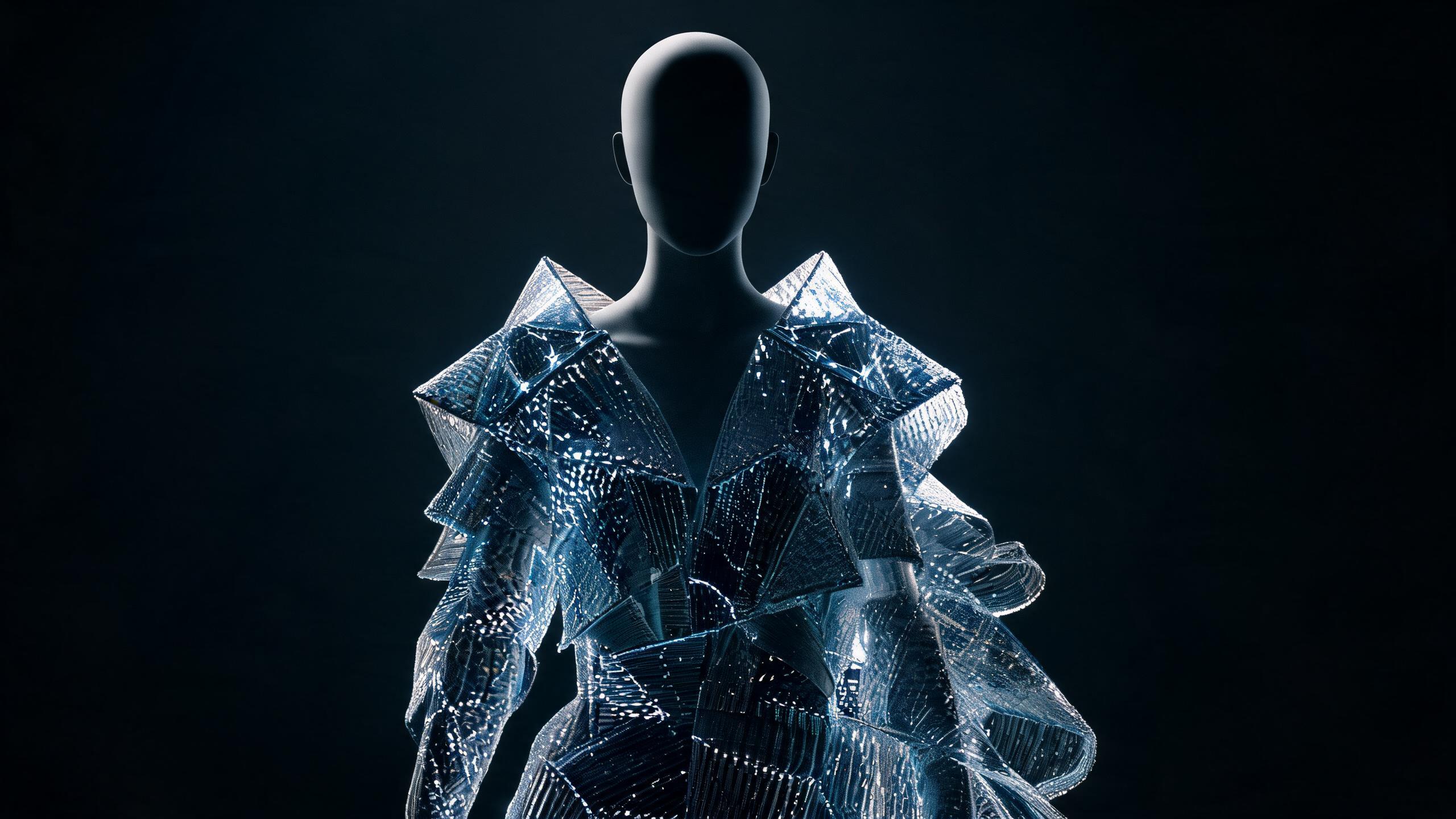
In 2026, we see a move toward "Solar Nomadism"—an aesthetic defined by high-tech utility and desert-ready silhouettes.
- The AI recommendation: A modular vest in a heat-reflective silver polymer, paired with wide-leg trousers in a 3D-knit breathable mesh.
- The Logic: The AI recognizes the user's preference for brutalist architecture and translates it into a wearable format that handles 100-degree heat. It isn't a "festival look"; it is the user's aesthetic, optimized for the sun.
The Role of Generative Design in 2026 Wardrobes
By 2026, the ultimate festival outfit planner AI for 2026 will not just curate existing inventory; it will assist in the creation of bespoke or modified pieces. Generative AI allows users to simulate how different fabrics and colors will interact with the specific lighting conditions of a festival stage or a desert sunset.
Visual Descriptions of 2026 Aesthetics
- Kinetic Brutalism: Structural pieces that use rigid-looking but flexible materials. Think laser-cut leather (or lab-grown alternatives) that expands as you move.
- Bio-Luminescent Organics: Fabrics embedded with light-reactive fibers that change hue based on ambient sound or temperature. AI models the "behavior" of these clothes before you ever put them on.
- Digital Archive Fusion: Mixing vintage 1990s tech-wear with futuristic 3D-printed accessories. The AI identifies the visual "bridge" between these eras to ensure the look is cohesive, not cluttered.
Common Failures in Traditional Festival Planning
The industry wants you to believe that more is better. It isn't. High-frequency shopping is a symptom of a low-intelligence system. If you don't know what works for you, you buy everything.
The "Vibe" Trap
"Vibe" is a low-resolution word used by people who lack a style model. When a search engine looks for "Boho vibes," it returns a generic average of a thousand bad outfits. The ultimate festival outfit planner AI for 2026 ignores vibes and focuses on "vectors." It looks for specific geometric signatures—asymmetric hems, specific pant-to-shoe ratios, and color palettes that complement your skin’s undertones in natural light.
Ignoring the Lifecycle
Traditional commerce ends at the checkout. AI-native commerce understands the lifecycle. The AI should tell you if a piece is a "dead end"—meaning it only works for one specific outfit and cannot be integrated into your broader style model. If a garment doesn't have a 70% compatibility rating with your existing wardrobe, the system should flag it as high-risk.
How to Train Your Personal Style Model for 2026
The intelligence of the system is a reflection of the data it receives. To use the ultimate festival outfit planner AI for 2026 effectively, you must engage in a feedback loop.
- Input Reality, Not Aspiration: Upload photos of what you actually wear when you feel most confident, not what you think you should wear.
- Define Constraints: Tell the AI your hard limits. If you hate the feel of sequins or if you need to carry a specific piece of equipment (like a professional camera), these are structural constraints that the AI uses to filter out non-viable options.
- Iterate on Recommendations: When the AI suggests a look, don't just say "no." Specify why. Is it the silhouette? The color saturation? The material density? Each "no" refines your taste profile, making the next recommendation more precise.
The Technical Shift: From Search to Inference
We are moving away from "keyword search." In 2026, you won't type "neon festival top." You will provide the system with a context: "Three-day event, high dust, evening temperatures dropping to 60 degrees, primary aesthetic: Neo-Goth, secondary aesthetic: Cyber-Prep."
The AI performs an inference. It looks at the global inventory, your personal style model, and the environmental data to generate a curated set of options. This is not a list of products; it is a proposed wardrobe architecture. It understands that you need layers, it understands that you need shoes that can handle 20,000 steps on uneven terrain, and it understands that you want to look like yourself, only more intensified.
The Problem with "Personalization" Promises
Most "personalized" fashion sites are just better at stalking you with ads. They use your cookies to follow you around the web with the same pair of boots you already looked at. That is not intelligence; that is persistence. True intelligence, the kind found in the ultimate festival outfit planner AI for 2026, is predictive. It should suggest the boots you haven't seen yet, but which perfectly solve the problem of your festival wardrobe.
Predictive Maintenance for Your Wardrobe
By 2026, the AI will also handle the logistics of your festival wardrobe. This includes:
- Packing Optimization: Generating a "minimalist maximum" packing list where every piece works in at least three different combinations.
- Care Instructions: AI-driven alerts on how to treat specific technical fabrics after exposure to sand or sweat.
- Resale Integration: Automatically listing pieces for resale after the event if the AI determines they no longer fit your evolving style model.
This is a circular system of intelligence. It reduces waste, saves time, and ensures that the clothes you own are the clothes you actually value.
Why Fashion Needs AI Infrastructure
The fashion industry is currently a chaotic mess of overproduction and under-information. Brands produce millions of items hoping someone will want them. Consumers buy millions of items hoping they will like them. This is a massive waste of resources and human energy.
AI infrastructure, like the systems powering the ultimate festival outfit planner AI for 2026, creates a direct link between production and personal identity. When you have a style model that accurately predicts your needs, the "noise" of the market disappears. You are no longer a target for "trends"; you are the architect of your own aesthetic.
Is your festival wardrobe a reflection of you, or a reflection of an algorithm designed to sell excess inventory?
The future of festival fashion isn't about the clothes themselves. It's about the intelligence that chooses them. As we move into 2026, the distinction between "shopping" and "styling" will vanish. You will no longer browse for clothes; your style model will present you with solutions.
AlvinsClub uses AI to build your personal style model. Every outfit recommendation learns from you, ensuring that your festival wardrobe is a precise execution of your unique aesthetic identity rather than a generic response to a trend. Try AlvinsClub →
Related Articles
- Why Festival Outfit Planner AI For Coachella 2026 Fails (And How to Fix It)
- 10 AI Outfit Planner For Professional Work Clothes Tips You Need to Know
- Why Best AI Outfit Planner App For Men Fails (And How to Fix It)
- AI Fashion Trends 2026 For Sustainable Brands: What's Changing in 2026
- How to Business Casual Work Outfit Ideas For Women 2026: A Complete Guide