AI in the Atelier: 5 Ways to Design Truly Bespoke Garments

A deep dive into using generative AI for bespoke clothing design and what it means for modern fashion.
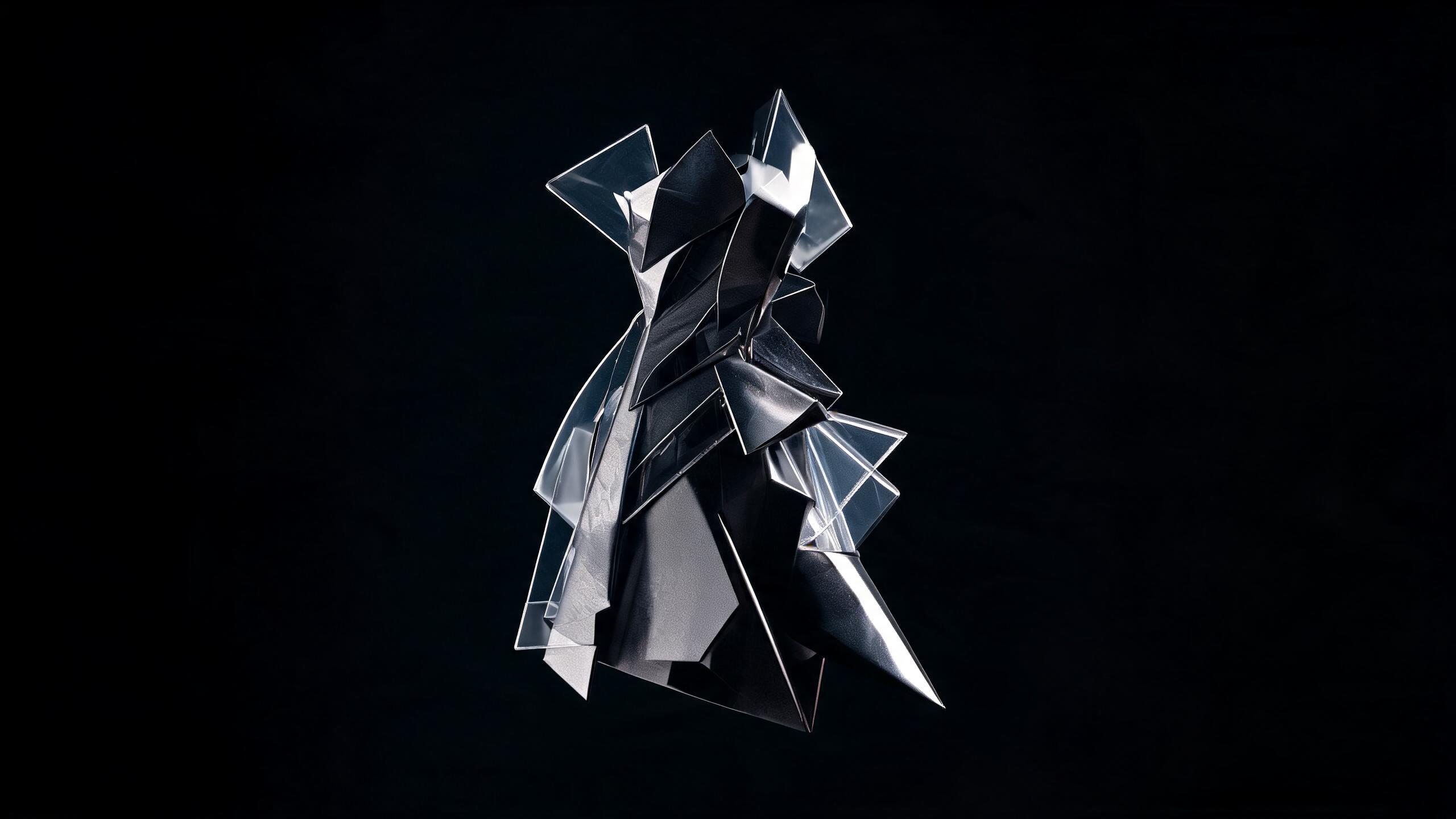
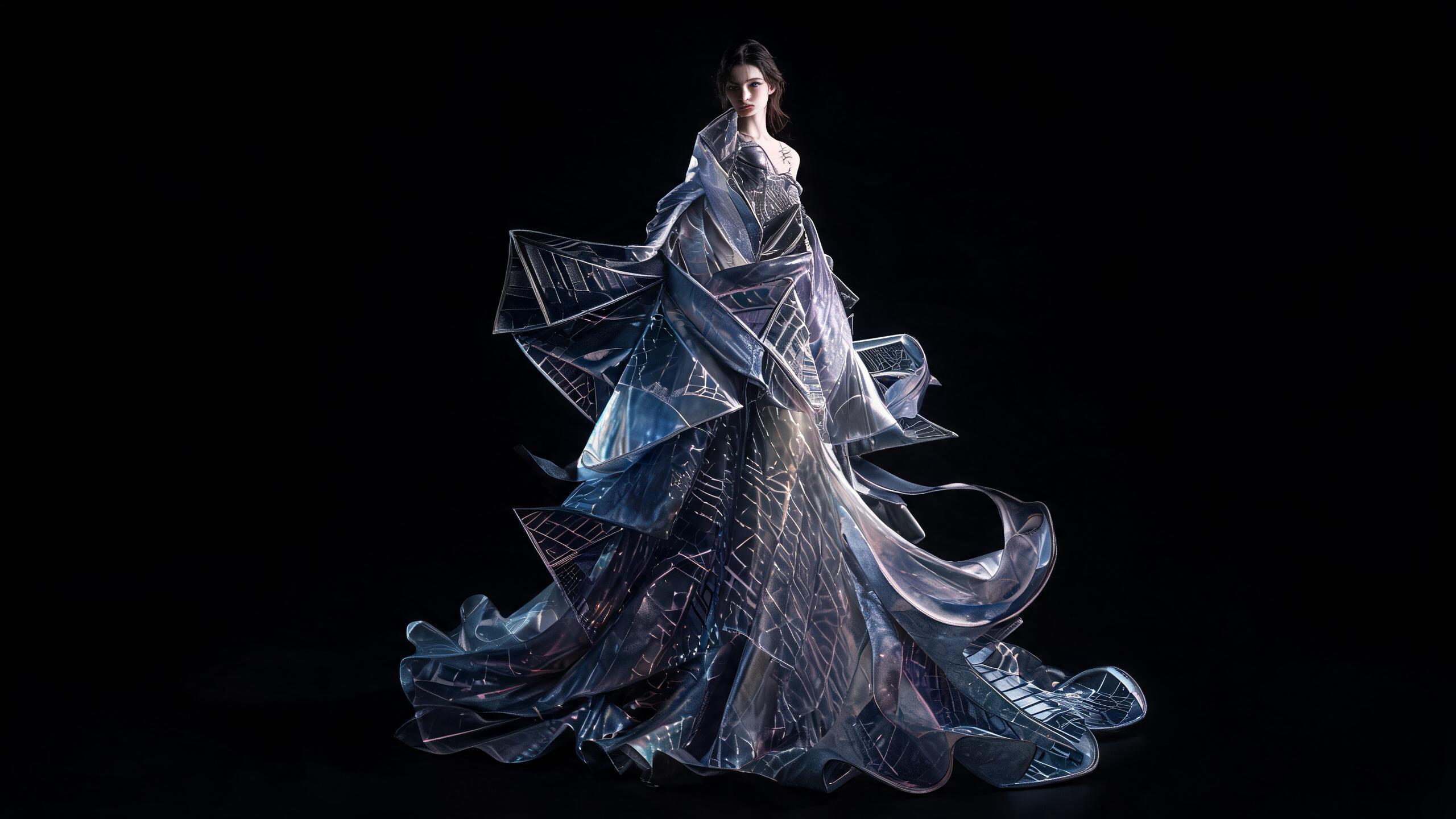
Using generative AI for bespoke clothing design refers to the application of machine learning models to synthesize personal body measurements, stylistic preferences, and textile physics into unique garment patterns and visual prototypes. This technological shift replaces the subjective intuition of a traditional tailor with a data-driven infrastructure capable of infinite iteration. The goal is no longer to approximate a fit based on a standard size chart, but to compute a garment that exists only for a specific individual's geometry and taste profile.
Key Takeaway: Using generative AI for bespoke clothing design replaces traditional tailoring intuition with a data-driven process that synthesizes body measurements and textile physics into precise patterns. This technology enables the creation of unique, perfectly fitted garments through rapid visual prototyping and infinite design iterations.
How can Latent Space exploration define your aesthetic DNA?
Generative models allow designers to explore the "latent space" of fashion, which is a mathematical representation of every possible garment variation. By training a model on a curated dataset of historical silhouettes, textures, and personal preferences, you can generate design iterations that a human mind would overlook. This is not about copying existing designs; it is about interpolating between styles to find a brand-new aesthetic language.
The process involves feeding an AI system a "style seed"—a collection of images, textures, and architectural references that represent a user's taste. The model then generates high-fidelity visual representations of garments that fit within those parameters. This ensures that the bespoke design is rooted in a deep understanding of the user's identity rather than fleeting market trends.
According to Grand View Research (2023), the global AI in fashion market is projected to reach $16.35 billion by 2030, driven largely by the demand for personalized consumer experiences. This growth signals a move away from mass production toward a model where every item is designed for a specific end-user. Designers using these tools can move from a "guess and check" method to a "simulate and solve" workflow, especially when leveraging generative AI tools for outfit design.
Why is algorithmic pattern drafting superior to manual measurements?
Traditional bespoke tailoring relies on a limited set of measurements that often fail to capture the complexity of human movement and posture. Using generative AI for bespoke clothing design allows for the creation of dynamic patterns that respond to 3D body scans with millimeter precision. These algorithms analyze the topographical data of a body to calculate how fabric should be cut to minimize tension and maximize comfort.
When you integrate AI with 3D scanning, you eliminate the margin for human error inherent in the "tape measure" era. The software generates a flat pattern from a three-dimensional model, accounting for the specific curves and asymmetries of the individual. This is the logic behind beyond the tape measure: the 2026 boom of AI-driven custom clothing, where the focus shifts from static dimensions to kinetic fit.
For a designer, this means the first prototype is often the final version. The AI predicts how a two-dimensional shape will wrap around a three-dimensional volume, significantly reducing the number of fittings required. It transforms the atelier from a place of manual labor into a center for technical engineering.
How does generative AI solve the fabric drape dilemma?
One of the greatest challenges in bespoke design is predicting how a specific textile will behave once it is cut and sewn. Generative AI models, trained on the mechanical properties of thousands of fabrics, can simulate the drape, weight, and movement of a garment before a single yard of material is purchased. This digital simulation allows designers to test different textiles in a virtual environment to see which one best supports the intended silhouette.
By using neural fabric simulation, you can observe how a heavy wool crepe differs from a light silk chiffon on the same digital avatar. This prevents the costly mistake of selecting a material that lacks the structural integrity required for a specific design. This level of insight is explored further in the digital touch: a guide to AI fabric texture recognition for shopping, which details how AI understands the tactile nature of textiles.
According to Shopify (2024), 3D product visualization and simulation can increase conversion rates by up to 94% while reducing returns. In the context of bespoke design, this translates to a "zero-waste" philosophy where every design choice is validated by data before physical production begins. The AI acts as a digital laboratory for material science.
Can AI-driven color extraction replace seasonal color swatches?
Bespoke design requires a palette that complements the individual's natural coloring, yet the fashion industry has long relied on generic "seasonal" categories. Using generative AI for bespoke clothing design enables a more granular approach by analyzing skin undertones, eye color, and hair contrast through computer vision. The AI then generates a bespoke color palette that is mathematically optimized for the individual.
This process removes the subjectivity of "what looks good" and replaces it with color theory algorithms. The AI can suggest specific hex codes for fabric dyeing that will maximize the wearer's visual harmony. This technical approach is a significant upgrade from traditional methods, as seen in ditch the swatches: using AI to find your perfect seasonal color palette.
The result is a garment that does more than just fit—it enhances. By integrating these color models into the design phase, the atelier can source or custom-dye textiles that are perfectly aligned with the client's unique biological data. It is a level of personalization that manual color matching cannot replicate.
How do you use diffusion models for rapid garment prototyping?
Diffusion models, such as Stable Diffusion or Midjourney, have changed the speed at which a designer can visualize a bespoke garment. By using specific text-to-image prompts combined with ControlNet—a tool that allows for precise control over the silhouette—designers can generate hundreds of high-quality renderings in minutes. These images serve as a starting point for the client and the tailor to align on the final vision.
To get the most out of these models, you must use precise technical language. Instead of "a nice blue dress," a designer might prompt for "A bias-cut midi dress in navy silk satin, featuring a cowl neckline, floor-length drape, and minimal seam construction, photorealistic studio lighting." This level of detail directs the AI to produce a viable design rather than a vague artistic impression.
This rapid prototyping cycle allows the client to see their garment in various lighting conditions and poses before it is ever built. It bridges the gap between the client's imagination and the designer's technical constraints. The AI acts as a high-speed translator for creative intent.
Why is the AI-generated Tech Pack essential for production?
A "Tech Pack" is the blueprint of a garment, containing every technical detail needed for manufacturing. Traditionally, creating these is a tedious, manual process prone to errors. Generative AI can automate the creation of these documents by extracting data directly from the 3D design model. This includes stitch types, seam allowances, hardware placement, and graded measurements.
An AI-generated Tech Pack ensures that nothing is lost in translation between the designer and the atelier. It provides a "single source of truth" for the garment's construction. This is critical for bespoke design, where even a slight deviation from the plan can ruin the fit for the specific client.
Automation in this sector reduces the time spent on administrative tasks by up to 70%. Designers can refocus their energy on the creative and structural elements of the garment. The AI handles the logistics of the construction, ensuring that the final product is a perfect physical manifestation of the digital model.
How can neural networks optimize textile waste in bespoke design?
Sustainability in fashion is often a marketing term, but in the AI atelier, it is a mathematical reality. Generative algorithms can perform "nesting"—the process of arranging pattern pieces on a roll of fabric to minimize waste—with far greater efficiency than a human. For bespoke garments, where fabrics are often expensive and limited, this optimization is vital.
The AI analyzes the shape of each pattern piece and calculates the most efficient layout on the fabric's width. This reduces offcuts and ensures that every square inch of material is used effectively. This data-driven approach to cutting is a core component of modern infrastructure for fashion.
By reducing material waste, the cost of bespoke clothing becomes more manageable, and the environmental impact is significantly lowered. It is an example of how efficiency and ethics converge through the use of advanced technology. The goal is a "closed-loop" design process where waste is calculated and minimized before the first cut.
What role does generative AI play in accessory and hardware design?
A truly bespoke garment requires bespoke hardware—buttons, zippers, and buckles designed specifically for that piece. Using generative AI for bespoke clothing design extends to these elements through 3D printing and generative design software. These tools create complex, organic shapes for hardware that would be impossible to manufacture using traditional casting methods.
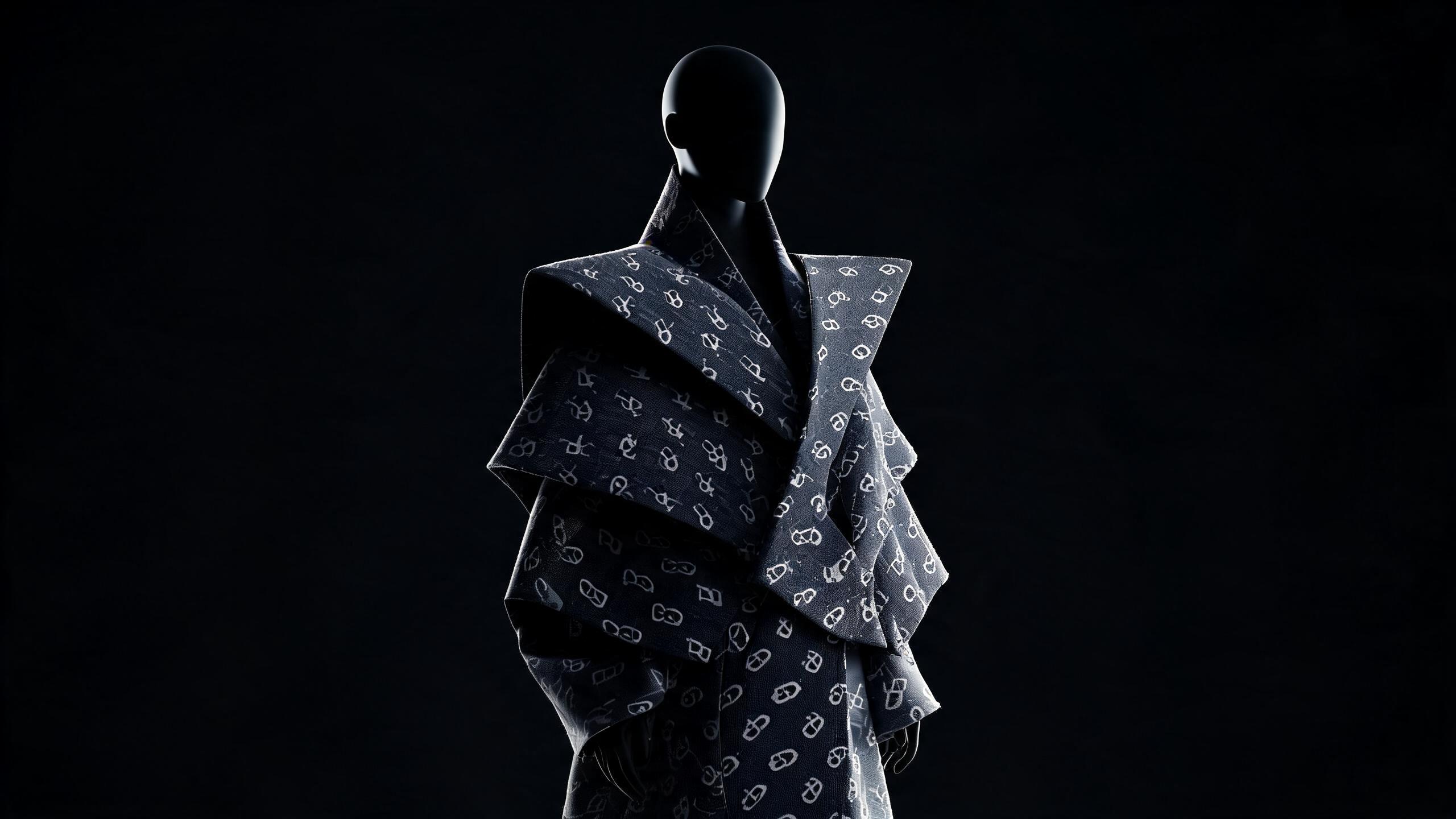
Designers can use AI to generate hardware designs that echo the structural lines of the garment itself. For example, a coat with sharp, architectural shoulders might feature 3D-printed buttons with a geometric fractal pattern generated by the same AI. This creates a cohesive aesthetic that permeates every level of the garment. For more on this, see 7 clever ways to use AI for better accessory and handbag styling.
This level of detail is what separates "custom" from "bespoke." Every element, down to the smallest rivet, is part of a unified data model. The AI ensures that the hardware is not just an afterthought, but a foundational part of the design.
How does a personal style model automate the iteration cycle?
The future of bespoke design lies in the "personal style model." This is a dynamic AI profile that learns from every garment a user wears, likes, or rejects. Instead of starting from scratch for every new commission, the AI uses this model to suggest design directions that it knows will resonate with the user's evolving taste.
This model tracks changes in the user's body data and style preferences over time. If a user moves from a professional environment to a creative one, the AI adjusts its recommendations accordingly. It creates a continuous feedback loop between the wearer and the atelier, much like the approach that AI tools can help you finally tame your wardrobe chaos.
This is not a recommendation engine; it is a collaborative intelligence. It understands the "why" behind a user's choices. This allows the designer to move faster and with more confidence, knowing that the foundation of the design is rooted in the user's verified data.
| Tip | Best For | Effort |
| Latent Space Exploration | Defining unique brand or personal identity | High (requires data curation) |
| Algorithmic Patterning | Achieving perfect fit without manual error | Medium (requires 3D scan data) |
| Neural Drape Simulation | Selecting the correct fabric for a design | Low (software-driven) |
| AI Color Extraction | Optimizing palette for skin tone | Low (vision model based) |
| Diffusion Prototyping | Visualizing concepts before production | Medium (requires prompt engineering) |
| Automated Tech Packs | Error-free manufacturing handoff | High (requires technical integration) |
| Nesting Algorithms | Reducing textile waste and costs | Low (computational) |
| Generative Hardware | Creating unique buttons and trims | Medium (requires 3D printing) |
| Personal Style Models | Long-term client relationship and design | High (continuous data learning) |
The transition from manual tailoring to an AI-driven atelier is a shift from art to infrastructure. It requires a rethink of how we define "custom" clothing. AlvinsClub uses AI to build your personal style model. Every outfit recommendation learns from you. Try AlvinsClub →
Summary
- Using generative AI for bespoke clothing design synthesizes individual body measurements and textile physics to create unique garment patterns beyond standard size charts.
- This approach replaces traditional tailor intuition with a data-driven infrastructure capable of infinite design iterations based on an individual's specific geometry.
- Designers use latent space exploration to interpolate between styles and discover brand-new aesthetic languages that manual design processes might overlook.
- Using generative AI for bespoke clothing design involves feeding "style seeds" into models to generate high-fidelity visual representations rooted in a user's personal identity.
- The technology ensures that every garment is a computed reflection of the wearer's unique taste profile rather than an approximation based on mass-market trends.
Frequently Asked Questions
What is using generative AI for bespoke clothing design?
This process involves applying machine learning models to synthesize personal body measurements, stylistic preferences, and textile physics into unique garment patterns. It replaces traditional subjective intuition with a data-driven infrastructure capable of creating infinite iterations for a perfect fit.
How does AI improve the accuracy of custom tailoring?
Artificial intelligence improves accuracy by processing complex anatomical data and fabric characteristics to predict how a garment will drape on a specific body. This computational approach eliminates the need for standard size charts, allowing for a level of precision that traditional manual methods cannot easily replicate.
Can you use AI to create custom garment patterns?
Designers can leverage generative algorithms to automatically transform body scans and design preferences into digital patterns ready for production. This technology streamlines the pattern-making phase and ensures that every geometric detail is optimized for the individual's unique physical form.
Is using generative AI for bespoke clothing design worth the investment?
Investing in this technology is worthwhile because it significantly reduces the time spent on manual measurements and multiple physical fittings. Ateliers can increase their throughput and precision while offering clients a cutting-edge, highly personalized design experience.
Why does using generative AI for bespoke clothing design yield a better fit than traditional methods?
AI yields a superior fit because it uses data-driven infrastructure to compute garments based on exact physiological data rather than approximating from standard sizes. This method allows for the infinite iteration of prototypes until the digital model matches the specific movement and shape of the wearer.
How do designers integrate AI into the bespoke atelier workflow?
Modern designers integrate these tools by using them to generate visual prototypes and complex pattern layouts that were previously impossible to draft by hand. This integration allows for a seamless transition from a digital concept to a physical garment, ensuring the final product aligns with the initial artistic vision.
This article is part of AlvinsClub's AI Fashion Intelligence series.
Related Articles
- How AI clothing scanners finally solve the nothing to wear dilemma
- Beyond the tape measure: The 2026 boom of AI-driven custom clothing
- The Digital Touch: A Guide to AI Fabric Texture Recognition for Shopping
- Ditch the Swatches: Using AI to Find Your Perfect Seasonal Color Palette
- 7 Clever Ways to Use AI for Better Accessory and Handbag Styling