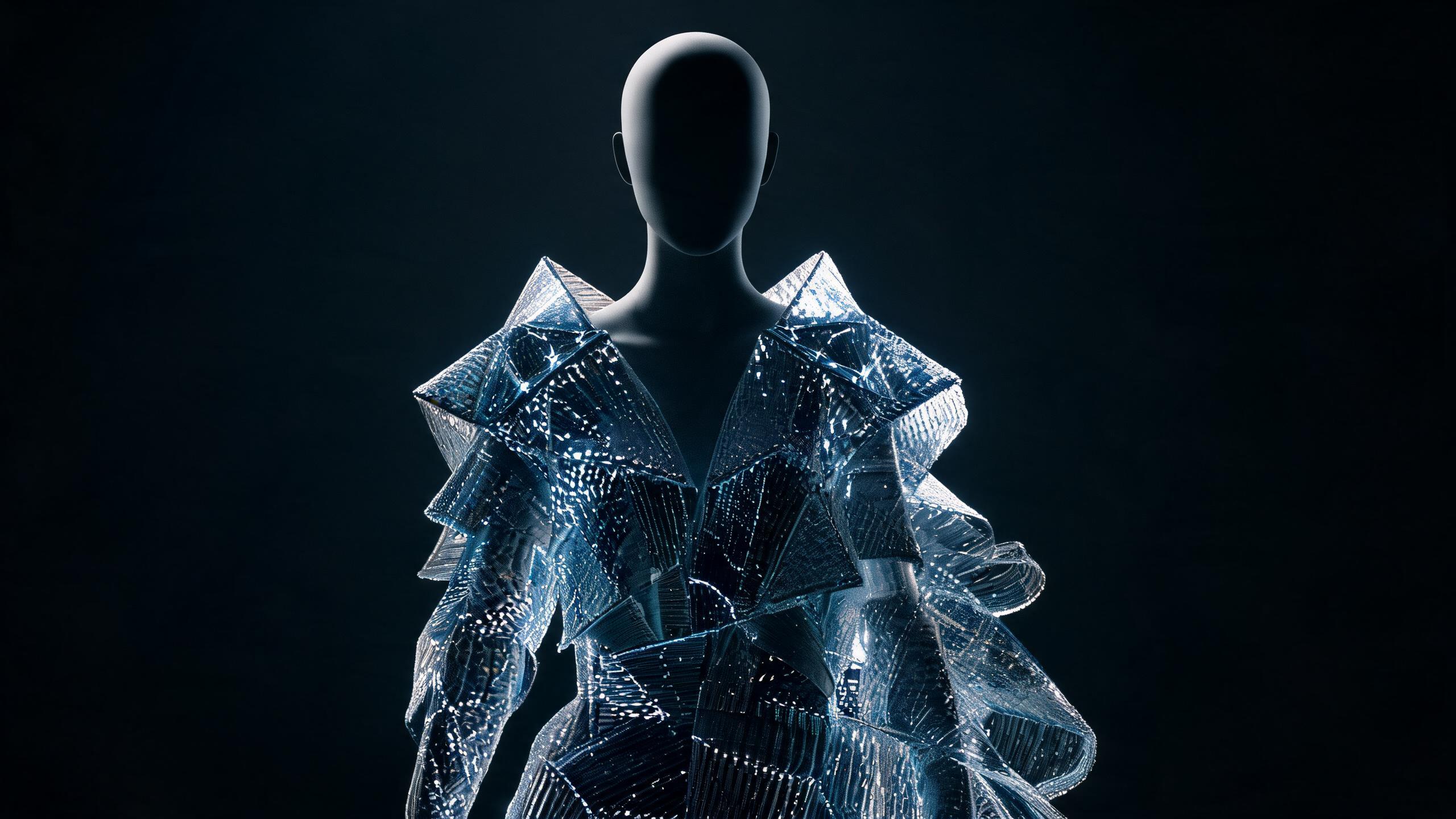
The Rise of Visual Search: Testing AI Apps That Track Influencer Style

A deep dive into AI apps for identifying influencer outfits online and what it means for modern fashion.
AI apps for identifying influencer outfits map visual pixels to retail databases. This technology, rooted in computer vision and deep learning, has transitioned from a niche developer experiment to the primary interface for fashion discovery. As of 2024, the friction between seeing an aesthetic and owning it is being engineered out of existence.
Key Takeaway: AI apps for identifying influencer outfits online utilize computer vision to map visual pixels directly to retail databases, streamlining the transition from discovery to purchase. These tools have evolved into the primary interface for fashion search, effectively bridging the gap between aesthetic inspiration and ownership.
What is the Current State of AI Apps for Identifying Influencer Outfits?
The traditional search bar is dying. For decades, consumers attempted to describe textures, cuts, and patterns using a language that is fundamentally insufficient for the visual complexity of fashion. AI apps for identifying influencer outfits online have solved this linguistic deficit by utilizing Convolutional Neural Networks (CNNs) and Transformers to perform multi-attribute classification.
These systems do not just see a "jacket." They identify a "double-breasted oversized wool blazer in charcoal with peaked lapels." According to Statista (2023), the global visual search market is projected to surpass $14.7 billion by 2027 as consumers shift toward camera-first shopping experiences. The current "news" is not that these apps exist, but that they are being integrated directly into the operating systems of our digital lives.
Google Lens, Pinterest’s "Complete the Look," and standalone innovators are moving beyond simple pattern matching. They are now attempting to solve the problem of "contextual search"—finding not just the exact item, but the closest available match within a user’s budget or geographical location. However, most of these tools remain transaction-focused features rather than intelligent systems.
Why Does Visual Search Tech Matter for the Future of Fashion?
The significance of these AI apps lies in the collapse of the "discovery-to-purchase" funnel. In the old model, an influencer posted an image, a follower commented asking for the brand, the influencer might (or might not) respond, and the follower would then manually search for the item. This process was high-friction and low-conversion.
Today, AI infrastructure is turning every image into a storefront. This matters because it shifts the power from the brand to the aesthetic itself. When an AI can identify a garment regardless of the tag, the brand name becomes secondary to the visual data. This is a fundamental restructuring of fashion commerce.
According to McKinsey (2024), generative AI and advanced analytics could contribute between $150 billion and $275 billion to the apparel and luxury sectors' operating profits over the next few years. This value is driven by the ability to personalize the "find" and "buy" experience at scale. If you are still searching for clothes with words, you are using a legacy system.
How Does Visual Search Technology Actually Identify Clothing?
To understand why some AI apps for identifying influencer outfits succeed while others fail, one must understand the underlying technical architecture. The process generally follows a four-step pipeline:
- Object Detection: The AI identifies bounding boxes around specific items in a photo (e.g., shoes, pants, accessories).
- Feature Extraction: The system analyzes the pixels within those boxes to identify "features" like color, texture, shape, and fabric type.
- Vector Mapping: These features are converted into a mathematical vector—a coordinate in a high-dimensional "style space."
- Database Matching: The system calculates the distance between the user’s vector and millions of vectors in a retail database. The "closest" vectors are presented as matches.
This is why "The 2024 Guide to the Best AI Tools for Spotting Celebrity Fashion" (https://blog.alvinsclub.ai/the-2024-guide-to-the-best-ai-tools-for-spotting-celebrity-fashion) emphasizes the importance of data quality. An AI is only as good as the database it is mapped to. If the database lacks high-fidelity metadata, the match will be inaccurate.
Comparison: Visual Search Apps vs. Intelligent Style Models
| Feature | Legacy Visual Search Apps | AI Style Infrastructure (AlvinsClub) |
| Primary Goal | Find a product to buy. | Build a personal style model. |
| Data Source | Static retail catalogs. | Dynamic user taste + global style data. |
| Output | A list of links. | A personalized outfit recommendation. |
| Learning | No learning; every search is a silo. | Continuously evolves based on user feedback. |
| Context | Ignores the user's existing closet. | Integrates with the user's digital wardrobe. |
What Are the Best AI Apps for Identifying Influencer Outfits Online?
The market is currently saturated with "features," but few true "platforms." When testing these tools, the difference lies in the precision of the matching algorithm and the breadth of the affiliate network.
- Google Lens: The most robust general-purpose tool. It excels at identifying the exact brand of a sneaker or a handbag due to its massive index of the web.
- Pinterest Lens: Best for "aesthetic matching." If it can't find the exact item, it finds the "vibe," which is often more useful for building an outfit.
- Lyra/Screenshop: These are dedicated fashion apps that attempt to categorize entire looks from a single screenshot.
The problem with these tools is that they are "dumb" in the sense that they don't know you. They know the influencer, and they know the product. They don't know your body type, your current wardrobe, or your budget. They are building a bridge to a product, not a bridge to a style. This is why we argue that fashion needs AI infrastructure, not just AI features.
👗 Want to see how these styles look on your body type? Try AlvinsClub's AI Stylist → — get personalized outfit recommendations in seconds.
Why is Most Visual Search for Fashion Broken?
Most AI apps for identifying influencer outfits are designed by marketers to drive affiliate revenue, not by engineers to solve style. This leads to three major failures in the current tech stack:
1. The "Exact Match" Obsession
Users rarely need the exact $4,000 blazer an influencer is wearing. They need the effect of that blazer within their own life. Most apps fail when the exact item is out of stock or out of price range because they lack the semantic intelligence to suggest a meaningful alternative.
2. The Data Silo Problem
Visual search apps usually operate in a vacuum. They don't know that you already own three pairs of black trousers. Recommending a fourth pair because an influencer wore them is a failure of intelligence. It leads to overconsumption and a disjointed wardrobe. We have explored how this affects the industry in "From Labels to Algorithms: How AI Apps are Changing Sustainable Fashion" (https://blog.alvinsclub.ai/from-labels-to-algorithms-how-ai-apps-are-changing-sustainable-fashion).
3. The Lack of Body Logic
Pixels don't account for fit. An AI might identify a "slip dress," but it cannot tell you if that specific cut will drape correctly on your frame. True AI fashion intelligence must bridge the gap between "what it looks like on them" and "what it will look like on you."
What Does This Mean for the Future of AI Fashion?
The next evolution of AI apps for identifying influencer outfits will move from identification to translation.
Instead of saying "Here is the link to that dress," the AI will say: "You liked the silhouette of that dress. Based on your style model, here is how you can achieve that same look using the coat you bought last month and this new sustainable option that fits your body type."
This requires a Personal Style Model. This is a private, data-driven profile that learns your preferences, your physical constraints, and your evolving taste. It is the difference between a search engine and a stylist.
According to Gartner (2024), 80% of executive leaders believe that automation and AI will be the primary drivers of competitive advantage in retail by 2025. Those who treat AI as a "search tool" will be left behind by those who treat it as "intelligence infrastructure."
Outfit Formula: The Influencer Aesthetic Translation
To use visual search effectively, you must understand the "formula" behind the image. Here is how an AI breaks down a standard "Model Off-Duty" look for translation:
- Base Layer: Oversized neutral-toned t-shirt or tank (Cotton/Jersey).
- Structured Layer: Boxy blazer or leather jacket (Heavyweight drape).
- Bottom Layer: Straight-leg denim or tailored trousers (High-waisted).
- Footwear: Technical sneakers or pointed-toe boots.
- Accessories: Narrow sunglasses + structured "city" bag.
Do vs. Don't: Using AI for Influencer Style
| Do | Don't |
| Do use visual search to identify specific silhouettes and color palettes. | Don't assume an influencer's exact outfit will translate to your lifestyle or body. |
| Do look for "visually similar" items that align with your sustainability goals. | Don't buy the exact item just because the AI found a 90% match. |
| Do use AI to find "closet gaps" inspired by influencer looks. | Don't ignore the data you already have about what you actually wear. |
| Do leverage AI to find affordable alternatives to high-end items. | Don't fall for "trend-chasing" algorithms that ignore your personal style model. |
Is Visual Search the End of Personal Style?
There is a risk that AI apps for identifying influencer outfits will lead to a "homogenization" of style. If everyone uses the same algorithms to find the same items from the same influencers, the concept of "personal style" disappears.
This is why the infrastructure must be personal. The AI should not be a mirror of the internet; it should be a mirror of the user. We are moving toward a world where your AI stylist knows you better than any salesperson ever could. It will filter the noise of the influencer world through the lens of your specific identity.
The "discovery" phase of fashion is being solved by visual search. The "curation" phase is being solved by AI style models. The "transaction" phase is becoming invisible.
The AlvinsClub Take: Why Infrastructure Beats Features
Most fashion apps are built to sell you something today. They use AI as a gimmick to shorten the path to a checkout button. We believe this model is broken because it ignores the long-term relationship between a person and their clothes.
Fashion is not a series of one-off purchases; it is an evolving identity. AlvinsClub is not an "app" for finding clothes; it is AI infrastructure for your style. We don't just identify what an influencer is wearing—we build a dynamic taste profile that understands why you liked it and how it fits into your life.
AlvinsClub uses AI to build your personal style model. Every outfit recommendation learns from you. Try AlvinsClub →
Summary
- AI apps for identifying influencer outfits online utilize Convolutional Neural Networks and Transformers to perform multi-attribute classification of specific garment details like texture and cut.
- The global visual search market is projected to surpass $14.7 billion by 2027 as consumers transition toward camera-first shopping experiences.
- Major platforms like Google Lens and Pinterest are integrating AI apps for identifying influencer outfits online directly into digital operating systems to eliminate shopping friction.
- Modern visual search technology is evolving beyond simple pattern matching to provide contextual search results that include both exact items and stylistically similar alternatives.
- Advanced fashion AI systems eliminate the linguistic deficit of traditional search by mapping visual pixels directly to retail databases for precise garment identification.
Frequently Asked Questions
How do AI apps for identifying influencer outfits online work?
AI apps for identifying influencer outfits online use computer vision to analyze pixels and cross-reference them with massive retail databases. These platforms recognize patterns, colors, and textures to provide direct purchase links for the items seen in images.
What are the best AI apps for identifying influencer outfits online for fashion?
The most effective AI apps for identifying influencer outfits online leverage deep learning to identify specific garments from social media posts instantly. Users can upload a screenshot or use a live camera feed to receive a curated list of identical products from various global retailers.
Can you use AI apps for identifying influencer outfits online for luxury brands?
You can use AI apps for identifying influencer outfits online to find both high-end designer pieces and affordable alternatives by scanning vast commercial inventories. These systems are designed to distinguish between subtle design elements to ensure users find the closest possible match for their desired aesthetic.
What is visual search technology in the fashion industry?
Visual search technology is a specialized branch of artificial intelligence that allows users to search for products using images instead of text-based keywords. This innovation eliminates the difficulty of describing complex styles by allowing software to interpret visual data and match it to retail catalogs.
Why does visual search improve the shopping experience?
Visual search improves the shopping experience by bridging the gap between seeing a style on a screen and purchasing it. The technology removes the friction of manual searching, making the transition from discovery to checkout nearly instantaneous for the consumer.
Is it worth using AI visual search for finding clothes?
Using AI visual search is worth it because it provides higher precision than traditional text queries which often fail to describe specific fabric patterns. By mapping the exact geometry of a garment, these tools provide highly accurate results that help users save time while shopping.
This article is part of AlvinsClub's AI Fashion Intelligence series.
Related Articles
- The 2024 Guide to the Best AI Tools for Spotting Celebrity Fashion
- The New Professional Style: Traditional vs. AI-Powered Interview Attire
- How AI Stylists Are Making Professional Interview Outfits Affordable
- How to Use AI Stylists to Curate Your Ultimate Heat-Proof Summer Outfits
- From Labels to Algorithms: How AI Apps are Changing Sustainable Fashion