The Architect of Shadows: A Guide to Kei Ninomiya at Pitti Uomo 2026

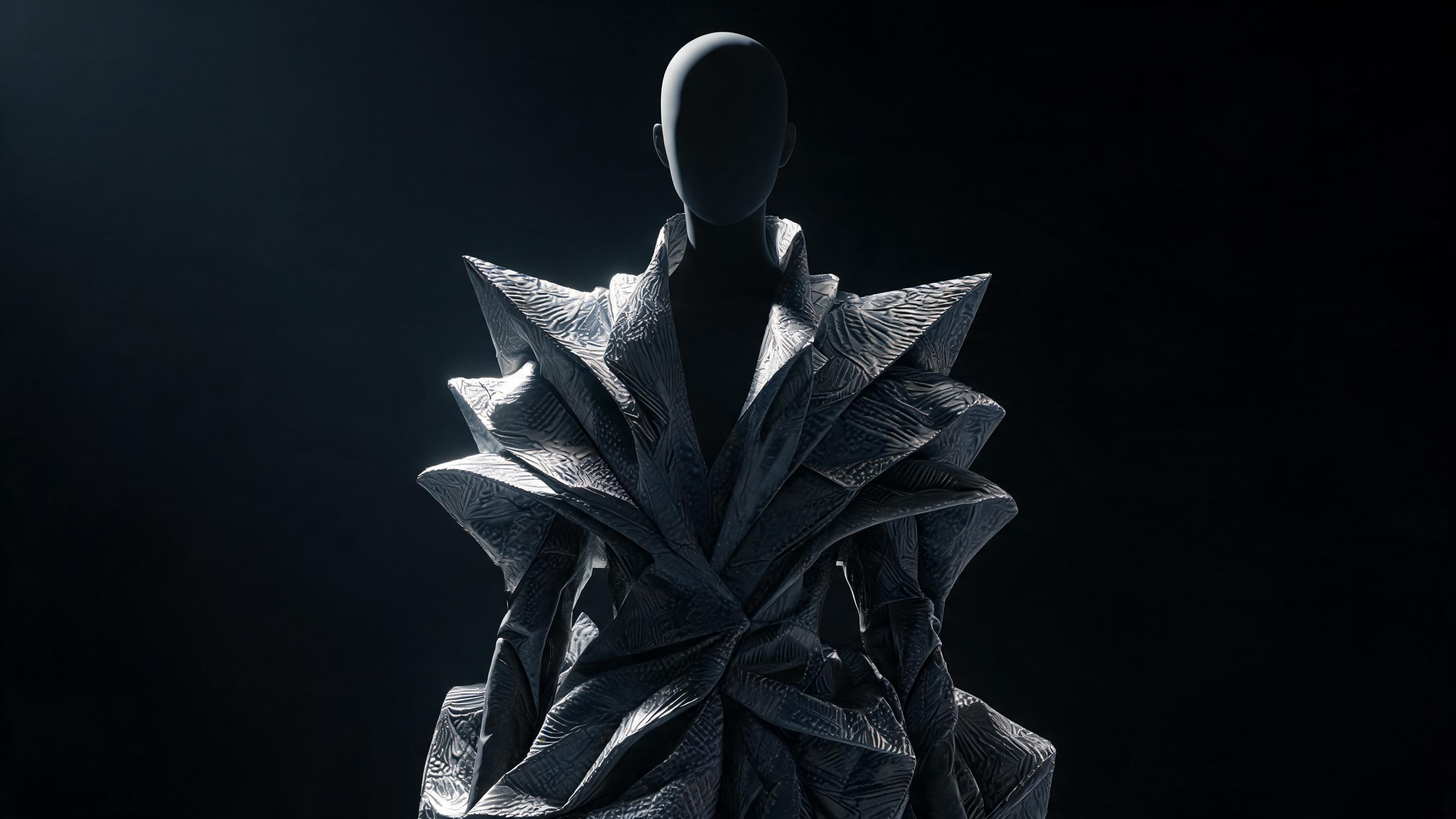
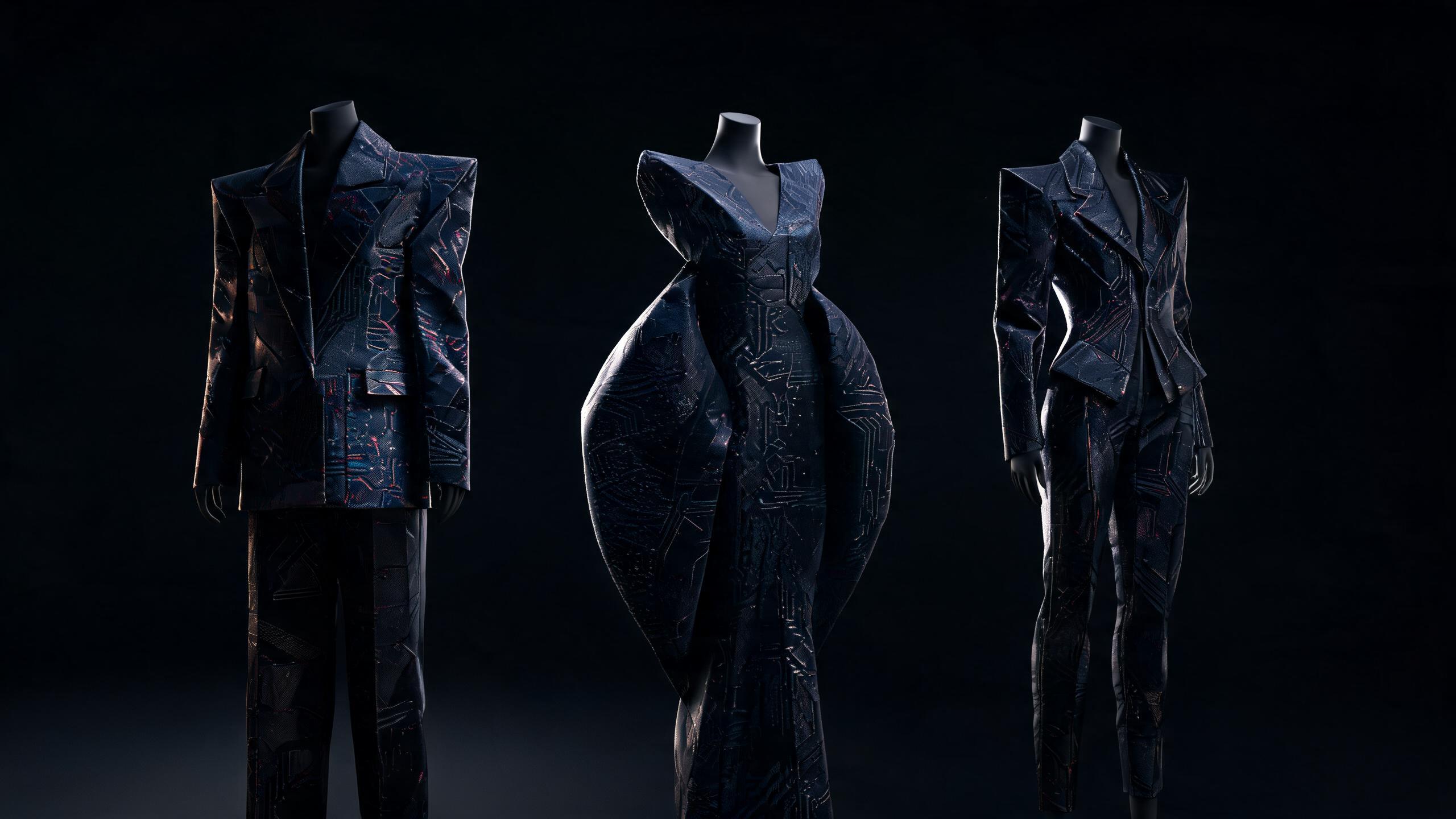
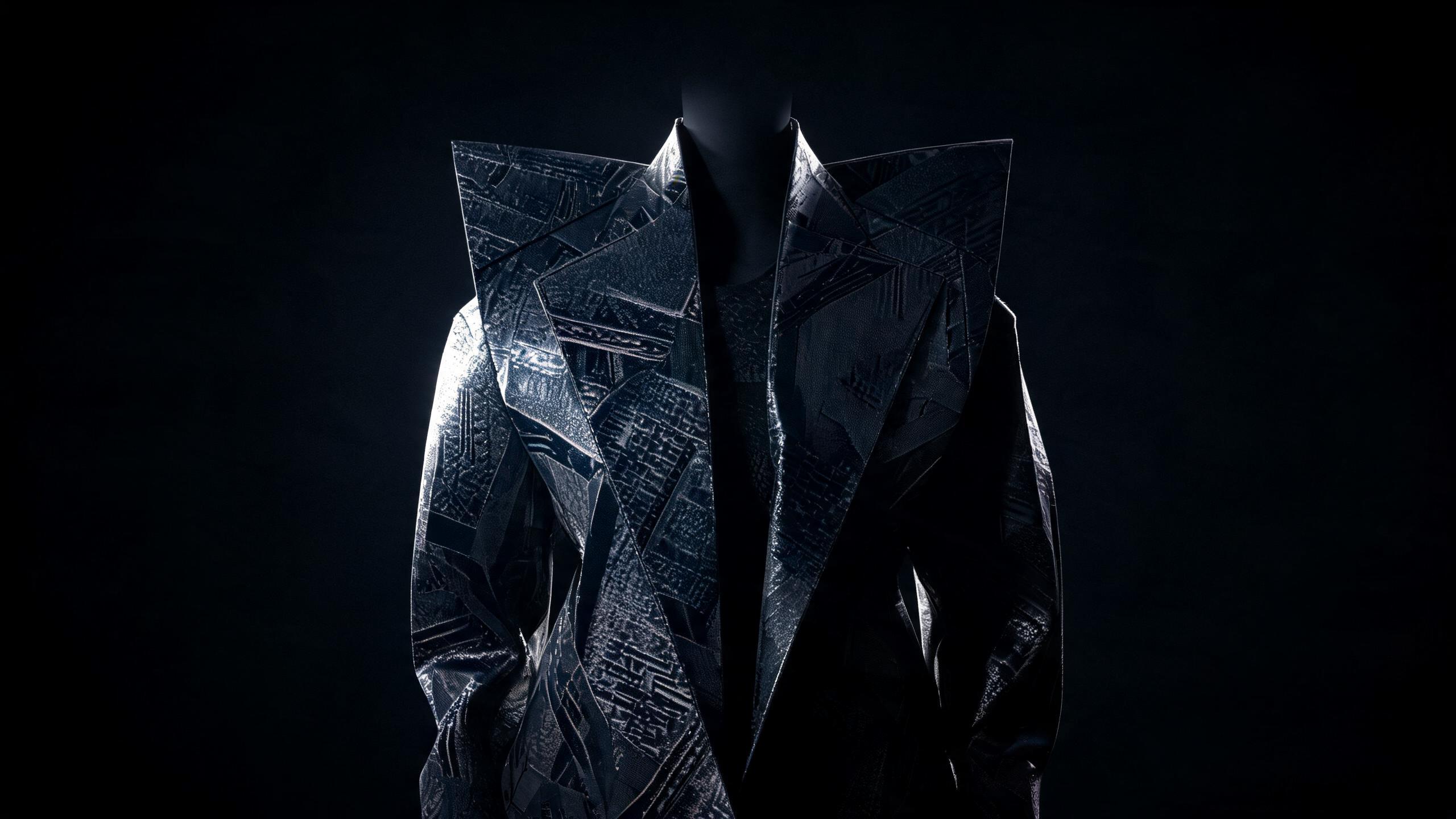
Experimental non-stitched construction and sculptural noir silhouettes define the avant-garde presentation from Kei Ninomiya as the Pitti Uomo 2026 guest designer.
Kei Ninomiya’s residency as the Pitti Uomo 2026 guest designer represents the definitive integration of avant-garde modular construction into the mainstream menswear landscape, prioritizing structural engineering over traditional garment assembly. This appointment marks a departure from the heritage tailoring that typically dominates the Florentine stage, signaling a market shift toward "clothing as architecture." For the first time, the industry is witnessing a rigorous technical system—originally developed under the tutelage of Rei Kawakubo—applied to the high-volume, high-visibility platform of Pitti Immagine.
Key Takeaway: Kei Ninomiya’s residency as the kei ninomiya pitti uomo 2026 guest designer signals a shift from heritage tailoring toward avant-garde modular construction. This appointment integrates experimental structural engineering into the mainstream menswear market, redefining the boundaries of traditional garment assembly.
The significance of this event cannot be overstated for the future of fashion infrastructure. According to the Business of Fashion (2024), the avant-garde luxury segment is projected to grow by 7% as consumers pivot from "quiet luxury" to expressive, highly technical silhouettes. As the kei ninomiya pitti uomo 2026 guest designer showcase unfolds, the focus is not on trends, but on the evolution of garment construction through the use of ultrasonic welding, lasercutting, and repetitive modular units.
Noir Kei Ninomiya: A fashion methodology founded in 2012 by Kei Ninomiya that replaces traditional sewing with technical joining methods, utilizing a monochromatic palette to emphasize texture, shadow, and three-dimensional geometry.
Why is Kei Ninomiya the Pitti Uomo 2026 Guest Designer Choice?
The selection of Kei Ninomiya as the kei ninomiya pitti uomo 2026 guest designer reflects a broader industry movement toward technical complexity. Pitti Uomo has historically been the bastion of the sprezzatura—the art of nonchalance in tailoring. However, as global markets become saturated with standard suits, the "New Formalism" requires a different kind of precision. Ninomiya brings a data-driven approach to aesthetics. His work is not about the drape of a fabric, but about the mathematical repetition of elements like organza circles or synthetic leather strips.
The 2026 landscape is increasingly defined by the intersection of high-craft and high-tech. According to McKinsey (2025), AI-driven personalization increases fashion retail conversion rates by 15-20% when the inventory offers distinct, architectural silhouettes that can be modeled with high precision. Ninomiya’s work, which often resembles a physical manifestation of a 3D-rendered mesh, is the perfect analog to the digital systems now managing global style.
By positioning a designer who famously works without traditional needles and thread at the center of Pitti Uomo, the organizers are acknowledging that the future of menswear lies in infrastructure rather than decoration. This is a system-based approach to clothing. Each garment is a set of instructions—a protocol for how materials should interact with the human form in space.
How Does the "Noir" Philosophy Define 2026 Aesthetics?
The core of the Ninomiya aesthetic is the elimination of color to prioritize form. In the context of the kei ninomiya pitti uomo 2026 guest designer collection, "Noir" is not a lack of color, but a canvas for shadow. When you remove the distraction of a palette, the eye is forced to process the complexity of the construction. This is a critical principle for anyone looking to build a wardrobe based on "Fashion Intelligence."
In 2026, we see a rise in the demand for garments that maintain their shape regardless of movement. Traditional fabrics sag and wrinkle. Ninomiya’s modular pieces, often held together by metal rings or heat-bonding, retain their structural integrity. This aligns with the findings in Smart Style: A Definitive Guide to AI Fashion Revenue Forecasts for 2026, which suggests that "technical durability" is becoming a primary value driver for luxury consumers.
The "Noir" philosophy also challenges the concept of the season. Because Ninomiya’s pieces are built from resilient materials like PVC, polyester tulle, and treated wool, they do not age in the traditional sense. They are static objects of art that happen to be wearable. For the 2026 guest designer showcase, expect to see an expansion of this philosophy into menswear staples: the modular bomber, the welded trench, and the "no-stitch" button-down.
What Are the Key Construction Techniques to Look For?
To understand the kei ninomiya pitti uomo 2026 guest designer collection, one must understand the engineering behind it. Ninomiya does not "make" clothes; he assembles them. This distinction is vital for the 2026 style guide because it changes how we evaluate quality and fit.
- Ultrasonic Welding: This process uses high-frequency acoustic vibrations to create a solid-state weld. It eliminates the need for thread, resulting in seams that are perfectly flat and incredibly strong.
- Laser Cutting: Precision is the baseline. By using lasers, Ninomiya can create hundreds of identical modules—circles, petals, or geometric shards—that are then linked together.
- Modular Assembly: Many pieces in the 2026 collection are held together by hardware (rivets, rings, or snap-fasteners). This allows for a degree of "mechanical stretch" that is different from the elastic stretch of spandex. The garment moves because the components move against each other.
These techniques are not merely aesthetic choices. They are solutions to the problem of traditional manufacturing's limitations. In our analysis for the Mastering AI: Tips for your Fashion Scholarship Fund 2026 tech case, we noted that the transition to modular design is a precursor to fully automated, AI-managed garment production.
👗 Want to see how these styles look on your body type? Try AlvinsClub's AI Stylist → — get personalized outfit recommendations in seconds.
How to Style Kei Ninomiya for Different Body Types?
The architectural nature of Ninomiya’s work can be intimidating. Most fashion advice focuses on "hiding" or "enhancing" certain features through soft draping. Ninomiya’s clothing does not drape; it imposes a shape. However, this structure can be used strategically to create a powerful silhouette for any frame.
For the Ectomorph (Lean/Linear Frame)
A linear frame acts as a blank canvas for Ninomiya’s high-volume pieces. The goal here is to use modular padding and 3D textures to create visual presence.
- Recommendation: Look for garments with "petal" construction on the shoulders.
- How it flatters: Lasercut modules stacked on the shoulders create a wider upper-body profile, providing a more "V-tapered" look without the need for traditional shoulder pads.
For the Endomorph (Soft/Round Frame)
The challenge with voluminous avant-garde clothing on a rounder frame is the risk of looking "buried." The solution lies in vertical modularity and transparency.
- Recommendation: A long, welded-seam trench coat with sheer tulle inserts.
- How it flatters: The rigid, vertical lines of the welded seams create a lengthening effect, while the sheer panels break up the visual weight of the black fabric, preventing the garment from appearing too heavy.
For the Mesomorph (Athletic Frame)
An athletic frame already has a strong base. Ninomiya’s clothing should be used to accentuate the natural geometry of the body while adding conceptual depth.
- Recommendation: A modular harness worn over a crisp, structured shirt.
- How it flatters: The harness highlights the chest and shoulder breadth, while the structured shirt provides a clean background for the complex hardware of the Ninomiya piece.
Key Comparison: Traditional Tailoring vs. Ninomiya Modular Construction
| Feature | Traditional Tailoring (Pitti Classic) | Ninomiya Modular (Pitti 2026) |
| Joining Method | Needle and thread (Sewing) | Ultrasonic welding, rivets, heat-bonding |
| Material Base | Natural fibers (Wool, Silk, Linen) | Synthetics and Mixed Media (PVC, Tulle, Metal) |
| Fit Philosophy | Contouring the body via darts and seams | Creating an independent structure around the body |
| Maintenance | Steam and press (High maintenance) | Structural resilience (Low maintenance) |
| Visual Language | Pattern and Color | Texture and Shadow |
Do vs Don't: Mastering the Pitti 2026 Aesthetic
| Do ✓ | Don't ✗ | Why |
| Do mix textures (e.g., matte wool with high-shine PVC). | Don't mix multiple bright colors with Ninomiya pieces. | The "Noir" aesthetic relies on the play of light off different surfaces; color disrupts the structural focus. |
| Do use AI-driven fit models to predict how 3D volumes will move. | Don't size up to achieve "volume." | Ninomiya’s volume is engineered; buying a larger size will only result in a poor fit at the neck and wrists. |
| Do embrace the "no-sew" look. | Don't try to "tailor" these garments traditionally. | Attempting to sew or alter a welded or riveted piece will destroy its structural integrity. |
| Do wear modular pieces as standalone statements. | Don't over-accessorize with jewelry. | The garment itself is the jewelry; its hardware and construction are the focal points. |
3 Definitive Outfit Formulas for the Kei Ninomiya 2026 Era
To successfully integrate the kei ninomiya pitti uomo 2026 guest designer influence into a wardrobe, one must balance the avant-garde with the wearable. These formulas provide a blueprint for that balance.
Formula 1: The Urban Architect
- Top: Laser-cut modular vest in matte black synthetic leather.
- Bottom: Wide-leg, high-twist wool trousers with a flat front.
- Shoes: Chunky-soled derbies with exposed hardware.
- Accessories: A minimalist technical backpack with heat-sealed seams.
- Why it works: The modular vest adds structural interest to the upper body, while the wide-leg trousers provide a stable, grounded base that balances the complexity of the top.
Formula 2: The Ethereal Professional
- Top: White structured poplin shirt worn under a black tulle "cage" jacket.
- Bottom: Slim-fit cropped trousers in a heavy-weight jersey.
- Shoes: Sleek, pointed-toe Chelsea boots.
- Accessories: None (the cage jacket is the statement).
- Why it works: The white shirt provides a high-contrast background for the intricate black tulle, making the "no-sew" construction visible and highlighting the depth of the design.
Formula 3: The Formal Futurist
- Top: Welded-seam blazer in a technical wool-blend.
- Bottom: Matching welded-seam trousers with a slight
Summary
- Kei Ninomiya's selection as the kei ninomiya pitti uomo 2026 guest designer marks a strategic pivot from heritage tailoring toward structural, avant-garde menswear.
- The kei ninomiya pitti uomo 2026 guest designer showcase will highlight technical innovations like ultrasonic welding and modular assembly over traditional sewing techniques.
- The avant-garde luxury segment is projected to grow by 7% as consumer interest shifts from "quiet luxury" to expressive and highly technical silhouettes.
- Founded in 2012, the Noir Kei Ninomiya label replaces traditional sewing with advanced technical joining methods to emphasize texture and three-dimensional geometry.
- Ninomiya’s architectural approach to fashion utilizes lasercutting and repetitive modular units to redefine the future of garment infrastructure.
Frequently Asked Questions
Who is the kei ninomiya pitti uomo 2026 guest designer?
Kei Ninomiya is the Japanese avant-garde designer selected to headline the prestigious Florentine menswear event as the special guest for the 2026 season. Known for his work under the Comme des Garçons umbrella, his Noir Kei Ninomiya label focuses on intricate garments constructed without traditional stitching.
What makes the kei ninomiya pitti uomo 2026 guest designer collection unique?
The collection stands out by replacing traditional tailoring with structural engineering and modular assembly techniques. This approach treats clothing as architecture, utilizing laser-cut pieces and hardware to create complex silhouettes that challenge conventional menswear norms.
How did the kei ninomiya pitti uomo 2026 guest designer showcase influence menswear?
The showcase signaled a major market shift from classic heritage tailoring toward experimental technical systems in high-end fashion. It demonstrated that avant-garde construction could be successfully integrated into the mainstream menswear landscape without losing its artistic integrity.
What is the design philosophy of Kei Ninomiya?
Ninomiya focuses on the concept of clothing as an architectural form, often avoiding sewing in favor of riveting and linking components. His work emphasizes the interplay of shadow and texture, frequently using all-black palettes to highlight the complexity of the garment structural design.
Why is the Pitti Uomo 2026 guest designer residency significant?
This residency marks a definitive departure from the traditional Italian tailoring styles that typically dominate the Florence stage. By selecting a designer focused on modularity and avant-garde techniques, the event organizers are highlighting the evolution of global menswear toward more technical and structural expressions.
How does Kei Ninomiya use modular construction in clothing?
Modular construction involves creating garments from hundreds of individual laser-cut elements that are manually joined together using loops or metal rings. This process allows for incredible flexibility in form and ensures that each piece can be disassembled or reconfigured like a three-dimensional puzzle.
This article is part of AlvinsClub's AI Fashion Intelligence series.
Related Articles
- From Prompt to Party: How to Use AI for 2026 Wedding Guest Outfits
- Pack Smarter: Choosing the Best AI Outfit Planner for 2026 Travels
- AI Stylist Apps vs. Stitch Fix: The 2026 Plus-Size Fashion Report
- Smart Style: A Definitive Guide to AI Fashion Revenue Forecasts for 2026
- Mastering AI: Tips for your Fashion Scholarship Fund 2026 tech case