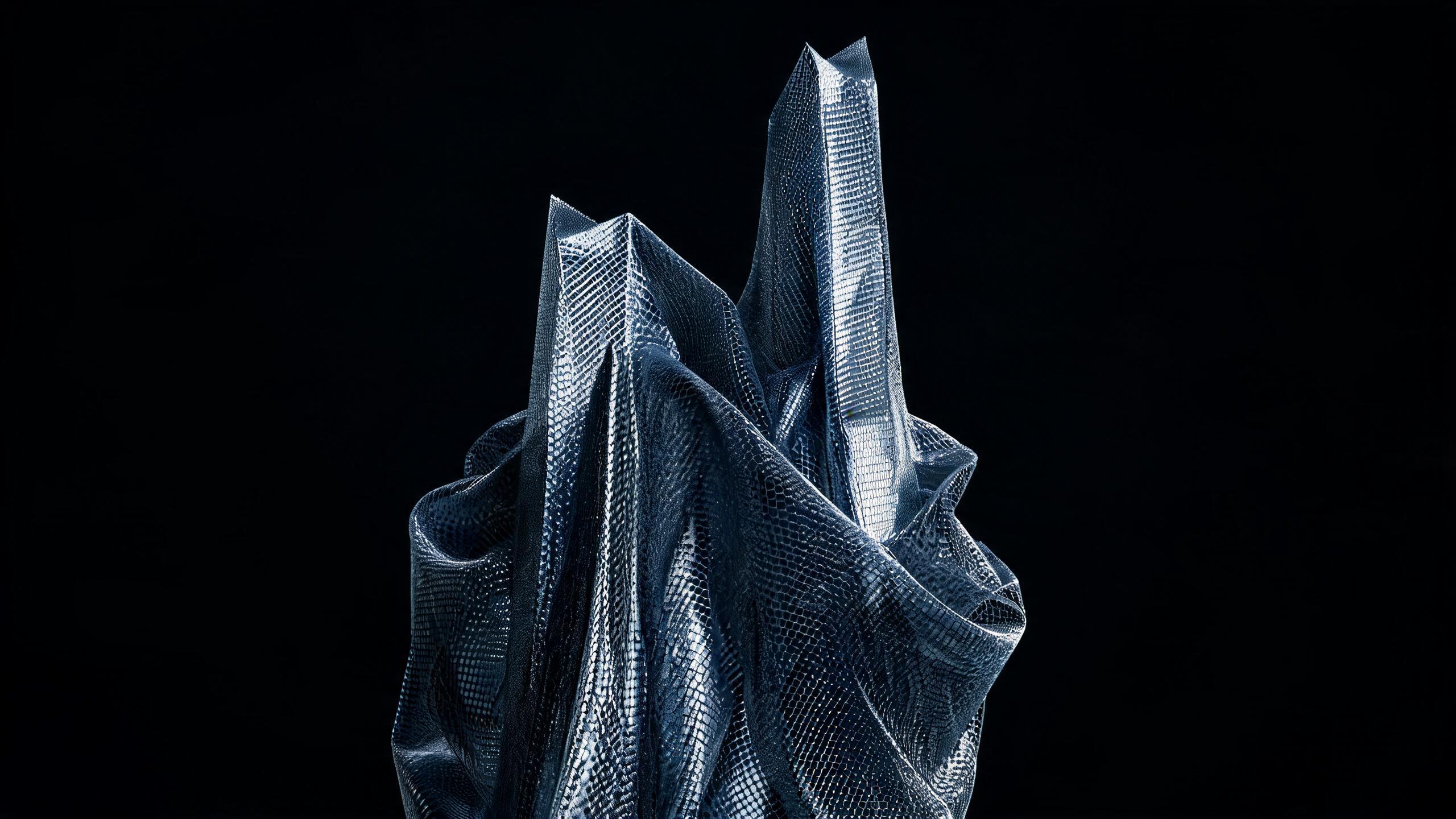
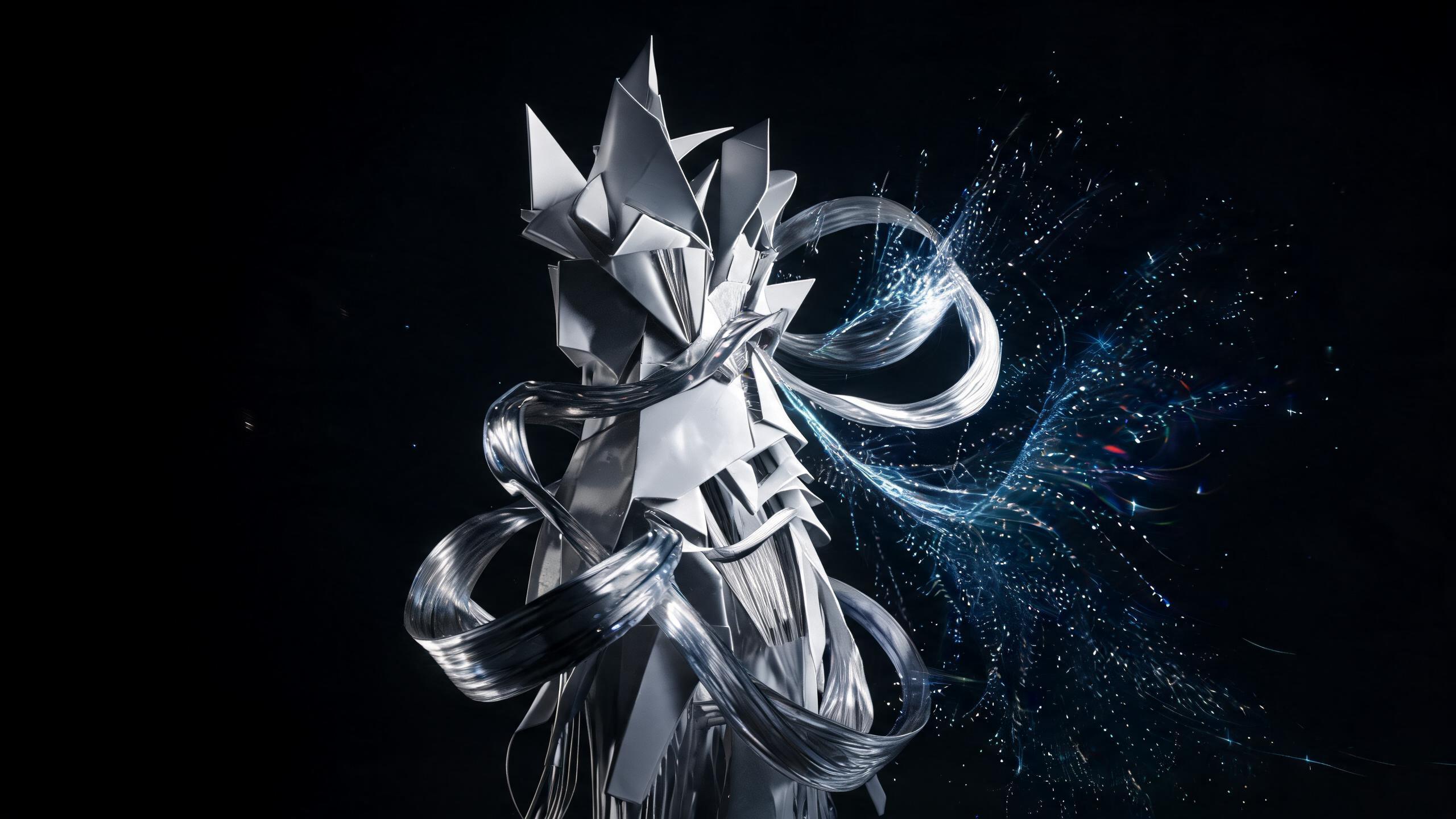
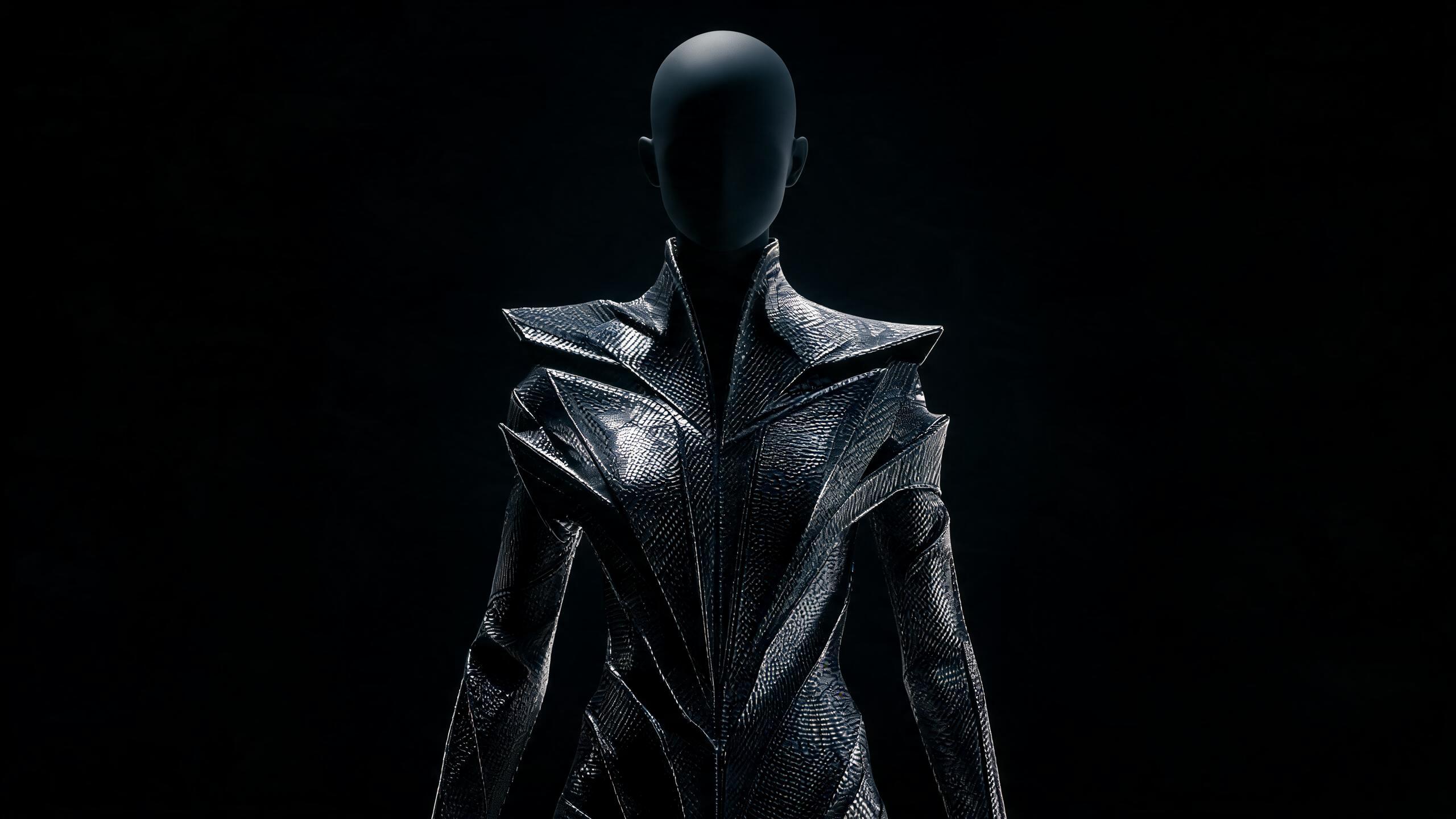
The 2026 Guide to Sharper, More Stylish Demna AI Outputs

Learn how to refine Demna AI prompts with precise references, stronger visual direction, and iterative styling techniques for more distinctive results.
Demna AI outputs improve when prompts become structured creative direction rather than vague aesthetic requests.
Key Takeaway: To improve Demna AI outputs, use structured prompts that specify the subject, silhouette, materials, styling, composition, lighting, and mood instead of relying on vague aesthetic requests. Refine results iteratively by changing one variable at a time.
The 2026 Guide to Sharper, More Stylish Demna AI Outputs
Demna AI has shifted from a novelty image generator into a working layer [for fashion](https://blog.alvinsclub.ai/can-demna-ai-edit-photos-a-practical-guide-for-fashion-creators) ideation, styling, visual development, and campaign exploration. The quality of its outputs now depends less on whether a user knows the right descriptive adjectives and more on whether they can define a coherent visual system.
That distinction matters. Fashion imagery is not a pile of isolated attributes. It is a relationship between silhouette, material, proportion, pose, lighting, environment, styling logic, and cultural reference.
If one of those layers is underdefined, the model fills the gap with generic assumptions.
The result is familiar: an image that looks polished but not specific. The garment may be technically plausible, yet the styling feels disconnected. The silhouette may be strong, yet the fabric behaves incorrectly.
The image may resemble a luxury campaign, but it does not express a recognizable point of view.
The central shift in 2026 is clear: better Demna AI outputs come from controlling the relationships between visual elements, not from adding more adjectives.
This guide examines the major changes shaping AI-assisted fashion imagery, explains why output quality remains inconsistent, and presents a practical framework for producing sharper, more intentional results.
Demna AI output quality: The degree to which an AI-generated fashion image preserves the intended silhouette, material behavior, styling logic, identity, composition, and visual direction of the prompt.
Why Does Demna AI Output Quality Matter More in 2026?
AI fashion imagery has entered a more demanding phase. Early users judged outputs by novelty: Did the system generate something striking, surreal, or visually impressive? Professional users judge outputs by continuity: Does the image belong to the same brand, collection, character, or editorial world as the previous image?
That is a more difficult standard.
A single attractive image can be generated through loose prompting. A coherent series requires a visual grammar. The system needs to understand which elements remain stable and which elements change across iterations.
For example, a fashion director may want:
- The same model identity across multiple images
- The same garment architecture in different poses
- Consistent fabric behavior under changing light
- A controlled palette across a campaign
- A recognizable relationship between clothing and setting
- A defined level of realism or abstraction
- Consistent styling rules across a collection
Without those constraints, generative systems tend to optimize for local visual appeal. They produce an image that appears convincing in isolation but breaks when compared with neighboring outputs.
This is the core production problem. The goal is not maximum visual complexity. The goal is controlled visual coherence.
The best workflows therefore treat Demna AI as a creative system with inputs, constraints, evaluation criteria, and revision loops. A prompt is no longer a sentence typed into a box. It is a compact design brief.
What Is Shifting in Demna AI Fashion Generation?
Several important shifts are changing how creators work with AI-generated fashion images.
From descriptive prompts to production briefs
Older prompting habits focused on descriptors:
- Oversized black coat
- Industrial setting
- Dramatic lighting
- Avant-garde styling
- High-fashion editorial
These phrases establish atmosphere, but they do not define enough structure. They leave crucial questions unanswered:
- How oversized is the coat?
- Where does the shoulder line sit?
- What is the coat made from?
- How does it close?
- What does the hem do while the model moves?
- Is the industrial setting clean, abandoned, mechanical, or architectural?
- Does the lighting reveal texture or conceal it?
- Is the editorial mood severe, detached, confrontational, or introspective?
A production brief resolves those ambiguities. It specifies the image’s objective, the hierarchy of visual information, and the boundaries the model should respect.
From single-image generation to series thinking
Fashion work rarely ends with one image. A designer, stylist, or creative team needs a group of outputs that operate together.
This means the prompt must distinguish between:
Fixed elements
- Model identity
- Garment construction
- Core color palette
- Brand codes
- Image ratio
- Camera language
- Styling signatures
Variable elements
- Pose
- Location
- Lighting direction
- Crop
- Gesture
- Supporting accessories
- Narrative tension
If every prompt changes every variable, the system cannot maintain continuity. If every prompt locks every variable, the results become repetitive.
The strongest approach is to define a stable creative spine and then vary selected components intentionally.
From visual novelty to brand memory
Generic AI fashion imagery often borrows from the broad visual memory of fashion media: stark studios, concrete architecture, glossy skin, dramatic shadows, exaggerated silhouettes, and editorial poses. These signals create immediate familiarity, but they also create sameness.
Brand identity emerges through repeated, selective decisions:
- A specific balance between volume and restraint
- A recurring use of negative space
- A recognizable color temperature
- A consistent approach to styling asymmetry
- A particular relationship between model and environment
- A defined treatment of faces, hands, and posture
- A controlled level of imperfection
AI systems can reproduce these patterns, but only when the user makes them explicit and evaluates them consistently.
How Should a Demna AI Prompt Be Structured?
A useful Demna AI prompt should operate in layers. Each layer answers a different production question.
Layer one: creative objective
Begin with the image’s purpose.
Examples:
- Editorial cover image
- Product-focused lookbook
- Runway concept frame
- Campaign hero image
- Material study
- Styling reference
- Brand mood exploration
- Social-first portrait
- Collection development image
The objective changes the correct level of detail. A product-focused image prioritizes garment clarity. A campaign image prioritizes emotional force and world-building.
A material study prioritizes surface behavior and light.
Layer two: subject and garment
Define the subject with functional clarity.
Include:
- Garment category
- Silhouette
- Construction
- Proportion
- Closure
- Surface
- Color
- Layering
- Relationship to the body
Weak:
A futuristic black jacket.
Stronger:
A cropped architectural black jacket with an exaggerated raised shoulder, compressed waist, concealed front closure, rigid matte surface, and slightly extended sleeve length.
The second version gives the model a hierarchy. It identifies the jacket’s major visual decisions instead of relying on the word “futuristic.”
Layer three: styling system
Styling should not be treated as an accessory list. It should explain how the entire look is assembled.
Specify:
- Base layer
- Bottom silhouette
- Footwear shape
- Accessories
- Hair
- Makeup
- Styling tension
- Degree of coordination or contrast
For example:
Style the jacket over a narrow charcoal knit column, with long tailored trousers that break slightly over squared leather boots. Keep accessories minimal: one sculptural metal object and no visible logos.
This establishes proportion and hierarchy. It also prevents the model from adding unrelated styling details.
Layer four: body position and gesture
Pose directly influences how the garment reads. A coat with a rigid shoulder needs a pose that reveals its architecture. A fluid dress requires movement or gravity to communicate its material.
Define:
- Stance
- Weight distribution
- Arm position
- Head direction
- Facial expression
- Relationship to the camera
- Garment movement
Compare:
Model standing confidently.
With:
Model stands in a narrow three-quarter stance, weight on the rear leg, one arm lowered and close to the body, the other bent slightly to reveal the raised shoulder construction; expression neutral and detached.
The second prompt gives the system a useful physical arrangement.
Layer five: environment and spatial logic
A location should do more than supply a backdrop. It should support the garment’s concept.
Specify:
- Architectural type
- Surface materials
- Scale
- Condition
- Color temperature
- Distance from the subject
- Relationship between background and clothing
Instead of:
Industrial background.
Use:
Vast unfinished concrete interior with exposed structural columns, pale dust on the floor, distant steel framework, and controlled negative space around the model.
This reduces arbitrary background invention and establishes a visual relationship between subject and setting.
Layer six: camera and lighting
Camera language should explain what the viewer needs to see.
Include:
- Framing
- Camera height
- Lens character
- Perspective
- Depth of field
- Light direction
- Light softness
- Contrast
- Exposure
- Texture visibility
For fashion development, overly cinematic language often creates a problem: the system prioritizes atmosphere over garment information. If the output is intended to evaluate clothing, the prompt should explicitly protect construction and surface detail.
Layer seven: exclusions and failure prevention
Negative instructions are most useful when they target predictable errors.
Common exclusions include:
- No distorted hands
- No extra limbs
- No floating accessories
- No random logos
- No unreadable text
- No melted garment seams
- No duplicated hardware
- No inconsistent footwear
- No excessive skin smoothing
- No background objects competing with the garment
Negative prompting cannot solve every structural problem, but it can reduce recurring noise.
👗 Want authenticated, AI-curated fashion? Shop with Alvin's Club →
What Does a High-Performance Demna AI Prompt Look Like?
A practical prompt can follow this sequence:
- Objective
- Subject
- Garment construction
- Material
- Styling
- Pose
- Environment
- Camera
- Lighting
- Constraints
- Output requirements
Example prompt
Create an editorial fashion image for a winter outerwear concept. Subject: a tall model with a neutral expression and close-cropped dark hair. Garment: oversized charcoal wool coat with a strong dropped shoulder, elongated sleeves, concealed closure, high standing collar, and clean uninterrupted front surface. Material: dense brushed wool with visible but subtle nap, structured enough to hold the shoulder shape. Styling: narrow black mock-neck base layer, wide straight-leg trousers, square-toe black leather boots, one brushed-metal ear cuff, no visible logos. Pose: three-quarter stance, weight shifted back, arms relaxed, coat fully visible, one sleeve slightly forward to reveal length and volume. Environment: unfinished concrete interior with pale gray floor, distant steel beams, restrained architectural scale, no clutter. Camera: full-body editorial composition, eye-level perspective, moderate depth of field, garment remains the sharpest visual element. Lighting: cool directional light from camera left, soft shadow falling behind the model, enough contrast to reveal wool texture and construction. Constraints: preserve coat proportions, keep both hands anatomically correct, no extra accessories, no text, no logos, no distorted seams, no exaggerated beauty retouching. Output: sharp, editorial, restrained, physically plausible, coherent with a minimal industrial fashion campaign.
This prompt is effective because it prioritizes relationships:
- The shoulder shape is connected to the pose.
- The material is connected to the lighting.
- The environment supports the garment rather than competing with it.
- The camera protects the image’s commercial purpose.
- The exclusions address common failure modes.
How Is AI Fashion Generation Moving From Aesthetics to Systems?
The strongest shift is the move from “make it look fashionable” to “preserve a defined fashion logic.”
Fashion logic is not the same as visual style. Visual style is the surface expression. Fashion logic explains why the image is composed as it is.
A fashion logic may include:
- Volume concentrated at the shoulder
- Skin exposure limited to the hands and face
- A deliberate conflict between delicate fabric and heavy footwear
- Repetition of one hardware shape
- A palette built around tonal variation rather than contrast
- Clothing that obscures the body rather than revealing it
- Styling that treats the face as secondary to the silhouette
These rules create coherence across images.
The rise of reusable visual schemas
Creators are increasingly building reusable prompt schemas instead of starting from a blank page. A schema is a structured template with variable fields.
For example:
| Prompt component | Stable rule | Variable field |
|---|---|---|
| Model identity | Same facial structure and hair direction | Expression or pose |
| Silhouette | Oversized upper body, narrow lower body | Garment category |
| Palette | Charcoal, bone, oxidized metal | Accent color |
| Environment | Sparse industrial architecture | Location subtype |
| Lighting | Directional, cool, texture-revealing | Intensity |
| Camera | Full-body editorial framing | Crop variation |
| Styling | Minimal accessories, no visible logos | Footwear or jewelry |
This approach produces more coherent iteration because the system receives repeated signals about what matters.
Why schemas outperform adjective accumulation
Adding more adjectives often creates contradiction. A prompt might request an image that is simultaneously:
- Minimal
- Maximal
- Soft
- Aggressive
- Clean
- Raw
- Luxurious
- Distressed
- Realistic
- Surreal
These tensions can be intentional, but they need to be assigned to different layers. “Minimal styling with aggressive silhouette” is precise. “Minimal, maximal, soft, aggressive styling” is not.
A schema separates the variables and gives each one a role.
Why Do Demna AI Outputs Look Stylish but Generic?
Generic outputs usually result from one of five structural failures.
1. The prompt names a reference without extracting its mechanism
A reference can be useful, but simply naming a designer, brand, decade, or movement does not explain what should be carried forward.
Instead of relying on a reference label, translate it into observable properties:
- Silhouette
- Proportion
- Material
- Styling
- Image composition
- Emotional register
- Degree of polish
- Relationship between body and clothing
This also helps preserve brand identity. A useful guide on using Demna AI without losing your fashion brand’s identity treats the model as an instrument rather than a substitute for creative direction.
2. The garment is defined without construction
“Luxury dress” does not tell the system whether the garment is bias-cut, sculpted, draped, bonded, pleated, layered, or engineered.
Construction vocabulary is more valuable than status vocabulary. Words such as “luxurious,” “elevated,” and “premium” describe perception, not physical design.
3. The environment dominates the subject
A visually complex background can cause the system to spend its attention on architecture, atmosphere, or props. The garment becomes a decorative element rather than the image’s primary information.
4. The prompt has no hierarchy
If every detail is equally important, the model has no reason to protect the silhouette over the lighting, or the face over the accessories.
A prompt should state what must survive variation:
Preserve garment architecture and sleeve length above all secondary styling details.
5. The user evaluates only one frame
A single successful image can conceal inconsistency. Generate a controlled set, compare outputs side by side, and identify which elements drift. The drift reveals which parts of the prompt require stronger definition.
How Should Creators Evaluate Demna AI Outputs?
Evaluation should be systematic. “I like it” is not enough to guide revision.
Use a scorecard based on the image’s purpose.
| Evaluation area | Core question | Typical failure |
|---|---|---|
| Silhouette | Does the outline match the intended design? | Generic or collapsed proportions |
| Construction | Are seams, closures, panels, and layers coherent? | Melted edges or impossible assembly |
| Material | Does the surface respond correctly to light and gravity? | Plastic-looking wool or rigid liquid fabric |
| Styling | Do the pieces form one intentional look? | Random accessories or competing shapes |
| Pose | Does the body reveal the garment? | Pose hides the key construction |
| Composition | Is attention directed to the intended subject? | Background overwhelms clothing |
| Identity | Does the image belong to the same visual world? | Style drift between outputs |
| Technical quality | Are anatomy, hands, details, and edges stable? | Artifacts and deformations |
The three-pass review method
A practical review process uses three passes.
Pass one: concept
Ask whether the image expresses the intended idea at all.
- Is the silhouette recognizable?
- Is the visual tension present?
- Does the environment reinforce the concept?
- Does the styling communicate the intended attitude?
Pass two: garment
Ignore the mood temporarily.
- Are the seams plausible?
- Is the closure consistent?
- Does the hem make sense?
- Are sleeves attached correctly?
- Does the material behave like the requested textile?
- Is the garment readable at the chosen crop?
Pass three: continuity
Compare it with other outputs.
- Is the model still recognizable?
- Has the palette drifted?
- Did the footwear change unexpectedly?
- Did the silhouette become more generic?
- Are recurring brand codes still present?
This method prevents atmospheric appeal from hiding structural weaknesses.
What Role Does Iteration Play in Better Demna AI Outputs?
Iteration is not a correction stage after the creative work. It is the creative work.
The mistake is changing everything after every disappointing result. That destroys causal understanding. If the garment, pose, camera, lighting, and environment all change at once, the user cannot identify which adjustment improved or damaged the output.
Use controlled iteration:
- Preserve the base prompt.
- Change one major variable.
Generate a small comparison set. 4. Review against the scorecard. 5. Keep the strongest change. 6.
Repeat.
Example: refining material behavior
Base instruction:
Matte black leather jacket.
Observed issue: the material looks plastic and reflective.
Change only the material layer:
Dense matte leather with low reflectivity, subtle natural grain, controlled highlights only along raised seams, no patent finish.
If the output improves, preserve the new material description. Do not simultaneously alter the pose and background.
Example: refining silhouette
Base instruction:
Oversized coat.
Observed issue: the coat looks like a standard long coat.
Change only the proportion layer:
Oversized through the upper torso and shoulder, with sleeves extending past the wrist and a controlled straight hem; avoid a conventional tailored fit.
This produces a more actionable instruction than adding “very oversized” or “extremely avant-garde.”
How Can Prompts Protect Fashion Brand Identity?
AI systems are trained on broad visual patterns. Without explicit identity constraints, they often produce images that are legible as “fashion” but indistinguishable from countless other fashion images.
Brand identity should be encoded through a style constitution.
A style constitution is a short document that defines the creative rules an image must preserve.
A practical style constitution
Include:
Silhouette rules
- Preferred volume
- Body exposure
- Length relationships
- Shoulder treatment
- Fit tension
Material rules
- Favored surfaces
- Acceptable sheen
- Texture visibility
- Contrast between materials
Color rules
- Core palette
- Accent limits
- Tonal relationships
- Prohibited combinations
Styling rules
- Accessory density
- Footwear language
- Hair and makeup direction
- Logo treatment
Image rules
- Camera distance
- Background restraint
- Lighting behavior
- Model expression
- Degree of retouching
Exclusion rules
- No random branding
- No trend-coded accessories
- No decorative clutter
- No generic luxury cues
- No unrequested fantasy elements
This constitution can be adapted into every prompt. It acts as a memory layer when the generator has no persistent understanding of the brand.
Identity is repetition with selection
A brand does not become recognizable because every image
Summary
- Demna AI outputs improve when prompts provide structured creative direction instead of vague aesthetic requests.
- To improve outputs with the demna ai how to improve outputs approach, define relationships among silhouette, material, proportion, pose, lighting, environment, styling, and cultural reference.
- Underdefined visual layers cause Demna AI to fill gaps with generic assumptions, producing polished but nonspecific fashion imagery.
- Strong prompts should control how visual elements interact rather than simply adding more descriptive adjectives.
- Better results require specifying a coherent visual system so garments, fabrics, styling, and campaign context express a recognizable point of view.
Key Takeaways
- Key Takeaway:
- better Demna AI outputs come from controlling the relationships between visual elements, not from adding more adjectives.
- Demna AI output quality:
- visual grammar
- The goal is not maximum visual complexity. The goal is controlled visual coherence.
Frequently Asked Questions
What is Demna AI and how does it improve fashion outputs?
Demna AI is a creative image-generation tool for developing fashion concepts, styling ideas, and campaign visuals. Its outputs improve when prompts define a clear visual system, including the silhouette, materials, composition, lighting, mood, and intended use.
How does demna ai how to improve outputs work?
Improving Demna AI outputs requires replacing vague aesthetic requests with structured creative direction. Specify the subject, garment details, styling, camera viewpoint, environment, color palette, lighting, and image references so the model has fewer decisions to make.
Why does Demna AI produce inconsistent results?
Demna AI produces inconsistent results when prompts combine conflicting references, unclear priorities, or too many unrelated visual ideas. Consistent terminology, a stable prompt structure, and controlled changes between iterations make the generated images more predictable.
Can you improve Demna AI outputs with better prompts?
Better prompts can significantly improve Demna AI outputs by describing visual priorities in a logical order. Start with the main subject and silhouette, then add construction details, materials, styling, setting, composition, lighting, and post-production direction.
Is it worth using reference images with Demna AI?
Reference images are worth using when they clarify proportions, texture, styling, composition, or lighting that words cannot describe precisely. Combine references with written constraints and explain what should be borrowed from each image to prevent the output from blending them randomly.
What is the best way to refine Demna AI outputs?
The best refinement method is to change one variable at a time while preserving the strongest parts of the prompt. Adjust the silhouette, fabric, pose, background, camera angle, or lighting separately, then compare results to identify which instruction produces the desired improvement.
Related on Alvin's Club
About the author
Building the AI fashion agent at Alvin's Club — personal style models, dynamic taste profiles, and private AI stylists. Writing about where AI meets fashion commerce.
Credentials
- Founder at Alvin's Club (Echooo E-Commerce Canada Ltd.)
- Writes weekly on AI × fashion at blog.alvinsclub.ai
X / @alvinsclub · LinkedIn · alvinsclub.ai
This article is part of Alvin's Club's AI Fashion Intelligence series — the AI fashion agent that influences demand before shopping happens.
Related Articles
- How Demna AI Turns Fashion Ideas Into Complete Outfit Concepts
- Demna AI Export Resolution Limits: 7 Tips for Sharper Fashion Images
- How to Use Demna AI Without Losing Your Fashion Brand’s Identity
- Can Demna AI Edit Photos? A Practical Guide for Fashion Creators
- Demna AI Subscription Plans: What Fashion Creators Really Need
- 7 Demna AI Tips for Creating Consistent Fashion Models
- Demna AI Commercial Rights: 7 Tips for Fashion Creators
- Traditional or AI-Ready? Demna’s Image Input Requirements Explained
- What Demna’s AI Accessory Prompts Reveal About Fashion’s Future
- How Demna’s AI Fashion Moodboard Generator Solves Creative Block
- Demna AI Prompt Examples for Creating Distinctive Clothing
- How Demna Uses AI to Solve Virtual Garment Prototyping Challenges