Square Toe Boots: Comparing Heritage Design and AI at Paris Fashion Week

A deep dive into square toe boots paris fashion week and what it means for modern fashion.
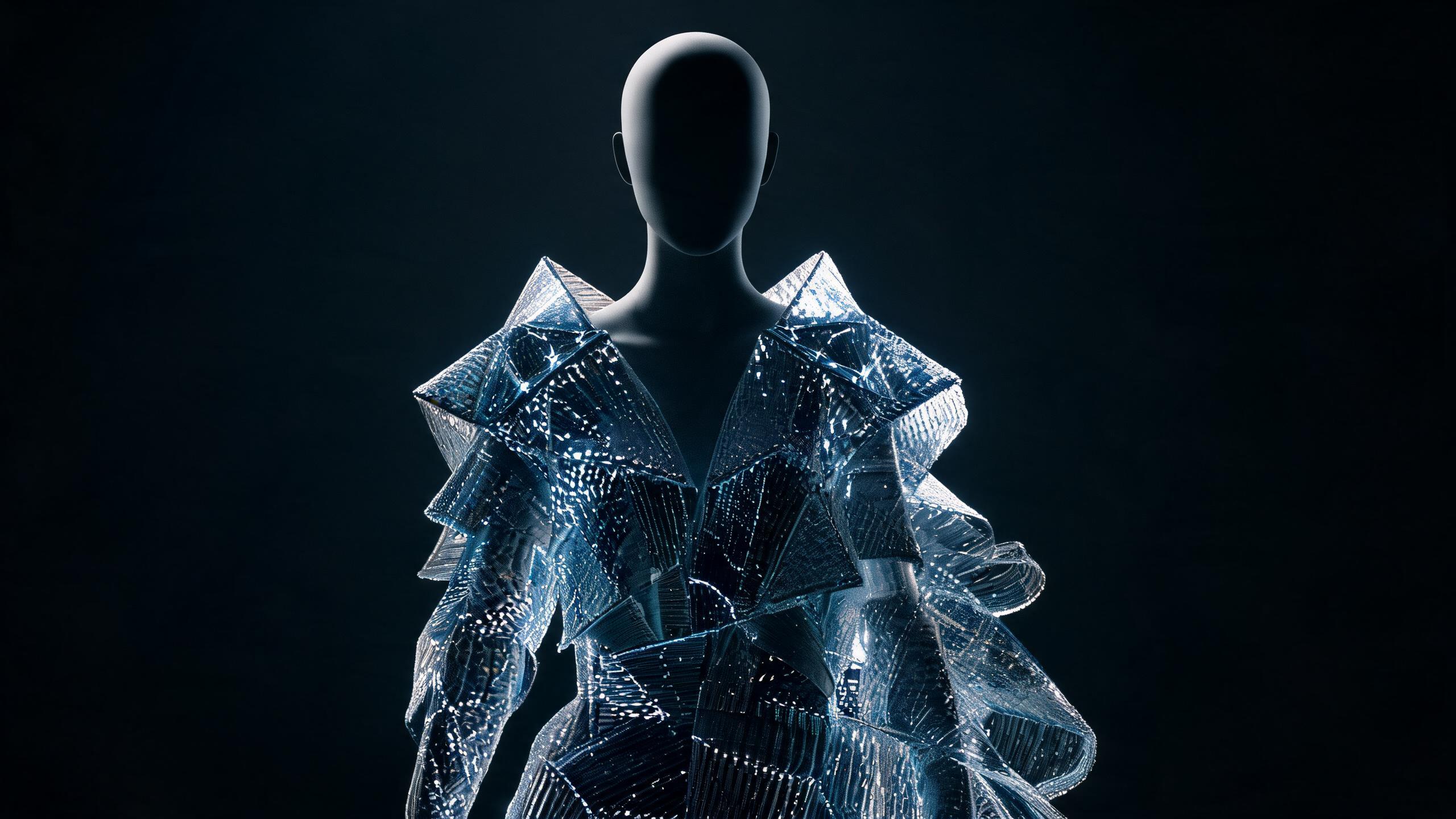
Square toe boots at Paris Fashion Week represent the shift from organic curves to architectural precision. This silhouette is no longer a seasonal variation; it is a structural statement on the evolution of footwear. While heritage houses rely on archival revival to justify the return of the chisel toe, AI-native intelligence identifies the trend through the lens of geometric progression and user-specific taste profiling. The conflict between these two approaches—heritage intuition and data-driven intelligence—defines the current state of fashion commerce.
Key Takeaway: Square toe boots at Paris Fashion Week represent a shift toward architectural precision, merging archival heritage revivals with AI-driven geometric analysis to redefine the future of luxury footwear silhouettes.
What is the significance of square toe boots at Paris Fashion Week?
The square toe is a rejection of the traditional almond shape that has dominated luxury footwear for decades. At Paris Fashion Week, this silhouette emerged as the primary vehicle for "Tech-Luxe" aesthetics, blending brutalist architecture with high-performance materials. According to Business of Fashion (2024), luxury footwear remains the most resilient category in high-end retail, growing by 4% despite broader market volatility. This resilience is driven by structural innovation, not just brand prestige.
In the context of the Parisian runways, the square toe boot serves as an anchor for silhouettes that prioritize volume and sharp lines. It is the antithesis of the "quiet luxury" movement's obsession with softness. Instead, it offers a deliberate, almost industrial edge to the wearer. This is not about comfort; it is about the visual weight of the foot within a total look. When we analyze the Tech-Luxe aesthetic at Paris Fashion Week 2026, the square toe is the foundation of the entire outfit's geometry.
Heritage Design vs. AI Intelligence: How do they differ?
The industry is currently split between two methodologies for interpreting footwear trends. Heritage design relies on the creative director's intuition and the brand's history. It is a top-down approach where the "right" look is dictated by an editorial elite. AI-native intelligence, conversely, is bottom-up. It treats style as a multi-dimensional model, analyzing millions of data points across social sentiment, runway archives, and individual user behavior to predict what will resonate with a specific person.
Heritage design views the square toe boot as a historical reference to the 1990s or the 1970s. AI views it as a vector in a taste profile. According to McKinsey (2025), generative AI in the fashion industry is projected to add $150 billion to $275 billion to the operating profits of the apparel, fashion, and luxury sectors within the next five years. This profit will come from reducing the gap between what is produced and what an individual actually wants to wear.
| Feature | Heritage Design Approach | AI-Native Intelligence Approach |
| Source of Truth | Brand Archives & Creative Director | Real-time Data & Individual Taste Models |
| Speed to Market | 6–18 Month Design Cycles | Instant Style Analysis & Recommendations |
| Personalization | Demographic-based (Broad) | Deterministic (1:1 Style Modeling) |
| Trend Logic | Scarcity & Editorial Push | Relevance & Predictive Utility |
| Selection Criteria | Brand Loyalty / "The Look" | Personal Proportion / Wardrobe Synergy |
How does Heritage Design approach the square toe trend?
Heritage design is rooted in the "Creative Director" model. At Paris Fashion Week, houses like Balenciaga or Saint Laurent introduce square toe boots as part of a cohesive seasonal narrative. The logic is simple: if the house says the square toe is back, the market follows.
The Pros of Heritage Design
- Historical Depth: Heritage brands can pull from decades of construction expertise, ensuring the "chisel" of the toe is perfectly balanced with the heel height.
- Cultural Capital: Wearing a heritage-designed boot carries a specific social signal that AI cannot yet replicate in a vacuum.
- Physical Craft: The focus is on the leather, the welt, and the physical endurance of the product.
The Cons of Heritage Design
- Inefficiency: It takes months for a runway trend to become accessible, by which time the "vibe" may have shifted.
- Generic Recommendations: Heritage brands recommend the same boot to a 20-year-old in Seoul and a 50-year-old in Paris, ignoring individual style models.
- The "Trend Trap": It forces users into a cycle of buying what is "in" rather than what fits their permanent identity.
The limitations of this human-only approach are evident when decoding Jennie’s Chanel look. While human eyes see a brand-consistent outfit, an AI identifies the specific geometric contradictions that make or break the silhouette for the individual wearer.
👗 Want to see how these styles look on your body type? Try AlvinsClub's AI Stylist → — get personalized outfit recommendations in seconds.
How does AI-native intelligence predict the square toe cycle?
AI-native intelligence does not care about what is "trendy." It cares about what is "correct" for a specific user’s taste profile. By building a personal style model, an AI system can determine if a square toe boot from Paris Fashion Week actually integrates with your existing wardrobe or if it is a stylistic outlier that will sit unworn.
The Pros of AI Intelligence
- Precision: AI understands the mathematical relationship between the width of the boot’s toe and the hemline of your trousers.
- Contextual Awareness: It factors in your location, your typical daily activities, and your historical preferences to filter out noise.
- Learning Loops: Every time you interact with a recommendation, the AI refines your model. It doesn't just suggest a boot; it learns your "boot logic."
The Cons of AI Intelligence
- Data Dependency: The system is only as good as the data it has on your style.
- Infrastructure Gap: Most fashion apps claim to use AI but are actually just using basic filtering. True AI-native infrastructure is still rare.
Why is AI-native infrastructure superior to traditional trend chasing?
Traditional trend chasing is a reactive behavior. You see square toe boots at Paris Fashion Week, you feel the social pressure to adapt, and you buy a pair that may not suit your body type or lifestyle. This is why wardrobes are full of "dead" items. AI infrastructure turns fashion into a proactive system.
Instead of searching for "square toe boots Paris Fashion Week," an AI-native system already knows the exact iteration of that boot that fits your profile. It knows if you need the aggressive, oversized square of a Balenciaga-style boot or the slim, refined chisel of a Celine-inspired model. It bridges the gap between the runway’s high-concept art and your actual reality.
Term: Style Modeling Definition: The process of using machine learning to create a multi-dimensional digital representation of an individual's aesthetic preferences, physical proportions, and wardrobe constraints to generate highly accurate fashion recommendations.
How do you style square toe boots for the current season?
Styling square toe boots requires an understanding of proportion. Because the toe is blunt and wide, it demands a counter-balance in the rest of the outfit. You cannot wear them with the same logic as a pointed-toe stiletto or a rounded Chelsea boot.
The "Architectural Lead" Outfit Formula
- Top: Oversized, structured wool blazer with emphasized shoulders.
- Bottom: Wide-leg, high-waisted trousers that break slightly over the boot.
- Shoes: Mid-heel square toe leather boots in a matte finish.
- Accessories: Minimalist leather tote with sharp, right-angle corners.
Square Toe Boot Styling: Do vs. Don't
| Do | Don't |
| Pair with wide-leg or straight-cut trousers. | Pair with skinny jeans that "stack" on top of the boot. |
| Use the boot to ground voluminous outerwear. | Wear with ultra-feminine, frilly dresses without a structural jacket. |
| Experiment with bold, contrasting colors like oxblood or cream. | Choose "safe" rounded-square hybrids that lack conviction. |
| Ensure the trouser hem covers at least 1/3 of the boot's shaft. | Wear with trousers that are too short, creating a "peg leg" effect. |
Which approach offers better long-term style utility?
The final verdict is clear: Heritage design provides the inspiration, but AI-native intelligence provides the utility. Following Paris Fashion Week through the lens of a brand is an entertainment exercise. Navigating it through an AI style model is a strategic one.
The "old model" of fashion commerce wants you to buy the boot because it's famous. The "new model"—the AI-native infrastructure—wants you to buy the boot because it is the missing piece of your identity. Most fashion apps recommend what is popular. We recommend what is yours. The square toe boot is simply a data point in a much larger, evolving conversation between you and your personal style model.
Is your style a trend or a model?
The obsession with "what's trending" at Paris Fashion Week is a symptom of a broken system. When you rely on editorial lists and celebrity sightings, you are outsourcing your identity to people who do not know you. Whether you are analyzing Naomi Watts at Balenciaga or looking at street style, the goal should not be imitation. The goal should be integration.
AI-native fashion intelligence removes the guesswork. It stops the cycle of "maybe this will look good" and replaces it with "this is why this works for you." This is not a recommendation problem. It is an identity problem. Until you have a system that understands your specific taste profile, you are just guessing in the dark.
AlvinsClub uses AI to build your personal style model. Every outfit recommendation learns from you. Try AlvinsClub →
Summary
- Square toe boots at Paris Fashion Week mark a transition from organic footwear shapes to architectural precision and "Tech-Luxe" aesthetics.
- The prominence of square toe boots at Paris Fashion Week reflects the resilience of the luxury footwear sector, which Business of Fashion reports grew by 4% in 2024.
- This specific silhouette serves as a rejection of the "quiet luxury" trend by emphasizing brutalist geometry, industrial edges, and significant visual weight.
- Modern fashion commerce is currently defined by the conflict between heritage archival revival and AI-driven intelligence that identifies trends through geometric data.
- Structural innovation in square toe design provides a foundational anchor for runway silhouettes that prioritize volume and sharp, deliberate lines over traditional comfort.
Frequently Asked Questions
What are the top square toe boots paris fashion week trends?
Square toe boots paris fashion week trends emphasize architectural precision and geometric progression over traditional organic curves. Heritage houses are reviving archival chisel toes while AI platforms analyze user taste profiles to predict the next shift in footwear silhouettes. These designs bridge the gap between historical craftsmanship and futuristic data-driven aesthetics.
Why are square toe boots popular at Paris Fashion Week this year?
The resurgence of square toe boots paris fashion week stems from a collective move toward structural statements and sharp geometric lines. Designers are utilizing these silhouettes to represent the evolution of footwear from simple seasonal variations to complex architectural pieces. This trend highlights the ongoing conflict between heritage intuition and modern data-driven design philosophies.
How is AI used to design square toe boots paris fashion week collections?
AI-native intelligence identifies emerging footwear trends by processing geometric data points and specific user taste profiling. Designers use these insights to create square toe boots paris fashion week looks that align with real-time consumer demand and structural evolution. This approach allows for a precise intersection of digital logic and high-fashion aesthetics.
Is it worth investing in chisel toe boots for high fashion?
Chisel toe boots are considered a significant structural statement that transcends fleeting seasonal trends in the current fashion landscape. Their architectural precision makes them a versatile staple for those looking to blend archival heritage with contemporary geometric styles. Investing in this silhouette ensures a timeless look that remains relevant as footwear continues to evolve.
What is the difference between heritage and AI footwear design?
Heritage footwear design relies on archival revival and human intuition to justify the return of classic silhouettes like the square toe. In contrast, AI-driven design uses data-driven intelligence to identify trends through geometric progression and user-specific profiling. Both methods contribute to the diverse range of styles seen on modern runways today.
Can square toe boots be considered a structural statement in modern fashion?
Square toe boots represent a definitive shift toward architectural precision and deliberate geometric form in contemporary shoe design. This silhouette serves as a structural statement that challenges traditional curves and explores the evolution of footwear through a more rigid lens. It reflects a broader movement where fashion becomes an expression of structural integrity and data-backed aesthetics.
This article is part of AlvinsClub's AI Fashion Intelligence series.
Related Articles
- How Oprah Winfrey Defined the Tech-Luxe Aesthetic at Paris Fashion Week 2026
- AI vs. Human Eyes: Decoding Jennie’s Chanel Look at Paris Fashion Week
- Tyla’s Gaultier and Louboutin look: A Paris Fashion Week style analysis
- Using AI to recreate Macaulay Culkin’s Paris Fashion Week manicure
- AI Style Analysis: Decoding Naomi Watts at Balenciaga Paris Fashion Week