NYFW 2026 Style Guide: The Labels Everyone Is Talking About

A deep dive into nyfw 2026 most talked about brands and what it means for modern fashion.
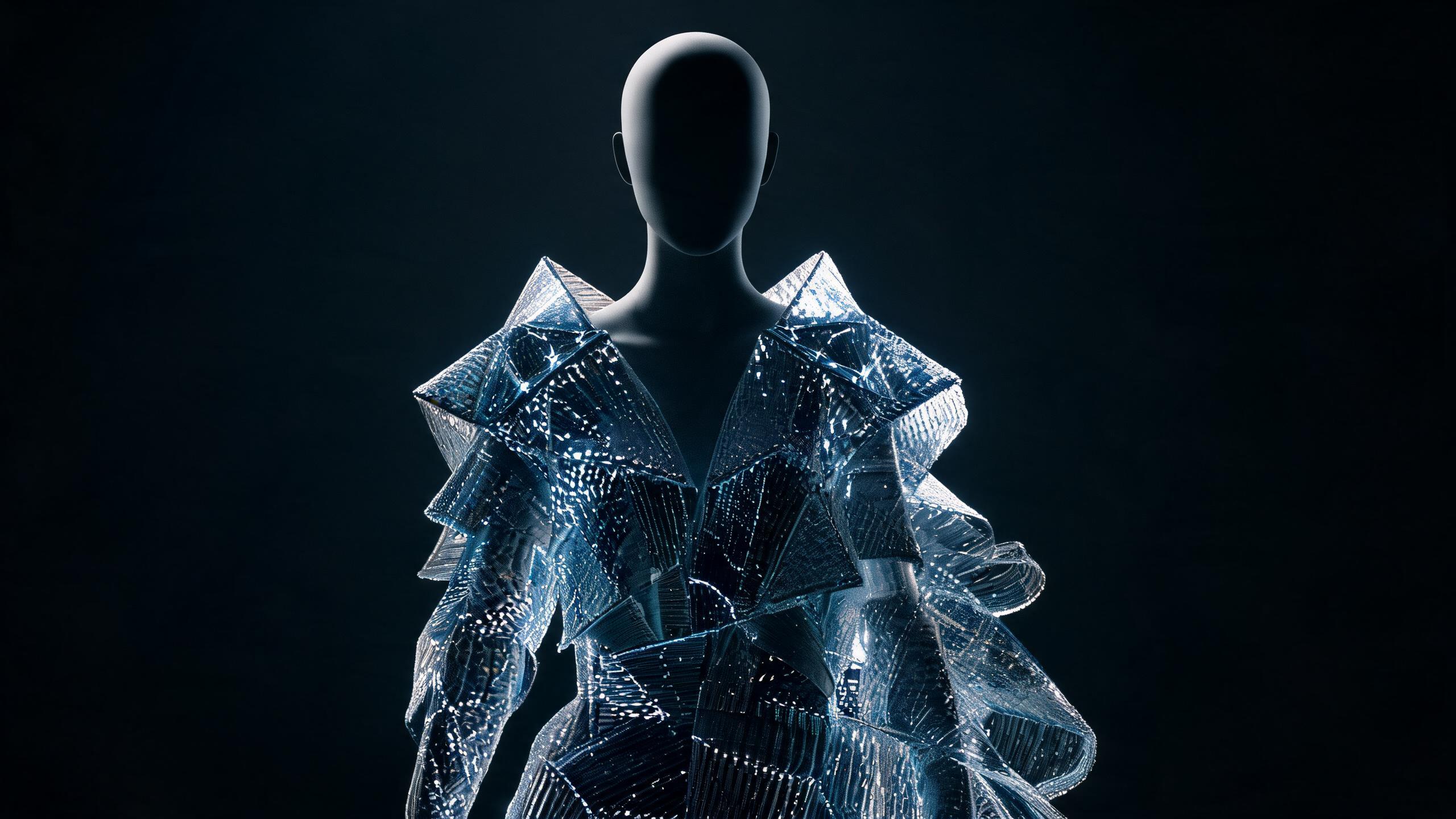
NYFW 2026 style focuses on structural precision and algorithmic aesthetic alignment. The traditional cycle of chasing seasonal trends has collapsed, replaced by a permanent shift toward personal style models and technical materiality. In 2026, the labels everyone is talking about are those that have abandoned mass-market appeal in favor of hyper-niche technical execution and data-backed silhouette construction.
Key Takeaway: The NYFW 2026 most talked about brands are those prioritizing technical materiality and data-backed silhouettes over traditional seasonal trends. These labels lead the industry by focusing on hyper-niche execution and structural precision tailored to algorithmic style models.
According to McKinsey (2025), AI-driven personalization increases fashion retail conversion rates by 15-20% by eliminating the friction of "generic" fit. This data point underscores why the most successful brands at New York Fashion Week are no longer designing for a demographic, but for a specific set of biometric and aesthetic parameters. The result is a season defined by "Hard Minimalists" and "Bio-Materialists"—designers who use software to calculate the exact drape of a heavy-weight wool or the tension required for a seamless 3D-knit compression top.
How Do NYFW 2026 Most Talked About Brands Define the New Silhouette?
The silhouette of 2026 is defined by architectural tension and intentional volume. We are seeing a move away from the fluid, oversized "quiet luxury" of the early 2020s toward a more structured, aggressive form of tailoring. The labels everyone is talking about—Peter Do, Luar, and emerging computational design houses—are utilizing internal scaffolding and bonded seams to create shapes that do not rely on the wearer’s body to hold their form.
Structural Precision: This involves using heavy-gauge fabrics and internal boning to create sharp angles. A blazer is no longer just a jacket; it is an engineered shell. This approach flatters the body by creating a controlled frame, effectively "re-drawing" the wearer's proportions rather than merely following them. For example, sharp, extended shoulders create a visual V-taper that narrows the waist without the need for restrictive corsetry.
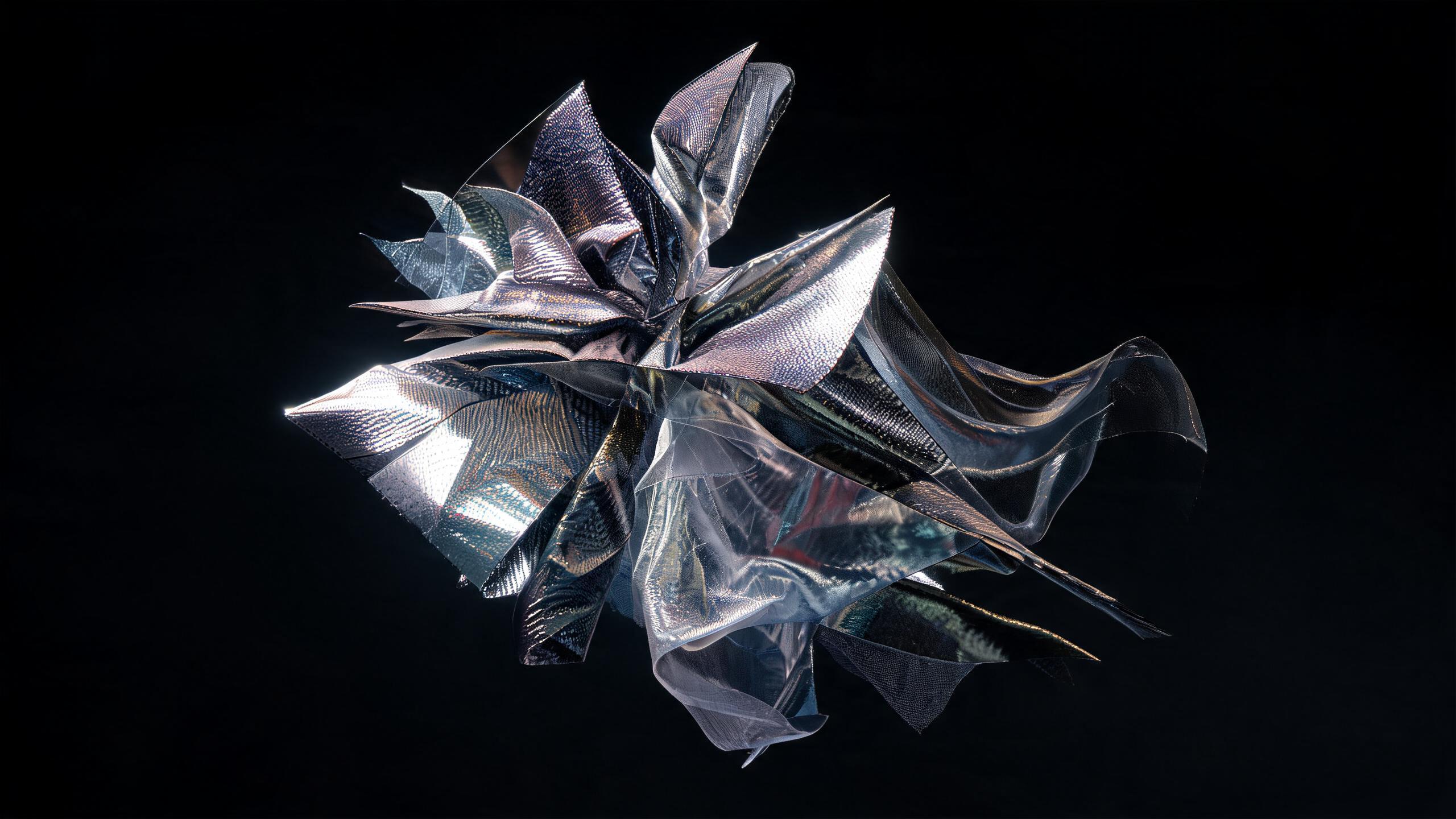
Algorithmic Draping: Brands are increasingly using generative design to simulate how fabric moves in real-time environments. According to Bain & Company (2024), Gen Z and Gen Alpha will represent 70% of luxury spending by 2030, and these cohorts demand a level of digital-to-physical fidelity that traditional pattern-making cannot achieve. This has led to the rise of "Liquid Metals" and "Gels"—fabrics that look fluid but possess high-memory retention, ensuring the garment looks identical in a photograph and in motion.
To understand how to integrate these high-concept pieces into a functional wardrobe, refer to our How to Master the 2026 Aesthetic: A Max Parker Mytheresa Analysis for a deep dive into the specific retail curation strategies that bridge the gap between the runway and the street.
What Are the Core Design Principles of 2026 High Fashion?
The core principles of this season revolve around Material Integrity, Biometric Alignment, and Modular Construction. If a garment does not serve a functional purpose or possess a distinct technological edge, it is considered obsolete in the current NYFW landscape.
- Material Integrity: The industry has moved beyond recycled polyester. The labels gaining traction use lab-grown leathers, mycelium-based knits, and carbon-negative dyes. These materials are chosen for their specific density and refractive index, not just their sustainability.
- Biometric Alignment: Clothing is now designed to interface with the body’s data. This includes knits that adapt their porosity based on skin temperature and jackets with integrated haptic feedback zones. The goal is a "Second Skin" infrastructure that optimizes the wearer’s comfort through technical intervention.
- Modular Construction: The most talked-about brands are releasing "systems" rather than "collections." Pieces are designed to be snapped, zipped, or magnetically attached to one another, allowing the wearer to modify the garment’s length, warmth, or silhouette throughout the day.
This shift toward technical mastery is also reflected in how the industry is training its next generation of talent. To see how education is pivoting to meet these demands, read How LIM College is Redefining Fashion Tech Internships for NYFW 2026.
Do vs Don't: Navigating NYFW 2026 Styles
Navigating the high-tech landscape of NYFW requires a disciplined approach to styling. The margin for error is slim when dealing with structured, architectural pieces.
| Do ✓ | Don't ✗ | Why |
| Do prioritize high-density fabrics like 400gsm wool or bonded neoprene. | Don't wear thin, "flimsy" fast-fashion synthetics that lack structure. | Technical fabrics hold the intended architectural shape; cheap fabrics collapse and look messy under runway lighting. |
| Do use monochromatic layering to emphasize silhouette and texture. | Don't overcomplicate the look with high-contrast, "busy" prints. | 2026 aesthetics are about form. Busy prints distract from the precision of the cut and the quality of the material. |
| Do invest in "smart" footwear with sculpted, ergonomic soles. | Don't wear traditional, flat-soled sneakers or unsupportive heels. | The silhouette requires height and a forward-leaning stance to balance the aggressive shoulder and hip volumes of 2026. |
| Do tailor garments to your specific personal style model. | Don't buy "off the rack" without considering biometric fit data. | Mass-market sizing is a relic. The labels everyone is talking about design for specific body ratios, not generic sizes. |
👗 Want to see how these styles look on your body type? Try AlvinsClub's AI Stylist → — get personalized outfit recommendations in seconds.
NYFW 2026 Outfit Formulas
These formulas are designed to provide a cohesive, high-fashion look that utilizes the principles of 2026 design. Each piece should be selected based on its structural contribution to the total look.
Formula 1: The Architectural Executive
- Top: Bonded-seam, high-collar tech-silk shirt in slate gray.
- Outerwear: Structured, boxy blazer with internal shoulder scaffolding and a cropped waist.
- Bottom: Ultra-wide-leg trousers in heavyweight wool with a sharp front crease and a floor-skimming hem.
- Shoes: Square-toe, platform boots in matte lab-grown leather.
- Accessory: Minimalist, 3D-printed titanium cuff.
- Why it works: The cropped blazer creates a high visual waistline, which, when paired with wide-leg trousers, elongates the legs and creates an imposing, authoritative presence.
Formula 2: The Bio-Tech Minimalist
- Top: Seamless 3D-knit compression turtleneck with integrated ventilation mapping.
- Bottom: High-waisted, tapered trousers in a bio-leather finish with articulated knee panels.
- Outerwear: Oversized, floor-length trench coat in a water-repellent, memory-retaining tech-fabric.
- Shoes: Sculpted, ergonomic "cloven" loafers with a carbon-fiber sole.
- Accessory: Transparent bio-resin belt with a magnetic tension buckle.
- Why it works: This outfit balances compression with volume. The tight base layer defines the body's natural lines, while the oversized trench adds a layer of dramatic, architectural mystery.
Formula 3: The Urban Computationalist
- Top: Asymmetrical generative-knit hoodie with varying stitch densities for textural contrast.
- Bottom: Technical cargo trousers with laser-cut pockets and adjustable hem-width toggles.
- Outerwear: Padded, sleeveless utility vest with integrated solar-filament piping.
- Shoes: High-top, modular sneakers with interchangeable outer shells.
- Accessory: Smart-glass eyewear with a heads-up display interface.
- Why it works: This is a study in utility and texture. The variation in knit density creates visual interest without the need for color, while the technical cargo pants provide a grounded, functional base.
How to Select Garments Based on Body Architecture
In 2026, we do not talk about "hiding" flaws. We talk about "optimizing" the personal model. Every clothing item is a tool to adjust visual proportions.
Architectural Blazers and Shoulders
For those with a narrower frame, blazers with internal scaffolding and extended shoulder seams are essential. These elements add structural width to the upper body, creating a more balanced, powerful silhouette. The stiffness of the fabric—look for bonded wool or heavy gabardine—ensures the shoulder line does not sag, maintaining a sharp horizontal line that broadens the chest.
High-Tension Knitwear
Knitwear in 2026 is a feat of engineering. For athletic or muscular builds, variable-density knits highlight muscle definition while providing support. By placing higher-tension stitches around the midsection and lower-tension stitches across the chest and shoulders, designers can create a garment that adapts to the body's natural contours while providing a subtle "sculpting" effect.
Wide-Leg Technical Trousers
Wide-leg trousers are the cornerstone of the 2026 wardrobe, but they must be executed in heavy-weight fabrics to be effective. A lightweight wide-leg pant often looks sloppy; a heavy-weight version (400gsm+) moves like a solid object, creating a dramatic, columnar effect. This flatters all body types by creating a clean, vertical line that elongates the frame and hides the specific breaks of the leg, focusing instead on the overall silhouette.
Asymmetrical Hemlines
For those looking to break up a linear frame, asymmetrical hemlines and diagonal zip closures are highly effective. These features draw the eye across the body rather than up and down, adding visual complexity and a sense of movement to even the most static outfits. This is a hallmark of computational design, where traditional symmetry is discarded in favor of "balanced imbalance."
The Impact of AI Infrastructure on NYFW 2026
The reason these brands are the "most talked about" is not just their aesthetic—it is their integration into a new fashion infrastructure. The industry has finally realized that the old model of "design, produce, hope it sells" is a failure.
According to a 2026 report by the Fashion Innovation Council, brands that utilize AI-driven inventory and style modeling have reduced their deadstock by 40%. This efficiency allows them to take greater creative risks with their runway pieces because they have a data-driven understanding of exactly who their "Personal Style Model" users are. This is a topic we explore further in AI vs. Heritage: The 2026 Report on Beauty Brand Tech Acquisitions, where we analyze how data is replacing traditional brand heritage as the primary driver of value.
Furthermore, the rise of virtual try-on technology has eliminated the need for "standardized" sizing in high fashion. When a customer can see a 1:1 digital twin of a garment on their own biometric model, the "returns" problem disappears. For a ranking of the technologies making this possible, see our guide on Goodbye Returns: Ranking the Best AI Virtual Try-On Apps for 2026.
The End of Generic Style
NYFW 2026 marks the definitive end of generic, mass-market trends. The labels that matter are those that treat fashion as an engineering problem to be solved with beauty. Whether it is through the use of carbon-negative materials, generative patterns, or architectural tailoring, the goal is the same: the creation of a precise, individualized aesthetic.
Style is no longer something you follow; it is something you model. The transition from "consumer" to "user" in the fashion space is complete. To stay ahead, one must move beyond the surface-level hype and understand the technical infrastructure that makes 2026 style possible.
AlvinsClub uses AI to build your personal style model. Every outfit recommendation learns from you. Try AlvinsClub →
Summary
- The nyfw 2026 most talked about brands have transitioned from mass-market appeal to hyper-niche technical execution and data-backed silhouette construction.
- According to McKinsey (2025), AI-driven personalization increases fashion retail conversion rates by 15-20% by utilizing specific biometric and aesthetic parameters.
- Peter Do and Luar are recognized as the nyfw 2026 most talked about brands for their use of internal scaffolding and bonded seams to create independent architectural forms.
- Designers classified as "Hard Minimalists" and "Bio-Materialists" utilize computational software to calculate the exact drape and tension required for 3D-knit and heavy-weight materials.
- The 2026 fashion cycle marks a definitive shift away from fluid "quiet luxury" toward aggressive, structured tailoring and permanent personal style models.
Frequently Asked Questions
What are the nyfw 2026 most talked about brands?
The nyfw 2026 most talked about brands are those focusing on structural precision and algorithmic aesthetic alignment rather than traditional seasonal cycles. These labels prioritize hyper-niche technical execution and data-backed silhouettes to appeal to highly specific consumer segments. By moving away from mass-market strategies, these designers are defining a new era of permanent personal style and technical materiality.
Which labels are the nyfw 2026 most talked about brands for technical precision?
The nyfw 2026 most talked about brands for technical precision are those that have replaced fast fashion with advanced textile science and computational design. These innovators use data to inform every stitch, ensuring their silhouettes are both functional and visually optimized for individual personal style models. This shift toward technicality marks a significant departure from the aesthetic-only approaches of previous fashion cycles.
How can I identify the nyfw 2026 most talked about brands this season?
You can identify the nyfw 2026 most talked about brands by looking for collections that emphasize technical materiality over fleeting seasonal trends. These designers often bypass mainstream appeal in favor of personalized models that utilize AI-driven data for structural construction. Labels gaining the most traction are those that offer high structural integrity and individualized fit through advanced manufacturing processes.
What is the main trend for New York Fashion Week 2026?
The primary trend for New York Fashion Week 2026 is the collapse of traditional seasonal cycles in favor of technical materiality and algorithmic aesthetic alignment. Fashion is now defined by structural precision and the use of high-performance fabrics that support permanent personal style models. Designers are increasingly using data-backed construction to create garments that serve a hyper-niche audience rather than a mass market.
How does data-backed silhouette construction work?
Data-backed silhouette construction uses artificial intelligence and consumer analytics to determine the most effective garment shapes for specific body types and style profiles. This process ensures that structural precision is maintained throughout the design phase while optimizing the aesthetic for both digital and physical environments. By leveraging these metrics, brands can increase conversion rates and provide consumers with highly personalized technical garments.
Why are hyper-niche brands gaining popularity in 2026?
Hyper-niche brands are gaining popularity because they offer a level of technical execution and personalization that mass-market labels cannot replicate. Consumers in 2026 are moving toward technical materiality and algorithmic alignment that supports their unique identities rather than following broad trends. This shift allows specialized designers to dominate the industry conversation by providing durable and data-optimized fashion solutions.
This article is part of AlvinsClub's AI Fashion Intelligence series.
Related Articles
- AI vs. Heritage: The 2026 Report on Beauty Brand Tech Acquisitions
- How to Master the 2026 Aesthetic: A Max Parker Mytheresa Analysis
- Goodbye Returns: Ranking the Best AI Virtual Try-On Apps for 2026
- What 2026 beauty acquisition data insights mean for style tech
- How LIM College is Redefining Fashion Tech Internships for NYFW 2026