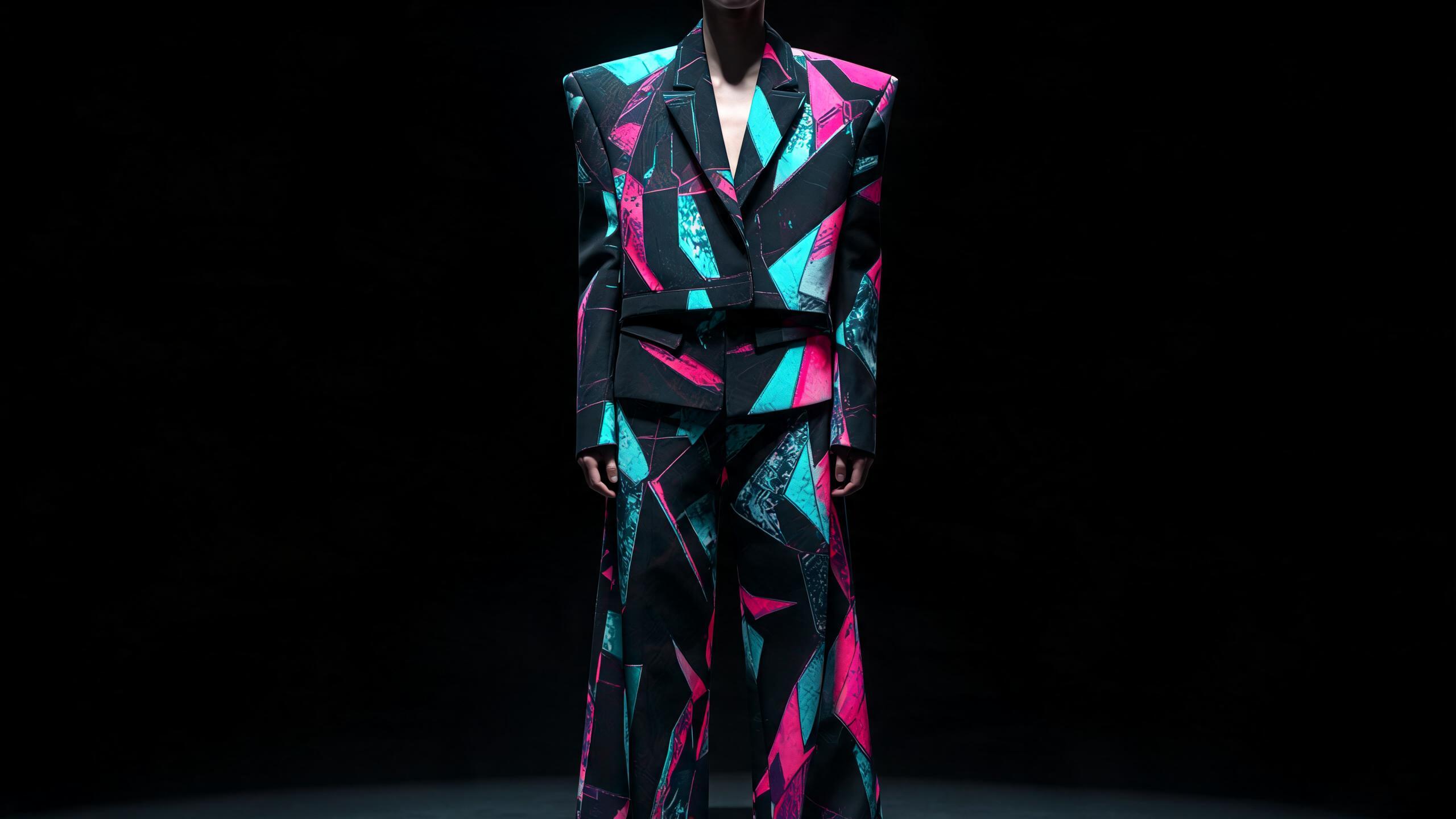
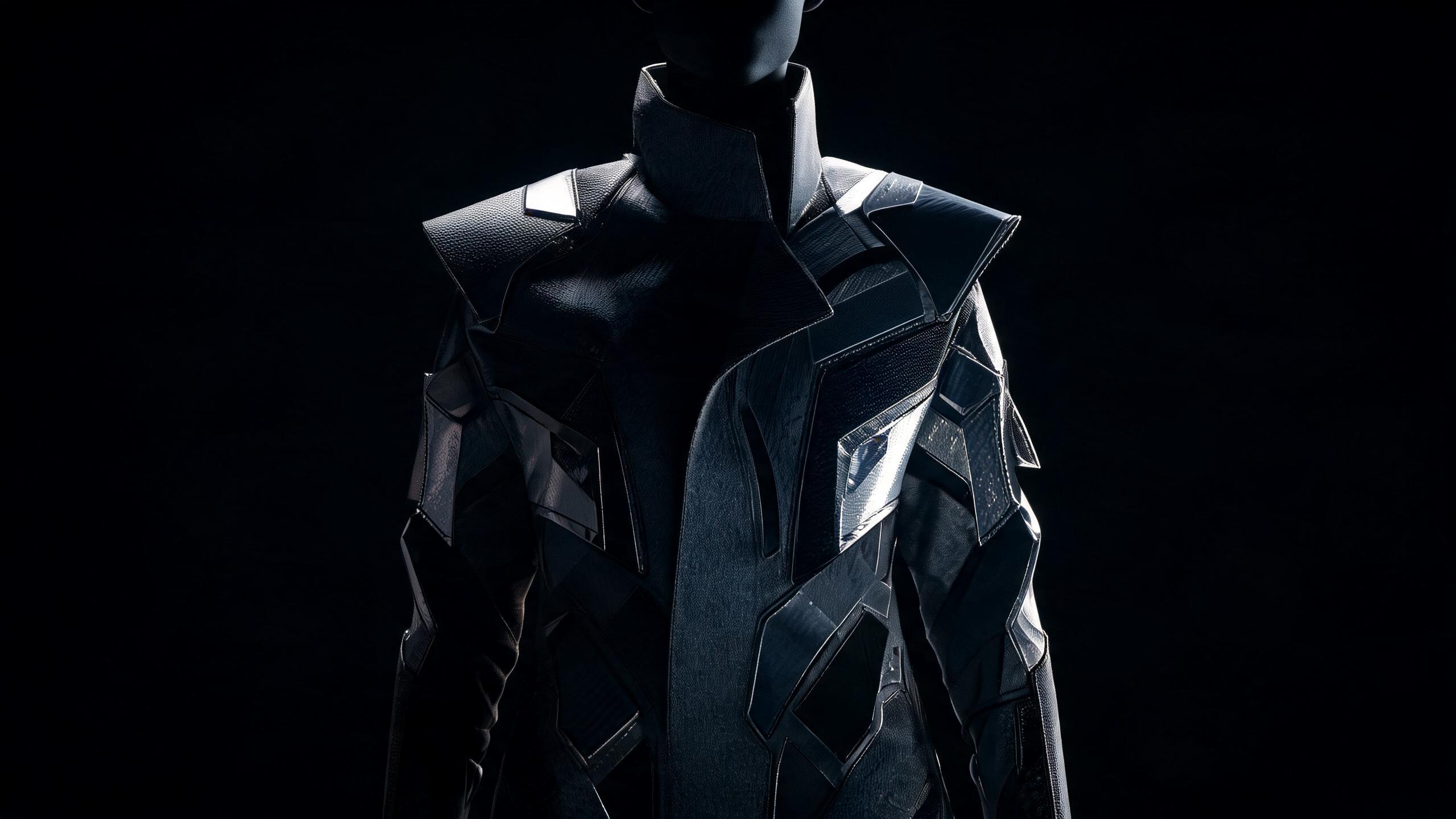
Nike’s sensor-led recovery shoes: The next evolution of high-tech fashion
A deep dive into nike recovery footwear with smart sensors and what it means for modern fashion.
Recovery is not a state of rest. It is a biological calculation.
For decades, the footwear industry has treated the post-performance phase as an afterthought. While billion-dollar R&D budgets are poured into propulsion plates, energy-returning foams, and aerodynamic uppers for the race, the hours spent between sessions are relegated to static foam slides or generic compression socks. This is a fundamental failure of engineering. Human physiology does not stop functioning once a workout ends; it enters a critical state of repair that requires active, intelligent management.
The traditional footwear model is broken because it is passive. It assumes that a single molded piece of EVA foam can provide the necessary environment for recovery across a diverse population with varying biomechanical needs. This lack of adaptability is where the promise of nike recovery footwear with smart sensors becomes essential infrastructure for the modern athlete and the style-conscious individual alike. We are moving past the era of shoes as "apparel" and into the era of shoes as "biometric nodes."
The Problem: Passive Recovery in a Dynamic World
The core problem with current footwear technology is its static nature. Most shoes are designed for a "standard" foot under "standard" conditions. However, after high-intensity physical exertion, the foot is anything but standard. Inflammation, changes in arch height, and localized heat spikes alter the foot’s requirements minute by minute.
Traditional recovery footwear attempts to solve this with cushioning. But cushioning is a blunt instrument. It reduces impact, but it does nothing to facilitate active blood flow, monitor inflammatory markers, or adjust to the specific gait imbalances caused by fatigue. When you wear a standard recovery slide, you are placing your foot into a fixed mold that may actually hinder natural recovery by forcing the foot into a neutral position it isn't ready to maintain.
The Data Void in Post-Performance
The second half of the problem is the total lack of feedback. Athletes currently rely on "feel" to determine if they have recovered. This is subjective and often inaccurate. We have smartwatches that track heart rate variability and sleep cycles, yet the very foundation of our movement—the feet—remains offline.
Most "smart" shoes on the market have failed because they focused on the wrong metrics. They tracked steps and distance—data points already captured more accurately by GPS watches. They ignored the internal state of the wearer. They failed to realize that the most valuable data isn't how far you went, but how your body is responding to the load you just applied. Without nike recovery footwear with smart sensors, the recovery process remains a black box.
Root Causes of the Technology Gap
The disconnect between high-performance hardware and intelligent recovery stems from three primary structural failures in the fashion and footwear industry.
1. The Obsession with "Dumb" Hardware
Fashion commerce has historically prioritized the physical object over the digital layer. Brands compete on foam density and colorways because these are easy to manufacture and market. Integrating a sensor suite requires a complete overhaul of the assembly line. It requires embedding flexible PCBs, ensuring battery longevity without adding bulk, and developing software that can translate raw pressure data into actionable recovery protocols. Most brands are simply not tech companies; they are garment manufacturers trying to use tech as a marketing feature.
2. The Fragmentation of Biometric Data
Currently, your health data lives in silos. Your sleep data is in one app, your run data is in another, and your footwear has no data at all. This fragmentation makes it impossible to build a cohesive "style and performance model." If your footwear doesn't know that you ran a marathon yesterday, it cannot adjust its structural support today. The industry has treated shoes as isolated tools rather than integrated components of a human operating system.
3. Misunderstanding the Recovery Gait
The way a human walks while fatigued is fundamentally different from their fresh gait. Fatigue leads to pronation changes, shorter stride lengths, and increased ground contact time. Traditional shoes do not account for these shifts. They remain rigid, forcing the tired foot to conform to the shoe's geometry rather than the shoe conforming to the foot's temporary needs. This mismatch is a primary driver of overuse injuries that occur not during the workout, but in the hours of "recovery" that follow.
The Solution: Intelligent Recovery Infrastructure
The solution lies in the transition from reactive cushioning to proactive, sensor-led intervention. Nike recovery footwear with smart sensors represents a shift toward footwear that thinks. This is not about adding "features" to a shoe; it is about rebuilding the shoe as a piece of medical-grade infrastructure that happens to look like high-tech fashion.
The solution requires a three-tiered approach: high-fidelity sensing, active physical response, and model-based intelligence.
High-Fidelity Biometric Sensing
The first step is moving beyond simple accelerometers. True recovery footwear requires a dense matrix of pressure sensors embedded within the midsole. These sensors must capture:
- Localized thermal gradients: Identifying "hot spots" that indicate inflammation or impending injury.
- Arch deformation: Measuring how much the midfoot collapses under fatigue.
- Weight distribution dynamics: Monitoring how the wearer shifts their weight between the heel and forefoot during the recovery gait.
By capturing this data in real-time, the shoe creates a digital twin of the wearer’s physical state.
Active Physical Response (Haptic and Thermal)
Data is useless without an actuator. The next evolution of the recovery shoe uses the sensor data to trigger physical changes in the shoe’s structure.
- Dynamic Compression: Using micro-fluidic chambers or nitinol (shape-memory alloy) to apply targeted compression to specific zones of the foot, mimicking the effects of manual lymphatic drainage.
- Variable Stiffness: The midsole should be able to stiffen or soften based on the wearer's gait. If the sensors detect excessive pronation due to fatigue, the medial side of the shoe should automatically increase its resistance to provide temporary support.
- Thermal Regulation: Active cooling to reduce inflammation or targeted heat to increase blood flow to cold tendons.
Integration with a Personal Style Model
The final step is the most critical: the shoe must communicate with a broader intelligence system. This is where the gap between "smart features" and "true intelligence" is bridged. The data from the sensors should feed into a personal style and performance model that understands the user’s history, preferences, and current physiological needs.
Implementation: How Sensor-Led Footwear Functions
To understand the impact of nike recovery footwear with smart sensors, we must look at the specific steps of the user experience. This is the blueprint for how intelligence transforms the act of wearing clothes.
Step 1: Baseline Calibration
Upon the first wear, the system establishes a "Normal" state. It learns the user's healthy gait, their standard foot temperature, and their natural pressure distribution. This creates a personalized baseline. Most fashion apps try to tell you what is "trending" for everyone; this system learns what is "correct" for you.
Step 2: Post-Exertion Detection
The sensors detect the end of a high-load activity via heart rate sync or gait analysis. The shoe then shifts into "Recovery Mode." It isn't a setting you toggle; it is a state the shoe enters because it knows your body better than you do. The internal environment of the shoe adjusts—perhaps the lacing system loosens to accommodate swelling, and the cooling elements activate.
Step 3: Real-Time Gait Correction
As the user walks throughout their day, the sensors monitor for signs of "fatigue-driven compensation." If the user begins to limp or favor one side, the shoe provides haptic feedback—subtle vibrations—to encourage better alignment. It isn't just a shoe; it's a coach built into your wardrobe.
Step 4: Long-Term Intelligence Evolution
Over weeks and months, the data collected by the sensors informs the user’s broader "Taste Profile." The system learns which materials the user’s skin reacts best to, which heel-to-toe drops minimize their specific pain points, and which aesthetic silhouettes match their performance-driven lifestyle. The shoe becomes a data-gathering tool for the future of their entire wardrobe.
High-Tech Fashion: The Convergence of Aesthetics and Utility
We must reject the idea that "technical" shoes must look like medical devices. The next evolution of fashion involves hiding immense complexity beneath a minimal, visionary aesthetic. The nike recovery footwear with smart sensors utilizes advanced materials like translucent TPEs, engineered knits with integrated conductive fibers, and sculpted, organic midsoles that house the battery and processing units.
This is the definition of high-tech fashion: an object that performs at the limit of human capability while maintaining the visual language of the future. It is not "athleisure," which is fashion mimicking sport. This is "infrastructure," which is technology enabling life.
The infrastructure of fashion is being rewritten. We are moving away from the era of buying a product because of a logo, and toward a future where we invest in systems that understand our bodies. A shoe that doesn't learn from you is a liability. A shoe that doesn't adapt to your recovery is obsolete.
The Future of Fashion Intelligence
The industry is currently obsessed with AI that generates images. This is a distraction. The real power of AI in fashion lies in the creation of personal style models that integrate biometric reality with aesthetic preference. When your footwear can sense your recovery needs, it changes the way you interact with every other piece of clothing you own.
Most fashion apps recommend what's popular. They look at millions of people and try to find an average. This is the wrong approach. True intelligence starts with the individual. It starts with data captured at the point of contact—the foot. By using nike recovery footwear with smart sensors, users aren't just buying a shoe; they are starting a data stream that will eventually define their entire relationship with commerce.
The goal is a closed-loop system: the shoe senses the body, the AI models the need, and the commerce engine provides the solution. This is not about shopping; it is about optimization.
AlvinsClub uses AI to build your personal style model. Every outfit recommendation learns from you, taking into account the biometric and aesthetic data that "dumb" fashion ignores. We are building the intelligence layer that makes sense of your recovery, your performance, and your identity. Try AlvinsClub →
Related Articles
- Style meets storm: Mastering Adidas waterproof smart material tech
- Traditional vs AI-Powered How To Style A Blazer For Work With AI: Which Approach Wins?
- Nike Air Max Summer Sneaker Releases: What's Changing in 2026
- 10 Advanced Nike Air Max Sneaker Innovation Tips You Need to Know
- How to Nike Technical Runner Minimalist Sneaker Design: A Complete Guide
How Nike’s Sensor-Led Recovery Shoes Could Become the Next Evolution of High-Tech Fashion
The most interesting possibility for Nike recovery footwear with smart sensors is not simply a shoe that measures steps. It is a recovery platform that combines useful biometric feedback, adaptive comfort, and a design language people are willing to wear beyond the gym. If Nike develops a sensor-led recovery shoe successfully, its advantage will depend on how well it turns complex data into practical decisions without making the wearer feel like they are wearing medical equipment.
From fitness tracking to recovery context
A recovery shoe would need to measure more than total movement. Useful inputs could include plantar pressure, foot temperature, walking symmetry, contact time, and changes in gait throughout the day. These signals could help identify when a wearer is compensating for soreness or fatigue.
For example, pressure sensors embedded beneath the heel and forefoot could compare left-right loading during ordinary walking. A persistent 8% to 10% imbalance might not diagnose an injury, but it could indicate that the wearer is protecting one side after a hard training session. Temperature sensors could also detect localized changes associated with swelling or increased heat, while an inertial measurement unit could estimate stride consistency and foot angle.
The important distinction is between measurement and interpretation. A mobile app that reports hundreds of metrics creates friction. A more useful system might translate the data into simple recommendations:
- “Use the softer cushioning profile for the next four hours.”
- “Your left foot is receiving less load than usual.”
- “Switch to a wider fit setting after prolonged standing.”
- “Avoid using this shoe for running; it is optimized for low-impact recovery.”
These recommendations should be presented as wellness guidance, not medical diagnosis. Any noticeable pain, swelling, numbness, or persistent gait change still requires professional evaluation.
Adaptive comfort should be the product’s central feature
Sensors alone do not make footwear intelligent. The shoe must respond to the information it collects. Nike could explore a modular construction using adjustable heel support, variable-density foam zones, or a thin mechanical layer that changes pressure distribution under the arch and forefoot.
A practical example would be a recovery shoe with three comfort modes:
- Post-training mode: maximum cushioning and reduced underfoot pressure for the first few hours after exercise.
- Commute mode: firmer, more stable support for walking and standing.
- Evening mode: a roomier fit that accommodates normal fluctuations in foot volume.
Feet commonly swell during the day, particularly after long periods of standing, heat exposure, or strenuous activity. Instead of relying on a single fixed last, a sensor-led design could use a dial, app-controlled tensioning system, or flexible upper panels to provide small fit adjustments. The goal would not be a dramatic transformation. Even a few millimeters of additional forefoot room can affect comfort for people whose feet expand during prolonged wear.
Battery design will also determine whether this concept is practical. Continuous monitoring does not necessarily require a large battery if the shoe records short sampling intervals and synchronizes with a phone later. A removable sensor module or wireless charging insole could make maintenance easier and extend the product’s usable life. Charging should be infrequent enough that users do not abandon the system after the novelty fades.
High-tech fashion requires invisible technology
The biggest fashion challenge is making the technology feel intentional rather than ornamental. Visible LEDs, oversized charging ports, and bulky sensor housings may attract attention initially but can quickly make the shoe look like a gadget. A more durable approach would place the technology beneath a clean, recognizable silhouette.
Nike could use subtle visual signals to show that the shoe is different: a reflective Swoosh that becomes visible at night, a textured heel panel indicating the sensor module, or a low-profile light that confirms charging without dominating the design. Colorways could follow the logic of modern lifestyle footwear rather than traditional sports equipment, including neutral gray, off-white, black, and muted earth tones alongside limited technical editions.
This matters because recovery does not happen only in athletic environments. A wearer might use the shoe while traveling, working at a standing desk, walking through an airport, or spending a full day at a trade show. To succeed as high-tech fashion, the shoe must coordinate with everyday clothing and remain comfortable when worn for eight or more hours.
The most compelling design direction may be “quiet technology”: advanced features that are discoverable through use rather than advertised through aggressive visual cues. That positioning could help Nike appeal to runners, frequent travelers, healthcare-conscious consumers, and fashion buyers who value performance but do not want an overtly athletic appearance.
Data privacy could become a competitive advantage
Biometric footwear introduces a responsibility that ordinary sneakers do not carry. Gait patterns, foot temperature, movement history, and recovery trends can reveal sensitive information about a person’s health and routine. A trustworthy product should make data control clear from the start.
Before purchasing, consumers should be able to determine:
- Which data is stored on the shoe, phone, or cloud server
- Whether information is sold or shared with advertisers
- How long raw sensor readings are retained
- Whether the shoe works without a paid subscription
- How users can export or permanently delete their data
A strong privacy model could become a selling point. Local processing, encrypted synchronization, and an offline mode would allow basic recommendations without requiring constant cloud access. Nike should also distinguish between performance insights and medical claims. Clear language such as “movement trend” or “load difference” is more responsible than suggesting that a shoe can detect injury or diagnose circulation problems.
What shoppers should look for in an early release
Consumers evaluating the first generation of smart recovery shoes should focus on measurable utility rather than the number of advertised sensors. Before buying, check whether the product offers:
- A documented battery life and replacement plan
- Washable or replaceable insoles
- Adjustable fit for daily swelling
- Independent app support for iOS and Android
- Clear warranty coverage for electronics and foam
- An option to use the shoe when the battery is empty
- Practical guidance rather than alarming health notifications
It is also worth testing the shoe at home before wearing it for a long trip or demanding workday. Walk on hard flooring, stairs, and carpet, and compare comfort between both feet. If the shoe produces pressure hotspots, instability, or altered gait, advanced electronics will not compensate for a poor fit.
Ultimately, the next evolution of Nike recovery footwear will be judged by whether it improves ordinary recovery routines. The winning product will not be the one with the most sensors. It will be the shoe that quietly understands changing foot needs, adapts without distraction, protects personal data, and looks natural in everyday life. That combination—responsive comfort, useful feedback, and considered design—is where smart footwear can move from experimental technology into genuinely high-tech fashion.