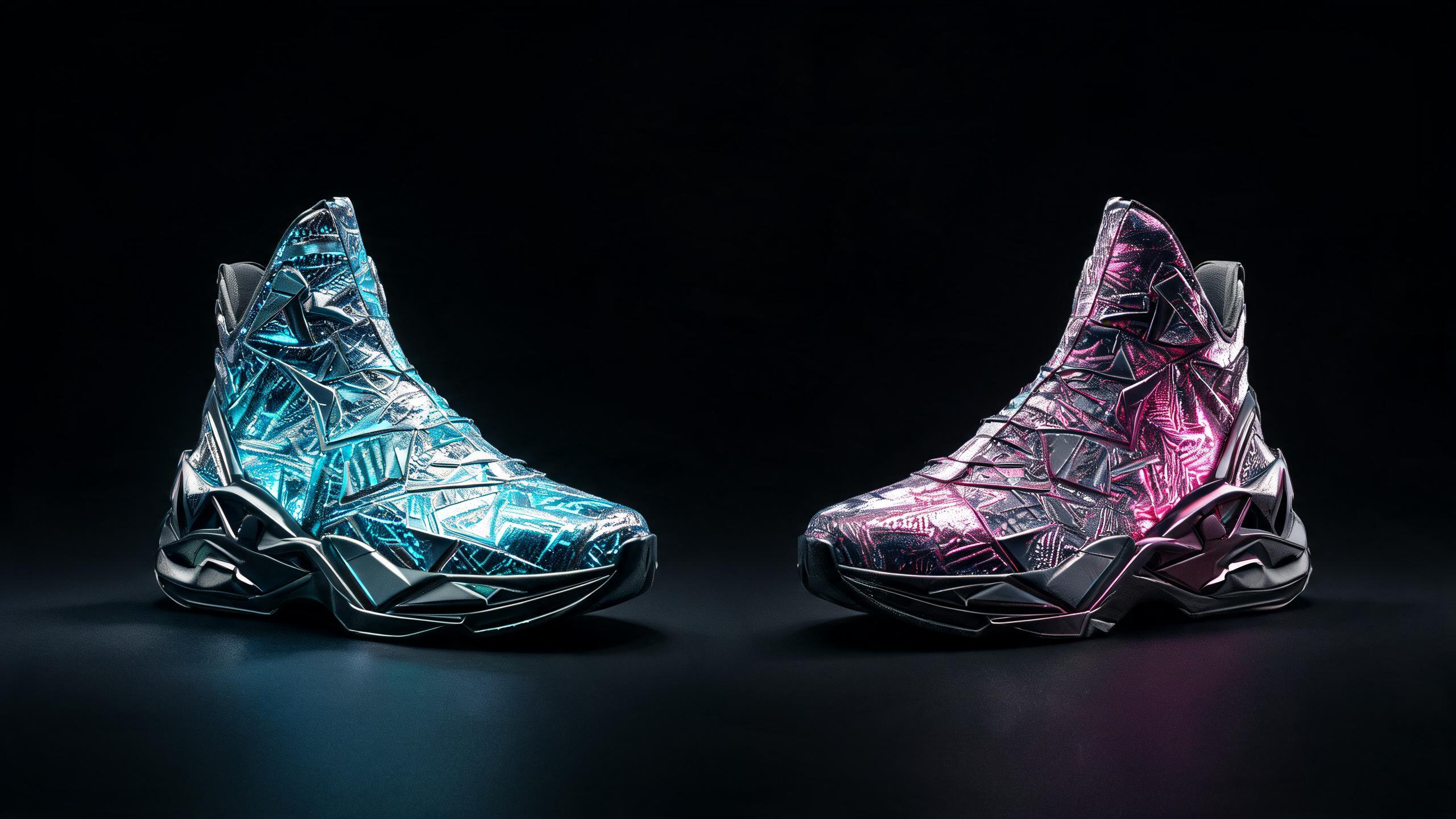
Style meets storm: Mastering Adidas waterproof smart material tech
A deep dive into adidas waterproof sneaker smart material tech and what it means for modern fashion.
Waterproofing used to be a compromise. Now it is an architectural choice.
For decades, the industry accepted a binary: you could have a dry foot in a heavy, breathable-less boot, or a wet foot in an aesthetic sneaker. The emergence of adidas waterproof sneaker smart material tech has effectively collapsed this dichotomy. We are no longer looking at footwear as a static covering but as a dynamic interface between the human body and a volatile environment. This shift requires a new understanding of style—one rooted in technical precision rather than decorative trends.
The integration of GORE-TEX membranes, RAIN.RDY coatings, and COLD.RDY insulation into silhouettes like the Terrex, Ultraboost, and even the iconic Stan Smith has turned footwear into hardware. Understanding how to wear these pieces is a matter of understanding the engineering behind them.
The Physics of Adidas Waterproof Sneaker Smart Material Tech
To style these sneakers effectively, you must first understand the underlying infrastructure. Most high-performance waterproof Adidas models utilize an ePTFE (expanded Polytetrafluoroethylene) membrane. This material contains billions of microscopic pores per square inch. Each pore is approximately 20,000 times smaller than a water droplet but 700 times larger than a water vapor molecule.
This is the fundamental principle of "smart" materials: they are selective filters. They block liquid ingress while facilitating the evacuation of heat and moisture. When you style a shoe equipped with this technology, you are wearing a piece of environmental regulation equipment.
The aesthetic result of this tech is often a sleeker, more structured silhouette. Because these membranes are bonded to the upper material, the shoe retains a rigidity that traditional knit or canvas lacks. This structure dictates how the rest of your outfit should behave. A structured, technical shoe paired with soft, unstructured fabrics creates a visual dissonance that rarely works. Technical footwear demands a technical wardrobe.
Principles of Technical Styling: Silhouette and Proportion
Most fashion enthusiasts fail because they treat a technical sneaker like a standard trainer. They are not the same. A waterproof Adidas sneaker has more visual weight and a more complex texture due to the synthetic overlays and heat-sealed seams.
The Tapered Infrastructure
The most effective way to style adidas waterproof sneaker smart material tech is through a tapered or articulated leg. Because these shoes are designed for movement and protection, the pant must not interfere with the shoe’s function. Wide-leg denim or heavy chinos often collapse over the collar of a technical shoe, hiding the engineering and creating a messy "stack."
Instead, look for trousers with a "technical break"—a slight taper that ends just at the top of the sneaker's tongue. This allows the shoe to remain the focal point while maintaining the integrity of the waterproof seal at the ankle.
Material Consistency
Texture is a data point. If your footwear is built from advanced synthetics and membranes, your outerwear should reflect that logic. Mixing a high-tech GORE-TEX Adidas sneaker with a traditional wool overcoat is a mistake in style intelligence. It represents a clash of eras.
Consistency requires pairing smart material footwear with equally functional garments: 3-layer nylon shells, ripstop cargos, or heat-mapped base layers. The goal is to build a cohesive system where every garment serves a specific utility.
Avoiding the "Hiker" Trap in Urban Environments
One of the greatest challenges in utilizing adidas waterproof sneaker smart material tech is avoiding the aesthetic of someone lost on a trail. The "Gorpcore" movement attempted to bridge this gap, but it often leans too heavily into the performative.
True style intelligence lies in the "Urban Technical" aesthetic. This means selecting colorways that are muted or monochromatic. Adidas offers many of its waterproof models in "Triple Black," "Carbon," or "Grey Six." These shades hide the aggressive lugs and heavy reinforcement of the shoes, allowing the technical benefits to exist without the visual noise of bright "emergency" colors often found in mountain gear.
If the shoe has a high-contrast logo or neon accents, the rest of the outfit must be strictly neutral. You are balancing a high-utility item with low-visibility clothing. This creates a profile of "hidden competence"—the shoe performs at a high level, but it doesn't scream for attention.
Critical Analysis of Specific Adidas Smart Tech Models
Not all waterproof tech is applied the same way. The silhouette dictates the styling logic.
The Terrex Free Hiker (GORE-TEX)
This is the pinnacle of Adidas’s outdoor engineering. It uses a Primeknit upper reinforced with a GORE-TEX membrane and a Boost midsole. The aesthetic is aggressive and tall.
- The Mistake: Wearing these with slim jeans or joggers that tuck into the sock-like collar. This ruins the vertical line of the leg.
- The Solution: Use wide-cropped technical trousers or shorts with compression liners. The Free Hiker needs space to breathe visually.
The Ultraboost Light GTX
This is a performance runner adapted for the storm. It is sleek, aerodynamic, and minimal.
- The Mistake: Treating it like a lifestyle shoe for a night out.
- The Solution: This shoe belongs in a high-activity context. Style it with tapered running tights or lightweight windbreakers. It is a tool for speed in adverse conditions; the outfit should reflect that velocity.
The Stan Smith GORE-TEX
This represents the ultimate integration of adidas waterproof sneaker smart material tech into heritage design. It looks like a classic court shoe but functions like a storm boot.
- The Best Practice: This is the only technical waterproof shoe that can be worn with semi-formal attire. Because the tech is "stealth," you can pair it with technical flannels or sharp, water-repellent chinos. It is the perfect bridge between the boardroom and a rain-slicked city street.
Maintaining the Integrity of Smart Materials
Style is not just about how you wear an item; it is about how you maintain its functional aesthetic. Smart materials require specific care to stay "smart."
The DWR (Durable Water Repellent) coating on the exterior of many Adidas waterproof shoes is a chemical treatment that makes water bead off. Over time, dirt and oil break this coating down, causing the fabric to "wet out." When the outer fabric is saturated, the GORE-TEX membrane can no longer breathe, leading to internal condensation.
To maintain the style and function:
- Never use standard detergents. They contain surfactants that destroy DWR. Use a dedicated technical wash.
- Clean after every exposure. Salt and mud are abrasive. They don't just look bad; they degrade the microscopic pores of the membrane.
- Heat reactivation. After washing, a short stint in a low-heat dryer or a light pass with a hairdryer can reactivate the DWR polymers, restoring that "factory-new" water beading effect.
A shoe that doesn't bead water is no longer a smart material shoe; it is just a heavy sneaker.
The Gap Between Trend and Infrastructure
Most fashion apps suggest shoes based on what everyone else is wearing. They look at the "Top 10" lists and recommend the most popular colorway. This is a failure of logic.
True style is not a popularity contest; it is a matching of personal utility to environmental demand. If you live in a city with high rainfall and a minimalist aesthetic, your "style model" should prioritize adidas waterproof sneaker smart material tech over a standard leather sneaker.
The industry currently relies on "personalization" that is actually just "segmentation." They put you in a bucket labeled "Active" or "Streetwear." But your style is more complex than a bucket. It is a dynamic model that should evolve based on the weather, your movement patterns, and your evolving taste profile.
The Future of Style Intelligence
We are moving toward a world where the distinction between "fashion" and "gear" disappears. As materials become smarter, our wardrobes will become more efficient. You will no longer need thirty pairs of shoes; you will need five high-performance systems that adapt to your life.
The adidas waterproof sneaker smart material tech is a precursor to this future. It represents the transition from buying "clothes" to investing in "apparel systems." When you choose a waterproof sneaker, you are making a data-driven decision to prioritize comfort and longevity over disposable trends.
How does your current wardrobe account for environmental volatility? If you are still choosing between looking good and staying dry, you are operating on an obsolete model of fashion.
The shift toward intelligent commerce means your style should be as smart as the materials you wear. AlvinsClub uses AI to build your personal style model. Every outfit recommendation learns from you, ensuring that technical infrastructure like Adidas smart materials are integrated perfectly into your daily life. Try AlvinsClub →
Related Articles
- Decoding 2026: An AI Analysis of Adidas Italian Sneaker Aesthetics
- Nike Air Max Summer Sneaker Releases: What's Changing in 2026
- 10 Advanced Nike Air Max Sneaker Innovation Tips You Need to Know
- What To Wear To A Tech Job Interview: What's Changing in 2026
- How to Nike Technical Runner Minimalist Sneaker Design: A Complete Guide
How to Choose, Style, and Maintain Adidas Waterproof Smart-Material Sneakers
The performance of adidas waterproof sneaker smart material tech depends on more than a membrane or surface coating. The model, fit, weather conditions, care routine, and outfit all influence whether the shoe feels like a refined everyday sneaker or an uncomfortable piece of outdoor equipment. A practical selection strategy begins by matching construction to the environment.
Match the construction to the conditions
Not every waterproof Adidas sneaker is designed for the same type of exposure. A shoe with a fully waterproof bootie construction is better suited to persistent rain, wet grass, and puddle-heavy commutes than a model with only a water-repellent upper. Conversely, a highly sealed shoe may feel warmer and less flexible during mild, humid weather.
Use the following guide when comparing models:
- Light rain and urban commuting: Choose a low-profile sneaker with a treated textile or synthetic upper, gusseted tongue, and rubber outsole. This combination preserves a casual appearance while handling short showers.
- Extended rain and wet trails: Prioritize adidas Terrex models with a GORE-TEX membrane or comparable waterproof construction. Look for a higher collar, reinforced toe, and outsole with multidirectional lugs.
- Cold, damp conditions: Consider COLD.RDY insulation or a lined waterproof model. Insulation is useful below roughly 45°F (7°C), but it can become excessive when temperatures rise or when walking at a fast pace.
- Mixed pavement and light trail use: A moderate lug pattern is usually the best compromise. Deep lugs improve grip in mud but can look visually aggressive and feel less smooth on polished floors.
Check the product specifications for the distinction between “waterproof” and “water-repellent.” Water-repellent finishes cause droplets to bead on the surface, while a waterproof membrane is intended to prevent liquid water from passing through the shoe’s primary barrier. Neither feature makes a sneaker permanently impervious to water, particularly around the tongue, seams, collar, or ankle opening.
Build an outfit around the sneaker’s visual weight
Technical footwear has a strong silhouette, so proportion matters. A bulky Terrex trail sneaker paired with extremely narrow trousers can make the shoe look oversized. Straight-leg, relaxed-tapered, or utility trousers generally create a more balanced line. Allow the hem to finish just above or lightly over the collar rather than stacking heavily on top of it, where folds can trap moisture and obscure reflective details.
For a cleaner city outfit, combine black or charcoal waterproof sneakers with:
- Straight-leg technical trousers
- A merino or heavyweight cotton crew neck
- A lightweight shell jacket in a contrasting neutral
- Minimal accessories, such as a compact crossbody bag or matte cap
For a more visible fashion look, use the sneaker as the accent. An off-white or silver pair can sharpen dark outerwear, while olive, clay, or muted blue complements earth-toned cargo trousers without creating a fully monochromatic hiking aesthetic. The goal is controlled contrast: one technical focal point is usually more versatile than combining a waterproof jacket, cargo pants, trail vest, and heavily lugged footwear in the same outfit.
Waterproof smart-material sneakers also work well with cropped denim, but leave enough ankle coverage for wet weather. In cold conditions, pair them with merino-blend socks that extend above the collar. Avoid thick cotton socks for long walks in rain; cotton absorbs moisture and dries slowly, undermining the breathable benefits of the shoe.
Fit for the membrane, not just the style
A waterproof sneaker should fit securely without compressing the foot. Excess space can allow the heel to lift, causing friction and reducing stability on slick surfaces. Excessive tightness can restrict circulation and reduce the air volume needed for moisture management.
When trying on a pair, wear the socks you expect to use outdoors and test these points:
- Leave approximately a thumb’s width between the longest toe and the front of the shoe.
- Confirm that the heel remains stable when walking downhill or climbing stairs.
- Check that the widest part of the foot aligns with the shoe’s forefoot flex point.
- Make sure the tongue and collar do not create pressure around the ankle.
- Walk for several minutes rather than judging fit while standing still.
Remember that waterproof membranes reduce water entry but do not eliminate perspiration. During high-output activity, moisture generated inside the shoe can exceed the membrane’s ability to move vapor outward, especially in warm or humid weather. A breathable upper, moisture-managing sock, and correct fit are therefore as important as the waterproof rating.
Preserve performance with a simple care routine
Dirt, oils, and dried mud can block textile surfaces and reduce breathability. After use, remove loose debris with a soft brush. If the sneaker is muddy, rinse it with lukewarm water and clean it with a small amount of mild soap. Avoid bleach, solvents, fabric softener, and aggressive scrubbing, as these can damage adhesives, finishes, and membrane laminates.
Do not place waterproof sneakers on a radiator or in a tumble dryer. High heat can deform foam, weaken bonding, and alter the shape of the waterproof bootie. Instead, remove the insoles and laces, open the tongue fully, and let the shoes dry at room temperature. Stuffing them loosely with plain paper can help absorb internal moisture; replace the paper when it becomes damp.
When water stops beading on the upper, apply a manufacturer-compatible footwear reproofing product. Spray treatments are generally easier to control than heavy waxes on technical textiles. Apply the product to clean, dry footwear and follow the drying instructions on the label. Reproofing restores surface water repellency, but it does not repair a punctured membrane or separated seam.
Inspect high-wear areas every few months, especially the toe flex point, heel counter, lace eyelets, and outsole edges. A damaged upper can allow water to bypass the waterproof layer, while worn tread reduces traction even if the shoe remains completely dry inside.
Test the complete system before relying on it
Before taking a new pair on a long trip, wear it on shorter walks in comparable conditions. Test it with the intended trousers and socks, and note whether the collar rubs, the foot slides forward, or the outsole feels unstable on painted pavement. This trial also reveals whether the styling works in real proportions rather than only in product photography.
The best result from adidas waterproof sneaker smart material tech is not simply a dry shoe. It is a dependable combination of weather protection, comfort, traction, and visual balance. Select the construction for the climate, style the silhouette according to its bulk, and maintain the materials with low-impact cleaning and drying. That approach allows technical Adidas footwear to function as everyday fashion rather than emergency rain gear.
Style Meets Storm: Mastering adidas Waterproof Smart Material Tech
Style meets storm mastering adidas waterproof smart material tech when performance features are treated as part of an outfit rather than hidden beneath it. The right shoe depends on the weather, activity, and level of protection required. For example, adidas Terrex models with GORE-TEX are designed for prolonged exposure to rain and wet trails, while RAIN.RDY footwear is better suited to everyday showers, commuting, and light outdoor use. COLD.RDY models add insulation for colder conditions, but may feel too warm during mild, wet weather.
Start with the upper. A waterproof membrane can help stop external water from entering while allowing some internal moisture vapor to escape, but no membrane eliminates sweating. Wear moisture-wicking merino or synthetic socks instead of cotton, which absorbs water and dries slowly. Leave room in the toe box as well; compressed feet receive less insulation and can become cold faster.
Outfit coordination is equally practical. Neutral black, gray, olive, and sand-colored waterproof sneakers pair easily with denim, technical trousers, and minimalist outerwear. For a sharper urban look, match the shoe’s sole or trim to another small detail, such as a jacket zipper or crossbody bag. Avoid combining several highly reflective or heavily branded pieces, since one technical focal point usually creates a cleaner silhouette.
Maintenance determines how long the materials perform. Remove surface mud with a soft brush, wipe the upper with lukewarm water, and let the shoes dry naturally away from radiators or direct heat. Heat can weaken adhesives and distort synthetic components. Check the care label before applying a spray treatment: some products are compatible with textile uppers, while others can affect membranes, leather, or adhesives.
The most effective approach to style meets storm mastering adidas waterproof smart material tech is to match protection with actual use. Choose a lightweight waterproof sneaker for city walking, a more structured Terrex design for uneven trails, and an insulated option only when temperatures justify it. That strategy keeps the footwear comfortable, visually versatile, and technically appropriate instead of treating waterproofing as a one-size-fits-all feature.
Frequently Asked Questions
Q: What does style meets storm mastering adidas waterproof smart material tech mean?
It describes combining adidas waterproof footwear technology with practical, coordinated styling for wet-weather use. The concept focuses on choosing materials and silhouettes that protect against rain without sacrificing everyday appearance.
Q: Which adidas technology is best for waterproof sneakers?
GORE-TEX is commonly used for waterproof, breathable protection, while RAIN.RDY is designed for wet-weather coverage in selected adidas products. The best option depends on the model, intended activity, and level of rain exposure.
Q: Are adidas waterproof smart-material sneakers suitable for everyday city wear?
Yes, many waterproof adidas sneakers work well for commuting and daily walking. Choose a lighter model for mild weather and reserve insulated or trail-focused designs for colder conditions or uneven terrain.
Q: How should adidas waterproof sneakers be cleaned and maintained?
Brush away dried dirt, wipe the shoes with lukewarm water, and allow them to air-dry naturally. Avoid radiators and strong direct heat, and check the product label before using any water-repellent treatment.
Q: Can waterproof adidas sneakers keep feet completely dry?
No footwear can guarantee completely dry feet in every condition. Waterproof membranes help block external water, but water can still enter through the opening, seams, deep puddles, or internal perspiration.
Style Meets Storm: Mastering adidas Waterproof Smart Material Tech
The phrase style meets storm mastering adidas waterproof smart material tech describes more than a trend; it reflects a practical approach to choosing footwear for changing conditions. The best model depends on the type of weather, the activity, and the level of protection required. A shoe designed for city commuting may prioritize a clean profile and water-resistant treatment, while a Terrex hiking model typically emphasizes traction, a protective toe cap, and a more secure fit.
Start by identifying the material system. A waterproof membrane, such as GORE-TEX, is designed to block liquid water while allowing some moisture vapor to escape. A surface treatment or coated textile can repel light rain, but it may not provide the same protection during prolonged exposure or puddle-heavy routes. adidas RAIN.RDY models are generally positioned for wet-weather protection, while COLD.RDY products add insulation for lower temperatures. Always check the product specifications rather than assuming every “waterproof” label offers identical performance.
Fit also affects weather protection. Leave enough room for natural toe movement and thicker socks, but avoid excess space that allows the heel to lift. Before wearing a new pair in a storm, apply the manufacturer’s care guidance, clean dirt from the upper, and confirm that the tongue and lacing area are properly closed. Water often enters through openings around the ankle rather than through the main upper.
For everyday styling, pair technical waterproof sneakers with tapered trousers, straight-leg denim, or performance cargos to balance their structured shape. Neutral colors such as black, gray, olive, and sand make outdoor footwear easier to integrate into work-to-weekend outfits. For heavier rain, choose trousers with a slightly shorter or adjustable hem so fabric does not wick water into the shoe.
Ultimately, style meets storm mastering adidas waterproof smart material tech when performance choices are matched to real conditions. Treat waterproofing as part of a maintenance routine: air-dry footwear naturally, avoid direct heat, remove insoles when appropriate, and refresh water-repellent treatments only when the care label permits. This preserves comfort, appearance, and material performance over time.
Frequently Asked Questions
Q: What does style meets storm mastering adidas waterproof smart material tech mean?
It refers to combining adidas design with materials and construction intended to manage rain, moisture, cold, and changing outdoor conditions. The concept emphasizes selecting footwear based on both appearance and technical performance.
Q: Which adidas technology is best for waterproof sneaker protection?
The most suitable technology depends on the model and intended use. GORE-TEX membranes generally provide high-level waterproof protection, while RAIN.RDY products are designed to help shield against wet weather; product specifications should be checked before purchase.
Q: Are adidas waterproof smart-material sneakers suitable for everyday city wear?
Yes, many waterproof adidas sneakers are designed for commuting and casual use. Choose a lightweight silhouette for paved surfaces and a model with deeper traction when routes include mud, loose ground, or steep paths.
Q: How should adidas waterproof sneakers be maintained after a storm?
Remove surface dirt, let the shoes dry at room temperature, and follow the care instructions for the specific upper and membrane. Avoid radiators and high heat, which can damage adhesives, coatings, and synthetic materials.