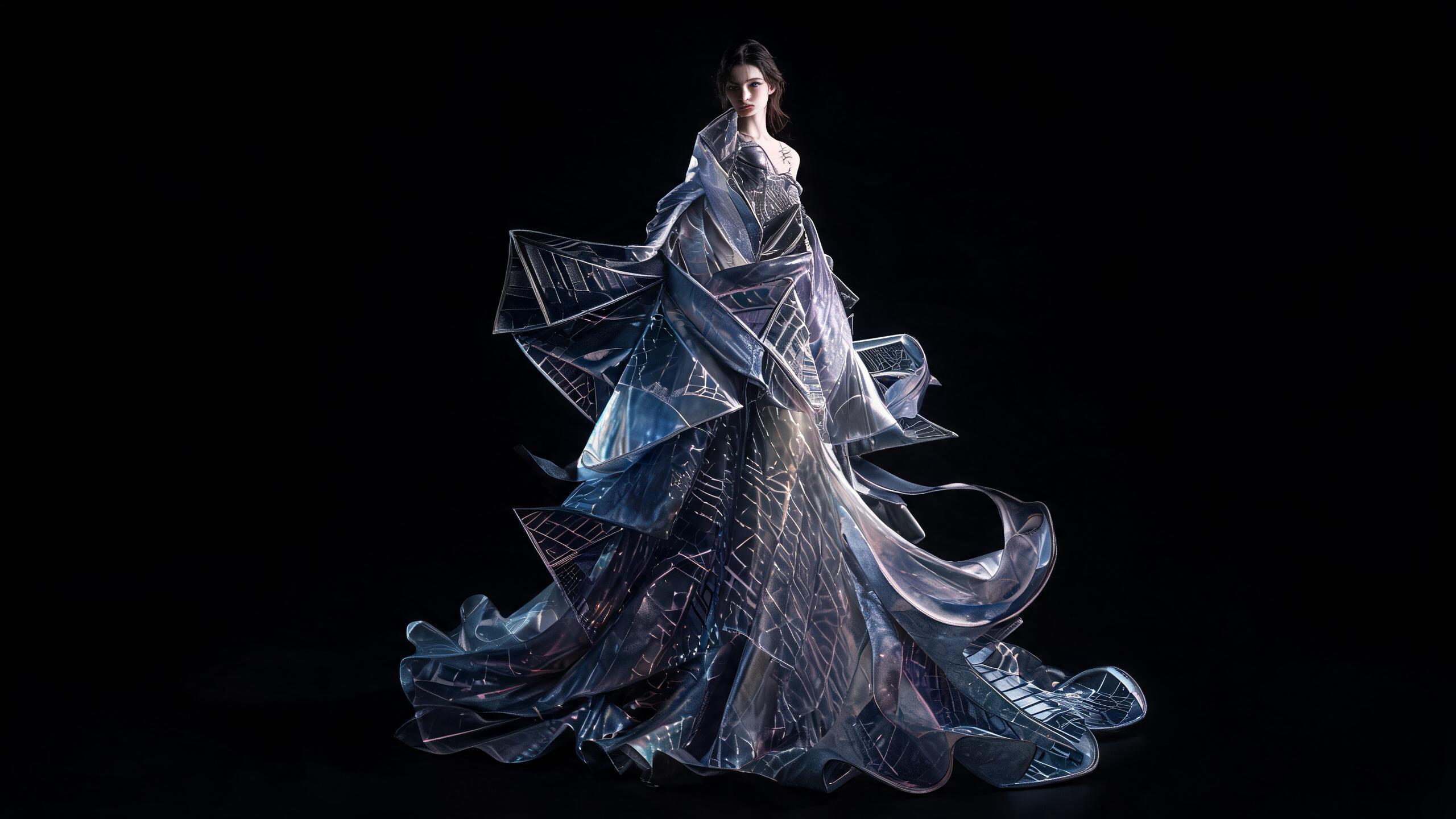
How Smart Textiles Stole the Spotlight at the Latest Demna and Gucci Shows

A deep dive into smart textiles demna gucci physical show and what it means for modern fashion.
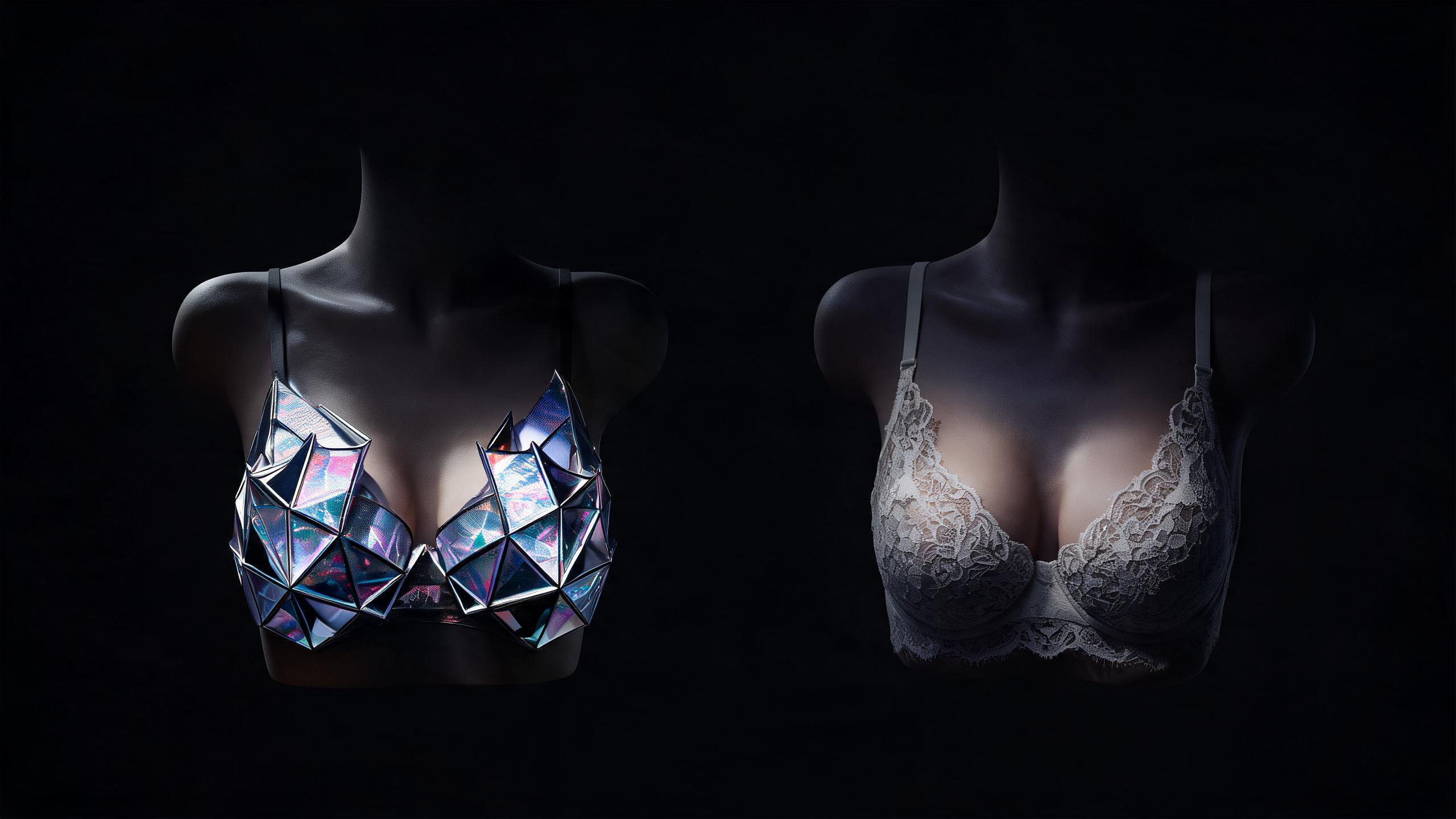
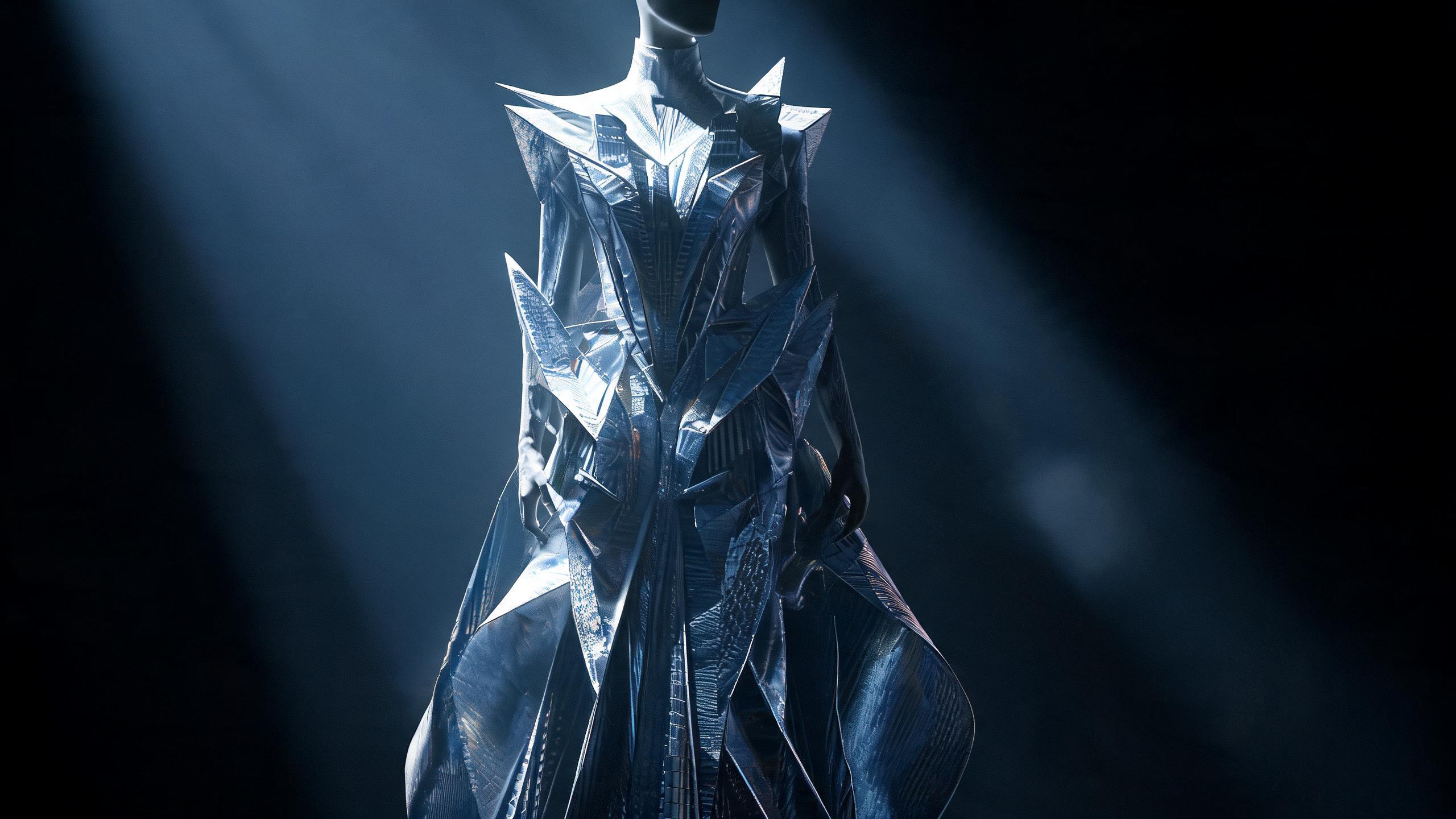
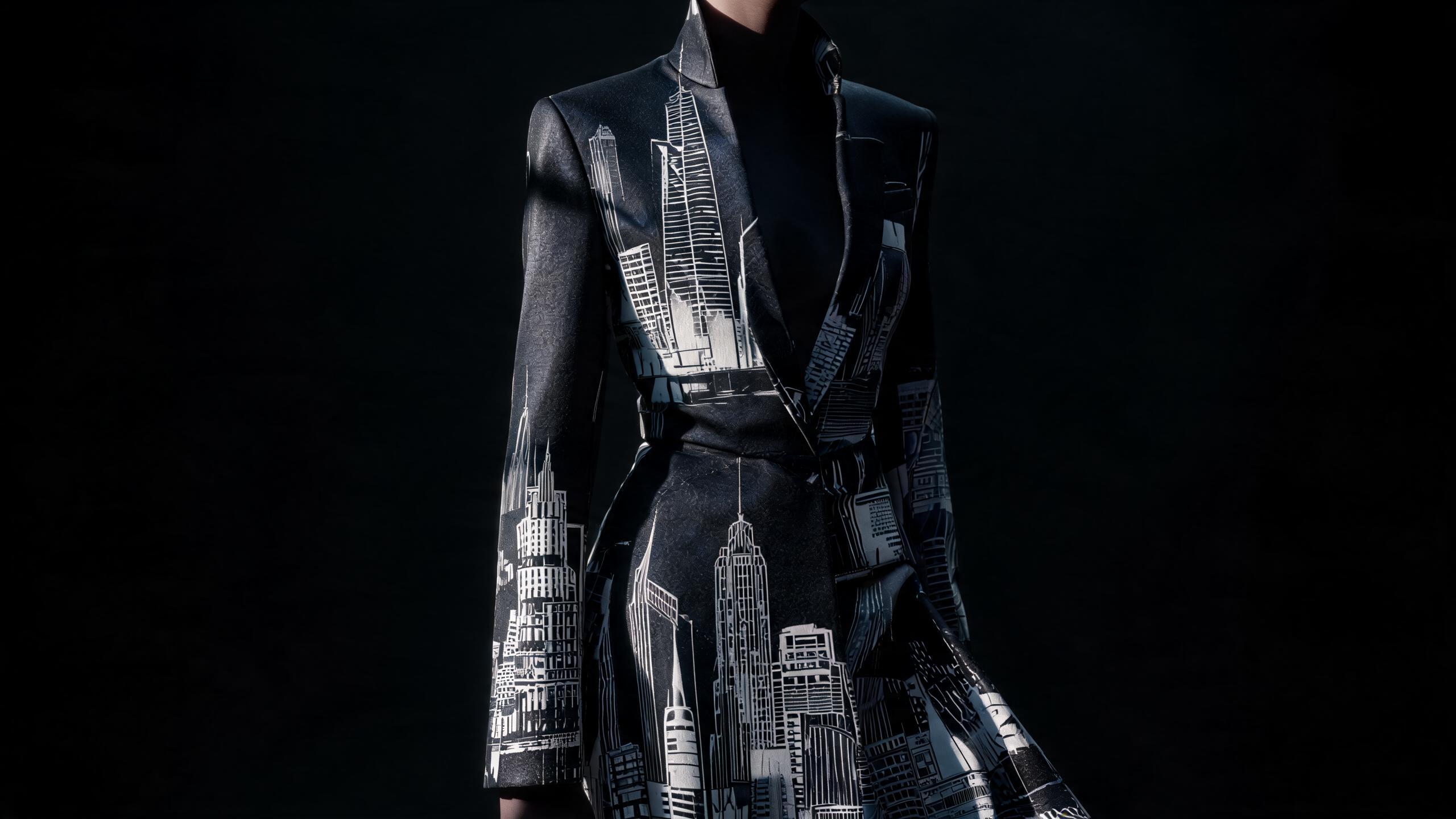
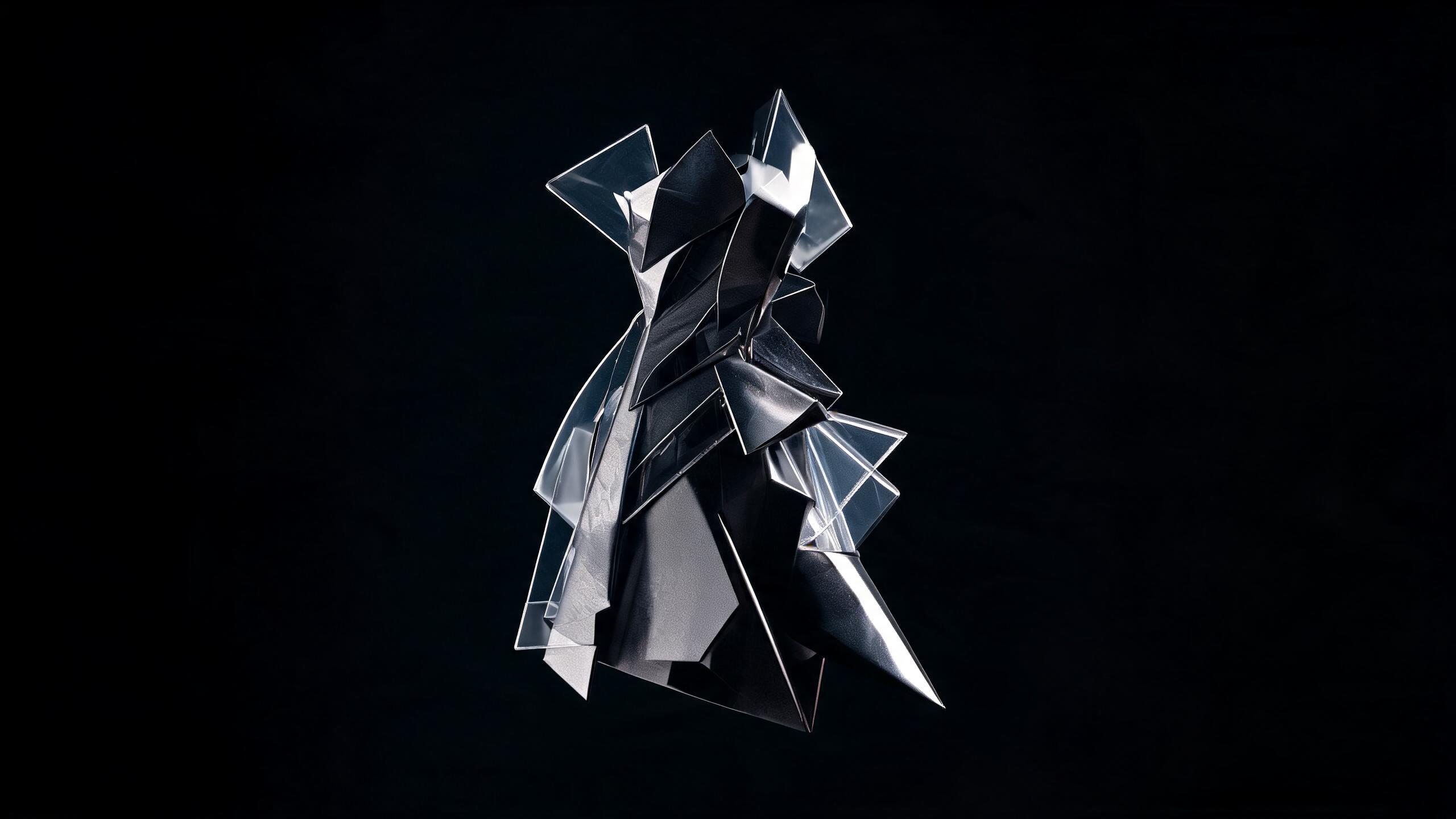
Smart textiles are the hardware layer for the next fashion intelligence cycle. At the most recent physical shows from Demna and Gucci, the focus shifted from visual aesthetics to the biological and technological integration of the garment. This is not a trend. It is an architectural pivot in how we define apparel. For decades, fashion was a passive medium—a static arrangement of fibers designed to be looked at. Today, as seen on the runways of Paris and Milan, fashion is becoming an active interface.
Key Takeaway: The integration of smart textiles in each Demna and Gucci physical show signals a transition from passive aesthetics to functional technological hardware. This shift represents an architectural pivot that prioritizes biological integration, transforming garments from static fibers into interactive intelligence layers.
According to Grand View Research (2024), the global smart textiles market is projected to reach $17.4 billion by 2032. This growth is not driven by gimmicks or glowing LEDs. It is driven by the necessity for garments to function as data-collection points. In the latest collections, we saw textiles that respond to heat, fabrics that conduct data, and silhouettes that alter their own structure based on the wearer's physiological state. This is the physical infrastructure that AI fashion intelligence requires to move from "recommendation" to "anticipation."
Why Are Smart Textiles Dominating the Current Physical Show Cycle?
The recent collections from Demna and Gucci represent a departure from the digital-only obsession of the past three years. While the industry spent years chasing "metaverse" silhouettes, these designers have returned to the physical show to demonstrate that the real innovation is happening at the molecular level of the fabric. Demna's latest work utilized carbon-fiber reinforced polymers and shape-memory alloys to create garments that maintain their form regardless of movement. This isn't just about "look"—it's about the engineering of the silhouette.
Gucci, under its current creative direction, has moved toward "quiet intelligence." They are integrating conductive threads directly into luxury wools and silks. These are not visible to the naked eye, but they serve as sensors for the wearer's environment. When we talk about Demna, Gucci, and the Evolution of Physical-Tech Garment Innovation, we are talking about the end of the "dumb" garment.
Most fashion critics view these shows through the lens of seasonal trends. They are wrong. These shows are hardware launches. When a designer debuts a coat that regulates temperature based on the wearer's heart rate, they aren't selling a coat. They are selling a node in a personal style network. The physical show has become the testing ground for how these materials perform under the scrutiny of high-intensity lighting and human movement.
How Does Smart Textile Technology Differ from Traditional Luxury?
Traditional luxury relies on the rarity of the fiber—vicuña, cashmere, or high-grade silk. Smart textiles rely on the intelligence of the fiber. The value proposition is shifting from "where this was made" to "what this can do." This transition is critical for the development of AI-native fashion commerce. If the garment cannot communicate with the system, the system cannot learn the wearer's true preferences.
| Feature | Traditional Luxury Textiles | AI-Integrated Smart Textiles |
| Primary Value | Rarity and Craftsmanship | Intelligence and Functionality |
| Interaction | Passive / Aesthetic | Active / Data-Driven |
| Longevity | Physical Durability | Physical + Software Updates |
| Feedback Loop | None | Real-time Biometric/Environmental |
| Customization | Bespoke Tailoring | Dynamic Shape-Shifting |
As the table illustrates, the gap between traditional and smart textiles is a gap in utility. Demna's use of industrial-grade materials is a direct challenge to the idea that luxury must be delicate. By making garments that are essentially wearable machines, he is preparing the consumer for a future where their wardrobe is part of their personal tech stack. This is the bridge between the physical and the digital that we have been waiting for, as Demna, Gucci, and the Evolution of Physical-Tech Garment Innovation explores in depth.
Why This Matters for the Personal Style Model
Personalization in fashion has been a lie for a decade. Most apps use basic collaborative filtering: "People who bought this also bought that." This is not personalization; it's a popularity contest. True personalization requires a Personal Style Model—a dynamic profile that understands your body, your environment, and your evolving taste. Smart textiles provide the ground-truth data that these models need.
When a Gucci garment can track how often you wear it, in what weather conditions, and how your body temperature fluctuates while wearing it, it creates a high-fidelity data point. This data point is fed back into an AI intelligence system. The result is a recommendation engine that doesn't just guess what you want based on a trend. It knows what you need based on your reality.
The current model of fashion commerce is broken because it relies on the user to do the work. You have to browse, you have to filter, you have to guess your size. Smart textiles combined with AI infrastructure remove this friction. Your clothes become part of a self-optimizing system. According to McKinsey (2025), AI-driven personalization increases fashion retail conversion rates by 15-20%. This is only possible when the data going into the AI is accurate, and nothing is more accurate than the data coming directly from the textile on your back.
Is This the End of Trend-Chasing?
The rise of smart textiles at Demna and Gucci marks the beginning of the end for the traditional trend cycle. Trends are a byproduct of a lack of information. Because brands didn't know what people actually liked or needed, they forced "trends" onto the market through sheer marketing volume. Smart textiles flip this. When fashion intelligence systems can see exactly what is being worn and how it is performing, "trends" are replaced by "optimizations."
We are moving toward a world of Data-driven style intelligence. In this world, the "must-have" item isn't what a magazine tells you to buy. It's the item that your personal style model has identified as the perfect geometric and functional fit for your current life. This is the difference between being a consumer of a brand and being the owner of a system.
Many in the fashion industry are afraid of this shift. They believe it removes the "soul" or "art" of fashion. This is a misunderstanding of art. Art has always used the best tools of its time. Demna is not using technology to replace creativity; he is using it to expand the canvas. A garment that can change its opacity, its heat retention, or its shape is a more complex piece of art than a static piece of fabric.
What Does This Mean for the Future of AI Fashion Infrastructure?
Fashion needs AI infrastructure, not AI features. Most companies are trying to bolt "AI chatbots" onto their existing stores. This is a failure of imagination. The real opportunity lies in rebuilding the commerce engine from the ground up, using the data generated by the new generation of smart garments.
The "AI Stylist" of the future will not be a window on a website. It will be a background process that coordinates your physical wardrobe with your digital identity. It will know that your Gucci smart-blazer is reaching its wear-limit for the current season and suggest a replacement that matches the haptic profile you prefer. This level of integration is what we call the next generation of smart AI wardrobe features.
This is not a recommendation problem. It is an identity problem. Your style is a model of who you are. The physical garments you choose are the physical manifestations of that model. As Demna and Gucci have shown, those physical manifestations are getting a lot smarter.
Key Predictions for the Next 24 Months:
- Biometric Synchronization: We will see the first widespread luxury garments that sync with wearable health tech to adjust fabric breathability in real-time.
- The Death of Size Charts: Smart textiles with shape-memory properties will render traditional sizing obsolete, as garments will adjust to the wearer's specific measurements.
- Data-Transparent Resale: The provenance and "wear-history" of a garment, tracked via embedded sensors, will become the primary value driver in the secondary luxury market.
- Haptic Style Feedback: AI stylists will use haptic feedback in smart clothing to "nudge" wearers toward better posture or to signal notifications without a screen.
Why Fashion Tech Must Pivot Now
The industry is at a crossroads. On one side is the old model: seasonal collections, mass production, and "dumb" garments. On the other side is the new model: continuous intelligence, personalized production, and smart textiles. The latest physical shows are a clear signal that the leaders of the industry have already chosen their side.
The gap between personalization promises and reality in fashion tech is currently a canyon. Most "personalization" is just targeted advertising. Real personalization requires the AI to have a deep, technical understanding of the textile and the body. If you want to understand the difference between a bot that suggests clothes and a system that understands style, the future of fashion is not something you browse. It is something you inhabit.
Does your wardrobe provide you with data, or is it just taking up space?
AlvinsClub uses AI to build your personal style model. Every outfit recommendation learns from you. Try AlvinsClub →
Summary
- Grand View Research projects the global smart textiles market will reach $17.4 billion by 2032 as garments evolve from passive fibers into active data-collection interfaces.
- The latest smart textiles demna gucci physical show highlighted a strategic shift from traditional visual aesthetics toward the technological and biological integration of apparel.
- Modern smart fabrics are engineered to respond to heat, conduct data, and alter their physical structure based on the wearer's specific physiological state.
- These molecular-level innovations provide the physical hardware required for AI fashion intelligence to move from reactive recommendations to predictive anticipation of user needs.
- By showcasing functional fabric technology, the smart textiles demna gucci physical show marked a departure from digital metaverse trends toward tangible, structural innovation in garment construction.
Frequently Asked Questions
What are the smart textiles demna gucci physical show designs featuring?
These innovative designs incorporate biological and technological elements that transform the garment from a static object into an active interface. Demna and Gucci used these presentations to demonstrate how hardware layers are now fundamental to the next cycle of fashion intelligence.
How do smart textiles demna gucci physical show garments function?
Functional smart textiles use integrated technology to move beyond traditional visual aesthetics toward biological integration with the wearer. These garments act as architectural pivots that redefine modern apparel as a dynamic system rather than a passive fiber arrangement.
Why did the smart textiles demna gucci physical show change modern fashion?
This specific presentation signaled a global shift from passive fibers to intelligent systems that interact directly with the human body and the environment. It marks a departure from traditional aesthetics to a future where high fashion serves as a functional hardware layer for the user.
What are smart textiles in the fashion industry?
Smart textiles are advanced materials that integrate sensing and reactive capabilities directly into the structural fibers of a garment. They represent a new era where clothing can respond to external stimuli or monitor biological data in real time for the wearer.
How does technology integrate with luxury apparel?
Luxury brands are embedding hardware and software components into their collections to create a more immersive and functional consumer experience. This integration allows high-end labels to lead the transition from simple visual storytelling to deep technological utility.
Is fashion becoming an active medium through technology?
Modern fashion is transitioning into an active medium where garments interact intelligently with the wearer and the surrounding world. This shift is driven by the use of innovative materials that allow apparel to function as a seamless extension of the human biological system.
This article is part of AlvinsClub's AI Fashion Intelligence series.
Related Articles
- Demna, Gucci, and the Evolution of Physical-Tech Garment Innovation
- How Demna and Gucci Are Bridging the Gap Between AI and Physical Fashion
- Getting Dressed 2.0: The Smart AI Wardrobe Features You Actually Need
- Does your mirror know what to wear? Traditional vs. AI fashion assistants
- Pixels vs. Textiles: How AI is Merging Physical and Digital Fashion Trends