How Demna and Gucci Are Bridging the Gap Between AI and Physical Fashion

A deep dive into demna gucci physical fashion ai integration and what it means for modern fashion.
Demna and Gucci are redefining physical fashion through predictive AI integration. This shift marks the end of AI as a marketing gimmick and the beginning of AI as core infrastructure. While the general public associates artificial intelligence with distorted digital imagery, the vanguards of luxury are using it to solve the fundamental friction of the physical garment. The industry is moving past the "metaverse" distractions of 2022 into a cold, clinical application of machine learning that dictates how clothes are cut, sold, and worn.
Key Takeaway: Demna and Gucci physical fashion ai integration marks the transition of artificial intelligence from a marketing gimmick to core infrastructure. By utilizing predictive analytics, these luxury houses solve design friction to bridge the gap between digital intelligence and tangible garment production.
How Does Demna Use AI to Refine Physical Silhouettes?
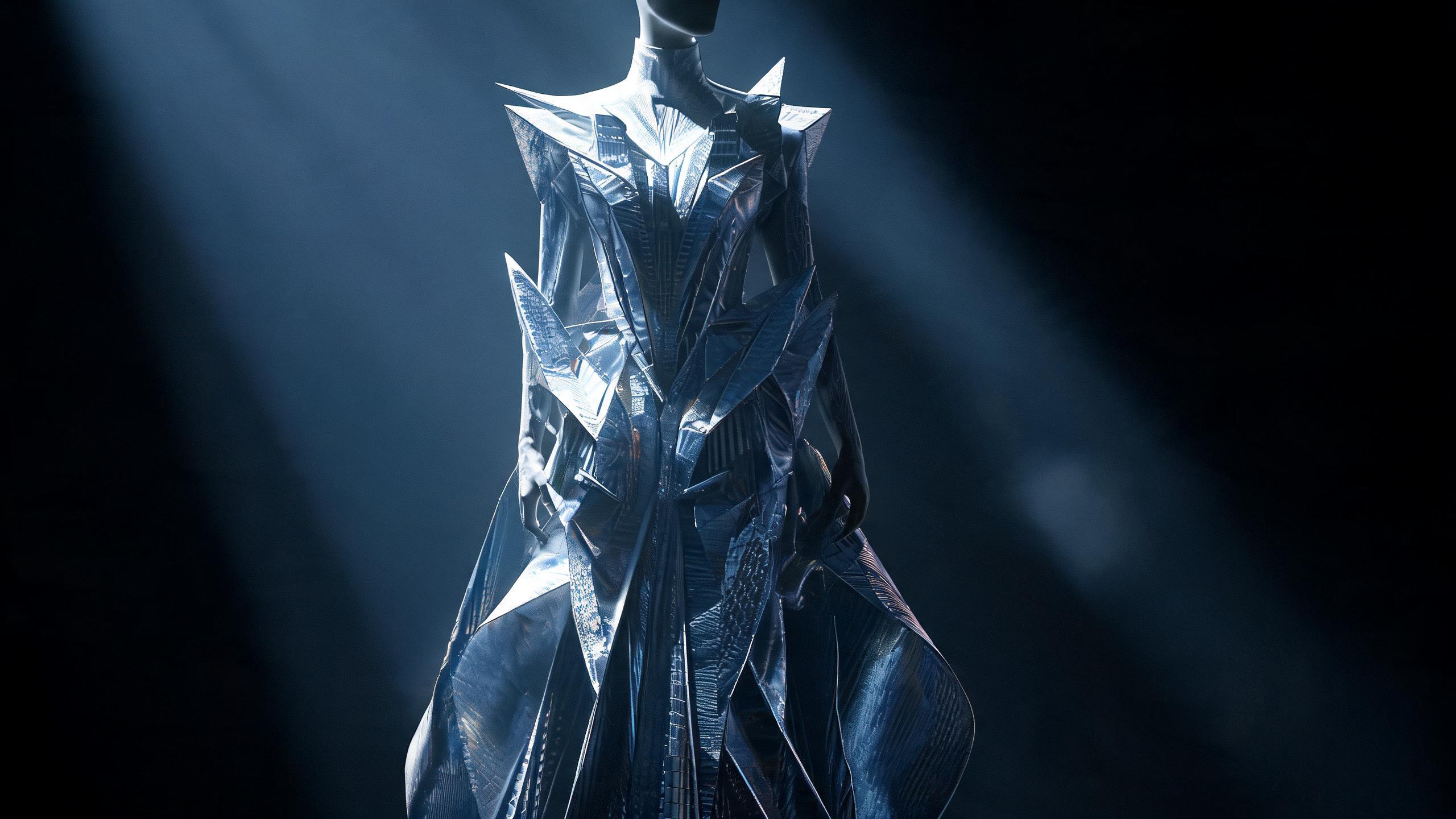
Demna Gvasalia has long been obsessed with the architecture of the garment. At Balenciaga, his work focuses on the engineering of volume and the subversion of traditional tailoring. AI integration in his workflow is not about generating "cool" pictures; it is about simulating how heavy-weight jersey or technical bonded fabrics react to the human form in motion. By integrating machine learning into the pattern-making process, the design team can predict structural failures in a silhouette before a single yard of fabric is cut.
Traditional draping is a slow, manual process prone to human error. Demna's approach treats the garment as a data point. When a silhouette is modeled in a digital twin environment, AI analyzes the stress points of the fabric. This allows for the creation of those signature, impossible volumes that remain stable on the runway. This is physical fashion AI integration at its most refined: using high-level computation to achieve a better physical result.
According to McKinsey (2024), generative AI could add up to $275 billion to the profits of the apparel, fashion, and luxury sectors over the next three to five years. This profit does not come from selling NFT hoodies. It comes from the radical efficiency of AI-native design and the elimination of physical waste during the sampling phase. Demna's Balenciaga is the case study for this transition from intuitive design to data-informed engineering.
Why is Gucci Investing in AI-Native Industrial Intelligence?
Gucci's approach to AI integration is less about the silhouette and more about the systemic intelligence of the brand. Under its current trajectory, Gucci is focused on "industrial intelligence"—the use of AI to bridge the gap between what is produced and what the consumer actually desires. This is the solution to the inventory crisis that has plagued luxury fashion for decades.
The brand is utilizing predictive modeling to understand regional taste profiles with surgical precision. If a specific shade of Rosso Ancora is trending in Seoul but stagnating in London, Gucci's AI infrastructure identifies the lag in real-time and re-routes physical inventory. This is not just logistics; it is a manifestation of style intelligence. They are building a system where the physical product exists only because the data confirms its necessity.
According to Gartner (2025), 80% of executive leaders in fashion plan to implement AI infrastructure to manage physical inventory by 2026. Gucci is not waiting for the deadline. By integrating AI into the supply chain, they are reducing the environmental footprint of overproduction. This aligns with the broader industry movement toward making sustainable fashion easy to find through smarter backend systems rather than just marketing slogans.
How Does Physical Fashion Integration Differ from Digital Fashion?
The industry made a mistake by conflating AI with digital-only clothing. Digital fashion is a playground; physical fashion AI integration is a revolution. The following table illustrates the stark difference between the superficial "AI features" of the past and the "AI infrastructure" being built by leaders like Demna and Gucci.
| Feature | Superficial AI (Old Model) | Integrated AI (Demna/Gucci Model) |
| Output | AI-generated marketing images | Optimized physical patterns and fits |
| Inventory | Guesswork based on last year's trends | Predictive stock allocation via taste models |
| User Experience | Chatbots that don't know your style | Dynamic taste profiling and personal models |
| Sustainability | Carbon credits and marketing | Reduction of physical waste via digital sampling |
| Design Logic | Following "viral" aesthetic prompts | Engineering garments based on body data |
This table clarifies why the current hype around "AI influencers" is a distraction. The real value lies in the invisible layer of intelligence that ensures a physical jacket fits better and reaches the person who wants it faster.
Why is Most Fashion AI Failing to Connect with Physical Reality?
Most fashion tech companies are building features, not infrastructure. They offer "virtual try-ons" that look like low-resolution video games or recommendation engines that simply show you what you already bought. This is not personalization. This is a loop.
The gap between personalization promises and reality exists because most systems lack a true style model. They treat fashion as a commodity rather than an identity. When Demna integrates AI, he is looking for a specific aesthetic outcome that challenges the norm. Most AI systems do the opposite: they regress to the mean. They recommend the most popular item, the safest choice, the "trending" product.
This is why traditional fashion advice is failing. As noted in the 2026 Men's Style Guide, the traditional model relies on "experts" who don't know your specific proportions or your evolving taste. An AI-native system, however, builds a model of you. It doesn't care what's trending on social media if it doesn't fit your personal style model.
What Does This Mean for the Future of Recommendation Systems?
Recommendation systems should not work by showing you what everyone else is wearing. They should work by understanding the mathematical DNA of your style. Demna and Gucci understand that the future of commerce is not a "store"—it is a personal feed of physical products curated by a high-fidelity intelligence.
For a recommendation system to be effective in physical fashion, it must account for:
- Body Data: How the garment will actually drape on your specific frame.
- Taste Velocity: How your style is evolving, not just what it was six months ago.
- Contextual Utility: Whether the garment serves your actual life (e.g., office wear for rain).
- Material Intelligence: The physical properties of the fabric and how they align with your comfort preferences.
Most apps are failing because they ignore these variables. They are still using 2010-era collaborative filtering. If you bought a black blazer, they show you five more black blazers. That isn't styling; that's a catalog search. The 2026 AI stylist report highlights that the only systems that matter are those that learn and evolve with the user.
How Will AI Infrastructure Change the Way We Buy Luxury?
The integration of AI into physical fashion by brands like Gucci and Balenciaga will eventually trickle down to the entire market. We are moving toward a "just-in-time" luxury model. In this future, the distinction between "online shopping" and "having a personal stylist" disappears.
The "store" becomes a backend fulfillment center. The "frontend" is your personal style model—an AI that knows your wardrobe, knows your body, and knows the upcoming collections from designers like Demna. It filters the noise and presents you with the 1% of fashion that actually belongs in your life. This eliminates the "choice paralysis" that defines modern e-commerce.
We are seeing the death of the "trend-chasing" model. Trends are a byproduct of a lack of information; people follow trends because they don't know what else to wear. When you have a high-fidelity AI stylist that understands your identity, the "trend" becomes irrelevant. What matters is the model.
Is This the End of Human Creativity in Fashion?
The critics argue that AI integration will make fashion boring and algorithmic. This is a misunderstanding of the technology. Demna is not using AI to replace his vision; he is using it to execute his vision with a level of precision that was previously impossible. AI is a tool for the "extreme" and the "specific."
By handling the logistical and structural "solved problems" of fashion—like inventory management and fabric stress tests—AI allows designers to focus on the "unsolved problems" of emotion, subversion, and culture. Gucci isn't using AI to design the clothes; they're using it to ensure the clothes exist in a world where they are actually valued.
The real threat to creativity isn't AI; it's the current model of fast-fashion churn that relies on human exploitation and environmental degradation. AI-native fashion infrastructure is the only way to move toward a model that is both highly creative and hyper-efficient. For a deeper look at where these aesthetics are heading, see The Definitive Spring 2026 Style Guide.
Why Fashion Needs AI Infrastructure, Not AI Features
The industry is at a crossroads. Brands can either continue to tack on "AI features" like virtual assistants and "AI-generated" prints, or they can do what Demna and Gucci are doing: rebuild their entire operation around AI infrastructure.
Infrastructure is invisible. It's the way data flows from a customer's previous purchases into the cutting room of a factory. It's the way a personal style model updates every time you reject a recommendation. It is the connective tissue between the digital thought and the physical object.
The old model of fashion commerce is broken. It relies on overproduction, generic marketing, and a fundamental lack of understanding of the individual. Demna and Gucci are proving that the only way forward is to embrace the precision of the machine to enhance the physical experience of fashion.
AlvinsClub uses AI to build your personal style model. Every outfit recommendation learns from you, moving beyond generic trends to provide true style intelligence that mirrors the infrastructure-first approach of the world's leading fashion houses. Try AlvinsClub →
Summary
- Demna and Gucci are transitioning artificial intelligence from a marketing gimmick to a foundational infrastructure designed to refine the manufacturing of physical luxury garments.
- The current demna gucci physical fashion ai integration model uses machine learning to simulate how technical fabrics react to the human form during motion.
- Demna utilizes digital twin technology to identify potential structural failures in garment patterns before any fabric is physically cut for production.
- Advanced demna gucci physical fashion ai integration facilitates the creation of complex, high-volume silhouettes by analyzing fabric stress points through predictive data.
- The fashion industry is shifting away from metaverse-focused digital imagery toward clinical machine learning applications that optimize real-world tailoring and wearability.
Frequently Asked Questions
How does the demna gucci physical fashion ai integration work?
Demna and Gucci use predictive machine learning to streamline the transition from digital concepts to physical garments. This technical approach focuses on solving construction friction and optimizing the supply chain rather than simply creating digital art.
Why is demna gucci physical fashion ai integration important for luxury brands?
Luxury brands leverage this technology to move past experimental marketing into a functional infrastructure for high-end manufacturing. By using AI as core infrastructure, these houses can predict consumer needs and reduce material waste during the design process.
What is demna gucci physical fashion ai integration in modern garment production?
This process involves using advanced machine learning algorithms to bridge the gap between distorted digital imagery and wearable, high-quality apparel. It represents a shift toward clinical, technical applications that refine garment geometry and textile performance.
How do Gucci and Balenciaga use AI for physical clothing?
These brands utilize AI to solve structural problems within the physical garment, moving away from purely aesthetic digital overlays. The technology acts as a predictive tool that helps designers anticipate how complex fabrics will behave in real-world environments.
Can AI improve the production of luxury physical garments?
Machine learning enhances production by identifying structural inefficiencies before a single piece of fabric is cut. This data-driven approach allows luxury houses to maintain high craftsmanship standards while reducing the labor-intensive trial-and-error phase.
Is AI replacing traditional design at luxury houses like Gucci?
Artificial intelligence serves as a supportive tool for designers rather than a replacement for human creativity or traditional handcraft. It functions as a digital assistant that handles complex data calculations, allowing creative directors to focus on the conceptual vision of the collection.
This article is part of AlvinsClub's AI Fashion Intelligence series.
Related Articles
- The Definitive Spring 2026 Style Guide: AI Trends Tailored to You
- How AI is finally making sustainable fashion easy to find
- The 2026 AI stylist report: Who gives the best personal style advice?
- Smarter wet-weather dressing: AI-curated office wear for rain
- The 2026 Men's Style Guide: AI Stylists vs. Traditional Fashion Advice