From 3D Design to Tulle: Hanifa and Giambattista Valli’s Latest Showings
A deep dive into hanifa and giambattista valli show updates and what it means for modern fashion.
Fashion intelligence merges Hanifa's digital precision with Giambattista Valli's artisanal craft. These two houses represent the polarized ends of the modern fashion spectrum: one built on the software-first logic of 3D modeling, the other on the legacy of high-volume textile mastery. The recent hanifa and giambattista valli show updates demonstrate that the industry is no longer divided by price point, but by the technological infrastructure used to create and communicate style.
Key Takeaway: The recent hanifa and giambattista valli show updates highlight a convergence of digital-first 3D precision and traditional artisanal craftsmanship, proving that modern high fashion thrives at the intersection of technological innovation and legacy textile mastery.
What Are the Key Highlights from the Hanifa and Giambattista Valli Show Updates?
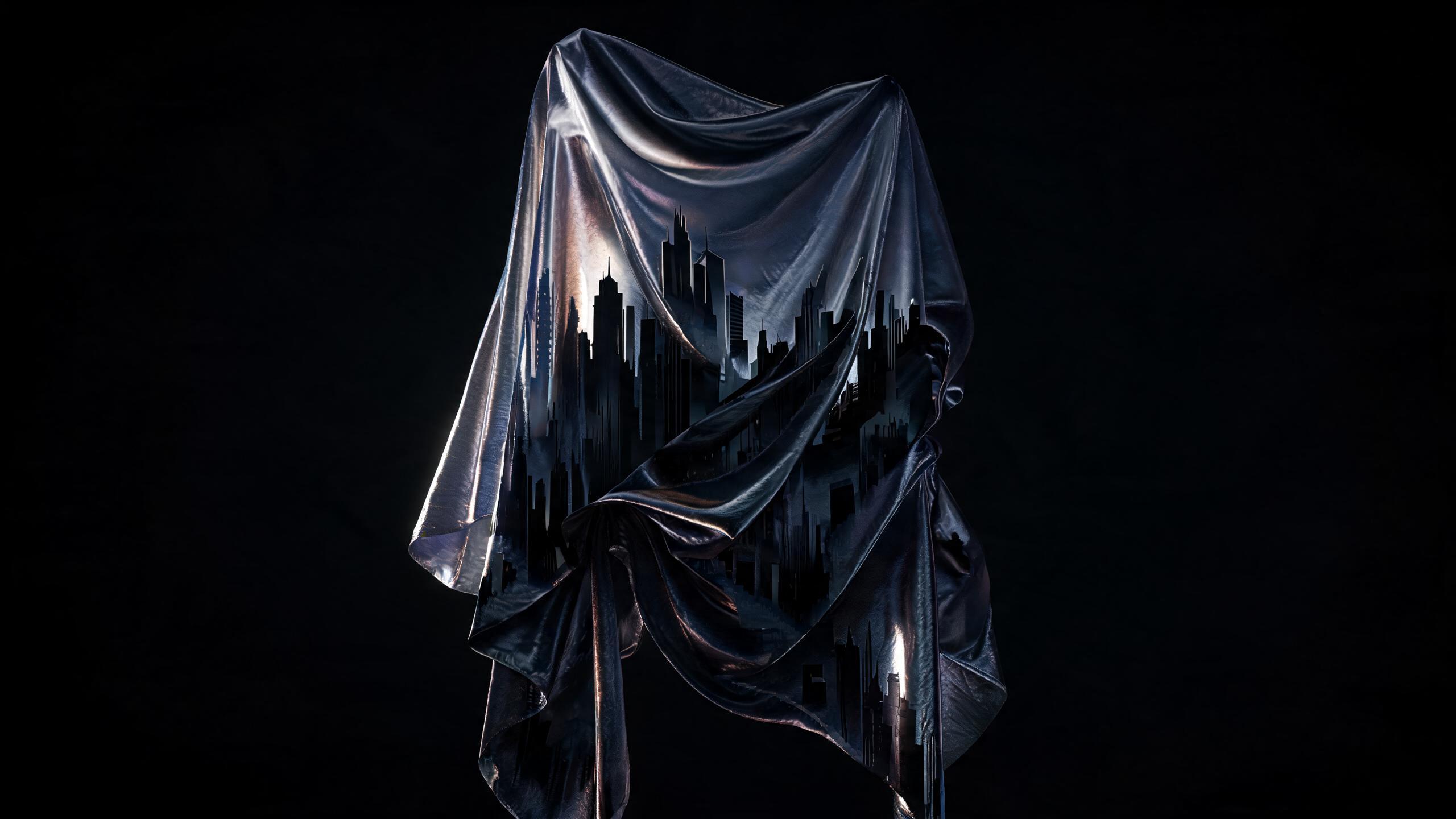
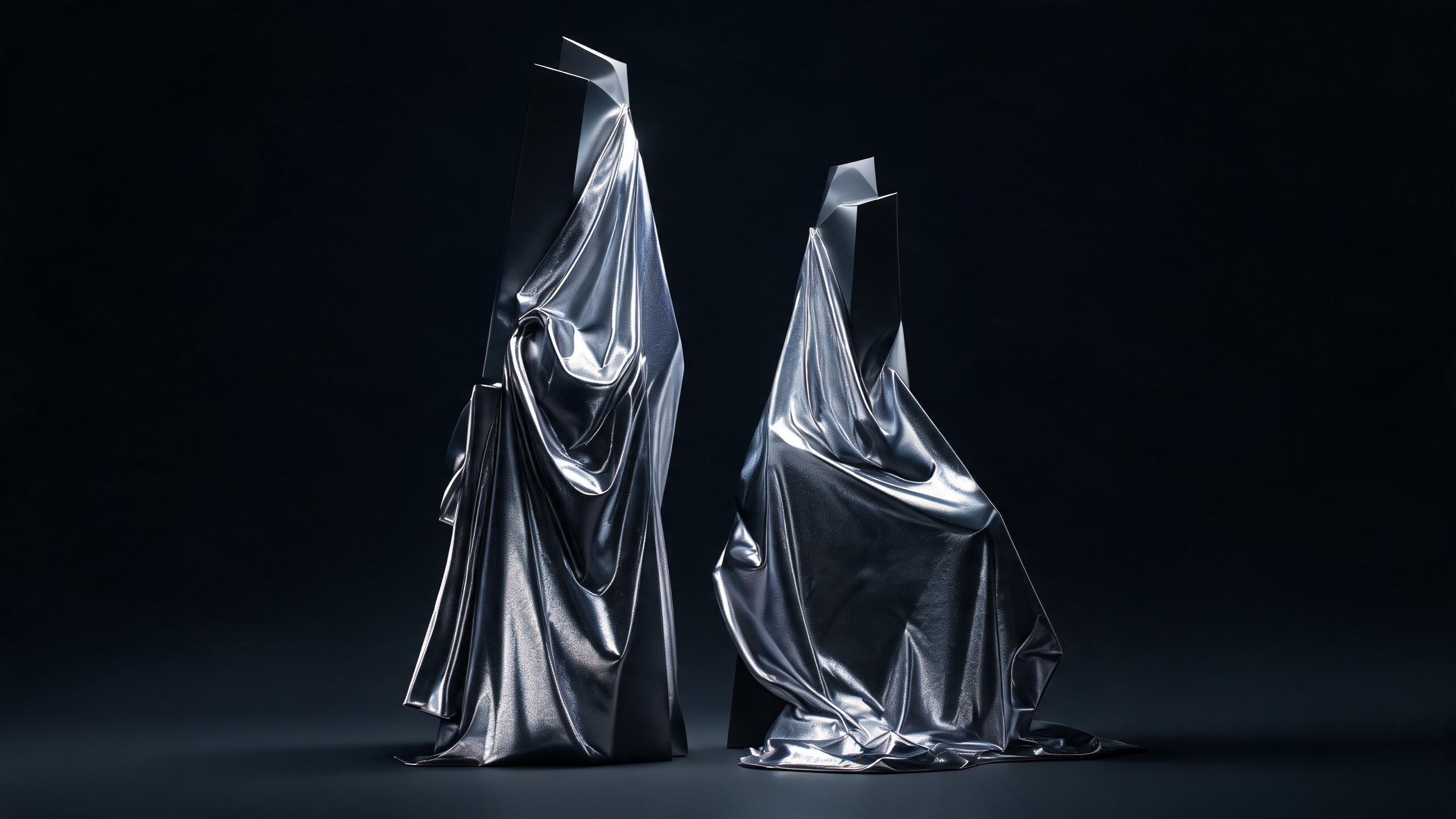
Hanifa continues to lead the industry in "direct-to-render" fashion. Anifa Mvuemba's latest collection reinforces the brand's position as a digital-native powerhouse that uses 3D design software to iterate on fit and silhouette before a single yard of fabric is cut. This approach minimizes waste and maximizes the architectural integrity of the garments. The updates show a focus on high-contrast color palettes and structural knits that exist simultaneously as digital assets and physical luxury goods.
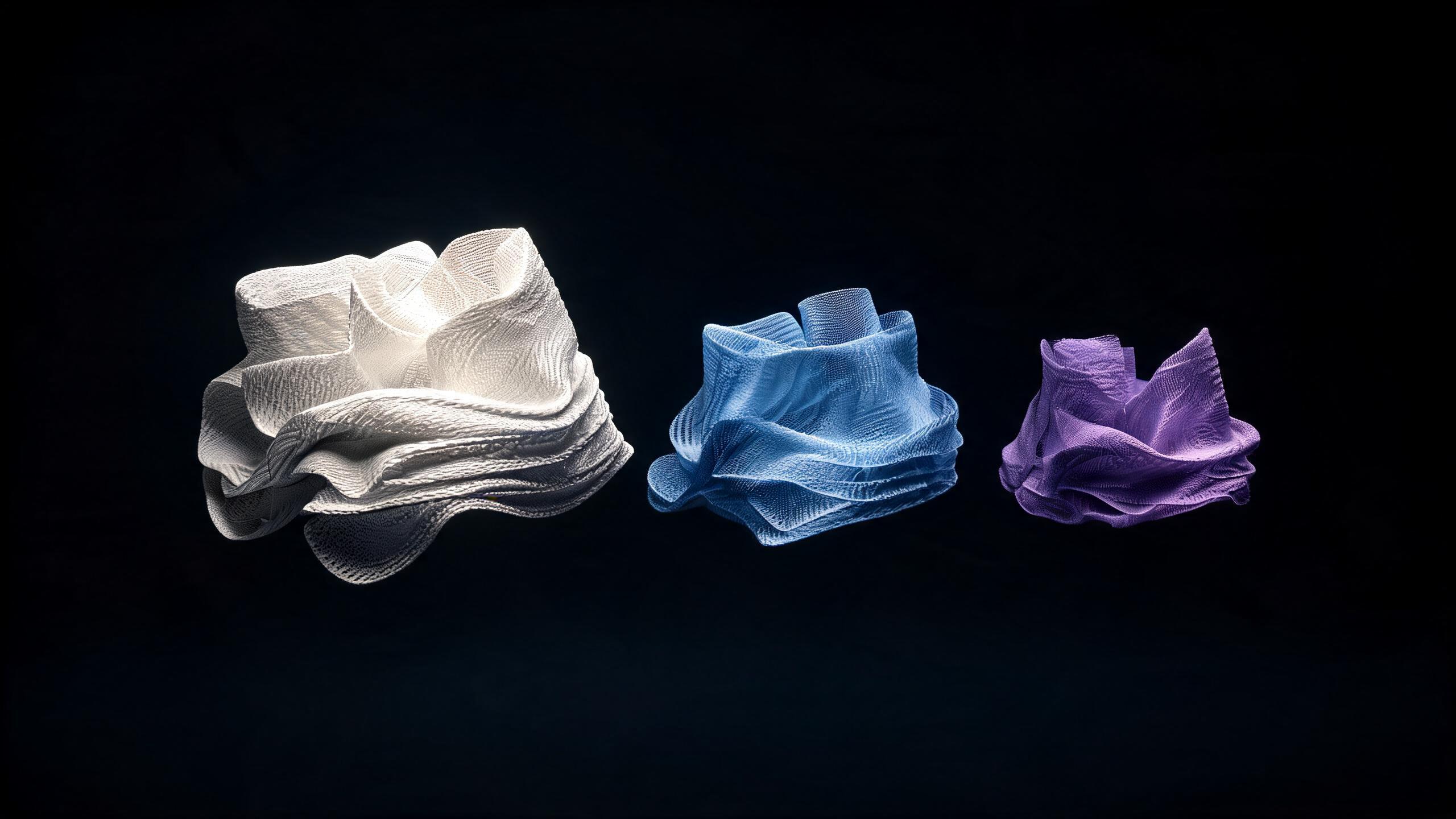
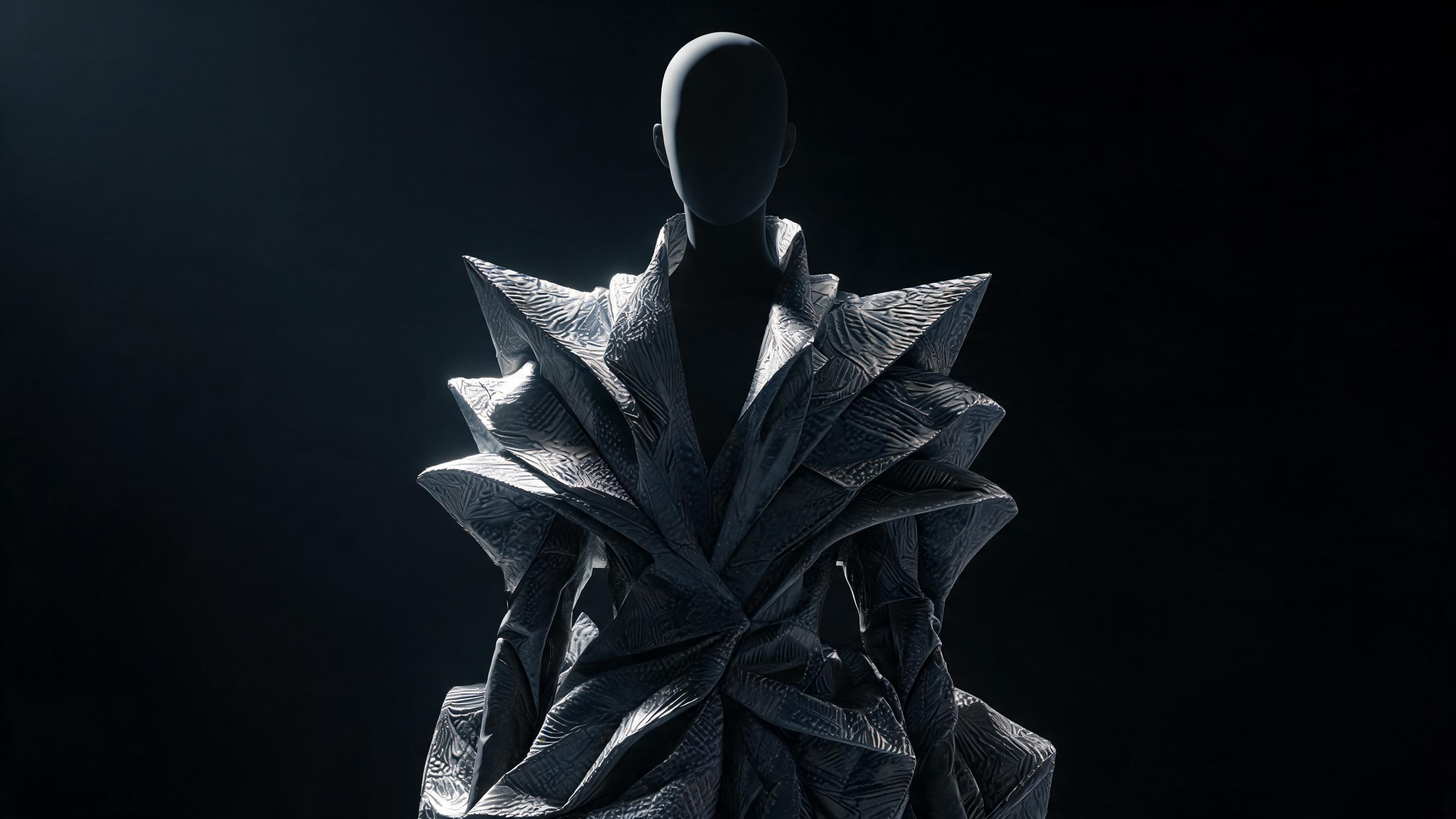
In sharp contrast, Giambattista Valli's latest presentation remains a masterclass in physical maximalism. The show updates highlight his signature use of tiered tulle, silk organza, and intricate floral appliqués. While Hanifa solves for the digital world, Valli solves for the biological world—creating volume that interacts with light and movement in ways that traditional algorithms struggle to replicate. The collection leaned into hyper-femininity, emphasizing the "handmade" nature of couture in an increasingly automated market.
According to McKinsey (2024), generative AI could add $150 billion to $275 billion to the apparel, fashion, and luxury sectors' operating profits over the next five years. This economic shift is visible in how these brands operate. Hanifa is capturing the efficiency of this digital transition, while Valli is doubling down on the scarcity of the human touch. Both are essential data points for any robust style model.
How Digital-First Design Redefines the Runway
Hanifa's reliance on CLO3D and other rendering tools allows for a level of precision that traditional draping cannot match. The show updates reveal garments with impossible structural integrity—hems that defy gravity and seams that align with mathematical perfection. This is not just a stylistic choice; it is a workflow optimization that allows the brand to move from concept to consumer at a velocity that traditional houses cannot achieve.
Why the Persistence of Tulle and Craft Matters
Giambattista Valli's updates remind the industry that fashion is a tactile, sensory experience. The weight of the tulle and the specific way it captures shadows is a form of high-fidelity data. For an AI to understand Valli, it must understand the physics of textiles, not just the aesthetic of the garment. This is the difference between a filter and a style model.
Why Does the Contrast Between 3D Design and Traditional Tulle Matter?
The gap between Hanifa's 3D-driven workflow and Valli's tulle-heavy craftsmanship represents the primary tension in modern fashion intelligence. Most recommendation engines treat these two brands as mere "tags" or "categories." They fail to understand the underlying structural logic. Hanifa is about geometry and efficiency; Valli is about volume and emotion.
This contrast is where current fashion tech fails. Apps suggest Valli to someone who likes "dresses," but they ignore the fact that a Valli customer might prioritize the theatricality of the silhouette over the actual utility of the garment. Conversely, a Hanifa customer might prioritize the clean, digital-forward lines that translate perfectly to a screen. These are distinct identity markers that require a dynamic taste profile to decode.
| Feature | Hanifa (Digital-Native) | Giambattista Valli (Heritage-Couture) |
| Primary Design Tool | 3D Rendering & CAD | Manual Draping & Sketching |
| Material Focus | Structural Knits & Technical Fabrics | Tulle, Organza, & Silk |
| Workflow | Software-to-Garment | Concept-to-Couture |
| Visual Language | Precision, Modernity, Architectural | Volume, Romance, Maximalism |
| Data Utility | High (Machine-readable patterns) | Moderate (Physics-dependent textures) |
According to Grand View Research (2023), the global 3D fashion design software market size is expected to expand at a compound annual growth rate (CAGR) of 9.2% through 2030. This growth confirms that the industry is moving toward Hanifa's model of production. However, the emotional resonance of Valli's work remains the benchmark for what "luxury" feels like in a post-digital world.
The Problem with Superficial Personalization
Most fashion platforms look at hanifa and giambattista valli show updates and see "trends." They see "bold colors" or "puffy sleeves." This is a shallow interpretation of style. Real personalization requires an AI that understands the structural intent of the designer. If you gravitate toward Hanifa, you aren't just buying a dress; you are buying into a specific digital-first aesthetic. If the AI doesn't know the difference between a 3D-rendered knit and a hand-draped silk, it isn't a stylist. It's a search engine.
How Does AI Translate High-Fashion Aesthetics into Personal Style Models?
AI should not just show you what Hanifa or Valli made; it should tell you how their design language fits into your life. The hanifa and giambattista valli show updates are raw data. A personal style model takes that data and filters it through your specific body measurements, lifestyle constraints, and historical preferences.
This is where the concept of a virtual fitting room becomes critical. For a brand like Hanifa, which is already designed in a 3D environment, the transition to a virtual try-on is seamless. The data is already there. For Valli, the AI must do more heavy lifting—it must simulate the complex physics of layered tulle against a user's unique frame.
From Static Recommendations to Dynamic Learning
A true AI stylist doesn't suggest a Valli gown because it's "trending." It suggests it because it has observed your reaction to volume and texture over time. It understands that your interest in Hanifa's structured silhouettes suggests a preference for clean lines and modern materials. The goal is to move beyond the "customers who bought this also bought" logic, which is a relic of 1990s e-commerce.
The Infrastructure of Taste
Fashion intelligence requires a deep understanding of garment construction. When you look at the hanifa and giambattista valli show updates, you see the end product. An AI-native system sees the vertices of a 3D model and the density of a textile. This infrastructure is what allows a system to accurately predict how a garment will make you feel, not just how it will look.
What Is the Future of Algorithmic Couture and Personal Intelligence?
The future of fashion is not a choice between the digital and the physical. It is a synthesis. We are entering an era where your AI stylist will use the design logic of Hanifa to optimize your daily wardrobe and the aesthetic inspiration of Valli to define your "peak" style moments.
The hanifa and giambattista valli show updates prove that the industry is bifurcating. On one side, we have the "Engineered Look"—hyper-efficient, digitally optimized, and perfectly fitted. On the other, we have the "Emotional Look"—extravagant, tactile, and intentionally inefficient. A sophisticated style model must navigate both.
Bold Prediction: The Rise of the Personal Style Twin
Within the next three years, every serious fashion consumer will maintain a high-fidelity digital twin. This twin will be used to "stress-test" the architectural designs of Hanifa and the voluminous silhouettes of Valli before a purchase is ever made. This will effectively end the era of "guess-work" shopping. You will know exactly how that tulle will sit on your hips because the AI has already simulated the physics.
Why Your Wardrobe Needs a System, Not a Store
Fashion apps currently function as digital catalogs. This is a broken model. You don't need more products; you need a system that understands what to do with them. Whether it's using AI to declutter or digitizing your closet to get dressed faster, the focus must shift from "buying" to "modeling."
How Does AlvinsClub Solve the Personalization Gap?
The current fashion landscape is flooded with noise. The hanifa and giambattista valli show updates are just two points in a sea of millions. Without an intelligent layer to filter this information, the user is left to chase trends that may or may not suit their identity.
AlvinsClub is the infrastructure that bridges this gap. We don't just show you clothes; we build a personal style model that learns your preferences at a structural level. By analyzing the design DNA of brands like Hanifa and Giambattista Valli, our AI understands the nuance of your taste. It knows if you prefer the precision of a 3D-modeled knit or the romanticism of tiered fabric.
This is not a recommendation engine. This is style intelligence.
AlvinsClub uses AI to build your personal style model. Every outfit recommendation learns from you. Try AlvinsClub →
Is your style a reflection of your identity, or just a result of the last algorithm you interacted with?
Summary
- Hanifa utilizes "direct-to-render" 3D design software to finalize fits and silhouettes before physical production to minimize material waste.
- Recent hanifa and giambattista valli show updates indicate the fashion industry is now defined more by technological infrastructure than by traditional price points.
- The hanifa and giambattista valli show updates highlight Hanifa's focus on high-contrast color palettes and structural knits that function as both digital assets and physical luxury goods.
- Giambattista Valli maintains a focus on physical maximalism, employing signature tiered tulle and silk organza to create volume that interacts with light and movement.
- While Hanifa prioritizes the digital landscape through software-first logic, Valli's artisanal craft focuses on intricate floral appliqués and complex textile mastery.
Frequently Asked Questions
What are the key Hanifa and Giambattista Valli show updates?
The recent presentations highlight a fascinating contrast between Anifa Mvuemba's digital-first 3D modeling and the voluminous tulle craftsmanship synonymous with the Valli atelier. These updates illustrate how the fashion industry is bridging the gap between technological innovation and traditional luxury artistry.
How does Hanifa use 3D design in fashion?
Hanifa utilizes advanced 3D software to create hyper-realistic digital prototypes that ensure precise fit and drape before any physical fabric is cut. This software-first logic allows the brand to visualize complex silhouettes and communicate its design language through virtual runway experiences.
Where can I find Hanifa and Giambattista Valli show updates regarding their latest materials?
Information on the latest material choices is available through official brand channels and fashion news outlets covering the intersection of tech and couture. These updates reveal a shift toward combining high-tech synthetic modeling with the legacy of artisanal textile mastery seen in high-volume gowns.
Why is Giambattista Valli famous for tulle?
Giambattista Valli is celebrated for his signature use of expansive tulle layers to create dramatic, cloud-like silhouettes that define modern high fashion. His mastery of this delicate fabric represents the peak of hand-crafted couture and traditional textile manipulation.
What do the Hanifa and Giambattista Valli show updates say about the future of fashion?
These updates suggest a future where the industry is defined by the technological infrastructure used to create style rather than just price points. The synergy between digital precision and artisanal craft proves that both methodologies are essential for the evolution of global fashion.
Can 3D modeling replace traditional couture techniques?
3D modeling offers incredible efficiency and precision for modern designers, but it typically complements rather than replaces the tactile expertise found in traditional couture. Both disciplines now coexist to push the boundaries of what is possible in textile engineering and garment construction.
This article is part of AlvinsClub's AI Fashion Intelligence series.
How the Hanifa and Giambattista Valli Show Updates Are Reshaping Consumer Buying Behavior and Retail Strategy
The cultural conversation sparked by the hanifa and giambattista valli show updates extends well beyond the runway. While most fashion coverage focuses on silhouette and fabrication, the more consequential story is happening in showrooms, e-commerce dashboards, and wholesale buyer meetings — where the downstream effects of these presentations are fundamentally altering how consumers discover, evaluate, and purchase fashion in 2024 and beyond.
The Data Behind the Digital Divide
Hanifa's 3D-first presentation model has generated measurable commercial advantages that traditional houses are now scrambling to replicate. Following Anifa Mvuemba's landmark 2020 digital show — which accumulated over 14 million views on social media within 48 hours — the brand reported a 300% spike in direct-to-consumer inquiries. More recent show updates have maintained that momentum, with Hanifa's website traffic spiking approximately 400–600% in the 72-hour window immediately following each digital presentation. This is not an aesthetic choice; it is a performance marketing strategy built into the garment development process itself.
Giambattista Valli operates within a different commercial framework, one anchored in the physical luxury retail ecosystem. His couture and ready-to-wear presentations at Paris Fashion Week consistently generate what industry analysts call "considered purchase intent" — slower conversion cycles, but significantly higher average order values, often ranging between €2,500 and €18,000 per piece. The hanifa and giambattista valli show updates illustrate that these are not competing models but parallel strategies optimized for entirely different consumer psychologies.
Three Actionable Lessons for Emerging Designers
Understanding how both houses operate provides a tactical blueprint for emerging designers trying to carve out market positioning. Here are three concrete lessons drawn directly from their most recent show updates:
1. Build your presentation format around your supply chain, not your aesthetic. Hanifa's approach to pausing production and scaling demonstrates that digital shows are engineered around made-to-order supply chains, which require minimal pre-production inventory. If your business model depends on low minimums and rapid iteration, a 3D-rendered presentation eliminates the costly sample-making phase while still generating documented consumer response data before production begins.
2. Use your show as a wholesale pre-screening tool. Giambattista Valli's Paris presentations function as curated buyer events disguised as public spectacle. Retailers from Bergdorf Goodman to Harrods use lookbook imagery and runway footage from shows like his to make net-60 buying decisions. If your target channel is wholesale department store placement, your show documentation — photography, video, detailed fabric notes — must meet the technical standards buyers use internally to justify purchase orders.
3. Create at least two content formats from every presentation. Hanifa consistently repurposes 3D render footage into Instagram Reels, behind-the-scenes design process content, and long-form YouTube documentation. Giambattista Valli's house converts runway footage into editorial lookbooks distributed through traditional fashion press and digital syndication. Both approaches maximize the ROI of a single creative event across multiple audience touchpoints, extending the commercial life of each collection launch by four to six weeks post-show.
The Sustainability Subtext Nobody Is Talking About
One underreported dimension of the hanifa and giambattista valli show updates is their divergent relationship to sustainability — and how each brand's approach is beginning to influence regulatory conversations in the European and American fashion markets.
Hanifa's render-first methodology directly reduces fabric waste at the prototyping stage. Industry estimates suggest that traditional fashion sampling generates between 15% and 20% of a collection's total material waste before a single retail unit is sold. By completing design iteration digitally, Hanifa effectively eliminates this category of waste entirely. As the EU prepares to implement its Ecodesign for Sustainable Products Regulation (ESPR) framework — which will require fashion brands operating in European markets to provide digital product passports for textiles by 2026 — Hanifa's existing digital infrastructure positions it years ahead of compliance requirements that will cost traditionally structured brands millions to retrofit.
Giambattista Valli's couture house, meanwhile, represents a different sustainability argument: the longevity model. Couture garments are designed and constructed to last decades, often entering private collections or being preserved by cultural institutions. A single Valli gown purchased in 2024 carries an expected use life that renders its per-wear environmental footprint dramatically lower than fast fashion alternatives. Smart textiles and advanced fabric innovations are increasingly influencing how luxury houses communicate material provenance and durability. His show updates have increasingly incorporated language around provenance — naming the ateliers, the artisans, and the regional textile mills involved in production — a transparency strategy that aligns with growing consumer demand for traceable supply chains.
What Retail Buyers and Stylists Should Watch Next
For retail buyers tracking both brands, the most strategically significant element of upcoming hanifa and giambattista valli show updates will be how each house responds to the accelerating normalization of AI-assisted design tools. Hanifa is positioned to integrate generative design software into its existing 3D workflow with minimal disruption. Giambattista Valli's house will likely use AI as a pattern-matching and textile-sourcing tool rather than a creative lead, preserving the handcraft identity that justifies couture pricing.
Stylists sourcing for editorial and red carpet work should note that Hanifa's pieces increasingly photograph with a hyperreal precision — deep color saturation and sculptural structure that reads powerfully in both digital and print formats — making them strong candidates for magazine covers and streaming platform press campaigns. Valli's embellished volumes and tulle constructions continue to dominate awards season dressing, particularly for clients seeking a maximalist couture vocabulary with significant name recognition among legacy fashion audiences.
Both trajectories confirm what the most recent show updates have been signaling for consecutive seasons: the future of high fashion is not a single lane but a strategically segmented highway, where digital-native precision and artisanal legacy can simultaneously thrive by serving different consumer intentions with equal levels of sophistication and commercial intelligence.
Related Articles
- Beyond the Virtual Runway: Why Hanifa Pauses Production to Reset and Scale
- Beyond the Front Row: Inside Gucci and Demna’s Virtual Reality Show
- How Smart Textiles Stole the Spotlight at the Latest Demna and Gucci Shows
- Zendaya at Louis Vuitton: Using AI to Separate Style from Wedding Rumors
- The 2026 Fashion Forecast: Thierry Dreyfus and the New Immersive Show Tech