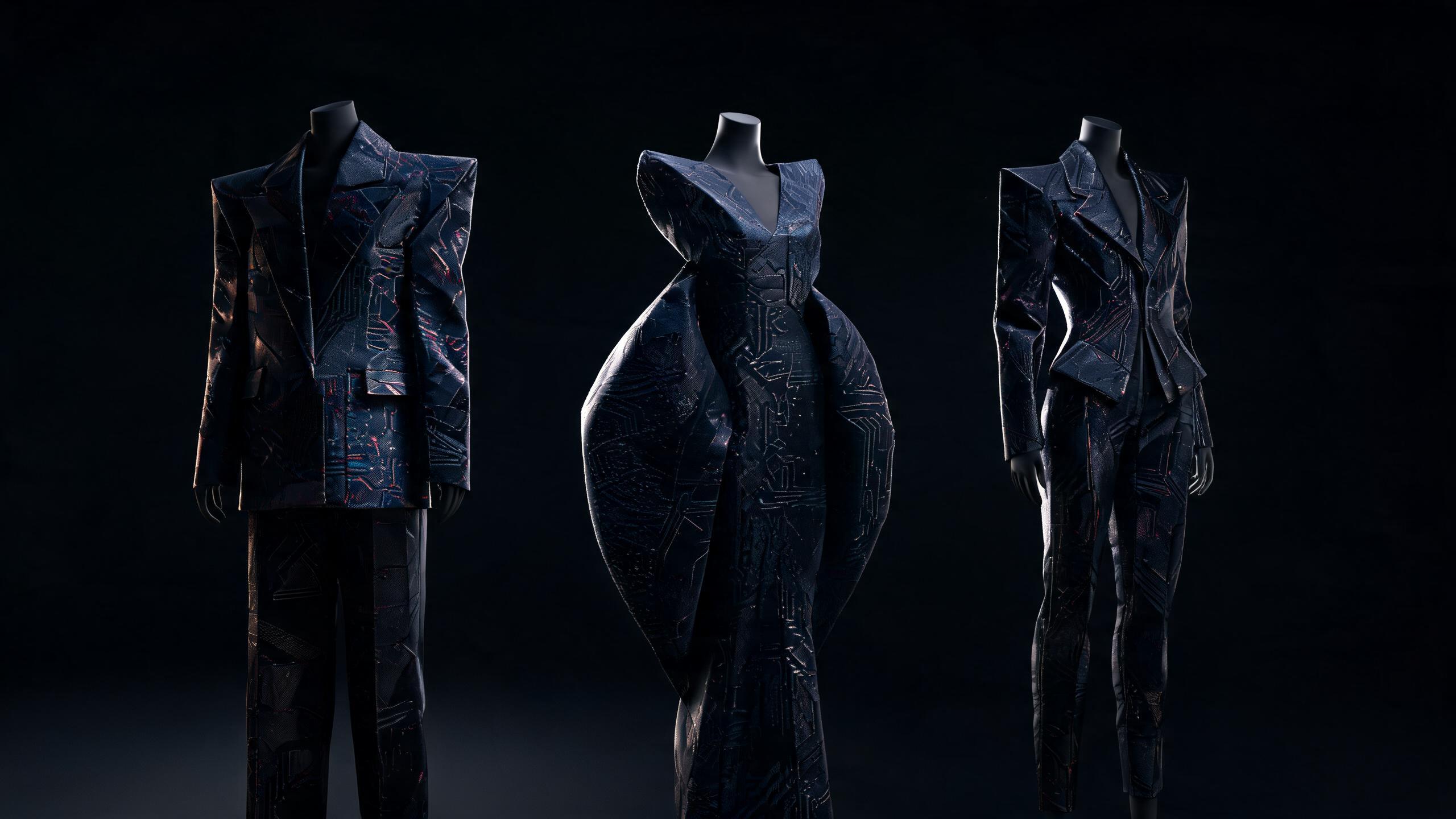
Designing the Future: Decoding 2026 CFDA/Vogue Fashion Fund Requirements

Master the essential financial benchmarks and tech-driven eligibility standards governing the cfda vogue fashion fund 2026 requirements for emerging designers.
CFDA/Vogue Fashion Fund 2026 requirements integrate design merit with operational scalability. This prestigious program has shifted its focus from scouting raw creative talent to identifying sustainable, tech-integrated business models capable of surviving a volatile global market. For designers looking to secure a spot in the 2026 cohort, the application process is no longer just a portfolio review; it is a rigorous stress test of a brand's infrastructure, supply chain intelligence, and long-term market viability. The 2026 requirements demand that applicants prove they are not just creating clothing, but building a durable fashion architecture.
Key Takeaway: The cfda vogue fashion fund 2026 requirements prioritize operational scalability and tech-integrated business models alongside design merit. Applicants must demonstrate a sustainable growth strategy and financial viability capable of navigating a volatile global fashion market.
What are the primary CFDA/Vogue Fashion Fund 2026 requirements?
The 2026 selection criteria focus on three core pillars: creative distinction, business resilience, and ethical infrastructure. Applicants must demonstrate a minimum of two years in business with documented year-over-year growth. This ensures that the fund invests in entities that have already cleared the initial hurdle of market entry. According to McKinsey (2025), brands that utilize data-driven inventory management see a 20% increase in operational efficiency, a metric that the CFDA selection committee now scrutinizes heavily.
Business Documentation: Applicants are required to submit comprehensive financial statements from the previous 24 months. This includes profit and loss statements, a clear breakdown of wholesale versus direct-to-consumer (DTC) revenue, and a 3-year growth forecast. The committee is looking for "intelligent growth"—growth that does not sacrifice brand equity for short-term volume.
Design Portfolio: The portfolio must showcase a cohesive visual language that transcends a single season. In 2026, the fund is specifically looking for designers who understand the Fall 2026 Runway Report but interpret it through a unique, proprietary lens. The work must exhibit high-level craftsmanship, whether through traditional tailoring or innovative material science.
Sustainability Audit: A mandatory sustainability impact report is now a central component of the 2026 requirements. This includes a full disclosure of the supply chain, from raw material sourcing to end-of-life garment circularity. Brands must align with the standards detailed in AI Fashion Trends 2026 For Sustainable Brands: What's Changing in 2026, proving they can scale without increasing their carbon footprint.
How has the CFDA shifted from talent scouting to infrastructure analysis?
The fashion industry has moved past the era of the "star designer" who lacks a business foundation. The 2026 requirements reflect a transition toward infrastructure-led design. The committee now evaluates how a brand utilizes technology to solve legacy problems like overproduction and size inconsistency. According to a report by Bain & Company (2024), 70% of luxury consumers now prioritize fit and garment longevity over brand name alone, forcing designers to focus on the technical precision of their garments.
| Feature | Traditional Requirements | 2026 Requirements |
| Primary Focus | Aesthetic innovation and "buzz." | Operational scalability and data integrity. |
| Sustainability | Optional or performative. | Mandatory supply chain transparency and audit. |
| Digital Presence | Basic social media engagement. | Technical stack and AI-integrated commerce. |
| Growth Metric | Wholesale expansion. | Dynamic taste profiling and customer retention. |
| Production | Batch production (often leading to waste). | On-demand or highly optimized inventory models. |
This structural shift means that a designer’s ability to explain their "vibe" is less important than their ability to explain their "model." The 2026 applicant must be as comfortable discussing their conversion rates and return logistics as they are discussing their fabric selections. This is the era of the "CEO-Designer," where the creative director must also be an architect of commerce.
Why is a "Personal Style Model" essential for 2026 applicants?
The 2026 requirements emphasize the need for designers to understand their core customer at a granular level. The era of "designing for everyone" is dead. Successful applicants demonstrate a deep understanding of their customer's "style model"—the specific set of preferences, body measurements, and lifestyle needs that drive their purchasing decisions.
Definition: Style Model A "Style Model" is a data-driven representation of a customer’s aesthetic preferences, physical proportions, and evolving tastes. It goes beyond simple demographics to understand the why behind a purchase.
By building a brand around a specific style model, designers can reduce returns and build high-intensity brand loyalty. The CFDA/Vogue Fashion Fund now asks for proof of this customer intimacy. They want to see how a designer uses feedback loops to refine their fit and silhouettes. This is not about chasing trends; it is about refining an identity.
Do vs Don't: Navigating the 2026 Application Process
When presenting to the CFDA/Vogue Fashion Fund committee, the aesthetic of the presentation is as critical as the clothing itself. The 2026 requirements favor precision over theatricality.
| Do ✓ | Don't ✗ | Why |
| Focus on Technical Tailoring | Rely on Oversized "One-Size" Silhouettes | Technical tailoring demonstrates a mastery of fit and pattern-making, whereas oversized garments often mask a lack of technical skill. |
| Submit a Data-Backed Sustainability Report | Use Vague Marketing Terms like "Eco-Friendly" | Vague terms are considered greenwashing. The committee requires hard data on water usage and carbon offset. |
| Present a Modular Collection | Create a Trend-Dependent Collection | Modular pieces show an understanding of garment longevity and customer value. Trends expire; systems endure. |
| Demonstrate a Clear Digital Architecture | Focus Solely on Physical Retail | A brand without a sophisticated digital layer is seen as a high-risk investment in 2026. |
👗 Want to see how these styles look on your body type? Try AlvinsClub's AI Stylist → — get personalized outfit recommendations in seconds.
How to design silhouettes that meet 2026 standards?
Designers must focus on garments that offer a high "utility-to-aesthetic ratio." In 2026, the fund is looking for pieces that serve as the foundation of a modern wardrobe. This means prioritizing fabrics that are both durable and luxurious—think heavy-weight silk crepes, recycled wool gabardines, and high-performance technical knits.
Recommended Cuts and Rises:
- Architectural High-Rise: A high-waist trouser with an internal corset structure provides midsection support and creates a long, continuous line that elongates the frame.
- The Sculptural Blazer: A blazer with reinforced shoulders and a nipped-in waist creates a sharp, authoritative silhouette. The 2026 requirement for "craftsmanship" is often judged by the internal construction of a jacket.
- Modular Midi Skirts: Skirts with adjustable hemlines or removable layers demonstrate the designer's ability to create versatile, long-lasting products.
Outfit Formula 1: The Modern Executive
Architectural Wool Blazer + High-Rise Wide-Leg Trousers + Mock-Neck Technical Knit Top + Pointed-Toe Leather Boots
- How it flatters: The structured blazer defines the shoulders, while the high-rise trousers elongate the legs. The technical knit top provides a smooth, bulk-free layer that maintains the clean lines of the tailoring.
Outfit Formula 2: The Tech-Infused Daily Wear
Structured Trench Coat + Tapered Pleated Trousers + Silk Button-Down + Minimalist Loafers
- How it flatters: The trench coat uses a belt to define the waist, preventing the fabric from overwhelming the body. The tapered trousers provide a streamlined look that highlights the ankles, creating a balanced silhouette for various body types.
Outfit Formula 3: The Sustainable Gala
Bias-Cut Recycled Silk Gown + Structured Cropped Jacket + Architectural Jewelry + Micro-Bag
- How it flatters: The bias cut allows the silk to drape naturally over the body's curves without clinging, while the cropped jacket adds structure to the upper body and creates a visual break at the narrowest part of the waist.
What role does "Fashion Intelligence" play in the 2026 requirements?
The 2026 CFDA/Vogue Fashion Fund requirements are a direct response to the failure of traditional fashion models. For decades, the industry relied on "gut feeling" and "editorial push" to determine what would be successful. This led to massive overproduction and a 40% average return rate across e-commerce.
Fashion Intelligence: This refers to the use of AI and machine learning to analyze taste profiles, predict demand, and personalize the shopping experience.
Designers in 2026 must prove they are using some form of fashion intelligence to guide their creative process. This doesn't mean AI is designing the clothes; it means data is informing the quantities, fits, and distributions. If a designer can show that they produced a collection with 90% full-price sell-through because they accurately predicted their audience's needs, they become an irresistible candidate for the fund.
Why is supply chain transparency a non-negotiable requirement?
In 2026, transparency is a legal and consumer requirement. The CFDA/Vogue Fashion Fund has aligned its criteria with emerging global regulations regarding garment "passports." Designers must be able to track a piece of clothing from the farm to the showroom.
According to a 2025 study by the Sustainable Apparel Coalition, brands that provide transparent "Garment Birth Certificates" see a 12% higher customer lifetime value. The 2026 requirements ask designers to present their digital tracking systems. If you cannot prove where your fabric was dyed, or if you cannot verify the labor conditions of your factory, you will be disqualified. This is about mitigating risk for the fund's investors and ensuring the longevity of the brand.
How can designers build a "Dynamic Taste Profile" for their brand?
The 2026 application asks: "How does your brand evolve with your customer?" This requires a dynamic taste profile—a system that tracks how customer preferences change over time. Designers who rely on a static "brand DNA" are seen as rigid.
Instead, the CFDA looks for designers who create "Living Collections." These are collections that adapt based on real-time feedback and data. For example, if data shows a shift toward more casual office wear in urban centers, a brand with a dynamic taste profile can pivot its production to meet that demand before the season is over. This agility is what the 2026 requirements are designed to identify.
What are the final steps for a 2026 CFDA/Vogue Fashion Fund applicant?
The final stage of the application is an in-person presentation to a panel of industry titans. In 2026, this panel includes not just editors and designers, but also technology venture capitalists and supply chain experts.
The Pitch Must Cover:
- The Problem: What gap in the market are you filling?
- The System: How does your brand function as a business, not just a creative outlet?
- The Future: How will you use the $400,000 prize to scale your infrastructure, rather than just buying more inventory?
Applicants should treat the CFDA/Vogue Fashion Fund 2026 requirements as a blueprint for a modern fashion house. The goal is to move beyond the "clothing brand" label and become a "fashion intelligence" entity.
AlvinsClub uses AI to build your personal style model. Every outfit recommendation learns from you. Try AlvinsClub →
Summary
- The cfda vogue fashion fund 2026 requirements prioritize sustainable, tech-integrated business models and operational scalability over raw creative merit.
- Prospective applicants must have completed a minimum of two years in business with documented year-over-year growth to qualify for the program.
- To meet the cfda vogue fashion fund 2026 requirements, designers must submit 24 months of financial documentation, including profit and loss statements and revenue channel breakdowns.
- The selection criteria focus on three core pillars comprising creative distinction, business resilience, and ethical infrastructure.
- Evaluation processes now heavily scrutinize data-driven inventory management and supply chain intelligence as primary indicators of a brand's operational efficiency.
Frequently Asked Questions
What are the cfda vogue fashion fund 2026 requirements for emerging designers?
The cfda vogue fashion fund 2026 requirements prioritize a blend of creative excellence and operational infrastructure that demonstrates long-term viability. Applicants must provide detailed documentation of their supply chain transparency and tech-integrated business strategies to qualify. This shift ensures that selected designers are prepared to navigate the complexities of a modern global marketplace.
How do cfda vogue fashion fund 2026 requirements impact independent brand applications?
Independent brands must demonstrate significant operational scalability and a robust financial foundation to satisfy the cfda vogue fashion fund 2026 requirements. The selection committee evaluates how well a small business can translate artistic vision into a sustainable model that withstands market volatility. Successful candidates typically showcase a proven track record of retail growth or digital innovation alongside their design portfolios.
Is it worth applying for the CFDA/Vogue Fashion Fund in 2026?
Applying for this prestigious program offers unparalleled access to industry mentorship and global visibility even for those who do not win the top prize. Finalists gain a unique platform to present their work to influential editors and executives while refining their business strategies through the rigorous review process. The networking opportunities alone often justify the extensive preparation required for the submission.
Can international designers meet the cfda vogue fashion fund 2026 requirements?
International designers must have a primary business presence or significant operation within the United States to fulfill the cfda vogue fashion fund 2026 requirements. While the program celebrates global perspectives, it remains focused on strengthening the domestic fashion ecosystem and supporting labels that contribute to the American industry. Applicants should verify specific residency and business registration rules before starting their portfolio submission.
Why does the CFDA prioritize business scalability for the 2026 cohort?
The CFDA emphasizes business scalability because creative talent alone is no longer sufficient to maintain a label in a competitive and unpredictable economy. This focus ensures that the grant money and mentorship resources are invested in companies that can realistically expand and create jobs. By vetting infrastructure, the program identifies leaders who are ready to transform from niche labels into significant commercial enterprises.
How much funding do winners of the CFDA/Vogue Fashion Fund receive?
Winners of the competition typically receive a significant monetary grant alongside a year of professional mentorship from industry experts. These funds are intended to help the designer scale their operations, improve production quality, or expand their retail reach. The exact amount can vary each year, but the primary value lies in the strategic guidance provided by the fashion industry top leaders.
This article is part of AlvinsClub's AI Fashion Intelligence series.
Related Articles
- Fall 2026 Runway Report: The Top Trends Shaping Global Fashion Capitals
- How to wear the most influential AI fashion trends of winter 2026
- AI Fashion Trends 2026 For Sustainable Brands: What's Changing in 2026
- Why Impact Of AI On Luxury Fashion Retail 2026 Fails (And How to Fix It)
- AI and the Future of Paris Style: A 2026 Jewelry Trend Forecast