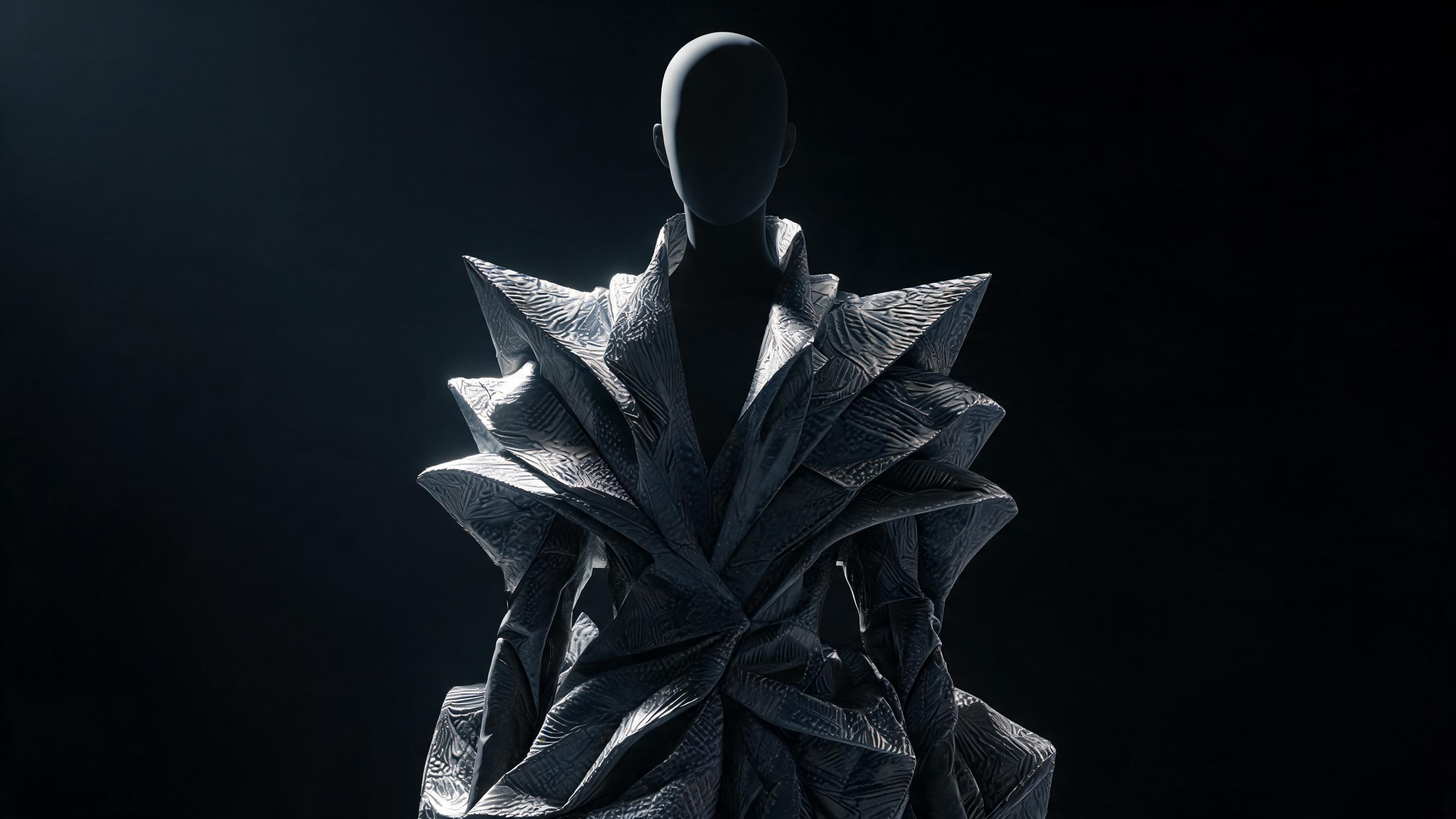
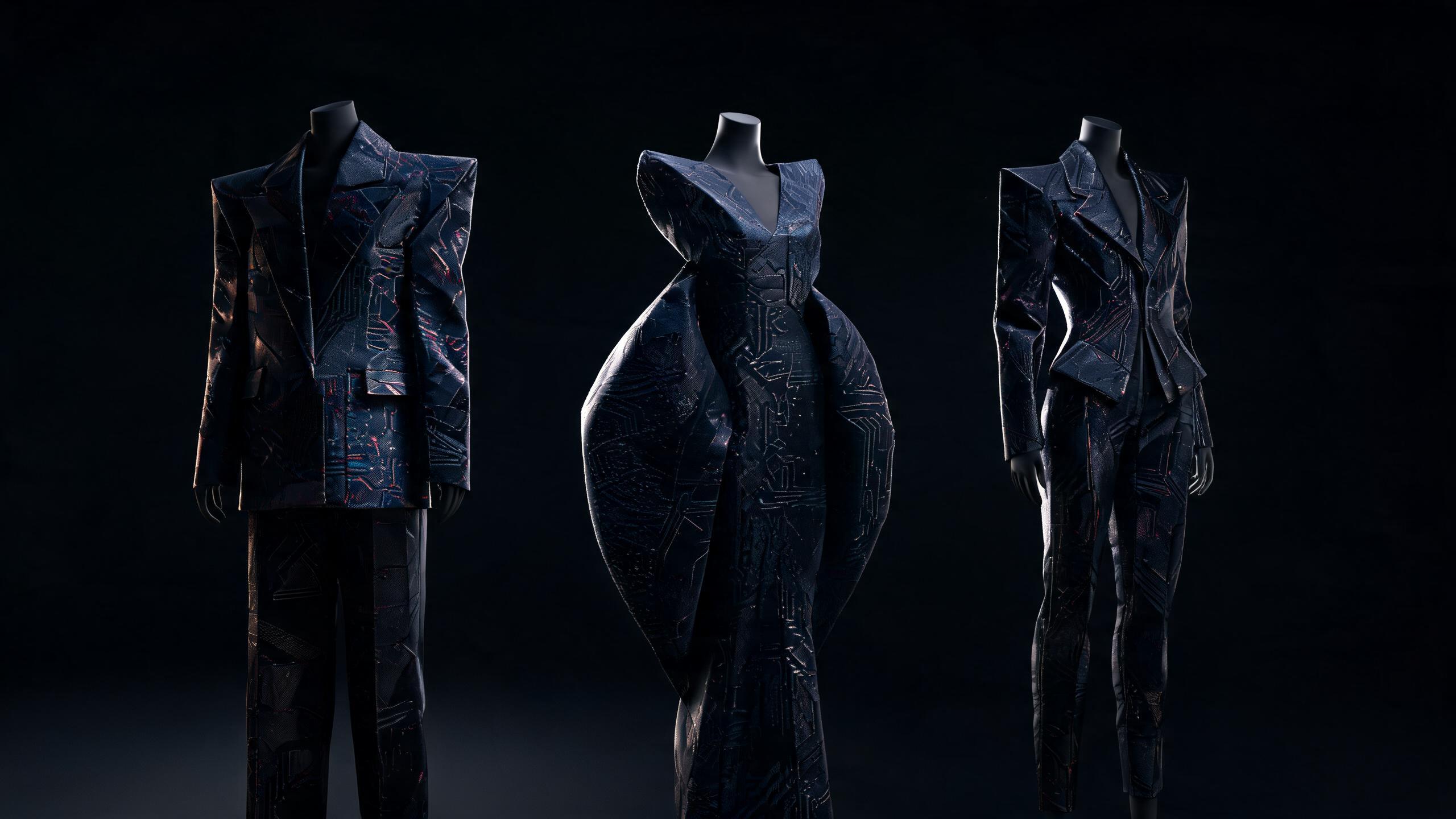
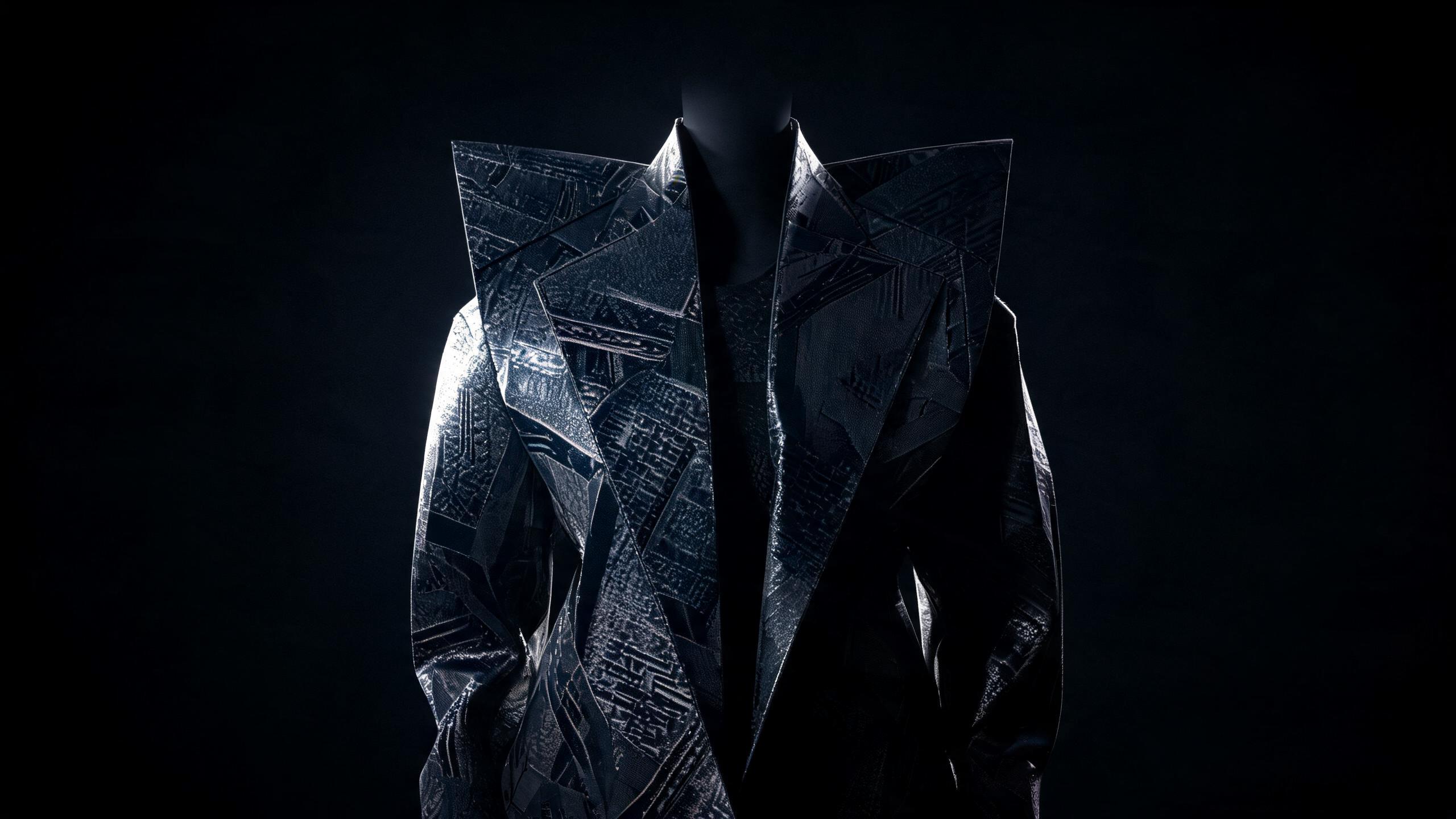
Demna’s Runway Outfits, Analyzed by AI

AI decodes Demna’s signature silhouettes, distorted proportions, material contrasts, and styling choices across his most influential runway collections.
Demna AI analyze runway outfit details refers to using artificial intelligence to identify, classify, and interpret garments, silhouettes, materials, colors, accessories, and styling choices in runway looks associated with designer Demna. The analysis converts visual features into structured insights, enabling comparisons across collections, with metrics such as color frequency, garment-category counts, or recurring-detail percentages.
Demna AI analyzes runway outfit details by decomposing each look into silhouette, proportion, material, color, layering, construction, and styling context.
Key Takeaway: Demna AI analyzes runway outfit details by breaking each look into silhouette, proportion, materials, color, layering, construction, and styling context, revealing how these elements create his distinctive visual language.
Demna’s Runway Outfits, Analyzed by AI
The runway is no longer just a sequence of images; it is a dataset of design decisions that AI can inspect, classify, and compare.
That distinction matters because Demna’s work resists shallow description. A look may appear simple in a photograph, yet its effect depends on several interacting variables: an exaggerated shoulder, a deliberately altered hemline, a tension between formal and distressed materials, a recognizable styling code, or a proportion that makes familiar clothing feel unfamiliar.
A human viewer often summarizes the result with a mood: severe, ironic, oversized, subversive, elegant, unsettling. An AI system can go further. It can identify the visible components behind that mood and connect them to a person’s existing wardrobe, body preferences, color history, spending patterns, and tolerance for experimentation.
This is the real significance of using AI to analyze Demna’s runway outfit details. The goal is not to reproduce a designer’s look or turn runway fashion into a shopping list. The goal is to understand how a visual language is constructed, then translate that language into decisions an individual can actually wear.
What Happened: Why Demna’s Runway Looks Became an AI Analysis Problem
Demna’s runway work has consistently generated attention because it treats fashion as a system of references rather than a sequence of isolated garments.
Tailoring can be pushed toward caricature. Eveningwear can be stripped of expected refinement. Sportswear can be elevated through scale, fabrication, or context.
Familiar wardrobe pieces can retain their identity while being repositioned through styling.
This makes the outfits unusually suitable for structured analysis. A runway image contains several layers of information:
- Garment category: coat, blazer, dress, hoodie, shirt, trousers, skirt, footwear, accessory.
- Silhouette: narrow, columnar, boxy, cocooned, fitted, dropped, oversized, sculptural.
- Proportion: shoulder width, torso length, rise, hem position, sleeve volume, visual center of gravity.
- Material appearance: matte, glossy, distressed, sheer, textured, rigid, fluid, reflective.
- Color relationships: monochrome, complementary contrast, tonal layering, accent color, muted palette.
- Layering logic: what sits over what, where volume accumulates, and which layer controls the outline.
- Styling behavior: tucked, untucked, cinched, open, closed, exposed, concealed, deliberately misaligned.
- Context: runway styling, editorial presentation, streetwear reference, formalwear reference, subcultural signal.
A conventional fashion search engine usually handles only the first layer. It sees a blazer and retrieves blazers. That is not enough to explain why a particular Demna look works.
A stronger system must separate what the garment is from what the garment does.
A large blazer may function as a shoulder amplifier. A long coat may function as a vertical frame. A distressed finish may function as a disruption against otherwise formal tailoring.
A tiny bag may function as a scale contrast rather than a practical storage object.
The analysis becomes useful when AI describes those functions instead of merely naming products.
Runway outfit analysis: The structured interpretation of a fashion look through its garments, proportions, materials, colors, construction, styling choices, and visual relationships, with the aim of explaining both what appears in the outfit and why the combination produces its effect.
How Does AI Analyze Demna Runway Outfit Details?
AI does not understand a runway look through one magical visual judgment. Reliable analysis comes from a pipeline of smaller tasks.
1. Image segmentation identifies the visible components
The first task is to divide the image into meaningful regions.
A system distinguishes the person from the background, then separates clothing from skin, hair, footwear, and accessories. It identifies overlapping garments and estimates where one layer ends and another begins.
This matters because runway outfits frequently rely on partial visibility. A shirt collar may appear above a jacket. A knit may extend below a cropped outer layer.
A trouser leg may be hidden by a long coat. If the system treats the entire outfit as one undifferentiated object, it loses the layering logic.
Image segmentation also faces practical problems:
- Dark garments against dark backgrounds
- Reflective surfaces that resemble skin or metal
- Distressed materials that blur garment boundaries
- Oversized clothing that obscures the body
- Motion blur from runway photography
- Unusual silhouettes that do not match standard apparel categories
The output is not a final interpretation. It is a visual map that allows later models to ask more precise questions.
2. Garment recognition labels categories and subcategories
The next layer identifies garment types.
A basic classifier might label a look as “jacket, shirt, trousers, boots.” A more useful model identifies subcategories and construction signals:
- Single-breasted or double-breasted blazer
- Cropped or elongated jacket
- Pleated or flat-front trousers
- Straight, tapered, flared, or pooling leg
- Structured or relaxed shoulder
- High-neck or open-collar top
- Pointed, square, or rounded footwear
- Soft, rigid, distressed, or polished surface
The distinction between category and construction is important. “Blazer” tells us what the garment is. “Longline, heavily structured blazer with an extended shoulder and low-button placement” begins to explain its visual role.
Fashion data systems need an ontology that reflects how people actually perceive clothing. Product databases often organize merchandise around retail attributes. Runway analysis needs attributes that describe shape, tension, hierarchy, and effect.
3. Proportion analysis measures relationships, not isolated dimensions
Proportion is where runway analysis becomes more sophisticated.
A system can estimate relationships such as:
- Shoulder width relative to hip width
- Jacket length relative to torso length
- Trouser rise relative to visible shirt area
- Hem position relative to the ankle
- Shoe scale relative to trouser volume
- Accessory size relative to the body and garments around it
These relationships matter more than generic labels like “oversized.”
Two outfits can both be oversized but communicate different ideas. One may enlarge the shoulders while keeping the trousers narrow. Another may enlarge the entire silhouette with long sleeves, broad trousers, and a low visual center.
The first creates architectural emphasis; the second creates bodily concealment and movement.
A useful AI analysis should therefore describe proportion as a relationship:
Proportion pattern: Extended outerwear over a narrow base creates a dominant vertical frame, while compact footwear prevents the look from becoming visually bottom-heavy.
That sentence is more actionable than “wear an oversized coat.”
4. Material analysis identifies contrast and hierarchy
Material is not decoration. It changes how shape is perceived.
A rigid fabric preserves structure. A fluid fabric collapses toward the body. A glossy surface catches light and enlarges the visual presence of an area.
A distressed finish introduces irregularity. A transparent layer exposes the construction beneath it.
AI can estimate material appearance from visual cues such as:
- Light reflection
- Surface texture
- Fold behavior
- Opacity
- Edge stiffness
- Wrinkling
- Compression and drape
- Repetition of weave or grain patterns
Runway images cannot always reveal exact fiber content, so the system should not claim certainty where the image provides only appearance. “Glossy synthetic-looking surface” is more defensible than declaring a fabric composition from one photograph.
Material analysis becomes most useful when it connects surface to styling function. A polished shoe beneath a distressed outfit creates a different reading than a similarly shaped shoe in a worn finish. A sheer layer over opaque tailoring introduces exposure without changing the underlying silhouette.
5. Color analysis goes beyond naming shades
Color recognition is easy at a basic level and difficult at a stylistic level.
An AI system can identify dominant colors, secondary colors, accents, and tonal relationships. It can also determine whether color is being used to:
- Flatten the silhouette through monochrome
- Separate layers through tonal contrast
- Pull attention toward one garment
- Create visual rhythm through repeated accents
- Establish tension between refined and utilitarian pieces
- Reduce the intensity of an exaggerated shape
Demna’s runway language often depends on the relationship between color and form. A highly exaggerated silhouette in a restrained palette can appear more severe than the same silhouette in multiple bright colors. Conversely, a familiar garment can feel more disruptive when color breaks the expected category.
This is why AI-powered color analysis should not replace judgment with a list of named shades. It should explain the role of color in the composition. Our analysis of AI-powered outfit color combinations versus traditional fashion advice explores this distinction in greater depth.
6. Context models interpret the look without confusing runway and real life
Runway styling is not the same as everyday dressing.
A runway look may include exaggerated posture, controlled lighting, deliberate hair and makeup, unusual footwear, or accessories selected for visual impact rather than use. AI must preserve the design logic while separating runway-specific amplification from portable wardrobe decisions.
This requires a context layer that asks:
- Which elements define the look’s identity?
- Which elements exist mainly for runway drama?
Which proportions can transfer to ordinary clothing? 4. Which details require adaptation for movement, climate, work, or social setting? 5. Which elements are personal taste signals rather than universal styling instructions?
Without this distinction, AI produces imitation. With it, AI can produce translation.
Why Does Demna’s Runway Language Matter for AI Fashion?
Demna’s work exposes a weakness in conventional recommendation systems: they tend to understand fashion as inventory rather than visual grammar.
A product recommendation system might know that a user clicked on oversized jackets, black boots, and distressed denim. It may then retrieve more items with those labels. But it does not necessarily understand that the user prefers:
- Strong shoulder lines
- Long vertical layers
- High contrast between polished and worn surfaces
- Minimal color variation
- Deliberate imbalance
- Clothing that creates distance from the body
- Familiar garments made strange through proportion
That deeper pattern is the difference between a product profile and a style model.
Fashion is relational, not categorical
People rarely like garments in isolation. They like what happens when garments interact.
A plain shirt can become compelling beneath an exaggerated jacket. A formal trouser can appear casual with a heavy sneaker. A simple dress can become severe through a long coat and a narrow shoe.
The same item can feel entirely different depending on the silhouette around it.
A recommendation system that stores only item-level preferences misses this. It records “liked black blazer,” but not “liked black blazer when it creates a strong shoulder over a narrow base.”
The unit of analysis must shift from product to relationship.
Personalization fails when it treats taste as a static tag
Many fashion platforms describe users with fixed categories: minimalist, streetwear, classic, edgy, feminine, casual, luxury.
These labels are too coarse for a personal style system. A person can prefer minimal color but maximal proportion. They can like formal tailoring in one context and loose utility clothing in another.
They can reject bright tops but enjoy bright footwear. They can change their tolerance for volume depending on season, mood, or environment.
Taste is better represented as a changing set of preferences with different confidence levels.
For example:
| Style signal | Observed preference | Confidence | Context |
|---|---|---|---|
| Color | Dark tonal palettes | High | Daily wear |
| Silhouette | Oversized outer layers | Medium | Cold weather |
| Footwear | Compact, structured shoes | Medium | Formal outfits |
| Material | Distressed surfaces | Low | Experimental looks |
| Layering | Long coat over narrow base | High | Evening and travel |
| Exposure | Covered torso, visible hands and ankles | Medium | Warm-weather outfits |
The point is not the exact table. The point is the architecture: a style model should represent preferences, evidence, context, and uncertainty, not a single permanent identity label.
What Can AI Extract from a Demna Runway Outfit?
A useful analysis should produce several outputs, each serving a different purpose.
Visual inventory
This is the literal description of the look:
- Outer layer
- Base layer
- Bottom
- Footwear
- Accessories
- Dominant colors
- Visible materials
This layer supports search and retrieval.
Structural analysis
This explains how the look is built:
- Primary silhouette
- Volume distribution
- Proportion balance
- Layer hierarchy
- Visual center of gravity
- Degree of symmetry
- Contrast between garments
This layer supports outfit generation.
Stylistic interpretation
This describes the signals communicated by the combination:
- Severe
- Utilitarian
- Formal
- Detached
- Playful
- Disruptive
- Restrained
- Theatrical
These descriptors should not stand alone. They need to be linked to visible evidence.
Transferable formula
This converts the runway look into an adaptable outfit structure.
For example:
Outfit Formula: Demna-inspired elongated tailoring
- Top: A close-fitting knit, clean shirt, or narrow base layer.
- Bottom: Straight or slightly relaxed trousers with a controlled hem.
- Outer layer: An elongated blazer or coat with a clear shoulder line.
- Shoes: Structured footwear with enough visual weight to anchor the length.
- Accessories: One compact, deliberate accent rather than multiple competing details.
This formula preserves the relationship between narrow base, dominant outer layer, and anchored lower proportion. It does not require copying a runway garment.
👗 See the trends Alvin's Club is picking for you this week. Open your feed →
What Does a Demna Runway Analysis Reveal About Personal Style?
The strongest use of runway analysis is not identifying what someone should purchase. It is discovering which design mechanisms they repeatedly respond to.
A personal style model can compare a user’s saved looks, uploaded outfits, and feedback against runway structures. It can then infer preference patterns that the user has never named.
For example, repeated engagement with Demna’s looks may indicate interest in:
- Scale distortion: familiar garments made larger, longer, shorter, or more compact.
- Formal-casual collision: tailoring combined with sportswear or utilitarian pieces.
- Controlled awkwardness: proportions that feel intentionally off rather than conventionally flattering.
- Material contradiction: polished surfaces beside worn, rough, or transparent ones.
- Low-chroma styling: restrained color used to emphasize silhouette.
- Accessory restraint: one object used as a focal point.
- Outerwear dominance: the coat or jacket controls the entire image.
- Body distance: clothing creates volume away from the natural body line.
These are actionable preferences. They help an AI stylist recommend a new combination from an existing wardrobe without reducing the person to “likes Balenciaga” or “likes oversized fashion.”
The system should learn from rejection, not only approval
A user’s dislikes often contain more information than their likes.
If a person saves oversized coats but rejects oversized trousers, the model should not conclude that they simply prefer “oversized.” It should infer a more specific rule: volume is preferred in the upper layer, while the lower half requires control.
If a user likes dark runway styling but rejects leather, the system should distinguish color preference from material preference.
If a user approves a dramatic look but never wears it, the model should reduce its confidence in high-theater recommendations for daily use.
Feedback should include:
- Save
- Wear
- Skip
- Reject
- Edit
- Rate
- Repeat
- Replace
- Context of use
Every interaction modifies the model. This is how an AI stylist genuinely learns instead of recycling a fixed editorial mood board.
How Should AI Translate Runway Outfits into Real Wardrobes?
Translation is where most fashion AI systems lose credibility.
A runway look is an input. The user’s wardrobe, body, climate, schedule, budget, and comfort are constraints. The output must satisfy both the visual objective and the practical conditions.
Preserve relationships, not exact garments
Suppose the defining relationship in a runway look is:
- Wide shoulder
- Long outer layer
- Narrow inner layer
- Controlled trouser width
- Dark tonal palette
A practical translation could use:
- A relaxed blazer already owned by the user
- A fitted turtleneck
- Straight trousers
- Minimal boots
- One tonal accessory
The result does not replicate the runway outfit. It preserves the architecture.
Adapt scale to the wearer’s wardrobe
AI should express proportions relative to the user’s existing clothes.
“Wear an oversized blazer” is incomplete advice. A more useful instruction is:
- Choose a blazer with a shoulder extending slightly beyond your natural line.
- Keep the base layer close to the torso.
- Avoid adding equal volume to the trousers unless the outfit is designed around full-body volume.
- Use a shoe with enough structure to stabilize the longer jacket.
This turns an abstract runway reference into an executable decision.
Match the recommendation to the user’s constraints
A system should know whether the user needs:
- Office compatibility
- Weather resistance
- Walking comfort
- Carrying capacity
- Minimal packing
- Formality
- Modesty
- Layering flexibility
- Easy maintenance
A visually accurate recommendation that ignores these constraints is not intelligent. It is image matching.
Identify the minimum viable change
The best recommendation often modifies one variable, not the whole outfit.
Possible interventions include:
- Replace a fitted jacket with a longer, more structured one.
- Keep the outfit monochrome but add a contrasting shoe.
- Tuck only the front of the shirt to alter the visual center.
- Swap a delicate shoe for a more architectural shape.
- Add a long coat over an otherwise ordinary outfit.
- Remove competing accessories so one proportion becomes legible.
This approach makes runway intelligence usable for people who are not trying to dress like a runway model.
Key Comparison: Traditional Runway Description vs AI Style Analysis
| Approach | Primary output | What it captures | What it misses | Best use |
|---|---|---|---|---|
| Editorial description | Mood and narrative | Cultural context, references, emotional effect | Precise garment relationships | Criticism and fashion writing |
| Product tagging | Item categories and attributes | Searchable inventory data | Styling logic and proportion | Retail retrieval |
| Visual similarity search | Images that look alike | Surface resemblance and palette | Personal relevance and wearability | Inspiration discovery |
| Rule-based styling | Predefined outfit combinations | Explicit formulas and constraints | Novel relationships and changing taste | Basic wardrobe assistance |
| AI runway analysis | Structured visual and stylistic model | Garments, proportions, materials, color, context | Hidden intent not visible in the image | Personal style intelligence |
| Personal style model | Evolving user-specific preferences | Taste patterns, feedback, context, wardrobe fit | Requires sustained user data | Continuous recommendations |
The critical distinction is between recognizing a look and understanding its logic.
A recognition system says, “This contains an oversized blazer.” A style intelligence system says, “The oversized blazer creates the dominant upper silhouette, so the narrow base layer and controlled trouser line prevent the outfit from becoming uniformly loose.”
The second statement can generate better recommendations.
What Are the Limits of AI Analysis of Demna’s Runway Outfits?
AI analysis has real limitations, and credible systems must state them clearly.
Images do not reveal everything
A photograph cannot reliably establish:
- Exact fabric composition
- True weight or hand feel
- Garment construction hidden beneath layers
- Movement behavior
- Comfort
- Internal tailoring
- Manufacturing quality
- The designer’s private intention
AI should describe visible evidence and calibrated inference. It should not present speculation as fact.
Runway images contain presentation bias
Lighting, camera angle, model posture, and runway movement affect perception. A coat may appear longer because of lens perspective. A color may shift under artificial lighting.
A garment may seem more voluminous because the model is standing in motion.
A robust system should compare multiple images where available and lower confidence when visual evidence conflicts.
Cultural and historical references require context
Demna’s work often draws from familiar social codes, uniforms, subcultures, and fashion histories. Image analysis can identify visual features but cannot fully explain the cultural meaning of a reference without external knowledge.
This is where multimodal AI needs disciplined retrieval and human interpretation. A visual model can detect a silhouette. A contextual model can connect it to design history.
Neither should flatten the reference into a generic “edgy” label.
Personal translation can become stereotype
If an AI sees a user engage with oversized black tailoring, it should not assume a fixed personality or lifestyle. Style preferences are not psychological diagnoses.
The model should describe clothing choices, not make claims about identity beyond the evidence.
Do vs Don’t: Translating Demna Runway Details into Everyday Styling
| Do | Don’t |
|---|---|
| Preserve one dominant proportion from the runway look | Copy every exaggerated element at once |
| Use a close base layer beneath a large outer layer | Add volume to every garment without hierarchy |
| Treat material contrast as a deliberate design tool | Mix surfaces randomly because they seem “edgy” |
| Keep the palette restrained when the silhouette is dramatic | Add bright accents that compete with the main shape |
| Adapt the formula to weather, movement, and context | Treat runway styling as practical by default |
| Let AI explain why the combination works | Accept a product list without structural reasoning |
| Train recommendations on your own feedback | Assume a designer’s aesthetic automatically fits you |
| Use one clear accessory as scale contrast | Add multiple accessories to imitate runway complexity |
The most important rule is simple: translate the design system, not the costume.
Why Fashion Recommendation Systems Still Miss This
Fashion recommendation systems have inherited assumptions from e-commerce.
They prioritize product availability, click history, category similarity, and commercial metadata. Those signals are useful for retrieval but weak for taste intelligence.
Product similarity is not outfit compatibility
Two products can look similar on a product page but behave differently in an outfit. A jacket’s actual usefulness depends on:
- Its shoulder structure
- Its length
- Its relationship to the user’s trousers
- Its interaction with the user’s shoes
- Its compatibility with existing layers
- Its visual weight
- Its repeatability across contexts
A system that recommends items independently forces the user to perform the hardest reasoning themselves.
Trend data overwhelms individual preference
Popularity signals are easy to collect and easy to optimize. They also make recommendation feeds converge.
When systems prioritize what receives broad engagement, they confuse social visibility with personal fit. The result is a cycle in which users see the same silhouettes, colors, and product types regardless of their deeper taste.
Demna’s runway looks expose the limitation because their value often lies in a specific relationship that mass trend labels cannot capture.
Static style quizzes produce brittle profiles
A quiz can ask whether someone prefers classic or contemporary clothing. It cannot fully identify whether they prefer:
- Classic garments with distorted proportions
- Contemporary silhouettes in neutral colors
- Formal pieces styled casually
- Minimal outfits with one disruptive element
- Oversized outerwear over close-fitting bases
The answers require observation over time. A personal style model should evolve from behavior, not depend on one session of self-description.
What Should AI Do Differently After Analyzing Demna’s Runway Outfits?
The next generation of fashion AI should treat runway analysis as a training signal for visual reasoning, not as a content-generation prompt.
Build a garment relationship graph
Each outfit can be represented as a graph:
- Nodes represent garments, accessories, colors, materials, and body regions.
- Edges represent relationships such as “layers over,” “contrasts with,” “balances,” “repeats,” “elongates,” or “anchors.”
- Weights represent visual importance and user preference.
This lets the system search for structural similarities rather than surface matches.
For example, a user may not need another black blazer. They may need an item that performs the same upper-body dominance function in a different material or category.
Store style preferences as vectors with context
A practical personal model should represent multiple dimensions:
| Dimension | Example preference |
|---|---|
| Silhouette | Strong outer layer, controlled lower half |
| Scale | Moderate-to-high volume above the waist |
| Color | Low-chroma, tonal combinations |
| Material | Matte base with occasional polished accent |
| Contrast | Formal and utilitarian combinations |
| Layering | Three visible levels when weather allows |
| Footwear | Structured, not delicate |
| Experimentation | High for proportion, lower for color |
| Context | Daily city wear and travel |
| Comfort | Requires mobility and moderate weight |
These preferences should change with evidence. A person’s travel wardrobe may favor different proportions from their evening wardrobe. A hot climate may reduce layering while preserving color and footwear preferences.
Generate alternatives, not one answer
An AI stylist should return a small set of interpretable options:
- Closest translation: preserves most of the runway structure.
- Wardrobe translation: uses existing items.
- Low-risk version: changes one proportion.
- High-experiment version: exaggerates the defining design feature.
- Context version: adapts the look for work, travel, or weather.
Each option should explain the tradeoff. This supports agency without abandoning intelligence.
Learn from the user’s edits
If the AI suggests a long coat and the user shortens the hem, that edit is evidence. If the user accepts the silhouette but rejects the shoe, that distinction should update the model.
Useful feedback is granular:
- Keep silhouette
- Change color
- Replace material
- Reduce volume
- Increase formality
- Make it warmer
- Make it easier to walk in
- Use only owned items
This is how the recommendation engine moves from broad inspiration toward personal precision.
What Does This Mean for AI Fashion in the Immediate Future?
The next phase of fashion AI will be defined by interpretability and continuity.
Consumers do not need another tool that produces attractive images without explaining how to wear them. They need systems that connect visual references to real decisions across days, contexts, and wardrobes.
Three developments follow directly from runway analysis.
Prediction 1: Runway intelligence will become a wardrobe translation layer
Runway collections will increasingly function as structured sources of design relationships. AI will identify recurring constructions and convert them into personal wardrobe prompts:
- Increase shoulder definition
- Reduce color contrast
- Lengthen the outer layer
- Add material tension
- Keep the lower half visually quiet
- Use one compact accessory to interrupt scale
The user will not need to search for a specific runway garment. The system will retrieve the underlying design move.
Prediction 2: Style models will replace broad aesthetic labels
Terms such as minimalist, streetwear, classic, and avant-garde will remain useful as cultural shorthand, but they are too blunt for personal recommendations.
The useful model will describe the user through behavior:
- Prefers vertical silhouettes
- Accepts volume in outerwear
- Rejects volume in trousers
- Likes dark palettes with one reflective surface
- Uses formal garments in casual contexts
- Wants experimentation without visual clutter
This is more precise, more adaptable, and easier to test against actual wear.
Prediction 3: Outfit feedback will become a continuous learning loop
The future stylist will not deliver a static capsule wardrobe and disappear. It will observe what the user chooses, edits, repeats, avoids, and wears.
That system will distinguish between:
- Aesthetic approval: “I like this image.”
- Practical approval: “I would wear this.”
- Behavioral proof: “I actually wore this repeatedly.”
- Contextual success: “It worked for the intended situation.”
This distinction will reduce the gap between inspiration and adoption.
Prediction 4: AI will analyze outfit details before it recommends products
The recommendation sequence will reverse.
Instead of starting with available inventory and asking where it fits, the system will start with the desired visual structure and ask which available items can produce it.
That is a major architectural change:
- Infer the user’s desired style objective.
- Decompose the objective into visual relationships.
Search the wardrobe and market for compatible components. 4. Generate several outfit structures. 5. Learn from the user’s response.
The product becomes evidence in a larger styling system, not the center of the system.
Our Take: Demna’s Runway Outfits Prove That Fashion AI Needs Better Models
The central mistake in fashion technology is treating personalization as a ranking problem.
Ranking asks which products should appear first. Personalization asks which visual decisions belong to a specific person, in a specific context, using a specific wardrobe, at a specific moment.
Demna’s runway outfits make this difference impossible to ignore. Their impact rarely comes from one isolated garment. It comes from proportion, contradiction, scale, material, and context working together.
Any AI that ignores those relationships will produce recommendations that are technically relevant and stylistically empty.
The correct unit of fashion intelligence is the outfit relationship.
An AI system should know that a long coat can replace several styling decisions at once. It should know that reducing color variation can make an unusual silhouette more wearable. It should know that a narrow shoe can sharpen a long trouser line, while a heavier shoe can stabilize it.
It should know that an oversized jacket may be the user’s preferred form of experimentation even if they reject bright color, unusual prints, and conspicuous accessories.
That level of understanding requires more than vision models. It requires memory, feedback, context, wardrobe awareness, and a representation of taste that can change.
Fashion apps recommend what is visible. A real AI stylist must understand what is yours.
How Can AI-Powered Fashion Intelligence Address This?
AI-powered fashion intelligence, like AlvinsClub, addresses this problem by building a personal style model rather than treating each outfit as an isolated recommendation. The system can interpret runway references through silhouette, proportion, color, materials, and layering, then connect those signals to individual preferences and wardrobe behavior. Every outfit recommendation learns from you, turning visual analysis into a continuously evolving style system. Try AlvinsClub →
Conclusion: Demna AI Analysis Shows Where Fashion Recommendation Is Going
Demna AI analysis is valuable when it moves beyond naming garments and explains the relationships that make a runway outfit work.
The most useful system will identify the silhouette, measure the proportion, interpret material and color contrast, separate runway drama from daily wear, and translate the result into choices that fit an individual’s wardrobe and context.
That is the difference between visual search and fashion intelligence.
Demna’s runway outfits are not merely images to imitate. They are structured examples of how clothing creates meaning through scale, tension, and combination. AI can analyze those details, but its real purpose is to help each person discover which design decisions belong in their own evolving style model.
The future of fashion AI is not more trend prediction. It is more accurate understanding of the wearer.
Summary
- Demna AI analyzes runway outfit details by breaking each look into silhouette, proportion, material, color, layering, construction, and styling context.
- AI analysis reveals how elements such as exaggerated shoulders, altered hemlines, distressed materials, and unconventional proportions create Demna’s distinctive visual language.
- Demna’s runway looks demonstrate that apparent simplicity often depends on interacting design variables that are difficult to capture through mood-based descriptions alone.
- Demna AI analyzes runway outfit details to connect runway design codes with an individual’s wardrobe, body preferences, color history, spending patterns, and willingness to experiment.
- The purpose of AI analysis is to translate Demna’s runway aesthetics into wearable personal decisions rather than simply reproducing a designer look or generating a shopping list.
Key Takeaways
- Key Takeaway:
- how a visual language is constructed
- Garment category:
- Silhouette:
- Proportion:
Frequently Asked Questions
What does AI analyze in Demna’s runway outfits?
AI analyzes Demna’s runway outfits by breaking each look into silhouette, proportion, materials, color, layering, construction, and styling context. This approach reveals how individual design choices combine to create a recognizable visual effect.
How does Demna use oversized silhouettes in runway fashion?
Demna uses oversized silhouettes to challenge conventional ideas of fit, balance, and elegance. AI comparisons can identify how exaggerated volume changes across collections and how it interacts with footwear, accessories, and posture.
Why does proportion matter in Demna’s runway looks?
Proportion matters because Demna often creates tension between oversized garments, elongated shapes, cropped layers, and narrow or bulky accessories. Analyzing these relationships helps explain why a look can feel deliberately awkward, modern, or visually confrontational.
Can AI identify the materials used in Demna’s runway clothing?
AI can estimate visible materials such as leather, denim, knitwear, tailoring fabrics, technical textiles, and distressed surfaces from runway images. Image analysis is useful for classification, but it may not reliably distinguish similar fabrics or reveal texture and weight without product or collection notes.
What role does layering play in Demna’s runway styling?
Layering adds depth, contrast, and visual narrative to Demna’s runway styling. AI can track how shirts, outerwear, dresses, trousers, and accessories overlap to identify recurring combinations and changes in styling intensity.
Is AI fashion analysis accurate for interpreting runway outfits?
AI fashion analysis is accurate for observable details such as color, garment categories, silhouette, and approximate proportions. It is less reliable when interpreting cultural references, designer intention, fabric quality, craftsmanship, or the emotional impact of a collection.
Why does color analysis matter in Demna’s collections?
Color analysis matters because restrained palettes, unexpected contrasts, and deliberate tonal shifts often shape the mood of Demna’s collections. Comparing runway images can show whether a collection emphasizes monochrome dressing, muted neutrals, vivid accents, or material-driven variation.
Can AI compare Demna’s runway outfits across different collections?
AI can compare Demna’s runway outfits across collections by measuring recurring features such as volume, length, color, material, layering, and styling. These comparisons can reveal persistent design signatures while also showing how his approach changes over time.
Related on Alvin's Club
- Browse featured fashion brands
- Meet the AI stylist that learns your taste
- Get AI-picked outfits for every occasion
About the author
Building the AI fashion agent at Alvin's Club — personal style models, dynamic taste profiles, and private AI stylists. Writing about where AI meets fashion commerce.
Credentials
- Founder at Alvin's Club (Echooo E-Commerce Canada Ltd.)
- Writes weekly on AI × fashion at blog.alvinsclub.ai
X / @alvinsclub · LinkedIn · alvinsclub.ai
This article is part of Alvin's Club's AI Fashion Intelligence series — the AI fashion agent that influences demand before shopping happens.
Related Articles
- AI-Powered Outfit Color Combinations vs Traditional Fashion Advice
- How to Upload Multiple Outfit Photos to Demna AI
- Demna AI Track Outfits: How to Calculate Cost Per Wear
- Demna AI Outfit Recommendations for Effortless Travel Style
- How to Use Demna AI for Celebrity-Inspired Outfit Ideas
- Demna AI Outfit Feedback: Traditional Styling vs Machine Learning
- Demna AI Privacy Policy: Traditional vs AI-Powered Fashion
- How Demna AI Turns Fashion Ideas Into Complete Outfit Concepts
- Demna AI vs Traditional Sale Alerts: Which Finds Fashion Deals Faster?
- The Best AI Tools for Recommending Sustainable Fabric Alternatives
- Can AI Predict How Long a Clothing Item Will Last?
- Finding Garment Repair Services: Demna AI or Local Tailors?