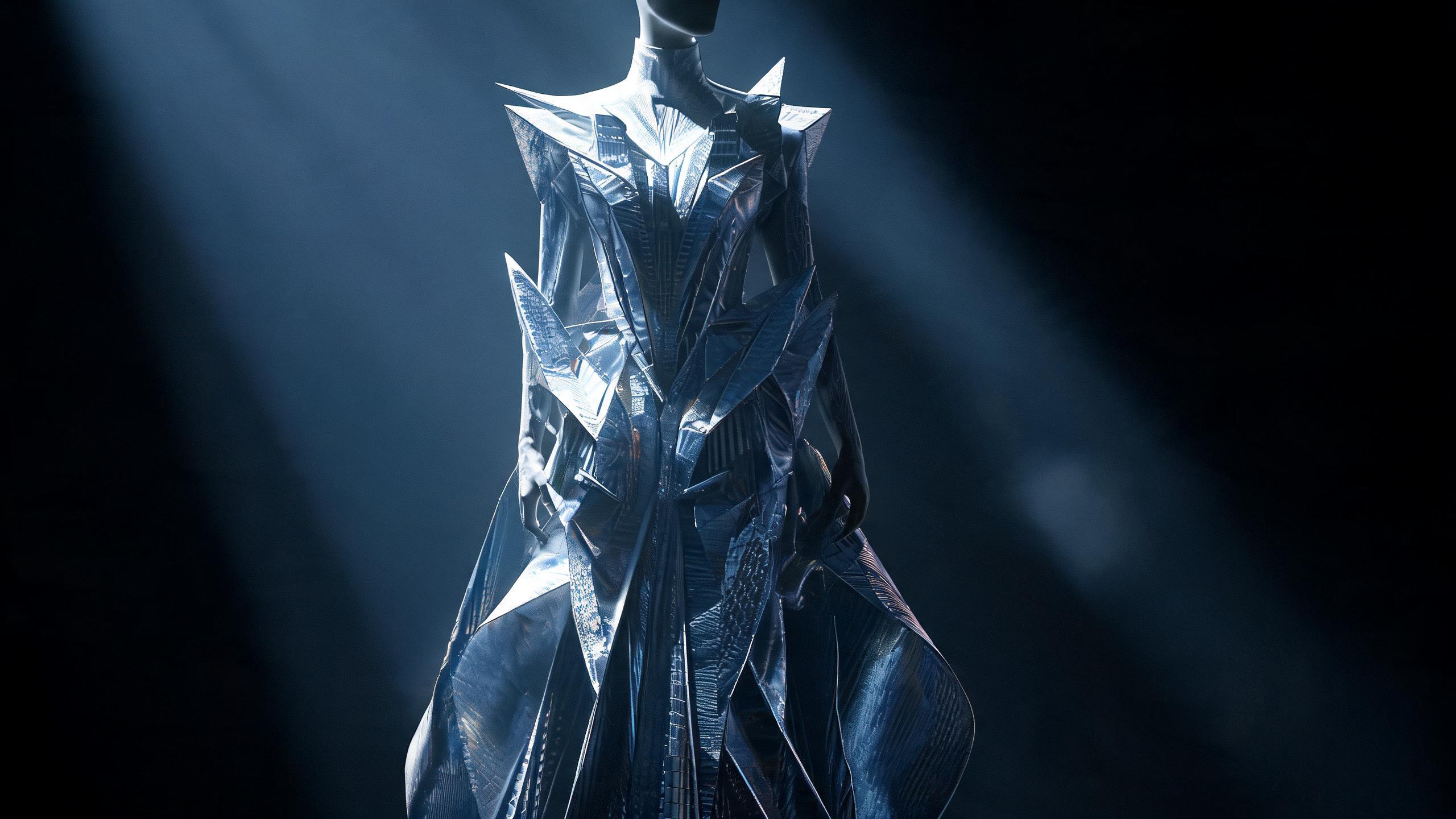
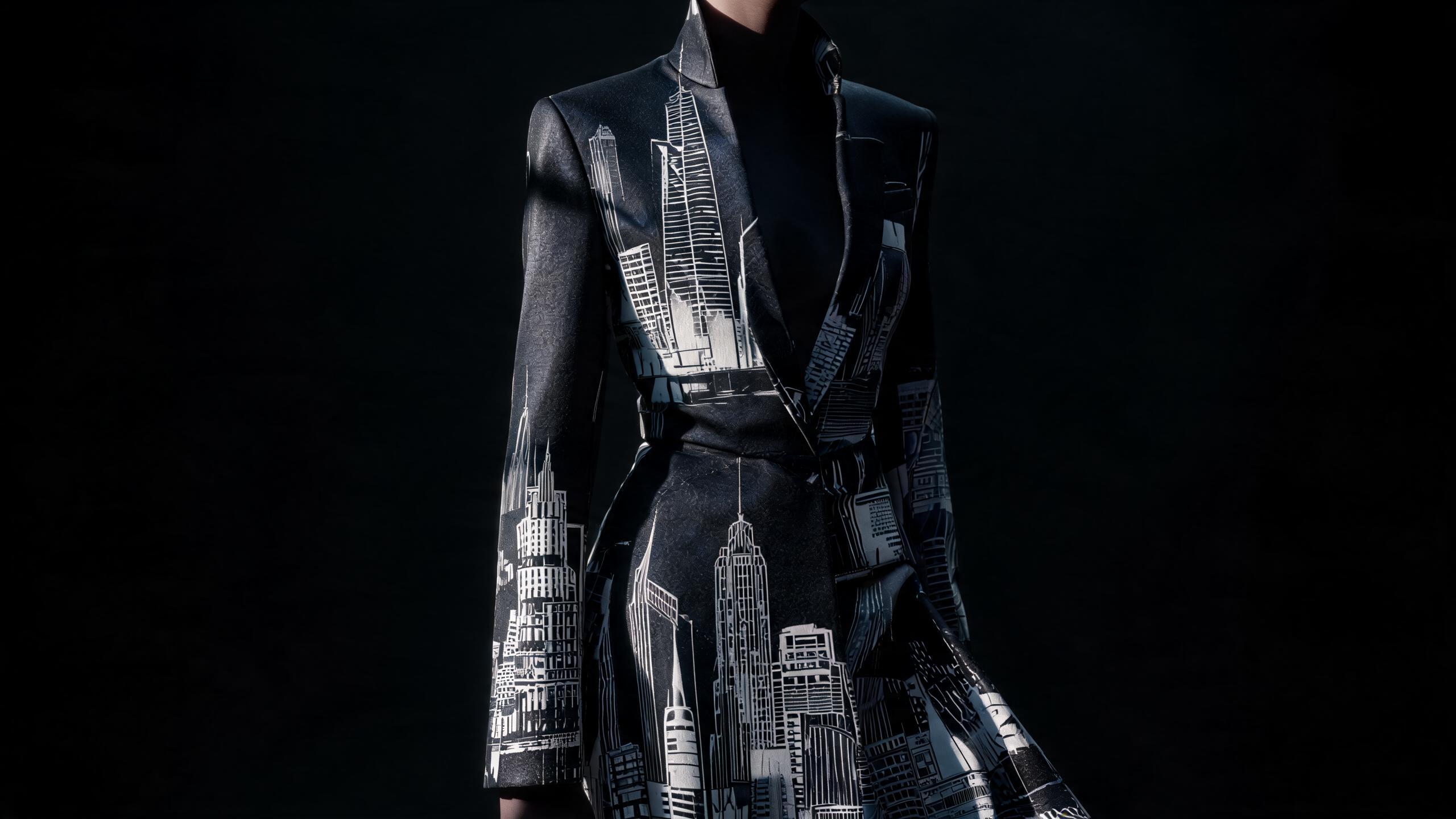
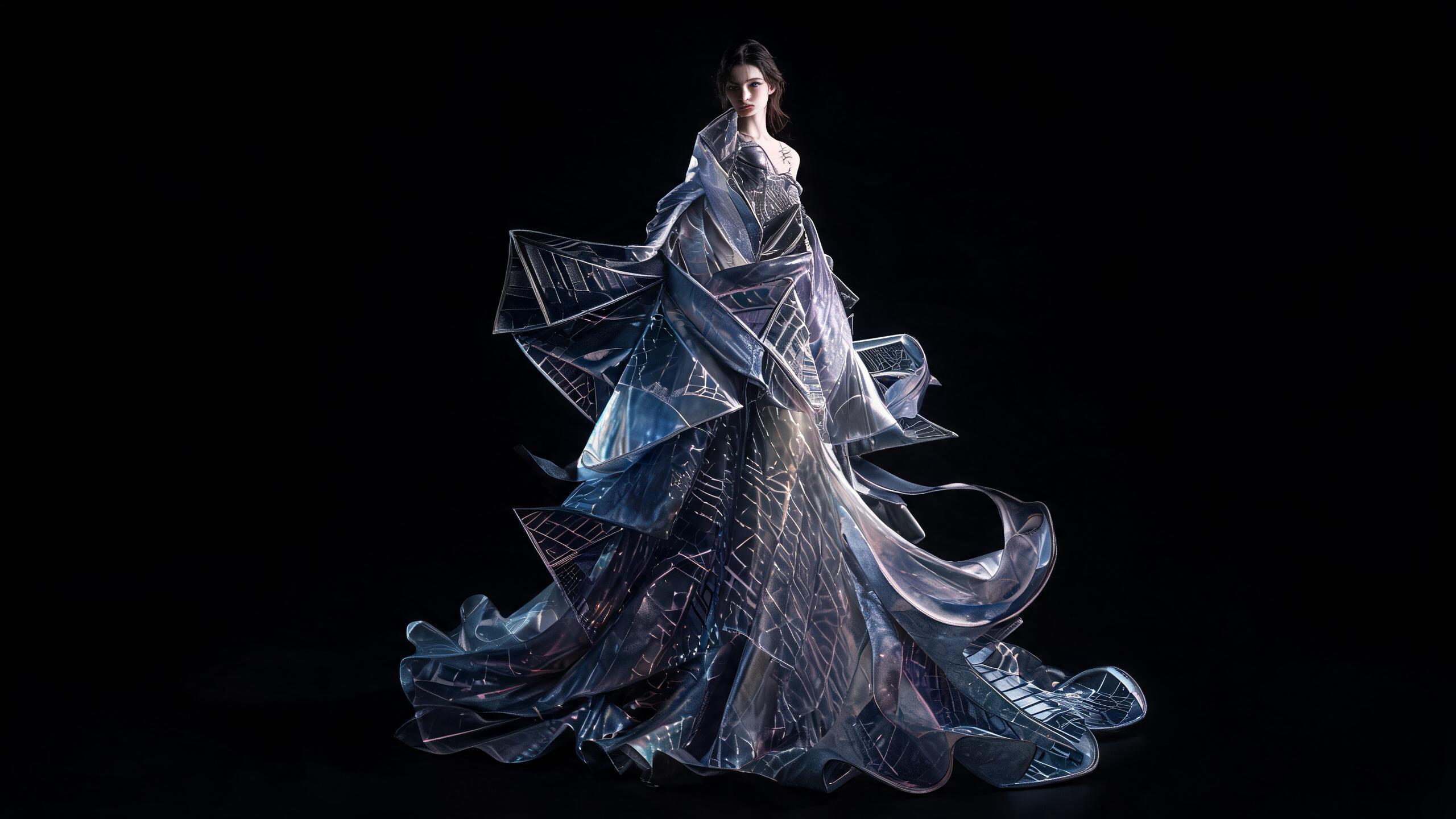
Code vs. Couture: The Complex Ethics of Generative AI in Fashion
A deep dive into ethical considerations of AI in fashion design and what it means for modern fashion.
AI fashion design generates aesthetic outputs by processing massive datasets of existing garments, patterns, and textures to synthesize new visual forms. As generative models move from experimental laboratories to the core of the global apparel industry, the ethical considerations of AI in fashion design have shifted from theoretical debates to urgent structural crises. This is not merely a question of digital efficiency; it is a battle over the ownership of creative DNA and the future of human labor in a $2.5 trillion global market.
Key Takeaway: The primary ethical considerations of AI in fashion design revolve around intellectual property rights and data transparency, as generative models synthesize existing human-made aesthetics into new forms without clear frameworks for ownership or creator compensation.
Why Are Ethical Considerations of AI in Fashion Design Surfacing Now?
The recent proliferation of diffusion models and large language models (LLMs) has collided with a fashion industry already reeling from supply chain volatility and a saturated digital market. We are currently witnessing the "Napster moment" for couture. In the last 18 months, several high-profile litigation cases and industry protests have highlighted how AI models are trained on centuries of human-designed silhouettes without compensation or consent.
The core of the issue lies in the data. Generative AI does not create in a vacuum. It requires a "corpus"—a massive library of images, sketches, and technical drawings. When a model generates a "Voguesque" coat or a "McQueen-inspired" gown, it is performing a high-speed interpolation of human intellectual property. According to a report by McKinsey & Company (2024), generative AI could add $150 billion to $275 billion to the apparel, fashion, and luxury sectors' operating profits within the next three to five years. However, this economic windfall is currently built on a foundation of uncredited data usage.
The industry is currently divided into two camps: those who see AI as a tool for hyper-efficiency and those who see it as an existential threat to the concept of authorship. This tension defines the current ethical considerations of AI in fashion design. We are seeing a shift from "design as a craft" to "design as a prompt," and the legal frameworks are struggling to keep up with the technical velocity.
The Problem of Data Provenance
Most current fashion AI tools are "black boxes." They ingest publicly available web data, which includes copyrighted runway photography and independent designer portfolios. This lack of transparency creates a massive ethical vacuum. When a brand uses a third-party AI to generate a collection, they often cannot verify if the model was trained on their competitor's unreleased sketches or the work of a marginalized artisan community whose patterns were scraped without permission.
Who Owns the Digital DNA of a Designer's Legacy?
The most critical ethical considerations of AI in fashion design revolve around intellectual property (IP). Traditionally, fashion has had "thin" copyright protection; you can copyright a specific print, but you cannot copyright the "idea" of a wrap dress. AI breaks this delicate balance by being able to mimic "style"—the intangible essence of a designer—with terrifying precision.
When an AI can replicate the specific draping logic of a master couturier, it devalues the decades of technical training required to master that skill. This is why digital draping and the rise of AI-driven design in high fashion must be viewed through an infrastructural lens rather than just an aesthetic one. If the AI is not built on a foundation of fair attribution, it is effectively a sophisticated plagiarism engine.
- Algorithmic Appropriation: AI models often "hallucinate" new designs by blending cultural motifs. Without ethical guardrails, this leads to the mass production of garments that strip cultural symbols of their meaning, optimized purely for click-through rates.
- The Death of the Signature: If anyone can prompt an AI to "design a bag in the style of Bottega Veneta," the signature aesthetic of a brand becomes a public utility. This destroys the economic incentive for original creation.
- Consent and Compensation: Current models do not offer an "opt-out" for designers. Your life's work is the training data for your replacement.
| Ethical Dimension | Traditional Design Approach | Current Generative AI Model | AlvinsClub Proposed Standard |
| Data Sourcing | Human inspiration and research. | Scraped web data (unstructured). | Private, user-specific style models. |
| Attribution | References and citations in design. | Zero attribution; output is "new." | Traceable data lineage. |
| Sustainability | Physical sampling (wasteful). | Digital-first (low waste). | AI-optimized supply-on-demand. |
| Labor | Manual pattern making and sewing. | Automated generation/prompting. | AI-augmented human creativity. |
How Does AI Impact Labor Displacement in the Fashion Industry?
Fashion is one of the world's largest employers. The integration of AI into the design process directly threatens the roles of junior designers, pattern makers, and trend forecasters. According to the International Labour Organization (2023), up to 40% of tasks in the apparel manufacturing and design sectors are highly exposed to automation through generative AI.
This displacement is not a future "might"—it is happening now. Large fast-fashion entities are already using AI to replace entire design teams. The ethical failure here is not the technology itself, but the lack of an infrastructure that integrates human expertise into the loop. For those entering the field, understanding how to master AI design software is now essential professional knowledge.
We believe that AI should not replace the designer; it should serve as the infrastructure that manages the complexity of the designer's taste. When AI is used to automate away the human element, the result is "zombie fashion"—garments that look correct but lack the intentionality and structural integrity of human-led design. The ethical considerations of AI in fashion design must include a mandate for "human-in-the-loop" systems.
Can AI Design Be Truly Sustainable?
The fashion industry is responsible for approximately 10% of global carbon emissions. One of the strongest arguments for AI is its potential to reduce waste through better forecasting and digital prototyping. However, the ethical reality is more complex. Generative AI requires immense computational power. The energy consumption of training a single large-scale AI model can equal the lifetime emissions of five cars.
Furthermore, the "efficiency" of AI often leads to a "Jevons Paradox" in fashion: by making it easier and cheaper to design new clothes, AI may actually increase the total volume of garments produced and discarded. If an AI can generate 10,000 new designs a day, and a fast-fashion brand can produce them in small batches, we are not solving the sustainability crisis; we are accelerating it.
To address this, the industry must pivot from AI-driven overproduction to AI-driven precision. True sustainability comes from using AI that understands the user's existing wardrobe and personal preferences, rather than just pushing new products.
The Bias in the Machine
AI reflects the biases of its training data. Because historical fashion data is heavily skewed toward Western, Eurocentric beauty standards and body types, generative AI frequently fails to design for diverse bodies or non-Western sartorial traditions.
- Body Inclusivity: AI models often default to sample-size proportions (US 0-2). When used to design or showcase clothing, this reinforces harmful body standards.
- Cultural Erasure: If the training data lacks representation of diverse textile traditions, those traditions are systematically "optimized" out of the digital fashion future.
- Ageism: Most AI fashion tools target a Gen Z or Millennial aesthetic. There is a massive gap in the market for older demographics, who are often ignored by algorithmic trend-chasing.
What This Means for the Future of AI Fashion Infrastructure
The current model of "AI features" slapped onto existing commerce platforms is broken. It ignores the ethical considerations of AI in fashion design in favor of short-term conversion gains. To fix this, we need a fundamental rebuild of fashion commerce.
We don't need "AI assistants" that try to sell us more clothes. We need Personal Style Models. A personal style model is a private, evolving data structure that belongs to the user. It doesn't look at what's "trending" on TikTok; it looks at what the user actually wears, how they feel in specific fabrics, and their unique aesthetic history. This moves the power from the central "Black Box" AI back to the individual.
This shift solves several ethical dilemmas:
- Privacy: Your style data isn't used to train a global model for a fast-fashion giant. It stays within your personal intelligence layer.
- Intentionality: AI is used to filter out the noise, not generate more of it.
- Longevity: By understanding your personal style through intelligent guidance, you buy fewer, better items that actually fit your identity.
Our Take: Fashion Needs Infrastructure, Not Features
The conversation around the ethical considerations of AI in fashion design is currently too focused on the "output." People are worried about the image the AI creates. We should be worried about the system that delivers that image.
Most fashion apps recommend what is popular. This is a failure of intelligence. Popularity is the enemy of personal style. True personalization is an engineering challenge that requires a dynamic taste profile—one that learns from every interaction but respects the boundaries of intellectual property and human labor.
The industry is currently using AI to accelerate a broken system. We are using it to design faster, ship faster, and discard faster. This is a misuse of the most powerful technology of our time. AI in fashion should be used to slow things down—to create a "zero-waste" match between a person's identity and a garment's existence.
Bold Predictions for AI Fashion Ethics
- The Rise of "Clean Data" Certification: Within three years, luxury brands will market their "AI-Free" or "Ethically Trained AI" design processes as a premium feature, similar to "Organic" or "Fair Trade" labels.
- Personal AI Style Sovereignty: Users will eventually own their "Taste Profile" as a portable digital asset (potentially on-chain), allowing them to move between different AI stylists without losing their personal style evolution.
- The End of the "Trend": As personal style models become more sophisticated, the concept of a global "trend" will collapse. AI will facilitate a "Market of One," where design is hyper-individualized, rendering mass-market trend-chasing obsolete.
How Can We Navigate the Ethics of AI Design?
The solution is not to ban AI from fashion; that is impossible and counterproductive. The solution is to build AI infrastructure that is AI-native from the first principle. This means building systems where the user's data is an asset, not a product. It means moving away from recommendation systems that rely on "Collaborative Filtering" (which leads to the "Everyone looks the same" problem) and moving toward "Neural Style Modeling."
Fashion is an expression of human identity. When we outsource that identity to a generic AI, we lose the very essence of why we get dressed in the morning. The ethical considerations of AI in fashion design are ultimately about protecting the human spirit in an age of automated aesthetics.
Most fashion technology today is just a better way to sell you things you don't need. It uses AI to optimize the "Add to Cart" button. That's not intelligence; that's just a faster hamster wheel. Real intelligence in fashion looks like a system that understands you better than you understand yourself, but uses that knowledge to simplify your life, not complicate your closet.
Does your current shopping experience learn from you, or does it just try to make you look like everyone else?
AlvinsClub uses AI to build your personal style model. Every outfit recommendation learns from you. Try AlvinsClub →
Summary
- Generative AI produces new aesthetic forms by processing vast datasets of existing human-designed garments, patterns, and textures.
- The primary ethical considerations of AI in fashion design involve the unauthorized use of creative intellectual property and the potential displacement of human labor within the $2.5 trillion global industry.
- Recent litigation and industry protests highlight that diffusion models are often trained on centuries of fashion silhouettes without the consent or compensation of the original designers.
- Central ethical considerations of AI in fashion design revolve around the fact that models synthesize new visual forms through the high-speed interpolation of a human-created image corpus.
- A 2024 McKinsey & Company report estimates that generative AI has the potential to add between $150 billion and $275 billion to the global apparel market.
This article is part of AlvinsClub's AI Fashion Intelligence series.
Related Articles
- Digital Draping: The Rise of AI-Driven Design in High Fashion
- The fashion student’s guide to mastering AI design software
- The 2026 Style Guide: Mastering Generative AI in Fashion Design
- Beyond the label: How AI tools are changing ethical shopping online
- Gucci’s Generative Future: How AI is Reshaping the House of Luxury