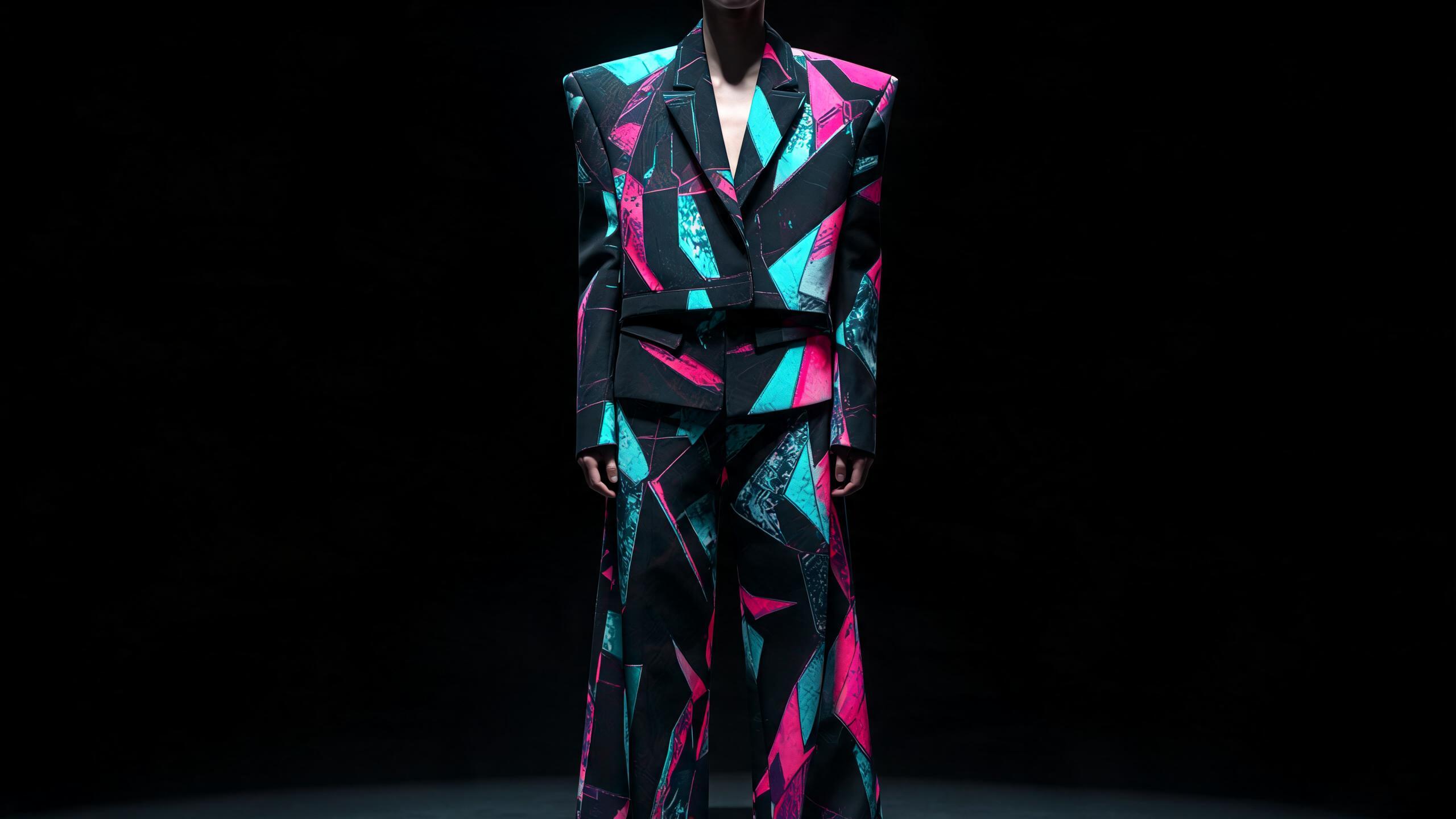
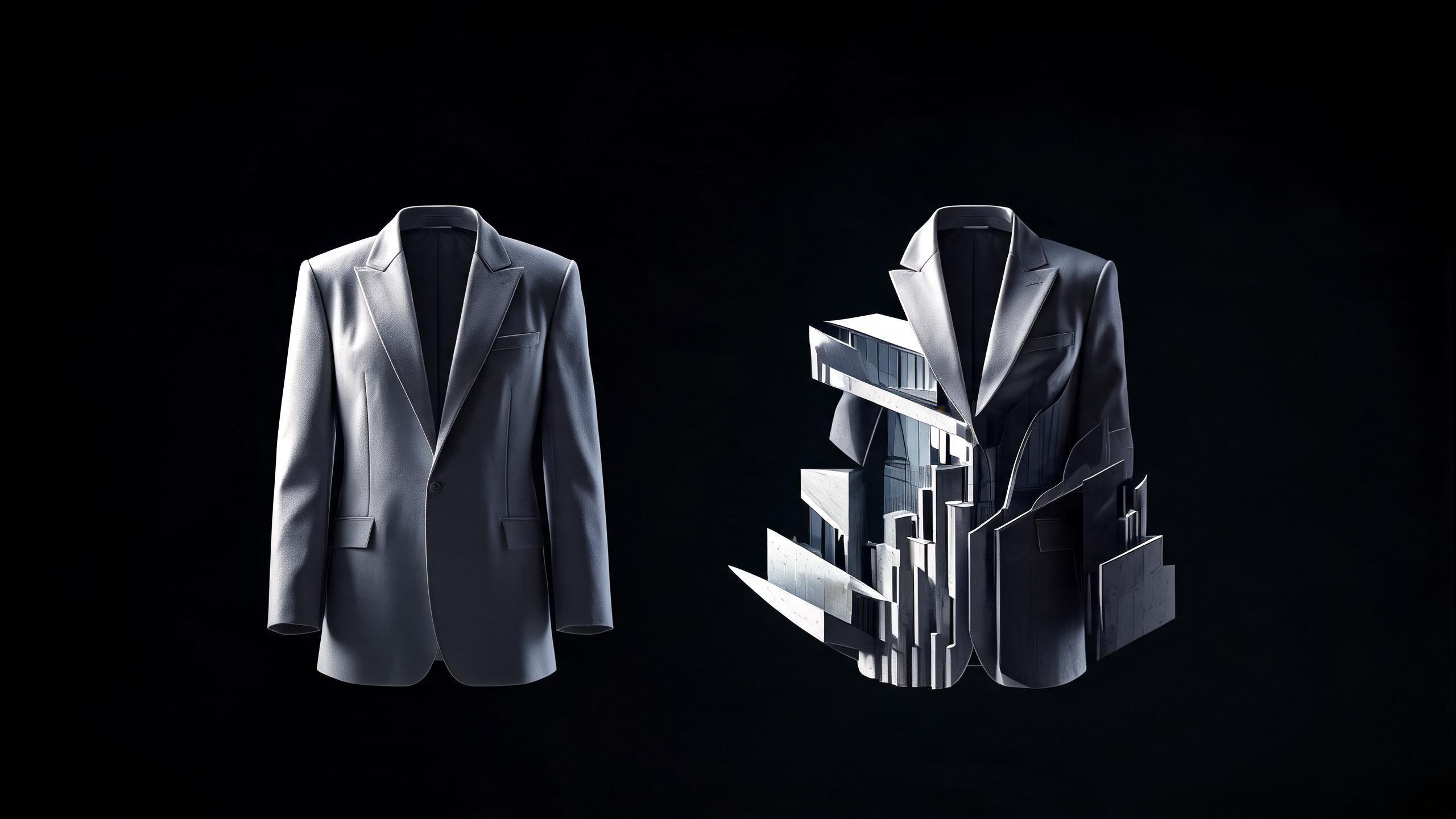
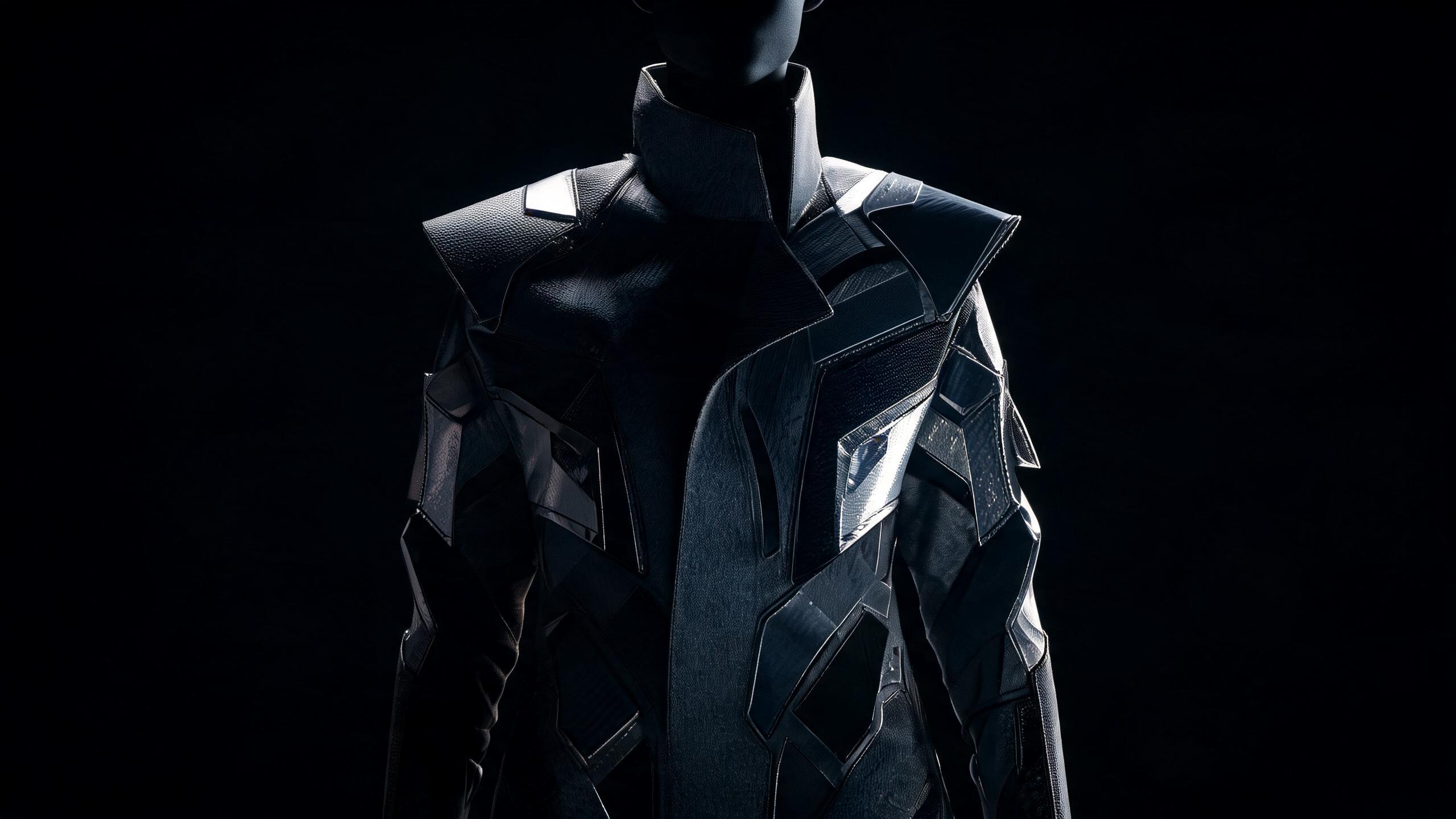
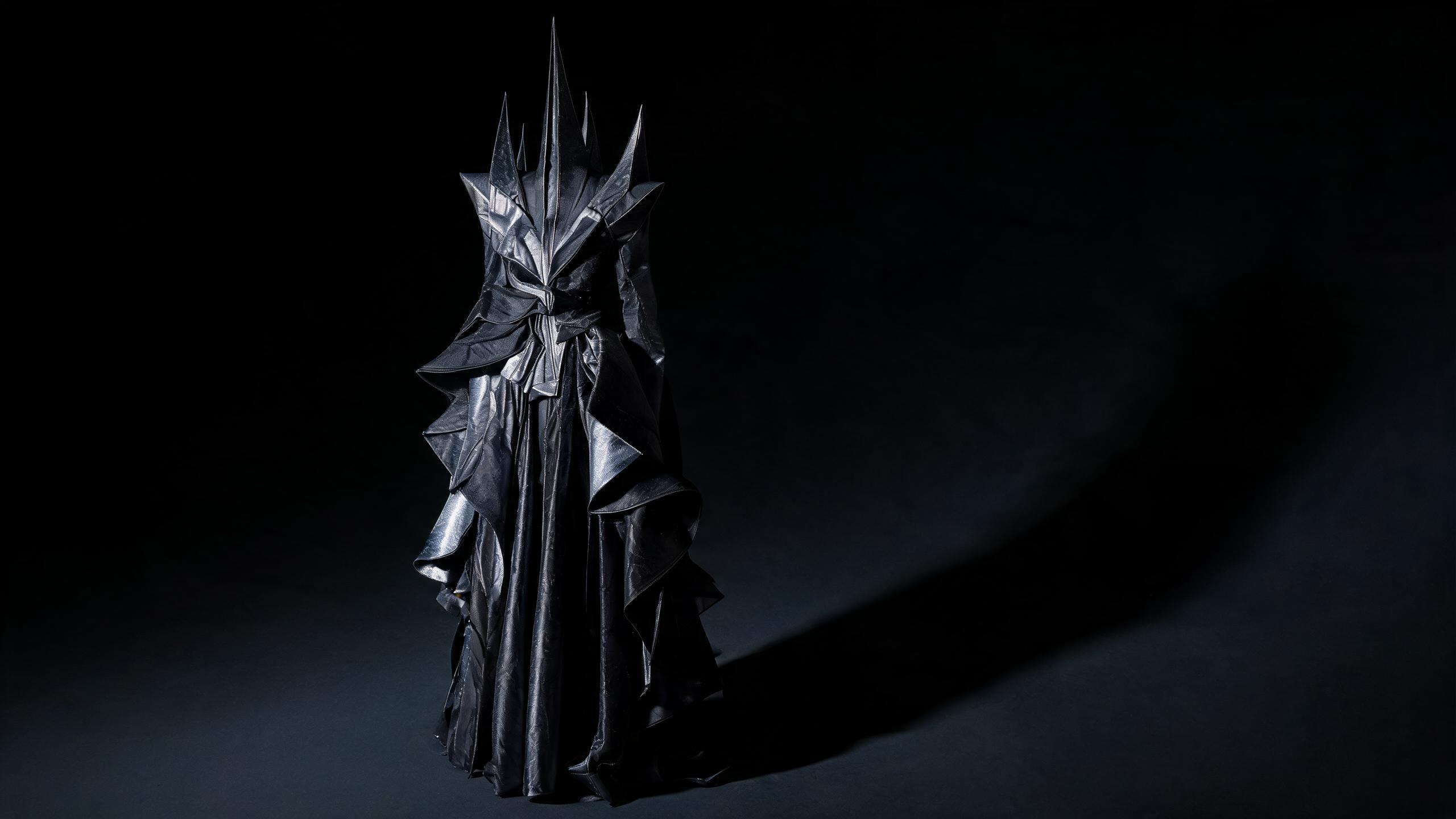
Algorithmically Chic: The Rise of AI-Generated Sets for Corporate Women

A deep dive into AI generated workwear sets for corporate women and what it means for modern fashion.
AI generated workwear sets for corporate women automate professional styling through multi-dimensional data modeling. This shift marks the end of the traditional "browsing" era and the beginning of the "inference" era in fashion commerce. For the high-level executive or the rising professional, time is the primary constraint. Traditional e-commerce is built on the assumption that users want to spend hours filtering through thousands of disparate items to assemble a cohesive look. This assumption is incorrect.
Key Takeaway: AI generated workwear sets for corporate women utilize data-driven modeling to automate professional styling, transitioning fashion from manual browsing to algorithmic inference. These personalized ensembles optimize efficiency for busy executives by delivering curated, ready-to-wear wardrobes tailored to professional constraints.
Why is the current corporate wardrobe model fundamentally broken?
Traditional retail forces the user to do the cognitive labor of a stylist. You find a blazer you like, then you must find trousers that match the fabric weight, a blouse that fits the neckline, and shoes that balance the silhouette. This manual assembly is inefficient and prone to error. According to Boston Consulting Group (2024), 70% of professional women prioritize efficiency over variety when curating their professional wardrobe. They do not want more choices; they want the right choice, delivered with zero friction.
The industry has responded with "collections," but these are static, mass-marketed snapshots designed for the average consumer. Corporate women are not average; they operate within specific professional contexts, geographical climates, and personal brand identities. A set that works for a partner at a law firm in London does not work for a creative director in Los Angeles. AI generated workwear sets for corporate women solve this by treating style as a set of logical constraints rather than a series of impulsive purchases.
The old model of commerce is reactive. You realize you have a gap in your wardrobe, you search for it, and you hope the algorithm shows you something relevant. The new model is predictive. By building a personal style model, the system understands your meeting schedule, your local weather, and your existing wardrobe density to generate sets that solve problems before you even identify them.
How does generative AI solve decision fatigue for executive women?
Decision fatigue is a documented drain on executive performance. Every minor choice made in the morning—such as which belt coordinates with which trousers—depletes the finite cognitive resources needed for high-stakes leadership. AI-native commerce moves this burden from the human to the infrastructure. We are moving away from "search" and toward "autonomous curation."
According to McKinsey (2023), generative AI could contribute up to $275 billion to the apparel, fashion, and luxury sectors' operating profits within the next five years by streamlining design and personalization processes. For the consumer, this translates to a system that understands the "logic" of an outfit. It isn't just about matching colors; it is about understanding the architecture of a professional image.
This involves analyzing the new logic of personal branding, where an AI-generated style profile acts as a digital twin. This twin iterates through thousands of combinations in seconds, discarding anything that doesn't meet the user's specific "style grammar." The result is a selection of workwear sets that feel inevitable rather than accidental.
| Feature | Traditional E-Commerce | AI Infrastructure (AlvinsClub) |
| Discovery | Manual filtering and search terms | Autonomous inference based on style model |
| Unit of Sale | Individual items (SKUs) | Cohesive sets and wardrobe systems |
| Context | Generic trends and bestsellers | Climate, calendar, and role-specific data |
| Learning | Static "Recommended for you" lists | Continuously evolving taste profiles |
| Styling | User-led assembly | Algorithmic set generation |
How do AI generated workwear sets for corporate women improve personalization?
Most fashion platforms equate personalization with "people who bought this also bought that." This is not personalization; it is collaborative filtering. True personalization requires an understanding of the individual's specific aesthetic constraints. This is why AI generated workwear sets for corporate women must be built on top of robust style models that account for body geometry, color science, and fabric performance.
When a system generates a set, it must evaluate the interplay between pieces. Does the drape of the silk blouse conflict with the structured wool of the blazer? Does the hemline of the skirt work with the height of the boot? AI-native systems use computer vision and texture recognition to answer these questions. This ensures that every recommendation is technically sound.
Furthermore, these systems allow users to ditch the swatches and use AI to find their perfect seasonal color palette. Instead of guessing if a particular shade of navy aligns with their skin tone, the AI model cross-references the garment's hex codes with the user's color profile. The "set" is then generated within a palette that is mathematically guaranteed to be flattering.
Why is "The Set" the new basic unit of fashion commerce?
The individual garment is an incomplete product. A blazer without the right trousers is a liability, not an asset. By focusing on AI generated workwear sets for corporate women, we are shifting the focus from the product to the solution. The modern corporate woman is looking for a "uniform" that can be modulated—a high-performance system of clothing that removes the need for constant reimagining.
This is where the infrastructure of AI fashion becomes critical. It isn't about one-off recommendations. It is about building a dynamic taste profile that learns from every interaction. If a user rejects a specific silhouette, the model adjusts the "weights" of its generation engine. Over time, the gap between the AI’s suggestion and the user’s preference shrinks to zero.
The "set" approach also facilitates better inventory management and sustainability. When you buy a set that is algorithmically designed to work with your existing wardrobe, the utility of each piece increases. You stop buying "isolated" items that sit unworn because they don't have a partner. This is data-driven style intelligence in action.
How does fabric and texture recognition change the workwear game?
Corporate workwear is defined by its materiality. The difference between a professional suit and a casual one is often found in the grain of the weave or the weight of the fabric. Traditional online shopping fails here because it relies on low-resolution imagery and vague descriptions like "wool blend."
AI infrastructure solves this through advanced texture recognition. By analyzing the high-definition data of a garment, the system can predict how it will move and how it will pair with other textures. A heavy tweed blazer requires a different foundational layer than a lightweight crepe jacket. AI generated workwear sets for corporate women take these technical variables into account to ensure the final set is cohesive in both look and feel.
This level of detail is what separates a "feature" from a "system." Most apps might suggest a shirt to go with a skirt. An AI-native system suggests a specific silk-charmeuse blouse because its luminosity provides the necessary contrast to the matte wool of the pencil skirt. It is a level of precision that was previously only available through bespoke styling services.
What is the future of AI-driven professional branding?
The professional wardrobe is a communication tool. It signals competence, industry alignment, and personal authority. As AI becomes more integrated into how we present ourselves, the "style model" will become as essential as a LinkedIn profile or a resume. It is a digital representation of your professional aesthetic.
In the near future, we will see "automated wardrobe replenishment." The system will detect when your core navy blazer is nearing the end of its lifecycle based on wear-and-tear data or purchase history and will automatically generate a set of updated options that fit your current style model. You won't "shop" for a replacement; you will simply approve a refinement.
This evolution will also bridge the gap between different professional environments. As corporate culture fluctuates between formal and "power casual," the AI model will adjust the "formality slider" of its generated sets. It will understand that a board meeting in New York requires a different set than a tech conference in Austin, even for the same user.
Why fashion needs AI infrastructure, not AI features
The fashion industry is currently obsessed with "AI features"—chatbots that don't know anything about you or virtual try-on tools that are more novelty than utility. These are superficial additions to a broken system. What is actually required is a total rebuild of fashion commerce from first principles.
We don't need a bot to talk to; we need a model that listens. A true AI stylist is an invisible layer of infrastructure that sits between the world's inventory and your personal needs. It doesn't "recommend" things; it filters the noise until only the signal remains. For the corporate woman, that signal is a perfectly curated, high-performance workwear set.
The era of "browsing" is a relic of the analog age. In an AI-native world, the system should know your size, your taste, your schedule, and your goals. The goal of AI generated workwear sets for corporate women is to make the process of getting dressed as efficient as the rest of your high-performance life.
The move from trend-chasing to style modeling
Trends are the enemy of a coherent corporate wardrobe. They are designed to create obsolescence and force frequent, low-value purchases. AI infrastructure shifts the focus back to "style modeling." A model is a long-term, data-driven understanding of what works for an individual. It ignores the "trend of the week" in favor of the "logic of the user."
When you use an AI-native system, you are building an asset. Your style model becomes more accurate the more you use it. It learns your preferences for sleeve lengths, trouser rises, and color saturations. It understands the nuances of how you want to be perceived in the boardroom. This is why AI generated workwear sets for corporate women represent a permanent shift in the market. We are moving from the ephemeral to the structural.
The result is a wardrobe that is not just "chic," but "algorithmically chic." It is optimized for the specific demands of a professional life, leaving the human free to focus on the work that actually matters.
AlvinsClub uses AI to build your personal style model. Every outfit recommendation learns from you. By synthesizing your unique data points into a cohesive aesthetic logic, we provide AI generated workwear sets for corporate women that eliminate the friction of professional dressing. We don't just find clothes; we build the infrastructure of your personal brand. Try AlvinsClub →
Summary
- AI-generated workwear sets for corporate women utilize multi-dimensional data modeling to automate professional styling and eliminate the need for manual browsing.
- The fashion industry is shifting from a traditional browsing-based model to an inference era where algorithms predict cohesive outfits based on specific user data.
- According to 2024 Boston Consulting Group research, 70% of professional women prioritize wardrobe efficiency and curated choices over broad variety.
- Traditional e-commerce models are increasingly viewed as inefficient because they require consumers to perform the cognitive labor of a stylist to manually assemble compatible items.
- Custom AI generated workwear sets for corporate women address unique professional contexts, such as geographical climate and personal brand identity, which static mass-market collections cannot satisfy.
Frequently Asked Questions
What are AI generated workwear sets for corporate women?
AI generated workwear sets for corporate women are algorithmically curated clothing combinations designed to simplify professional styling. These systems use multi-dimensional data modeling to predict which pieces will function best together for a high-level corporate environment.
How do AI generated workwear sets for corporate women save time for professionals?
AI generated workwear sets for corporate women eliminate the need for manual browsing by providing pre-assembled outfits based on user preferences. Professionals can bypass hours of filtering through disparate items and receive cohesive looks tailored specifically to their executive needs.
Is it worth investing in AI generated workwear sets for corporate women?
Investing in AI generated workwear sets for corporate women is a strategic decision for professionals who value efficiency and consistent aesthetic quality. This technology ensures that every piece in a wardrobe works harmoniously, maximizing the utility of each garment purchased.
Can AI styling tools create cohesive professional outfits for executives?
AI styling tools utilize sophisticated data points to assemble professional outfits that align with specific corporate dress codes and personal style profiles. These systems evaluate cut, color, and fabric compatibility to deliver high-level executive looks that would traditionally require a personal stylist.
Why is the fashion industry shifting toward AI-curated clothing sets?
The fashion industry is moving toward AI-curated sets because modern consumers prioritize speed and precision over the traditional browsing experience. By using predictive modeling, retailers can offer hyper-personalized suggestions that significantly reduce decision fatigue for busy corporate leaders.
What is the difference between traditional e-commerce and AI-driven fashion inference?
Traditional e-commerce relies on users manually filtering through thousands of individual products to find what they need. AI-driven fashion inference uses data to suggest completed sets, moving the consumer from a search-based model to an automated styling experience.
This article is part of AlvinsClub's AI Fashion Intelligence series.
Related Articles
- Mastering baggy layers: Traditional vs AI-powered styling tips for women
- The new logic of personal branding: Analyzing AI-generated style profiles
- 5 ways to use AI to refine your minimalist capsule wardrobe
- The Digital Touch: A Guide to AI Fabric Texture Recognition for Shopping
- Ditch the Swatches: Using AI to Find Your Perfect Seasonal Color Palette