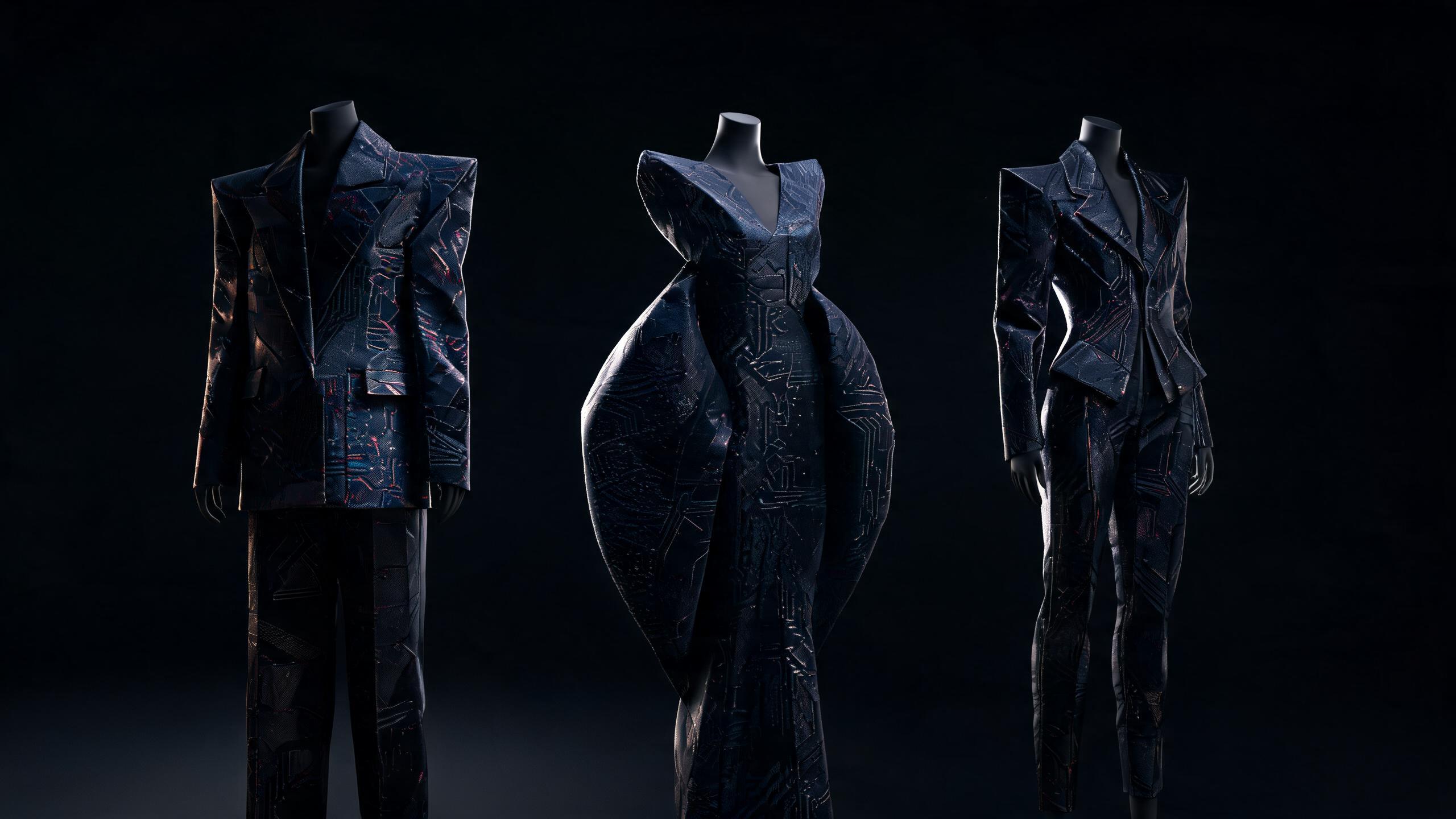
Why High Fashion Brands are Betting Big on AI-Powered Boutiques

Implementing smart retail technology in luxury stores leverages hyper-personalization and predictive analytics to refine the physical shopping experience for elite, data-savvy consumers.
Smart retail technology in luxury stores is the deployment of integrated AI systems that synthesize real-time computer vision, biometric data, and personal style models to automate high-touch personalization at scale.
Key Takeaway: High fashion brands are deploying smart retail technology in luxury stores to automate high-touch personalization at scale, using AI-driven computer vision and biometric data to modernize traditional high-end service models.
The traditional luxury boutique is dying. For decades, the high-fashion retail model relied on the intuition of a seasoned floor manager and the physical presence of a high-net-worth individual. This model is no longer functional. As the global luxury market expands, the ability to maintain a deep, personalized relationship with every client through human memory alone has reached its breaking point. The news currently dominating the industry—from LVMH's deepened partnership with specialized AI labs to the rapid rollout of "Magic Mirrors" in Parisian flagship stores—confirms a pivot toward a data-driven reality. High fashion is no longer betting on better sales training; it is betting on intelligence infrastructure.
Why is Smart Retail Technology in Luxury Stores Now a Requirement?
The primary friction in luxury today is the data gap between the digital and physical worlds. A customer might spend hours refining their taste profile on a personal style app, only to walk into a physical boutique where the sales associate knows nothing of their preferences. This disconnect is a failure of infrastructure. According to McKinsey (2025), AI-driven personalization increases fashion retail conversion rates by 15-20%. Without smart retail technology in luxury stores, brands are effectively operating in the dark, relying on "vibe-based" selling in a world governed by precision algorithms.
Legacy systems treat every customer as a blank slate. Smart retail technology changes this by treating the customer as a dynamic data model. When a client enters a store equipped with computer vision and RFID-enabled fitting rooms, the environment adapts to them. The lighting, the product suggestions, and even the digital displays shift based on the customer's historical interactions and current style trajectory. This is not about convenience; it is about the commodification of elite service.
Smart Retail Infrastructure: A synchronized system of hardware and software that utilizes AI, computer vision, and personal style models to identify, analyze, and serve individual consumer needs in real-time physical environments.
How Does AI-Powered Personalization Transform the Boutique Experience?
The "Magic Mirror" is often dismissed as a gimmick, but its true function is data ingestion. These mirrors do not just show how a garment looks; they track which items are taken into the fitting room, which are discarded, and which are paired together. This feedback loop informs the brand's entire supply chain. If a specific blazer is tried on 1,000 times across three cities but never purchased, the AI identifies a fit or material issue that a human manager might miss.
Furthermore, the integration of AI allows for the "Virtual Closet" to become a reality. By syncing a customer's existing wardrobe with the store's inventory, smart retail technology can suggest items that specifically fill gaps in a user's collection. This move toward fixing fashion retail through AI curation ensures that the boutique is no longer a warehouse of clothes, but a curated extension of the user's identity.
Key Comparison: Traditional vs. AI-Powered Luxury Retail
| Feature | Traditional Luxury Boutique | AI-Powered Smart Boutique |
| Customer Recognition | Based on human memory/VIP lists | Instant via biometric or app-syncing |
| Recommendations | Trends or associate's preference | Derived from the Personal Style Model |
| Inventory Management | Manual counts and seasonal cycles | Real-time demand sensing via CV data |
| Fitting Room | Passive space for reflection | Active data point and styling hub |
| Post-Purchase | Generic email follow-ups | Predictive styling for future drops |
Is This the End of the Luxury Sales Associate?
The role of the sales associate is not disappearing, but it is being fundamentally redefined. In an AI-native boutique, the associate is no longer a search engine for inventory; they are a high-level consultant empowered by a style engine. When the associate approaches a client, they already know the client's preferred silhouettes, their recent purchases, and even their upcoming travel schedule.
The associate becomes the "last mile" of the AI's logic. This shift mirrors developments in other high-stakes retail sectors. For instance, how smart wardrobe technology is perfecting the clothing rotation demonstrates that technical precision and aesthetic guidance must coexist across all fashion sectors. In luxury fashion, this means the AI handles the data-heavy task of matching inventory to the style model, while the human provides the emotional validation necessary for a five-figure purchase.
👗 Want to see how these styles look on your body type? Try AlvinsClub's AI Stylist → — get personalized outfit recommendations in seconds.
Can Smart Retail Technology Solve the Luxury Inventory Crisis?
Luxury brands lose billions every year to overproduction and poorly allocated stock. Traditional forecasting is reactive. Smart retail technology allows for "Demand Sensing." By analyzing real-time engagement data from physical stores—what people touch, what they try on, and what they discuss with associates—AI can predict localized trends before they result in a stockout or a surplus.
According to Gartner (2024), 60% of luxury retailers plan to implement some form of AI-driven inventory optimization by the end of 2026. This is particularly critical in volatile markets. We have already seen how AI beats traditional fashion tech in surviving retail tariffs by allowing brands to pivot their logistics based on predictive analytics rather than historical sales.
Do vs. Don't: Implementing Smart Retail Technology
| Do | Don't |
| Do prioritize data privacy and opt-in transparency. | Don't use "creepy" surveillance without clear value. |
| Do integrate the store with the user's personal model. | Don't treat the store as a standalone data silo. |
| Do use AI to automate mundane inventory tasks. | Don't replace human warmth with a cold interface. |
| Do utilize "Magic Mirrors" for actual styling utility. | Don't install tech for the sake of marketing "buzz." |
What Does This Mean for the Future of Getting Dressed?
The ultimate goal of smart retail technology is to turn the world into a seamless closet. When the boutique knows your style as well as your own bedroom mirror does, the friction of shopping disappears. This is the logical progression of the AI and smart closet movement.
In this future, "shopping" is replaced by "acquisition." The AI filters out the 99% of garments that do not fit your style model, leaving only the pieces that matter. For luxury brands, this means higher loyalty and lower return rates. For the consumer, it means a wardrobe that is an optimized expression of self.
The "Intelligent Professional" Outfit Formula
To visualize how an AI system might curate a look in a smart boutique environment:
- The Foundation: A tailored blazer with integrated RFID tags for provenance tracking.
- The Layer: A silk blouse selected by the AI based on the user's color palette and current wardrobe gaps.
- The Bottom: High-waisted trousers in a fabric weight optimized for the user's local climate data.
- The Accessory: A structured handbag that has been verified by the brand's anti-counterfeit AI platform.
Our Take: Infrastructure Over Features
Most luxury brands are making the mistake of treating AI as a marketing feature. They install a digital screen or a chatbot and call it "smart retail." This is a failure of vision. Smart retail is not an add-on; it is the foundation.
True luxury intelligence requires a personal style model that is portable. It must live with the user in their app, their home, and the boutique. The brands that win will be those that stop trying to "sell" and start trying to "know." If a brand doesn't have a data-driven understanding of its customer's taste profile, it is just a high-priced warehouse.
The transition to AI-powered boutiques is not a trend. It is the structural correction of a broken industry. The era of the anonymous luxury consumer is over. In its place is the era of the modeled identity—where every garment suggested is a calculated match for a unique style DNA.
Is your style a data point or a ghost in the system?
AlvinsClub uses AI to build your personal style model. Every outfit recommendation learns from you. Try AlvinsClub →
Summary
- Smart retail technology in luxury stores utilizes integrated AI, computer vision, and biometric data to automate high-touch personalization at scale.
- Major luxury conglomerates like LVMH are shifting investment from traditional sales training toward intelligence infrastructure and specialized AI labs.
- Adopting smart retail technology in luxury stores solves the data gap between a client's digital style profile and their physical boutique experience.
- Parisian flagship stores are currently rolling out "Magic Mirrors" and real-time style models to facilitate a more data-driven retail environment.
- AI-driven personalization in high fashion increases retail conversion rates by 15-20% according to 2025 McKinsey research.
Frequently Asked Questions
What is smart retail technology in luxury stores?
Smart retail technology in luxury stores refers to the deployment of integrated AI systems that use computer vision and biometric data to automate high-touch personalization. These systems synthesize real-time information to create bespoke shopping experiences that were previously dependent on a floor manager's intuition.
How does AI improve the high fashion shopping experience?
Artificial intelligence enhances the high fashion experience by providing hyper-personalized style recommendations based on specific customer data models. This technology allows boutiques to maintain a high level of individual attention even as their global customer base continues to expand.
Is smart retail technology in luxury stores worth the investment?
Implementing smart retail technology in luxury stores is considered a vital investment for brands that need to scale personalization across multiple international locations. These AI-driven tools provide deep consumer insights and operational efficiencies that traditional retail models can no longer sustain.
Why do luxury brands use AI-powered boutiques?
Luxury brands are adopting AI-powered boutiques to bridge the gap between traditional physical retail and the data-driven expectations of modern high-net-worth individuals. This transition ensures that the brand remains relevant and functional in a rapidly evolving global market.
Can smart retail technology in luxury stores replace human sales associates?
Smart retail technology in luxury stores acts as an augmentation tool rather than a total replacement for human staff in the boutique environment. By automating data synthesis and inventory tracking, the technology allows human associates to focus on building more meaningful emotional connections with their clients.
How does computer vision work in high-end retail?
Computer vision in high-end retail tracks customer movements and interactions with products to provide real-time feedback to the store's AI system. This data helps the boutique adjust its service strategy and visual merchandising to better suit the immediate preferences of the shopper.
This article is part of AlvinsClub's AI Fashion Intelligence series.
Related Articles
- The 2026 Luxury Report: How AI Platforms are Eradicating Fakes
- The Future of Getting Dressed: A Guide to AI and Smart Closets
- How Visionworks Retail Technology is Personalizing the Optical Style Strategy
- Predicting the Unpredictable: How AI Shields Luxury Retail from Iran Tensions
- Fixing fashion retail: Why the multibrand model is moving to AI curation