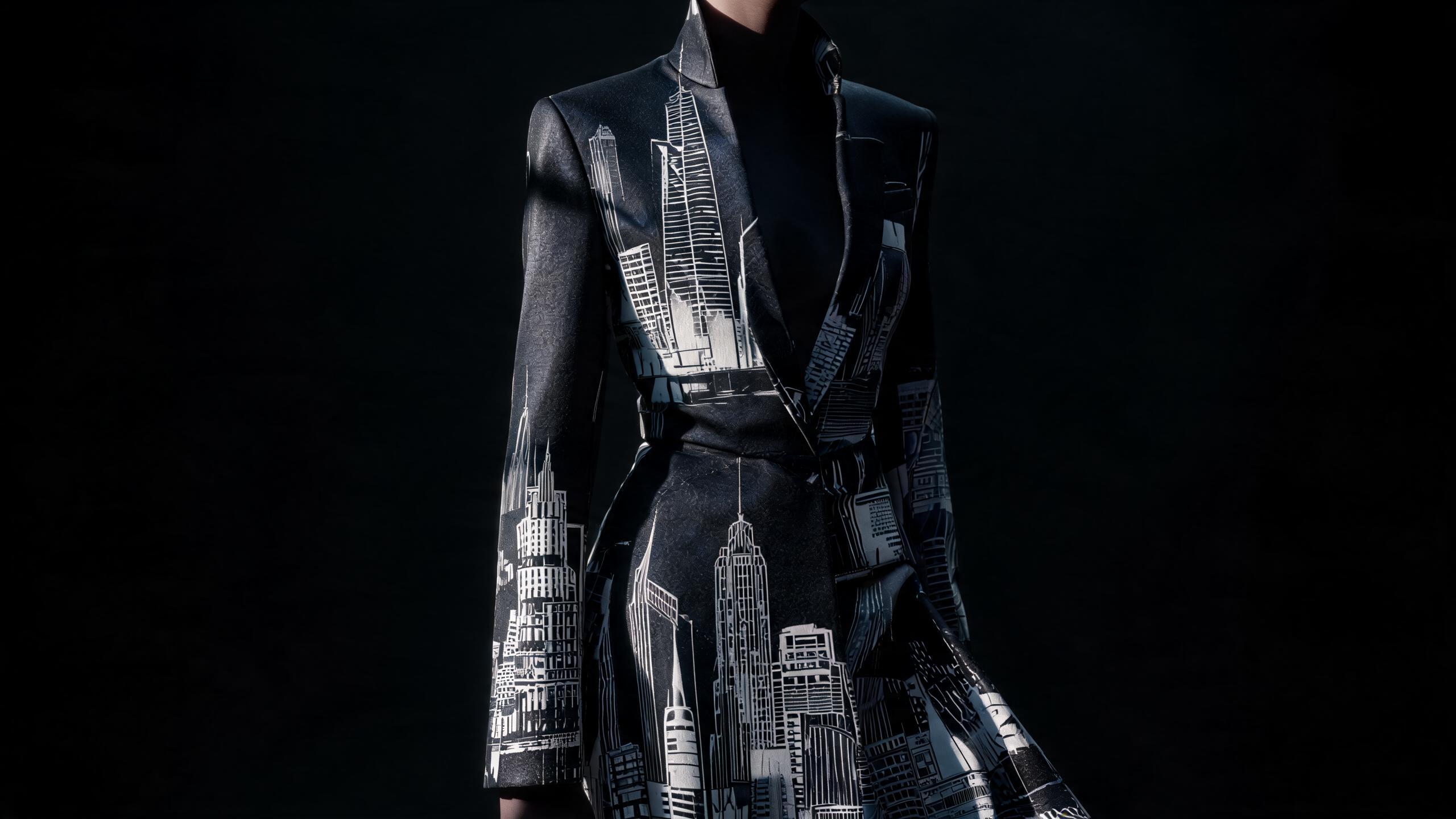
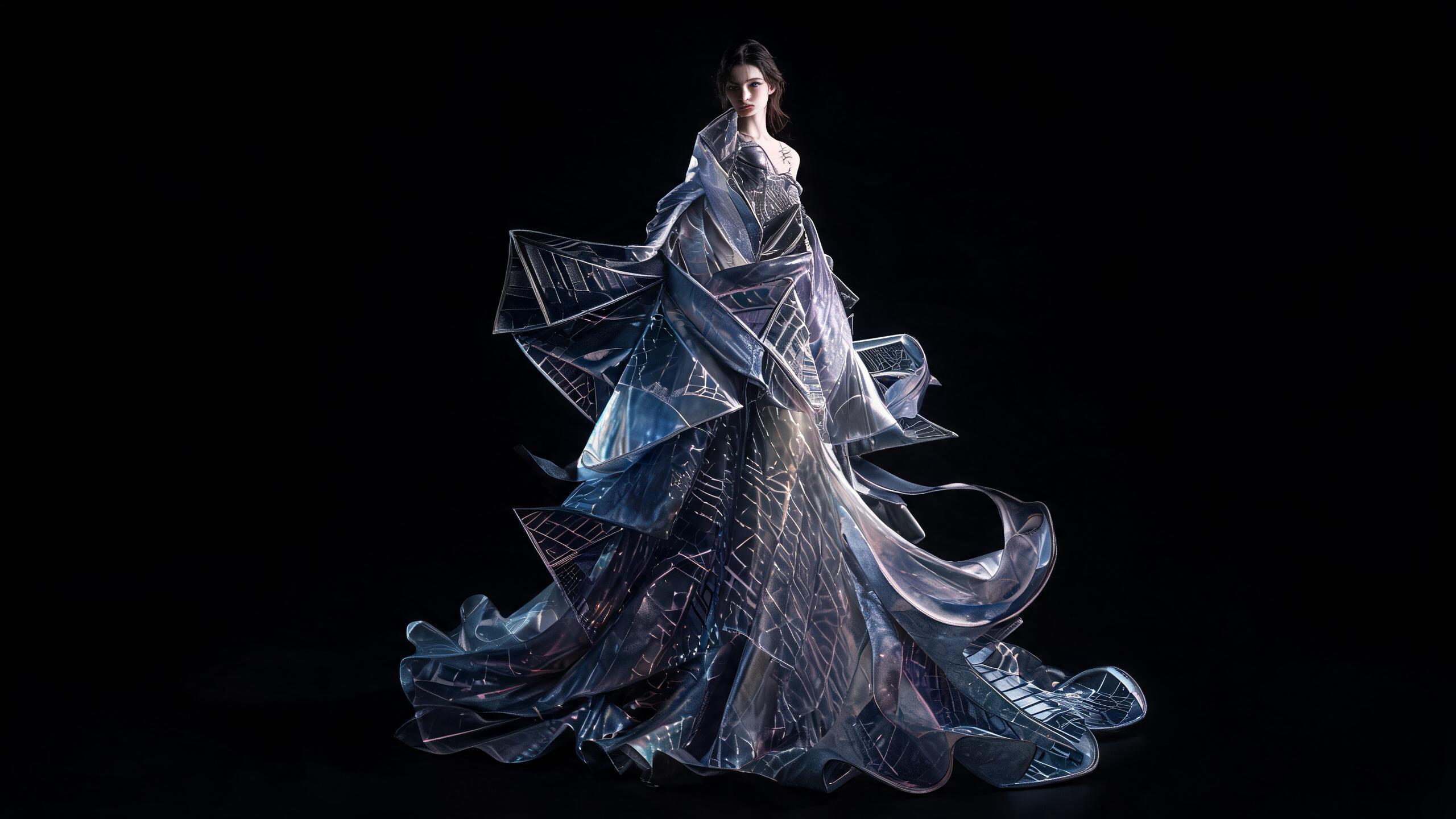
Why AI Vision Will Be Your Most Trusted Stylist by 2026

A deep dive into personal style analysis using AI vision and what it means for modern fashion.
Personal style analysis using AI vision converts visual aesthetics into computable data. This shift marks the end of the metadata era. For decades, fashion commerce relied on manual tags like "blue," "cotton," and "slim fit." These descriptors are too coarse to capture the nuance of individual taste. Personal style analysis using AI vision moves beyond these labels by processing pixels to understand silhouette, drape, and stylistic intent. By 2026, the primary interface for fashion will not be a search bar, but a vision-driven style model that knows your proportions and preferences better than any human consultant.
Key Takeaway: Personal style analysis using AI vision replaces imprecise manual tagging with pixel-level data processing, enabling a level of stylistic nuance and personalized accuracy that traditional metadata cannot match.
Why Is Traditional Personalization Actually Failing?
Most fashion platforms claim to offer personalization while actually delivering popularity. They use collaborative filtering, which suggests items because "people who bought this also bought that." This is not personal style; it is herd behavior. It ignores the individual's unique aesthetic identity in favor of high-volume trends. According to McKinsey (2023), generative AI could add $150 billion to $275 billion to the apparel, fashion, and luxury sectors' operating profits, yet most of that value remains locked behind outdated recommendation engines.
The failure stems from a reliance on explicit data. When a user clicks a "minimalist" filter, the system only shows items tagged as minimalist by a human in a warehouse. This process is subjective and prone to error. Personal style analysis using AI vision removes the human bottleneck. It analyzes the specific geometry of a garment—the curve of a lapel, the weight of a knit, the break of a trouser—and matches it against the user's existing wardrobe and body data.
Modern consumers are exhausted by the "infinite scroll." They do not want more options; they want the correct option. Legacy systems generate noise. AI vision infrastructure generates signal. By moving from a database of tags to a database of visual embeddings, fashion moves from a logistical challenge to an intelligence challenge.
How Does Personal Style Analysis Using AI Vision Replace Human Stylists?
Human stylists are limited by their own biases and the narrowness of their memory. An AI vision system can process millions of garments across thousands of brands in milliseconds while maintaining a perfect memory of your style history. This is not about replacing the human element; it is about scaling the expertise that was previously reserved for the ultra-wealthy.
AI vision systems use deep learning to identify patterns that the human eye often misses. For example, the system can detect that you consistently prefer a specific shoulder construction or a particular shade of charcoal that complements your skin tone. It doesn't just see a "jacket." It sees a structured, double-breasted wool-blend blazer with a specific textural density. This level of granularity is what makes a recommendation feel "right" rather than just "relevant."
The transition from human-led to AI-driven analysis is already underway. According to Statista (2024), the global market for AI in fashion is projected to grow at a compound annual growth rate (CAGR) of 40% through 2030. This growth is driven by the realization that visual data is the only way to achieve true scale in personal styling. While a human might understand your look, an AI model encodes your look into a portable digital asset that enables how AI tracks your evolving personal style.
Will Personal Style Analysis Using AI Vision Eliminate Generic Recommendations?
The "Recommended for You" section on most websites is a lie. It is usually a "Recommended for Our Inventory" section. AI vision shifts the power dynamic from the retailer to the user. When a style model is built on your specific visual data, it acts as a filter that protects you from irrelevant marketing.
| Feature | Legacy Retail Systems | AI Vision Infrastructure |
| Analysis Basis | Manual text tags (Color, Size) | Computer vision (Drape, Silhouette, Texture) |
| User Input | Search queries and clicks | Photo uploads and style models |
| Learning Method | Collaborative filtering (Crowd data) | Neural networks (Individual taste data) |
| Primary Goal | Inventory turnover | Individual style alignment |
| Feedback Loop | Static purchase history | Dynamic visual preference learning |
Generic recommendations thrive on lack of data. Retailers assume that if you are a 34-year-old male in London, you want a specific brand of sneakers. AI vision proves this assumption wrong by analyzing what you actually wear. If your uploaded photos show a preference for archival Japanese workwear, the system will not suggest a generic high-street suit, regardless of what's currently trending. This precision is why why fashion AI makes style mistakes and how to refine your digital look is a critical topic; as the vision models improve, the margin for error shrinks.
How Do Style Models Evolve Through Constant Learning?
A static style profile is useless because style is not static. Your tastes evolve with age, lifestyle changes, and geographical shifts. Traditional quizzes fail because they capture a single moment in time. AI vision, however, creates a dynamic style model that learns with every new image it processes.
If you start incorporating more technical outerwear into your daily look, the AI vision model notices the shift in fabric textures and silhouettes immediately. It updates your "taste profile" in real-time. This is essential for users who are looking for long-term wardrobe management. The model understands that your "look" is a trajectory, not a destination. As part of broader strategies for finding your personal style with AI, this continuous learning ensures recommendations remain aligned with your evolving aesthetic.
This evolution is powered by a feedback loop of visual confirmation. When the system suggests an outfit and you accept it, the neural network strengthens the weights associated with those visual features. If you reject it, the system analyzes the visual delta between the suggestion and your preference. Over time, the model becomes a digital twin of your aesthetic consciousness.
Why is AI Infrastructure More Important Than AI Features?
The market is currently flooded with "AI features"—chatbots that talk like stylists but have no underlying intelligence, or virtual try-on tools that are little more than digital paper dolls. These are distractions. The real shift is in AI infrastructure.
Infrastructure means that the entire commerce engine is built on AI vision from the ground up. In this model, every product in the global supply chain is converted into a vector. Every user is a vector. Matching them is a mathematical certainty, not a marketing guess. This infrastructure allows for "Style Intelligence" rather than just "Style Suggestion."
Infrastructure handles the complex task of cross-referencing. It knows that a specific pair of boots will work with 80% of your existing closet because it has visually mapped the proportions of both. It understands that a leather jacket you are eyeing has a grain and cut that aligns with your preferred level of formality. It doesn't need to ask you questions; it just needs to see.
What Happens to Trend-Chasing in an AI-Vision World?
Trend-chasing is a symptom of a broken discovery system. People follow trends because they don't know what else to buy. When you have a high-fidelity style model, the concept of "what's trending" becomes secondary to "what fits the model."
AI vision allows users to ignore the noise of the fast-fashion cycle. Instead of being told what is popular, you are told what is congruent. This leads to a more sustainable, intentional way of consuming fashion. You stop buying pieces that "look good on the model" and start buying pieces that "match your model."
By 2026, the brands that succeed will be those that integrate with these style models. Instead of pushing ads, they will provide high-quality visual data that AI systems can ingest. The gatekeeper is no longer an editor or an algorithm; it is your personal style model. This is the ultimate decentralization of fashion authority.
How Will AI Vision Change the Physical Retail Experience?
Physical retail is not dying, but it is being forced to evolve. The gap between the digital style model and the physical store is narrowing. Imagine walking into a store where the staff already knows your visual preferences, your exact measurements, and what is currently in your closet—not because you told them, but because your AI vision profile communicated with the store's infrastructure.
This eliminates the "fitting room fatigue" that plagues traditional shopping. The system can pre-sort the inventory to show you only the pieces that align with your style model. We are moving toward a world of "Pre-Filtered Reality," where the friction of finding what you want is eliminated by the intelligence of the system.
According to a report by Gartner (2024), 80% of digital commerce will utilize some form of generative or vision-based AI personalization by 2027. This transition will start online and quickly move into high-end physical retail environments. The "stylist" in the store will become a facilitator of the AI's insights, rather than the primary source of them.
Is Privacy a Concern for AI Vision Styling?
Privacy is the primary hurdle for vision-based systems. For a style model to be effective, it needs access to your images. This requires a shift from public social media sharing to private AI infrastructure. The future of fashion intelligence is a "Personal AI"—a localized or encrypted model that stays with the user, rather than being sold to advertisers.
Data sovereignty will be the defining theme of fashion tech in the next 24 months. Users will demand systems that learn from them without exploiting them. The value proposition is simple: give the AI access to your visual data, and in return, it will solve the problem of choice. This is a fair trade, provided the infrastructure is secure and the intent is clear.
We are moving away from the era of "Surveillance Capitalism" in fashion toward "Service Intelligence." The goal is not to track you across the web to show you more ads; the goal is to build a model that makes your life easier. When the AI vision system is private and personal, it becomes an extension of the self.
What Should You Expect by 2026?
By 2026, the concept of "searching for clothes" will feel as archaic as using a paper map. You will have a personal style model that exists as a persistent digital entity. This model will interact with every fashion platform you visit, instantly filtering the world's inventory down to the 0.1% that actually matters to you.
The shift will be absolute. We are moving from a world of manual curation to a world of automated intelligence. Personal style analysis using AI vision is the engine of this change. It is the only technology capable of handling the sheer volume of global fashion data while maintaining the intimacy of individual taste.
Fashion is a visual language. It is only logical that we finally have the technology to speak it fluently. The future of style is not a trend; it is a model.
AlvinsClub uses AI to build your personal style model. Every outfit recommendation learns from you. Try AlvinsClub →
Is your current wardrobe a reflection of your taste, or just a collection of successful marketing campaigns?
Summary
- AI vision technology converts visual aesthetics into computable data by analyzing pixels to understand garment drape, silhouette, and stylistic intent.
- Personal style analysis using AI vision is projected to replace the search bar as the primary fashion interface by 2026.
- Current fashion personalization platforms often deliver recommendations based on popularity and herd behavior rather than a user's unique aesthetic identity.
- Integrating personal style analysis using AI vision allows digital systems to move beyond subjective manual tagging to capture precise individual proportions and preferences.
- Generative AI is estimated to have the potential to add between $150 billion and $275 billion to the operating profits of the global fashion and luxury sectors.
Frequently Asked Questions
What is personal style analysis using AI vision?
Personal style analysis using AI vision is a technology that uses computer vision algorithms to interpret visual elements like drape, silhouette, and fabric texture. This process transforms images into computable data to provide a much more nuanced understanding of an individual fashion preference than traditional text tags. It allows for a more personalized shopping experience based on actual visual characteristics.
How does personal style analysis using AI vision work?
Personal style analysis using AI vision works by scanning pixels in garment photos to identify specific aesthetic markers and construction details. The technology compares these visual data points against a user history to determine which styles align with their unique taste. This automated system bypasses coarse manual labels to deliver highly specific fashion recommendations.
Why use personal style analysis using AI vision over traditional filters?
Personal style analysis using AI vision provides more accuracy than traditional filters because it interprets the stylistic intent behind a garment rather than just its basic properties. While standard search filters rely on limited descriptors like color or fabric, AI vision analyzes the entire visual composition of an outfit. This leads to more relevant suggestions that truly resonate with the user personal aesthetic.
Can AI vision accurately predict fashion trends for individuals?
AI vision systems analyze vast amounts of real-time fashion data to predict which upcoming trends will best suit a person existing wardrobe. By identifying recurring visual patterns in global fashion, the technology can suggest new items that complement a user established style. This predictive capability helps individuals stay current while maintaining a consistent personal look.
Is AI styling better than a human personal shopper?
AI styling offers a level of scale and speed that is impossible for a human shopper to match. The technology can process thousands of inventory items instantly to find the perfect match for a user specific body type and style profile. While human stylists provide emotional intelligence, AI vision delivers objective, data-driven results that are accessible at any time.
How will AI vision change the way people shop for clothes by 2026?
AI vision will transform the shopping experience by serving as the primary interface through which consumers discover and purchase clothing. Instead of scrolling through endless product grids, users will receive curated selections that are automatically pre-vetted for fit and style. This shift will make fashion commerce more efficient, sustainable, and tailored to individual needs by 2026.
This article is part of AlvinsClub's AI Fashion Intelligence series.
Related Articles
- The 2026 AI stylist report: Who gives the best personal style advice?
- How to use AI recommendations to elevate your leather jacket style
- 7 ways AI can help you curate a modern wardrobe in your 40s
- Why fashion AI makes style mistakes and how to refine your digital look
- Fashion Quizzes vs. AI Style Profiles: Which Actually Finds Your Look?