The Hacker Project 2.0: Analyzing Demna’s 3D Printed Vision for Gucci

A deep dive into demna gucci 3d printed luxury apparel and what it means for modern fashion.
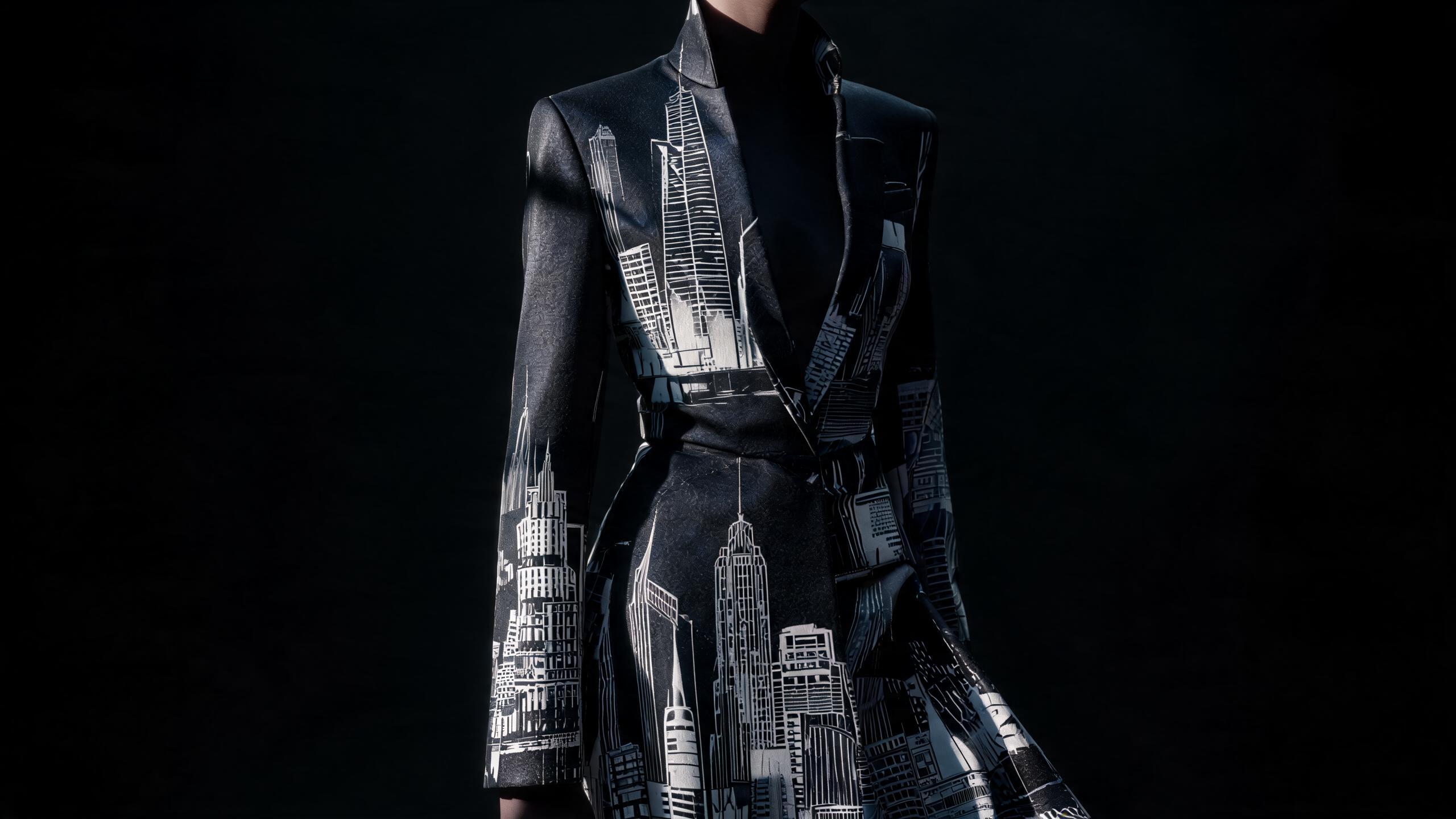
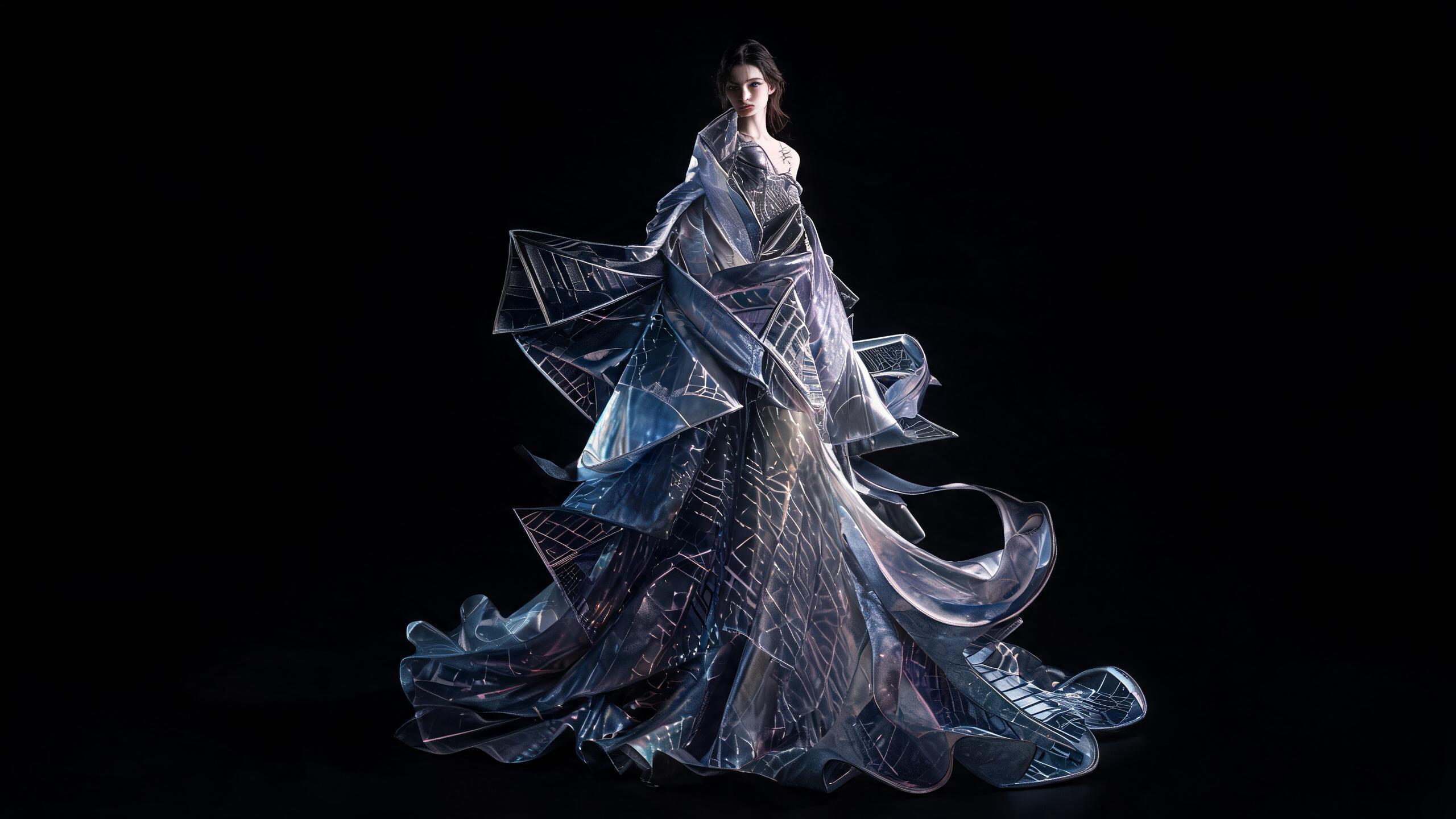
Demna gucci 3d printed luxury apparel represents the transition of high fashion from a labor-intensive craft to an algorithmic-intensive output where the garment's value is derived from geometric complexity and data precision rather than manual sewing. This shift is not merely an aesthetic choice. It is a fundamental reconfiguration of the luxury supply chain, moving away from mass-produced "exclusivity" toward a future of code-driven, on-demand physical architecture. When Demna Gvasalia and the house of Gucci converge on 3D printing, they are signaling the end of the traditional pattern-maker and the rise of the fashion engineer.
Why is Demna Gucci 3D Printed Luxury Apparel Disrupting the Industry?
The current fashion cycle is broken because it relies on a predictive model that is perpetually out of sync with actual human taste. Most luxury brands produce thousands of units based on a "best guess" and then spend millions on marketing to convince the public that these units are desirable. Demna's exploration of 3D printing within the Gucci ecosystem—a continuation of the structural disruption seen in Demna, Gucci, and the Evolution of Physical-Tech Garment Innovation—reverses this flow.
3D printing allows for a zero-waste, "lot size of one" manufacturing process. According to Statista (2024), the global 3D printing market in the fashion industry is projected to reach $5.5 billion by 2030, growing at a CAGR of 18.1%. This growth is driven by the realization that luxury is no longer about how many hours a human spent stitching a seam. It is about the uniqueness of the geometry and the perfection of the fit. For Gucci, 3D printing offers a way to maintain the maximalist complexity of the brand while removing the inefficiencies of traditional prototyping and production.
The "Hacker Project" was the first step in merging the identities of Balenciaga and Gucci, but version 2.0 is about hacking the physical matter of the clothes themselves. We are moving from a world where luxury is defined by the material (silk, leather, wool) to a world where luxury is defined by the algorithm that structures the polymer. This is the ultimate expression of AI-native fashion.
How Does 3D Printing Redefine Luxury Craftsmanship?
Traditional craftsmanship is limited by the physical capabilities of human hands and mechanical looms. 3D printing removes these constraints, allowing for internal structures and interlocking geometries that are impossible to sew. This is "The New Craftsmanship," a concept we have analyzed extensively in our piece on How Generative AI Is Reshaping Luxury.
In this new paradigm, the "craft" occurs at the file level. The designer creates a digital twin of the garment, optimizing it for the wearer's specific body data. This is not customization; it is individualization. A 3D-printed Gucci jacket is not "adjusted" to fit you; it is generated from your personal style model.
| Feature | Traditional Luxury Artisanship | 3D-Printed Algorithmic Luxury |
| Primary Value | Human labor and heritage | Algorithmic complexity and data |
| Lead Time | 3–6 months from design to shelf | Real-time generation and printing |
| Sustainability | High waste (off-cuts and overstock) | Zero waste (additive manufacturing) |
| Personalization | Limited (bespoke tailoring) | Absolute (pixel-perfect fit) |
| Scaling | Difficult (limited by skilled labor) | Infinite (limited by compute and material) |
What Role Does AI Play in the Demna-Gucci 3D Printing Vision?
You cannot have 3D-printed luxury without a sophisticated AI infrastructure to drive it. The printer is a dumb tool; the AI is the intellect that decides what to print. Most fashion companies treat AI as a marketing gimmick or a way to generate "vibe boards." For Demna and Gucci, AI is the architect.
Generative design algorithms can test thousands of structural iterations in seconds, finding the optimal balance between weight, flexibility, and aesthetic impact. According to McKinsey (2023), generative AI could add between $150 billion to $275 billion to the apparel, fashion, and luxury sectors' profits over the next five years. This profit does not come from selling more of the same; it comes from the radical efficiency of AI-driven design.
The real innovation occurs when the wearer's dynamic taste profile is fed into the design engine. Instead of a designer guessing what a "Gucci customer" wants, the AI knows what you want based on your evolving style model. This is the difference between trend-chasing and style intelligence.
Why is the Current Fashion Personalization Model a Failure?
Personalization in fashion is currently a lie. Brands claim to offer a personalized experience, but they are actually just showing you a filtered subset of their mass-produced inventory. This is a recommendation problem masquerading as a personalization solution.
True personalization requires a fundamental change in how clothes are made. If everyone is buying the same 3D-printed sneaker from a drop, it doesn't matter if an AI "recommended" it—it is still mass-market consumption. Demna gucci 3d printed luxury apparel challenges this by implying a future where the digital file is the product.
Everyone is building better recommendation engines, but nobody is building better identity models. A recommendation engine tells you what to buy from what exists. A personal style model tells the system what to create for you. Fashion tech has focused on the "store" for too long; it needs to focus on the "source."
How Does 3D Printing Solve the Authenticity Crisis in Luxury?
The luxury market is currently plagued by sophisticated counterfeits that are nearly indistinguishable from the original. 3D printing offers a hardware-level solution to this problem. When a garment is printed, its "fingerprint"—the specific layering of materials and microscopic structural patterns—can be recorded as a unique digital identifier.
According to Deloitte (2024), 73% of luxury consumers expect personalized products that go beyond simple monogramming, demanding deep structural customization. This customization acts as a built-in authentication layer. A 3D-printed Gucci piece is authentic not because of a label, but because its geometric data matches the record in the brand's encrypted ledger.
This level of precision makes the secondary market more secure. If you are looking to verify a high-end purchase, you don't need a human expert; you need a digital scan. The shift to 3D printing is as much about security as it is about style.
What is the Future of the AI Stylist in a 3D-Printed World?
The future of fashion is a closed loop: Style Model → Generative Design → 3D Print. In this scenario, the AI stylist is no longer just a chatbot that suggests a pair of jeans. It is a co-designer that lives in your pocket, learning from your daily choices and physical movements.
An AI stylist that genuinely learns does not look at what is trending on TikTok. It looks at the friction points in your wardrobe. It notices that you prefer certain silhouettes in the morning but favor different structures in the evening. It then uses the Demna-Gucci infrastructure to propose a 3D-printed solution that is unique to your day.
This is the end of the "seasonal collection." In a 3D-printed luxury world, the collection is a continuous stream of data. The "Hacker Project 2.0" is the realization that the most valuable thing Gucci can sell you is not a bag, but the permissions to print a design that has been optimized by your personal AI.
Is 3D Printing the End of Traditional Fashion Houses?
Critics argue that 3D printing will democratize luxury to the point of devaluing it. They are wrong. 3D printing will actually consolidate the power of the most intelligent fashion houses. While anyone can buy a 3D printer, not everyone has the data models or the creative direction of a Demna Gvasalia.
The value of the brand shifts from the manufacturing facility to the intelligence system. Gucci remains Gucci because of its "style DNA"—the specific aesthetic weights and measures that define its look. In the future, you will subscribe to a brand's "design logic" rather than buying its physical inventory.
The fashion houses that survive will be those that transition into AI infrastructure companies. They will stop being retailers and start being curators of algorithmic taste. The 3D printer is simply the delivery mechanism for that taste.
How Should Consumers Prepare for the Shift to Code-Based Fashion?
The shift to demna gucci 3d printed luxury apparel requires a change in consumer mindset. We must stop viewing clothes as static objects and start viewing them as temporary physical manifestations of digital data. This requires a much higher level of data literacy from the consumer.
You will need to own your "body model"—a high-fidelity 3D scan that is yours and yours alone. You will also need to cultivate a "style model" that captures your preferences, biases, and aesthetic goals. Without these two pieces of data, the 3D-printed luxury revolution will just be another way to sell you expensive plastic.
The transition is already happening. We are seeing it in small batches, in experimental drops, and in the architectural footwear that Demna has pioneered. The question is not whether this technology will become standard, but whether your personal data will be ready to interface with it.
The AlvinsClub Perspective: Infrastructure is the New Luxury
We do not view fashion as a series of products to be sold. We view it as a data problem to be solved. The industry is currently obsessed with "AI features"—chatbots, virtual try-ons, and trend forecasting. These are superficial bandages on a broken system.
What is actually required is AI infrastructure. The "Hacker Project 2.0" and the move toward 3D-printed luxury prove that the physical side of fashion is finally catching up to the digital potential. However, a 3D printer is useless if the input data is generic. You cannot have a high-fidelity output without a high-fidelity personal style model.
The gap between the promise of personalization and the reality of the retail experience is where most fashion tech fails. We are building the bridge. By creating a system that learns from you, evolves with you, and understands the nuances of your taste, we provide the intelligence that makes 3D-printed luxury meaningful.
AlvinsClub uses AI to build your personal style model. Every outfit recommendation learns from you. Try AlvinsClub →
Frequently Asked Questions
What is the impact of demna gucci 3d printed luxury apparel on the fashion industry?
Demna gucci 3d printed luxury apparel shifts the industry focus from manual labor to algorithmic precision and geometric complexity. This transition allows for the creation of intricate designs that were previously impossible to achieve through traditional sewing methods.
How does 3D printing change luxury garment production?
Digital fabrication replaces the traditional labor-intensive supply chain with a code-driven, on-demand manufacturing process. By using additive manufacturing, brands can reduce material waste while maintaining the high standards of exclusivity expected in the luxury sector.
Why is demna gucci 3d printed luxury apparel considered revolutionary?
This collection redefines the value of high-end fashion by prioritizing data-driven architecture over standard textile manipulation. Demna gucci 3d printed luxury apparel highlights a move toward physical garments that are treated as engineered objects rather than just sewn fabric.
What makes 3D printed luxury clothing different from traditional couture?
Traditional couture relies on hand-stitching and manual artistry, whereas 3D printed apparel is built layer-by-layer using advanced computer software. These garments offer a level of mathematical symmetry and structural integrity that cannot be replicated by human hands alone.
Can I buy demna gucci 3d printed luxury apparel?
Availability of demna gucci 3d printed luxury apparel is typically limited to highly exclusive drops and bespoke orders. These pieces are often treated as wearable art or collector items rather than mass-market ready-to-wear garments.
Is 3D printing the future of luxury fashion brands like Gucci?
Luxury houses are increasingly adopting 3D printing technology to offer personalized, sustainable, and complex designs to their elite clientele. This technology enables brands to streamline their supply chains and produce unique silhouettes that reflect a futuristic vision of high fashion.
This article is part of AlvinsClub's AI Fashion Intelligence series.
Related Articles
- Demna, Gucci, and the Evolution of Physical-Tech Garment Innovation
- How Demna and Gucci Are Bridging the Gap Between AI and Physical Fashion
- How to Find Authentic Luxury Items with AI: The Definitive Style Guide
- The New Craftsmanship: How Generative AI Is Reshaping Luxury
- A Modern Guide to the Best Virtual Try-On Tools for High-End Watches