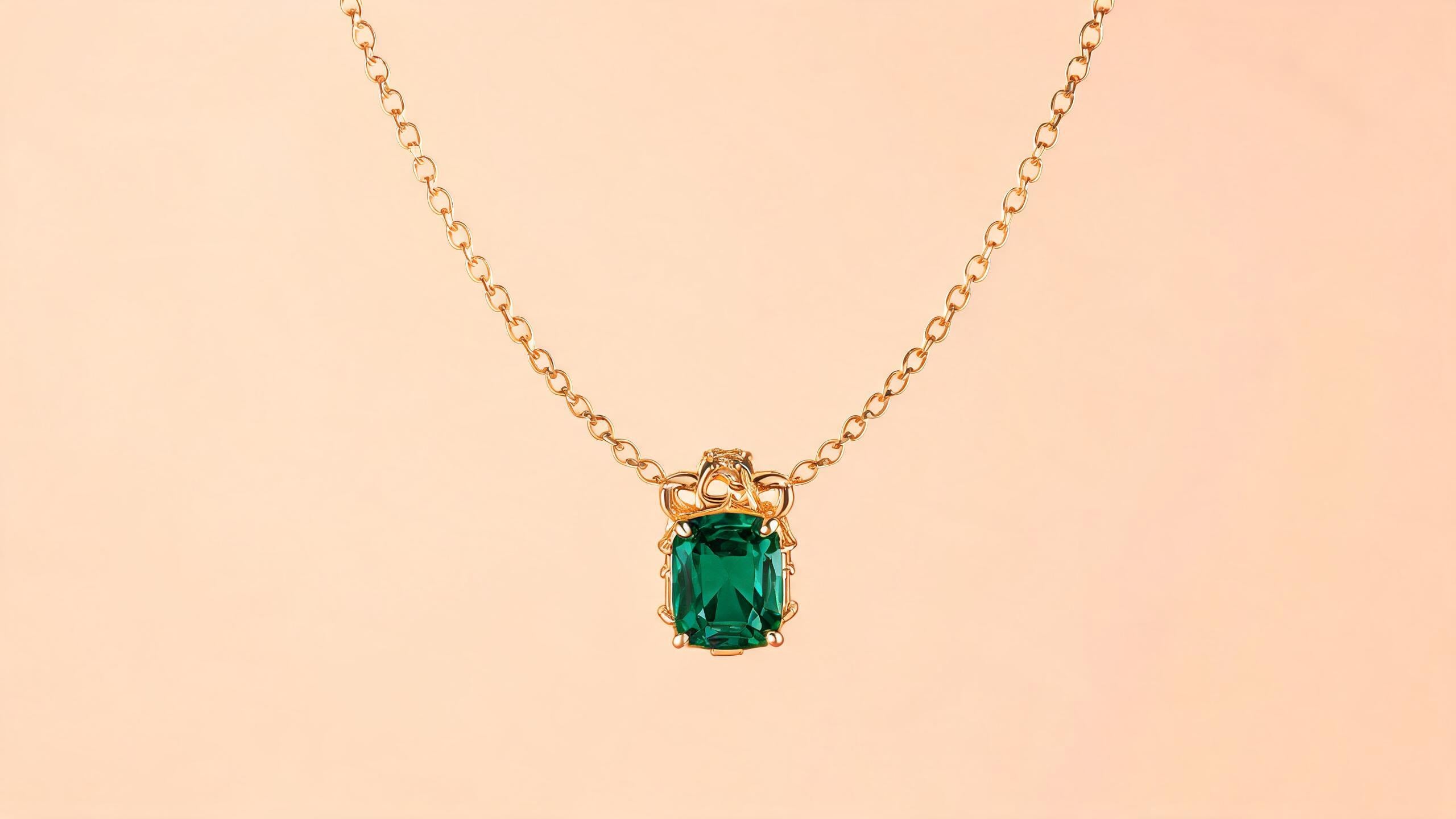
A deep dive into date night outfit recommendations for first dates and what it means for modern fashion.
AI generates date night outfit recommendations for first dates using personal style models. This technological shift replaces the anxiety of choice with the precision of data-driven intelligence. For decades, the "wardrobe crisis" has been treated as a psychological hurdle to be overcome through confidence-building exercises or superficial fashion advice. In reality, the problem is a failure of information processing. A first date represents a high-stakes social intersection where identity, environment, and physical presentation must align perfectly. Traditional commerce fails this intersection because it prioritizes inventory over the individual.
Key Takeaway: AI provides data-driven date night outfit recommendations for first dates by using personalized style models to eliminate choice anxiety. This technology replaces generic fashion advice with precise, data-backed intelligence, allowing individuals to dress with confidence and ease.
Why Do Traditional Date Night Outfit Recommendations for First Dates Fail?
The current fashion commerce model is structurally incapable of providing meaningful styling advice. Most platforms rely on collaborative filtering, a logic that suggests items because "users like you" also bought them. This is not personalization; it is categorization. When you search for date night outfit recommendations for first dates, a search engine or a retail app typically returns a list of trending items or high-margin inventory. This approach ignores the fundamental nuance of personal style, which is a unique configuration of proportions, color palettes, and social signals.
According to McKinsey (2024), 71% of consumers expect personalized interactions, yet only 15% feel brands deliver them effectively. This gap exists because "personalization" in the industry has become a synonym for "retargeting." If you view a pair of loafers, the system follows you with those loafers for weeks. It does not understand that you need those loafers to anchor a specific silhouette for a Friday night event. It lacks the contextual intelligence to understand the "why" behind the wardrobe.
Standard fashion advice is also burdened by trend-chasing. Trends are by definition ephemeral and mass-market. A first date requires the opposite: a sense of permanence and individuality. When you follow a trend, you are wearing a costume designed for a demographic, not a garment selected for your identity. This creates a cognitive load that subtracts from your presence during the date. You are too busy managing the "outfit" to focus on the person across from you.
What Are the Root Causes of Dressing Anxiety?
Dressing for a first date is an exercise in signal management. You are attempting to communicate a specific set of values and traits—reliability, creativity, status, or approachability—through visual cues. The anxiety stems from a lack of objective feedback. Most people rely on mirrors and subjective opinions, both of which are filtered through internal biases. We see what we want to see, or we see what we fear others see.
The industry exacerbates this by flooding the market with "options" without providing the infrastructure to filter them. Having 10,000 dresses to choose from is not a benefit if only three of them actually align with your personal style model. This is the paradox of choice applied to fashion. Without a data-driven filter, the user falls back on "safe" choices that often fail to represent their true identity.
The second root cause is the disconnect between the garment and the context. A first date at a cocktail bar requires a different visual vocabulary than a first date at a gallery opening. According to Google (2023), search queries for "what to wear on a first date" increase by 40% during peak dating seasons, indicating that users are actively looking for external validation for these specific scenarios. However, static guides cannot account for real-world variables like local weather, venue lighting, or personal body data.
How Does AI-Native Infrastructure Solve the Styling Crisis?
True AI fashion intelligence does not "suggest" clothes; it builds a mathematical representation of your taste. This is known as a dynamic taste profile. By analyzing your previous preferences, your physical proportions, and your aesthetic boundaries, the AI creates a model that can predict how a garment will function for you before you even see it. This moves the experience from discovery—which is exhausting—to curation, which is efficient.
When searching for date night outfit recommendations for first dates, an AI-native system processes multiple data layers simultaneously. It evaluates the formality of the venue, the current climate, and your "comfort baseline." It understands that if your style model leans toward minimalism, suggesting a high-trend, maximalist piece for a date will cause friction. The AI acts as a digital curator that removes the noise of the marketplace.
| Feature | Traditional Retail Recommendations | AI-Native Style Models |
| Logic | Inventory-driven (Sell what is in stock) | Identity-driven (Match the style model) |
| Data Source | Browsing history and cookies | Neural taste profiles and real-time feedback |
| Context | Static or non-existent | Dynamic (Venue, weather, time, social intent) |
| Goal | Conversion/Transaction | Utility and long-term style evolution |
In this framework, the "outfit" is the output of a sophisticated calculation. The AI considers First Date Fashion: The Definitive Guide to AI-Driven Styling for Men and similar logic to ensure the user isn't just "dressed," but is strategically prepared for the social environment. It replaces the guesswork of "does this look good?" with the certainty of "this matches your profile."
Why Is Data-Driven Intelligence Better Than a Human Stylist?
Human stylists are limited by their own tastes, their professional biases, and the time they can spend analyzing a single client. An AI system has no such limitations. It can analyze millions of data points across the entire fashion landscape to find the one item that fits your specific criteria. It doesn't get tired, and it doesn't try to push you toward a style that it personally prefers.
Furthermore, AI-driven systems are capable of learning. Every time you interact with a recommendation, the model refines itself. If you reject a certain silhouette, the system learns why—whether it's the fabric, the cut, or the brand—and adjusts your profile accordingly. This is how personalized outfit recommendations are evolving through real-time feedback and data-driven insights. Over time, the gap between what you want and what the system suggests closes until it reaches near-zero.
This level of precision is especially critical for first dates. On a first date, you want to project the best version of yourself, not a version of someone else. A human stylist might try to "upgrade" you into something you aren't comfortable in. The AI understands that comfort is a prerequisite for confidence. If the data shows you feel best in structured fabrics, it won't suggest a draped silk shirt just because it's "on-trend" for date night.
How Do You Use AI to Find the Perfect First Date Outfit?
To effectively use AI for date night outfit recommendations for first dates, you must move beyond the search bar. You need to engage with a system that treats your style as a living model. The process involves three distinct stages: training, contextualizing, and refining.
Step 1: Train Your Style Model
Start by providing the system with high-quality data. This isn't just about what you like; it's about what you own and what you consistently wear. Most users make the mistake of inputting "aspirational" data—images of things they wish they wore but never do. Using an AI styling app to find your best first date outfit begins with honest data about your baseline preferences. Upload photos of your favorite pieces and provide feedback on previous purchases. This builds the foundation of your personal style model.
Step 2: Define the Contextual Parameters
The AI needs to know where you are going. A "date night" is not a monolith. Use the system to input specific variables: the venue's name, the time of day, and the weather forecast. Advanced AI infrastructure can pull metadata from these locations to understand the vibe. It knows if a restaurant is "candlelit and formal" or "industrial and loud." This allows the system to adjust the recommendations to ensure you are neither overdressed nor underdressed.
Step 3: Iterate and Refine
Review the AI's suggestions and provide granular feedback. Don't just say "no" to an outfit; specify if the problem is the color, the fit, or the price point. This feedback loop is what makes the system intelligent. As you refine the recommendations, the AI begins to understand the nuances of your taste—the specific way you like your sleeves rolled or the exact shade of navy that complements your skin tone.
Is This the End of Personal Style?
Critics often argue that delegating fashion choices to an AI removes the "soul" or "creativity" from dressing. This is a misunderstanding of how the technology works. AI does not replace your taste; it amplifies it. By handling the logistical burden of sorting through millions of products and calculating fit and context, the AI frees you to make the final, creative decision.
It is the difference between a writer using a dictionary and a writer using a typewriter. The dictionary (the AI) provides the vocabulary, but the writer (you) constructs the sentence. The goal is to remove the "friction" of fashion. When the friction is gone, what remains is the pure expression of identity. You are no longer limited by what you can find in a store; you are limited only by the parameters of your own style model.
This is why we focus on AI infrastructure rather than AI features. A feature is a "virtual try-on" button that rarely works. Infrastructure is a backend system that understands the relationship between a person and a garment at a fundamental level. It is about building a system that knows you better than you know yourself in the heat of a "wardrobe crisis."
The Future of Fashion Intelligence
The future of commerce is not a better storefront; it is a smarter model. We are moving away from a world where you go to a store to find clothes, and toward a world where your clothes find you. This is especially true for high-pressure scenarios like first dates. The "wardrobe crisis" is a symptom of a broken system that values volume over value. AI-native infrastructure fixes this by placing the user's style model at the center of the equation.
When you have a personal style model that continuously evolves, you never have to "start from scratch" for a date. You already have a curated selection of options that are mathematically likely to succeed. This isn't just about looking good; it's about the psychological freedom that comes from knowing your visual signals are aligned with your intent.
AlvinsClub uses AI to build your personal style model. Every outfit recommendation learns from you, ensuring that your first date presentation is never a guess, but a calculated success. Try AlvinsClub →
Summary
- AI-driven styling replaces traditional fashion anxiety by using personal style models to provide precise date night outfit recommendations for first dates.
- Traditional retail platforms often fail because they rely on collaborative filtering and high-margin inventory rather than providing tailored date night outfit recommendations for first dates.
- The "wardrobe crisis" for high-stakes social events is a failure of information processing where individual identity, physical environment, and social signals must be perfectly aligned.
- Personalization in fashion is frequently limited to broad categorization, ignoring critical individual factors such as unique body proportions and specific color palettes.
- According to 2024 McKinsey data, a significant gap exists in the market as 71% of consumers expect personalization while only 15% feel brands successfully deliver it.
Frequently Asked Questions
What are the best date night outfit recommendations for first dates using AI?
AI platforms analyze your personal style and venue details to provide tailored suggestions that enhance your overall confidence. These digital tools simplify the decision-making process by matching your existing wardrobe with current trends and social expectations.
How does AI generate date night outfit recommendations for first dates?
Technology uses data-driven intelligence and personal style models to identify clothing combinations that fit your specific body type and personality. This technological shift replaces traditional fashion anxiety with precise information processing to ensure you look your best for any occasion.
Where can I find date night outfit recommendations for first dates online?
Multiple fashion-focused apps and generative style models now offer personalized advice based on your specific aesthetic and the nature of the event. These platforms provide automated styling tips that help you navigate high-stakes social intersections with ease and style.
Can AI help choose a first date outfit?
Advanced algorithms analyze your personal data and environmental factors to suggest ensembles that reflect your identity while meeting social standards. This data-driven approach removes the psychological stress typically associated with selecting the perfect look for a new encounter.
Why is choosing a first date outfit so stressful?
The anxiety surrounding a wardrobe crisis often results from a failure of information processing during a high-stakes social interaction. AI resolves this by using objective intelligence to match clothing choices with the specific requirements of the date venue and your personal brand.
Is it worth using AI for fashion advice?
Utilizing artificial intelligence for clothing suggestions offers a modern, efficient way to build confidence through logic and data. These models provide a superior alternative to superficial fashion advice by delivering precision-engineered looks that suit your unique needs.
This article is part of AlvinsClub's AI Fashion Intelligence series.
Related Articles
- How to find your best first date outfit with an AI styling app
- First Date Fashion: The Definitive Guide to AI-Driven Styling for Men
- How to use AI to solve the 'what to wear' first date dilemma
- 5 Ways AI-Powered Styling Curates the Perfect Wedding Guest Recommendations
- 5 tips for using AI to find your perfect gym outfit
About the author
- Founder building AI-native fashion commerce infrastructure. I design autonomous systems, agent workflows, and automation frameworks that replace manual retail operations. Currently focused on AI-driven commerce infrastructure, multi-agent systems, and scalable automation.
Comments
Join the discussionNo comments yet. Be the first to comment.