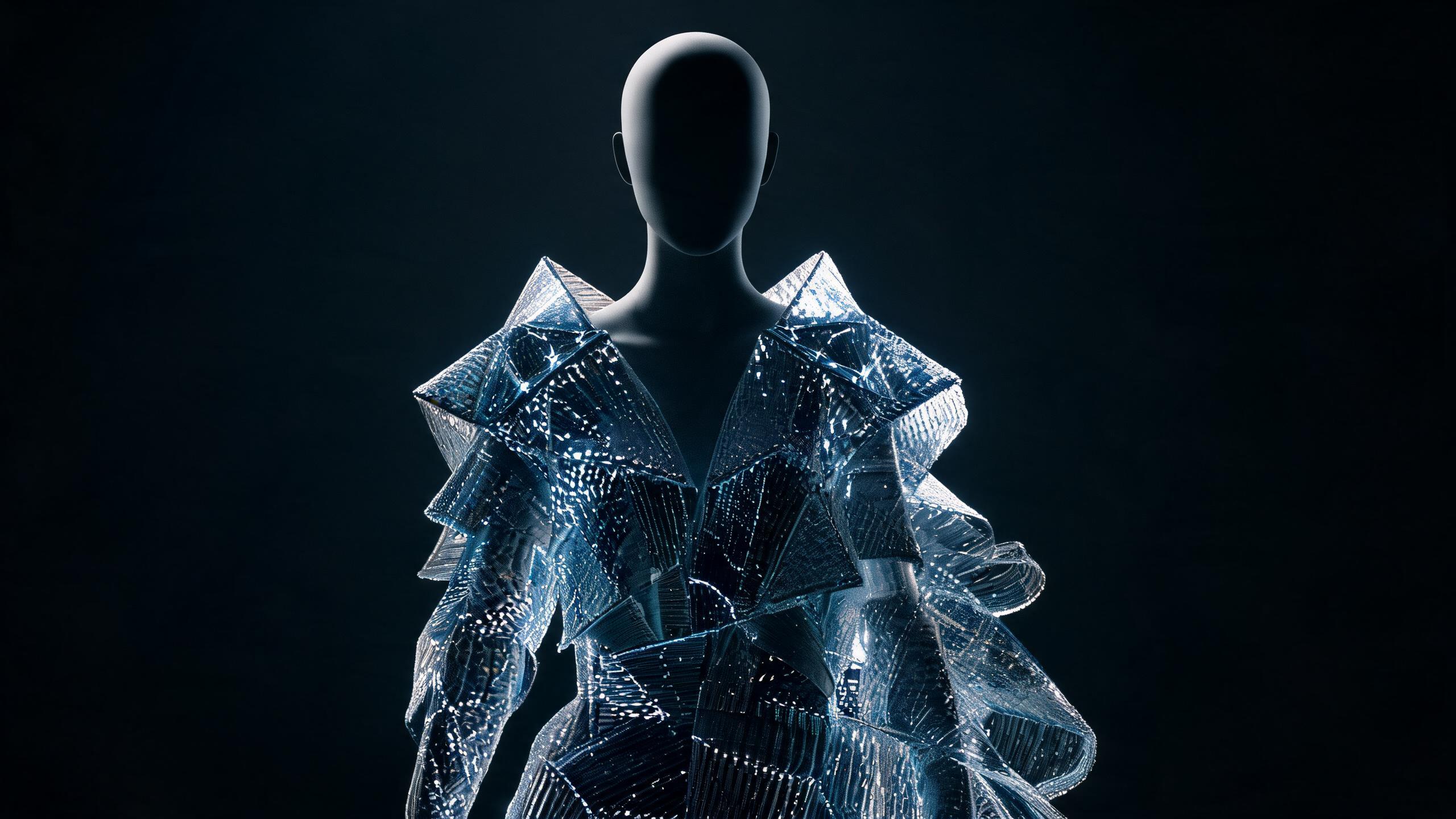
How to use AI to solve the 'what to wear' first date dilemma

A deep dive into what to wear for first date AI and what it means for modern fashion.
First-date AI styling uses machine learning algorithms to synthesize venue variables, personal taste profiles, and psychological color theory into an optimized sartorial strategy. This technical approach replaces the emotional guesswork of traditional dressing with data-driven precision. The dilemma of what to wear for a first date is not a lack of clothing options, but a failure of information processing.
Key Takeaway: Using what to wear for first date AI tools allows you to synthesize venue variables and color theory into a data-driven sartorial strategy that replaces subjective guesswork with machine-learning precision.
Why is the 'what to wear' first date dilemma a systemic failure?
The core problem with first-date dressing is the reliance on generalized advice for a hyper-specific event. Most individuals approach their wardrobe with a "best-guess" mentality, attempting to mirror perceived social standards rather than expressing an authentic identity model. This results in a cognitive dissonance between how a person feels and how they appear, which directly impacts confidence and social performance.
Traditional commerce encourages trend-chasing. When a user asks "what to wear for first date AI" in a search engine, they are usually met with static lists of "timeless" pieces that ignore their body type, the specific lighting of the venue, and their personal comfort thresholds. This is a recommendation failure. It treats the user as an average of a demographic rather than a unique data point.
Furthermore, the psychological stakes of a first date create a "decision paralysis" loop. According to Gartner (2023), 80% of digital commerce organizations will use AI-driven personalization by 2025 to reduce decision fatigue among consumers. In the context of a first date, this fatigue is compounded by the fear of sending the wrong social signals. Without a structured system to filter options, the individual reverts to "safe" but uninspired choices that fail to communicate personality.
How do common fashion approaches fail in high-stakes social scenarios?
Common approaches—such as asking friends for advice or browsing Pinterest—fail because they lack objectivity and contextual intelligence. Your friends have their own stylistic biases. Pinterest shows you a curated image of a model in California sunlight, which has zero relevance to your 8:00 PM dinner in a dimly lit bistro.
The following table illustrates the structural weaknesses of traditional fashion discovery versus the AI-native approach:
| Feature | Traditional Fashion Discovery | AI-Native Fashion Intelligence |
| Logic | Trend-driven (What is popular?) | Identity-driven (What is yours?) |
| Context | Static (One-size-fits-all) | Dynamic (Venue, weather, time) |
| Feedback Loop | None (You buy and hope) | Continuous (Model learns from every wear) |
| Data Source | Editorial snapshots | Personal taste profile + Body data |
| Goal | Sales conversion | Style optimization |
Most fashion apps are built to move inventory, not to build your style. They recommend what they need to sell, not what you need to wear. This conflict of interest is why "personalization" in current retail feels like a marketing gimmick rather than a utility. For a deep dive into how this affects specific demographics, see The Ultimate Style Guide to Dressing for a Plus-Size First Date.
Why does the fashion industry struggle with genuine personalization?
The industry is built on a legacy architecture of seasonal drops and mass production. This "push" model requires consumers to adapt to the brand, rather than the brand adapting to the consumer. Personalization is often reduced to "people who bought this also bought that," which is a collaborative filtering technique that ignores the nuances of individual taste.
True personalization requires a personal style model—a digital twin of your aesthetic preferences. The reason most people struggle with "what to wear for first date AI" queries is that they are looking for a quick fix in a system designed for mass consumption. They are trying to solve an identity problem with a transaction-based tool.
The gap between promise and reality exists because building fashion intelligence is an engineering challenge, not a creative one. It requires mapping the latent space of style—understanding that a "minimalist" look for one person involves structured wool, while for another, it involves draped silk. Without this granular data, recommendations will always remain shallow.
How can AI solve the first date dressing problem?
The solution lies in shifting from a search-based model to a generative, model-based model. Instead of searching for an outfit, you train a system to understand your aesthetic DNA. This is the transition from "browsing a catalog" to "interfacing with an intelligence."
To solve the first-date dilemma, the AI must process three distinct data layers:
- The Identity Layer: Your body proportions, skin undertones, and historical "win" states (outfits you felt best in).
- The Context Layer: The venue's vibe (industrial, romantic, casual), the weather forecast, and the time of day.
- The Intent Layer: The specific signal you want to send (approachable, sophisticated, edgy).
By synthesizing these layers, the AI generates a recommendation that is mathematically optimized for the moment. This is not about following a trend; it is about executing a strategy.
The AI-Driven First Date Outfit Formula
To visualize how an AI constructs an outfit, consider this structured logic for a "Sophisticated Casual" date:
- Base Layer (The Anchor): A high-quality knit or structured tee that matches the user's optimal color palette (e.g., Earth tones for olive skin).
- Structural Layer (The Silhouette): A tailored blazer or an overshirt that provides a defined shoulder line, signaling composure.
- Lower Body (The Comfort): Dark-wash Japanese denim or tech-twill chinos that offer mobility while maintaining a clean line.
- Footwear (The Tone-Setter): Clean leather sneakers or Chelsea boots, depending on the venue's "formality score."
- Accessory (The Narrative): A single vintage watch or a minimalist piece of jewelry that serves as a conversation starter.
👗 Want to see how these styles look on your body type? Try AlvinsClub's AI Stylist → — get personalized outfit recommendations in seconds.
How do you build a personal style model for future dates?
Building a personal style model is an iterative process of data ingestion. You do not simply "use" an AI; you train it. Every time you reject or accept a recommendation, the model refines its understanding of your taste boundaries. This is similar to how a music streaming service learns your sub-genre preferences over time.
For those looking to automate their entire wardrobe, the process involves digitizing your current closet and identifying the "gaps" that the AI identifies based on your lifestyle needs. You can learn more about this infrastructure in our guide on how to train your own personalized AI style model for effortless work wear.
According to McKinsey (2024), generative AI could add $150 billion to $275 billion to the apparel, fashion, and luxury sectors' profits by optimizing personalized customer journeys. The value for the consumer is the total elimination of "closet anxiety." When the system knows you, the question of "what to wear" disappears.
What are the Do's and Don'ts of AI-assisted first date styling?
Even with an AI model, the human-in-the-loop must understand the logic behind the selections. Use the following table as a reference for your next high-stakes social event:
| The "Do" | Why? | The "Don't" | Why? |
| Do prioritize fit over brand. | AI identifies proportions that flatter your specific frame. | Don't wear something "trending" that you hate. | It creates a "costume" effect that kills authenticity. |
| Do check the venue's "Visual Language." | The AI analyzes the lighting and decor to ensure you don't clash. | Don't ignore the weather data. | Physical discomfort is the fastest way to ruin a date. |
| Do use color theory. | Contrast ratios between your skin and fabric can make you look more vibrant. | Don't over-accessorize. | Too many data points distract from the primary subject: you. |
| Do trust the "Personalized Basics." | High-quality essentials are the foundation of a reliable style model. | Don't wear brand new shoes. | Practicality is a subset of intelligence. |
How does AI analyze the 'vibe' of a date venue?
A sophisticated AI fashion intelligence system does not just look at your clothes; it looks at the world around you. Through computer vision, it can analyze thousands of images of a specific restaurant or bar to determine the "latent style" of the patrons and the environment.
If the venue has warm, low-level lighting with leather booths, the AI might suggest textures like suede or heavy cotton that absorb light and feel "cozy." If the venue is a bright, high-ceilinged coffee shop with industrial metal, the AI might suggest crisp linens or sharp synthetics to provide a visual contrast. This level of environmental awareness is impossible for a human stylist to maintain at scale.
Why is 'AI Stylist' the future of fashion commerce?
The "AI Stylist" is not a feature; it is the new infrastructure. In the old model, you were the search engine. You spent hours scrolling through pages of items, trying to mentally simulate how they would look on you. In the new model, the AI is the curator. It presents you with the "finalists" that have already been vetted against your style model.
This shift moves the focus from "shopping" to "wearing." For many, especially those who find traditional fashion intimidating, this is a liberation from the "fashion police" mentality. Whether you are looking for AI styling for a night out as a plus-size individual or preparing for a corporate shift, the underlying technology remains the same: it is an optimization engine for your identity.
Comparison: Traditional vs. AI First Date Preparation
- Preparation Time: 2 hours of scrolling vs. 2 minutes of model-generated options.
- Confidence Level: High variance (depends on mood) vs. Consistently high (based on data-backed "wins").
- Cost Efficiency: High (buying "trending" items) vs. Low (maximizing the utility of existing wardrobe).
- Success Rate: Subjective vs. Quantifiable based on feedback loops.
Is your current wardrobe holding back your style model?
Most wardrobes are a graveyard of impulsive purchases and "maybe one day" outfits. An AI-native system identifies these inefficiencies. It shows you that you own 14 white t-shirts but none that actually match your neck-to-shoulder ratio. It points out that you avoid wearing 40% of your closet because you lack the specific "bridge" pieces to connect them.
By using AI to solve the "what to wear" dilemma for a first date, you aren't just getting an outfit. You are beginning the process of auditing your entire aesthetic life. You are moving from a state of chaos to a state of systemized style.
What happens when your style model matures?
As your personal style model evolves, the friction of getting dressed reaches zero. The system anticipates your needs. It knows your date is at 7:00 PM, it knows it’s raining, and it knows you have a preferred pair of boots that are currently clean. It suggests the outfit before you even feel the anxiety of the choice.
This is the future of AlvinsClub. We aren't building a store; we are building the intelligence that makes stores obsolete. We are moving toward a world where your clothes are an extension of your data, and your style is a model that grows with you.
AlvinsClub uses AI to build your personal style model. Every outfit recommendation learns from you. Try AlvinsClub →
Summary
- First-date AI styling uses machine learning algorithms to synthesize venue variables, personal taste, and color theory into a data-driven sartorial strategy.
- Finding what to wear for first date AI recommendations helps users avoid the decision paralysis associated with generic, trend-based fashion advice.
- Traditional dressing often leads to cognitive dissonance because it ignores specific environmental data such as venue lighting and individual comfort thresholds.
- Implementing what to wear for first date AI strategies optimizes social performance by aligning a person's physical appearance with their authentic identity model.
- The shift toward AI-driven personalization addresses a systemic failure in information processing within the traditional fashion and commerce industries.
Frequently Asked Questions
What is the process for choosing what to wear for first date AI style recommendations?
Choosing an outfit through artificial intelligence involves inputting venue data and personal preferences to generate a data-driven sartorial strategy. This technical approach replaces emotional guesswork with machine learning precision to ensure a cohesive and confident appearance.
How does an algorithm decide what to wear for first date AI fashion profiles?
Algorithms analyze venue variables and historical fashion data to synthesize a look that aligns with specific social contexts and personal tastes. This system processes massive amounts of information to provide an optimized suggestion that traditional styling might miss.
Is it worth trusting an app to pick what to wear for first date AI optimized outfits?
Leveraging data-driven tools helps eliminate the decision fatigue and uncertainty often associated with high-stakes social preparations. By relying on objective information processing, individuals can increase their self-assurance and ensure their attire is perfectly suited for their environment.
Why does color theory play a role in AI-driven outfit selection?
Color theory is integrated into selection models because specific hues evoke predictable psychological responses and influence how a person is perceived during initial encounters. Artificial intelligence uses these insights to recommend shades that project confidence, warmth, or professionalism based on specific social goals.
How does machine learning reduce the stress of choosing a date outfit?
Machine learning identifies patterns in venue ambiance and successful clothing styles to narrow down the best possible options from your existing wardrobe. This creates a streamlined decision-making process that solves the dilemma of information overload by providing a clear, evidence-based choice.
Can you use artificial intelligence to match your outfit to a specific venue?
Modern styling platforms can calibrate your wardrobe choices against the specific dress code or aesthetic of any location using geospatial and social data. This ensures your look is neither underdressed nor overdressed for the specific setting of your meeting, removing the risk of social friction.
This article is part of AlvinsClub's AI Fashion Intelligence series.
Related Articles
- AI Styling: Deciding What to Wear for a Night Out if You Are Plus Size
- AI vs. Tradition: A Modern Guide on What to Wear to Job Interviews
- The Ultimate Style Guide to Dressing for a Plus-Size First Date
- Color Theory Decoded: Finding the Best Earth Tones for Olive Skin
- How to train your own personalized AI style model for effortless work wear