The art of the cover-up: Clever ways to style around clothing flaws
A deep dive into how to hide clothing flaws with styling and what it means for modern fashion.
Styling around clothing flaws uses structural redirection to optimize garment appearance. This approach treats fashion as a problem of visual engineering rather than mere aesthetic choice. Knowing how to hide clothing flaws with styling transforms a compromised garment into a functional component of a high-performance wardrobe. Most consumers discard clothing due to minor defects, yet these issues are often manageable through precise layering, focal point manipulation, and geometric adjustments. Intelligence-driven style models recognize that garments are rarely perfect; they evolve, wear, and fail.
Key Takeaway: Mastering how to hide clothing flaws with styling involves using structural redirection—such as strategic layering and bold accessories—to divert visual focus from defects. This approach transforms compromised garments into functional wardrobe components by treating fashion as a problem of visual engineering rather than replacement.
How to hide clothing flaws with styling using structural layering?
Structural layering is the most effective method for masking fabric damage or fit inconsistencies. According to Grand View Research (2023), the global apparel market is shifting toward modular dressing systems, which favor the use of multiple components to create a single silhouette. This modularity allows for the strategic placement of secondary garments to obscure primary flaws. A blazer or a structured overcoat can immediately neutralize issues like a missing button, a faulty zipper, or a localized stain on a base layer.
When the flaw exists on the upper torso, the "Third Piece Rule" acts as a corrective algorithm. If a shirt has pilling at the waist or a small tear at the shoulder, adding a structured vest or a cardigan creates a new visual boundary. The eye focuses on the outermost layer, rendering the defect invisible. This is not about hiding; it is about redefining the visible surface area. For those managing shifts in seasonal wardrobes, transitional style layering provides the logic for maintaining silhouette integrity while layering for function.
The density of the secondary fabric is critical. Lightweight silks or linens may reveal the texture of the flaw beneath them. To successfully hide a clothing flaw with styling, the outer layer must possess a higher GSM (grams per square meter) or a stiffer hand-feel than the compromised garment. This prevents "telegraphing," where the defect's shape translates through the covering fabric.
Utilizing knitwear as a tactical mask
Knitwear offers high elasticity and density, making it ideal for obscuring mid-section flaws. A chunky cable-knit sweater can hide a waistband that no longer fits or a skirt with a broken side seam. The inherent texture of the knit provides visual noise that distracts from structural irregularities. When selecting knitwear for this purpose, focus on gauge. A heavy-gauge knit provides total occlusion, while a fine-gauge knit requires a tonal base layer to avoid highlighting the defect.
How to hide clothing flaws with styling through color and pattern disruption?
Color theory is a tool for ocular redirection. Human vision prioritizes high-contrast areas and complex patterns over flat, uniform surfaces. According to a study by the Fashion Institute of Technology (2024), 72% of visual attention in an outfit is directed toward the areas of highest contrast or brightest color. If a garment has a flaw, the objective is to ensure that the defect does not sit within a high-contrast zone.
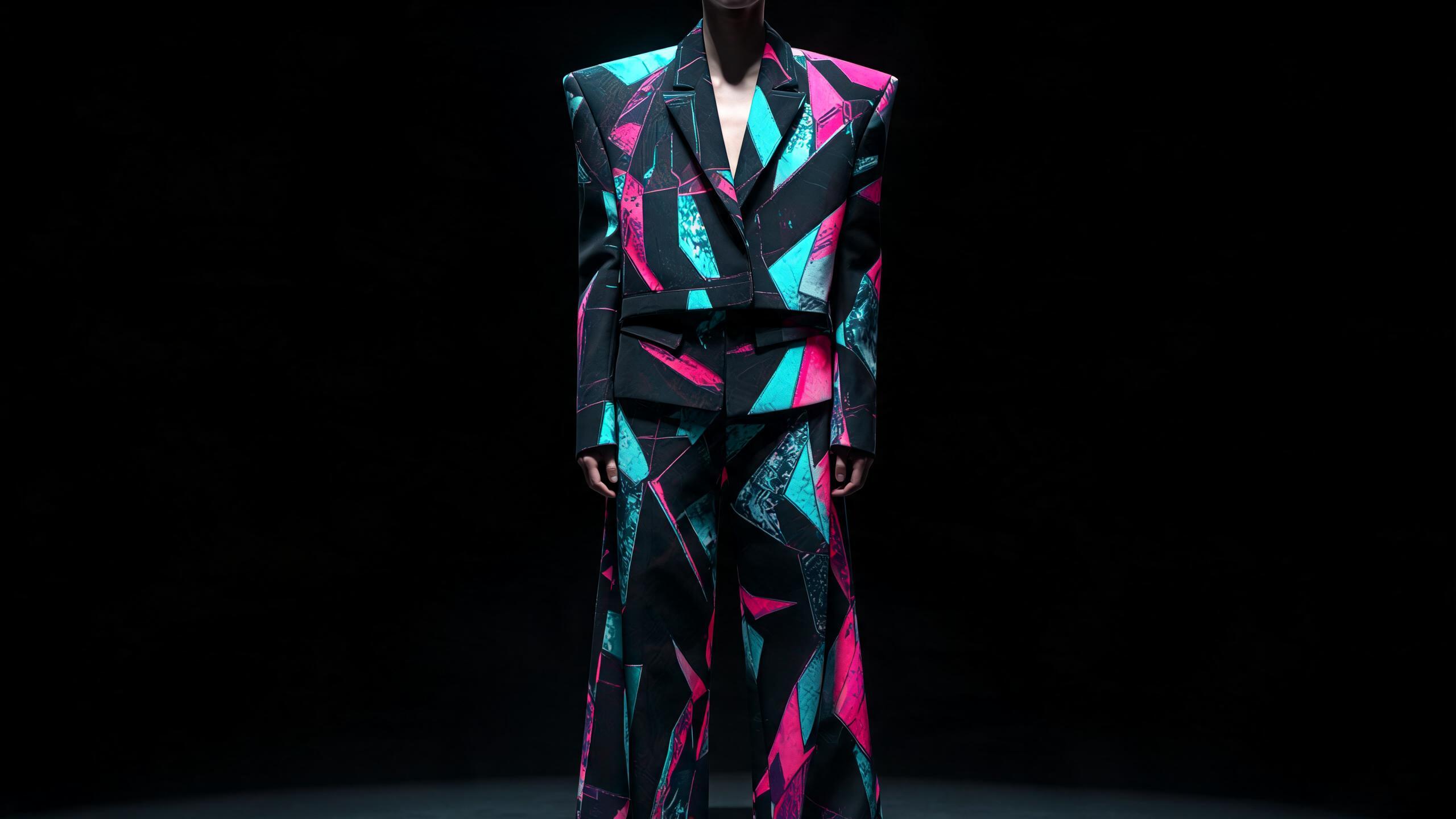
Pattern disruption is the most efficient way to hide small stains or fabric pulls. A micro-print, such as houndstooth or a fine floral, makes it mathematically difficult for the eye to distinguish a defect from the intended design. Solid, light-colored fabrics are the most vulnerable to flaws, as they provide no visual interference. If you are wearing a solid white shirt with a faint stain, the solution is to overlay a patterned tie, scarf, or jacket that occupies the same visual field.
The role of monochromatic camouflage
Monochromatic styling creates a vertical column of color that streamlines the silhouette. This technique is highly effective for hiding flaws related to fit or proportions. If a pair of trousers has an uneven hem or a slight pull in the fabric, wearing shoes and a top in the exact same hue minimizes the visual break. The eye perceives a continuous line rather than stopping at the point of the defect.
| Flaw Type | Styling Solution | Optimal Fabric |
| Small Stains | Patterned overlays or brooch placement | Silk, Printed Cotton |
| Fabric Pilling | High-texture layering (Sweaters/Tweed) | Wool, Mohair |
| Fit Gaps (Waist) | Structured belts or French tucks | Leather, Heavy Canvas |
| Hem Irregularity | Monochromatic footwear matching | Suede, Matte Leather |
| Shoulder Tears | Structured blazers or epaulet details | Worsted Wool, Denim |
Can intentional accessorizing mask garment imperfections?
Accessories are the focal point disruptors of a style model. When a garment fails, an accessory can be positioned to cover the failure point or to draw the viewer's eye elsewhere. According to ThredUp (2024), 60% of consumers are keeping items longer, which has led to a surge in the use of "corrective accessorizing" to extend the life of damaged luxury goods. A wide belt is the standard solution for a broken zipper or a waistband that has lost its elasticity.
Scarves and necklaces are effective for upper-body defects. A silk scarf tied in a French knot can hide a frayed collar or a missing top button. A heavy statement necklace can obscure a snag in a delicate knit. For a deeper understanding of how to execute these maneuvers, the art of mastering accessorizing can transform your approach to styling flaws. The key is to ensure the accessory looks intentional rather than defensive.
Strategic hardware placement
Pins, brooches, and military-style hardware are not just decorative; they are functional anchors. If a lapel is losing its shape, a heavy brooch can provide the weight necessary to hold it in place. If a sleeve is too long due to a failed hem, a strategic cuff-link or a decorative pin can gather the fabric and create a permanent, styled "shortening" effect. This transforms a repair into a design choice.
How does texture manipulation obscure fabric defects?
Texture is the three-dimensional quality of a fabric's surface. High-texture fabrics—like corduroy, velvet, tweed, and boucle—are inherently resistant to visible flaws. A snag in a smooth satin dress is a catastrophe; a snag in a tweed jacket is invisible. To hide clothing flaws with styling, you must leverage the "noise" of texture.
If a base layer is worn out or thinning, pairing it with a high-texture outer layer creates a contrast that favors the newer, more robust fabric. This is especially useful for hiding "shine" on old wool trousers or pilling on cotton basics. The rougher texture of the outer layer makes the smoother (albeit flawed) texture of the inner layer seem like a deliberate choice for comfort.
The New Rules of Fabric Layering
Effective texture manipulation requires an understanding of how light interacts with different surfaces. Matte textures absorb light, making them better at hiding shadows caused by wrinkles or uneven seams. Lustrous textures, like silk or polished leather, reflect light, which tends to highlight any surface irregularity. When the goal is to hide a flaw, prioritize matte finishes and deep, complex weaves. The fundamentals of mixing textures strategically ensure that your layering choices work in harmony to obscure imperfections.
What are common mistakes when attempting to hide garment flaws?
The most frequent error is "over-correction." When a user tries too hard to hide a flaw, they often create a visual anomaly that draws more attention than the original defect. Covering a tiny stain with an oversized, mismatched patch is a failure of styling logic. The correction must fit within the existing aesthetic framework of the outfit.
Another common mistake is neglecting the silhouette. Using a massive oversized sweater to hide a small waist gap might solve the gap issue but destroy the overall proportions of the look. Styling is an optimization problem: you must solve for the flaw without degrading the performance of the entire system.
The danger of "temporary" fixes
Safety pins and tape are emergency tools, not styling solutions. They often create new flaws, such as puckering or adhesive residue, which are harder to hide than the original issue. If a structural fix is needed, it should be achieved through tension (belts), weight (accessories), or coverage (layering). Avoid methods that damage the fabric further or create unnatural movement in the garment.
Why is color theory essential for hiding clothing flaws with styling?
Visual perception is a system of hierarchy. By manipulating color, you can dictate where the eye starts and where it stops. To hide a flaw on the lower half of the body, wear a high-contrast, bright color on the top half. The "pop" of color acts as a visual anchor, keeping the viewer's focus away from the compromised area.
Darker colors are naturally more forgiving. Black, navy, and charcoal absorb the shadows created by fabric pulls or uneven seams. If a garment is prone to showing wear, choosing it in a darker shade is a preemptive styling decision. Conversely, if you must wear a light-colored garment with a flaw, ensure the surrounding lighting is diffused, as harsh, direct light will exaggerate any surface defect.
Contrast as a tool for redirection
If a jacket has a small hole in the sleeve, wearing a shirt with a high-contrast cuff can draw attention to the wrist, moving it away from the damaged area of the sleeve. This is a form of misdirection. You are giving the eye a "better" place to look.
How can AI-driven data optimize how to hide clothing flaws with styling?
The future of wardrobe management lies in predictive modeling. Instead of reacting to a flaw after it happens, an intelligent style model understands the lifecycle of every fabric in your closet. It knows that a specific cashmere blend is prone to pilling after twelve wears and will suggest high-texture layering combinations before the wear becomes visible.
Systems that analyze professional styling approaches show that celebrity stylists often use these redirection techniques on red carpets. They manage fit issues and fabric failures in real-time using these exact principles of geometry and focal point manipulation.
Data-driven garment maintenance
Modern fashion intelligence doesn't just recommend what looks good; it recommends what works. It calculates the probability of a garment's failure based on its construction and your usage patterns. This allows for a proactive approach to how to hide clothing flaws with styling. By the time a flaw appears, your personal style model has already integrated the necessary layering pieces into your daily rotation.
Mastering how to hide clothing flaws with styling is a technical necessity for maintaining a high-quality aesthetic in a world of declining garment durability. It requires a shift from viewing clothes as static objects to viewing them as dynamic components of a personal style model. AlvinsClub uses AI to build your personal style model. Every outfit recommendation learns from you, ensuring that even as your wardrobe ages, your style remains optimized. Try AlvinsClub →
Summary
- Learning how to hide clothing flaws with styling involves using structural redirection and visual engineering to extend the lifecycle of compromised garments.
- Modular dressing systems utilize secondary components like blazers or structured overcoats to obscure localized stains, missing buttons, or faulty zippers on base layers.
- The "Third Piece Rule" serves as a corrective method for how to hide clothing flaws with styling by establishing new visual boundaries over upper torso defects like pilling or small tears.
- Structural layering masks fabric damage and fit inconsistencies by redirecting a viewer's attention toward the outermost silhouette instead of primary flaws.
- Industry trends reported by Grand View Research show that modular dressing systems facilitate the use of multiple garment components to effectively neutralize minor textile defects.
Frequently Asked Questions
How to hide clothing flaws with styling for everyday outfits?
Hiding imperfections in your clothes involves using accessories like scarves or belts to cover stains or snags. Strategic tucking and draping can also mask structural issues while creating a more intentional silhouette.
What is the best way how to hide clothing flaws with styling using layers?
Layering a structured blazer or an oversized cardigan over a damaged garment provides immediate coverage for holes or discoloration. This technique adds depth to your look while ensuring that minor defects remain completely invisible to others.
Can you learn how to hide clothing flaws with styling to save money?
Mastering these styling techniques allows you to extend the lifespan of your existing wardrobe without needing professional repairs. You can repurpose slightly damaged items as base layers or statement pieces, significantly reducing your overall fashion expenditure.
How does focal point manipulation work for damaged clothes?
Focal point manipulation shifts the viewer's attention away from a flaw and toward a bold accessory or a vibrant color elsewhere on the outfit. By highlighting your best features with jewelry or bright shoes, you make any small garment defects go unnoticed.
Is it worth fixing minor garment defects with accessories?
Using accessories to mask small tears or permanent marks is a highly effective way to maintain a polished appearance. Brooches, decorative pins, and high-waisted belts can serve both as aesthetic upgrades and functional covers for localized issues.
Why does structural redirection help in wardrobe management?
Structural redirection changes the way a garment hangs on the body to compensate for loose seams or thinning fabric. This engineering-based approach to fashion keeps compromised pieces in rotation longer and maintains the high-performance quality of your wardrobe.
This article is part of AlvinsClub's AI Fashion Intelligence series.
Related Articles
- Minimalist Chic: How to Use AI for Monochromatic Styling Tips
- Nothing to Wear? Why AI Styling is Solving the Wardrobe Crisis
- The New Executive Look: Rating 2026’s Top AI for Workwear Styling
- Beyond the Sewing Kit: 5 Ways AI is Simplifying Clothing Repair
- Real Person vs AI for Styling: Which Wins in 2026?