What To Wear To A Tech Job Interview: What's Changing in 2026
A deep dive into what to wear to a tech job interview and what it means for modern fashion.
Tech interviews no longer require a uniform. They require a signal.
The days of the binary choice—a suit for the traditionalists or a gray hoodie for the disruptors—are over. By 2026, the visual language of the tech industry has fractured into a complex hierarchy of subcultural cues. Deciding what to wear to a tech job interview is no longer an exercise in conformity; it is an exercise in data-driven personal branding. If you walk into a Series A AI lab wearing the same outfit you would wear to a legacy cloud infrastructure firm, you have already failed the first test of cultural alignment.
The landscape is shifting from "dressing for the job" to "dressing for the intelligence." This evolution reflects a broader movement in the global workforce where technical skill is assumed, but cultural fit and high-level taste are the true differentiators. In an era where AI can write the code, the human behind the machine must project a level of precision that a machine cannot simulate.
The Death of the "Tech Bro" Aesthetic
The Silicon Valley uniform of the 2010s was a defensive crouch. The Patagonia vest and the nondescript t-shirt were designed to signal that the wearer was too busy "changing the world" to care about aesthetics. In 2026, this look is obsolete. It has become a parody of itself, a costume worn by those who arrived late to the party.
Current industry observations show a sharp pivot toward what we define as "Architectural Intentionality." This is the rejection of the lazy casual in favor of structured, high-performance pieces. When you consider what to wear to a tech job interview, the goal is no longer to look like you don't care. The goal is to look like you have mastered the systems of your own life.
Sophistication is now a proxy for seniority. As the industry matures and the "move fast and break things" era is replaced by "build precisely and scale sustainably," the clothing has followed suit. We are seeing a preference for structured knits over jersey hoodies, and technical trousers over distressed denim. The shift is away from the adolescent and toward the professional intellectual.
The Problem with Neutrality
Most fashion advice suggests playing it safe with neutrals. This is a mistake. In a competitive hiring market, neutrality is invisibility. "Playing it safe" signals a lack of conviction. The new tech elite favors a palette of "Engineered Tones"—colors that feel deliberate and calibrated, such as obsidian, slate, deep forest, and muted cobalt. These colors project a sense of stability and depth that the standard heather gray cannot match.
Material Science Over Silhouette
In 2026, the most important element of your interview attire is not the cut, but the composition. The tech industry has a natural affinity for innovation, and this extends to the fibers you wear. Understanding what to wear to a tech job interview requires a basic understanding of material science.
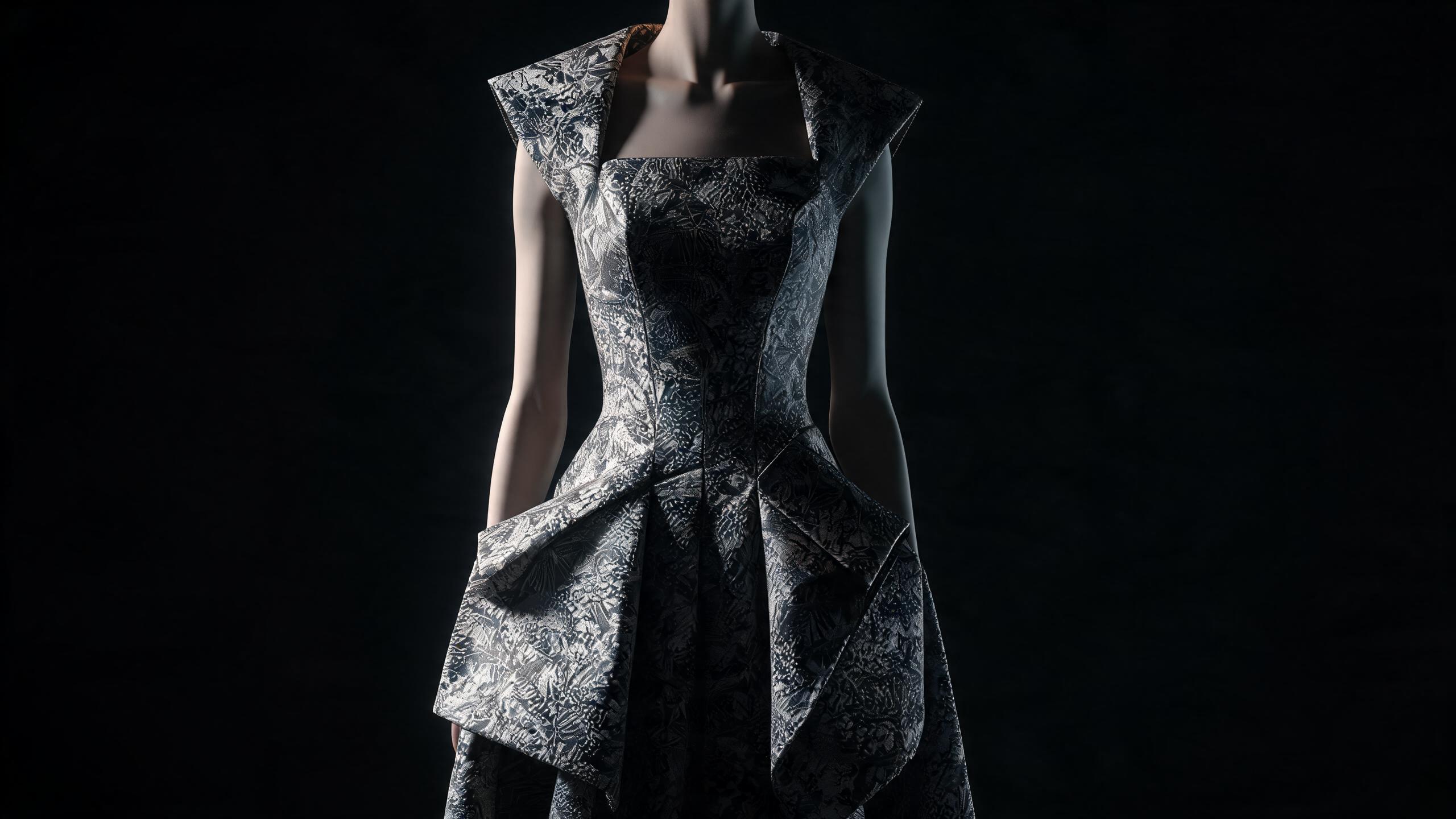
Cotton is a legacy fiber. It wrinkles, it loses shape, and it holds moisture. In a high-pressure interview environment, these are liabilities. Candidates are now opting for "Performance Tailoring"—garments made from Merino wool blends, graphene-infused fabrics, and recycled high-tenacity nylons. These materials offer four-way stretch, thermal regulation, and wrinkle resistance.
Why Fabric Matters to a Technical Recruiter
A technical recruiter or a hiring manager may not be a fashion expert, but they are trained to spot quality and efficiency. A candidate who appears in a crisp, high-gauge knit that retains its structure throughout a six-hour interview loop projects a different level of "uptime" than a candidate in a rumpled oxford shirt.
The fabric is the hardware of your personal presentation. If your hardware is glitching—if your collar is flipping or your sleeves are bagging—it creates a subtle cognitive dissonance. You are preaching technical excellence while manifesting physical disarray. By 2026, the industry has realized that how you manage your personal "infrastructure" is a leading indicator of how you will manage theirs.
Decoding the Cultural Tiers: Startup vs. Big Tech
The most common mistake when researching what to wear to a tech job interview is treating "Tech" as a monolith. The industry is currently divided into three distinct visual tiers, each with its own set of unspoken rules.
Tier 1: The Foundational Labs (AI, Robotics, Biotech)
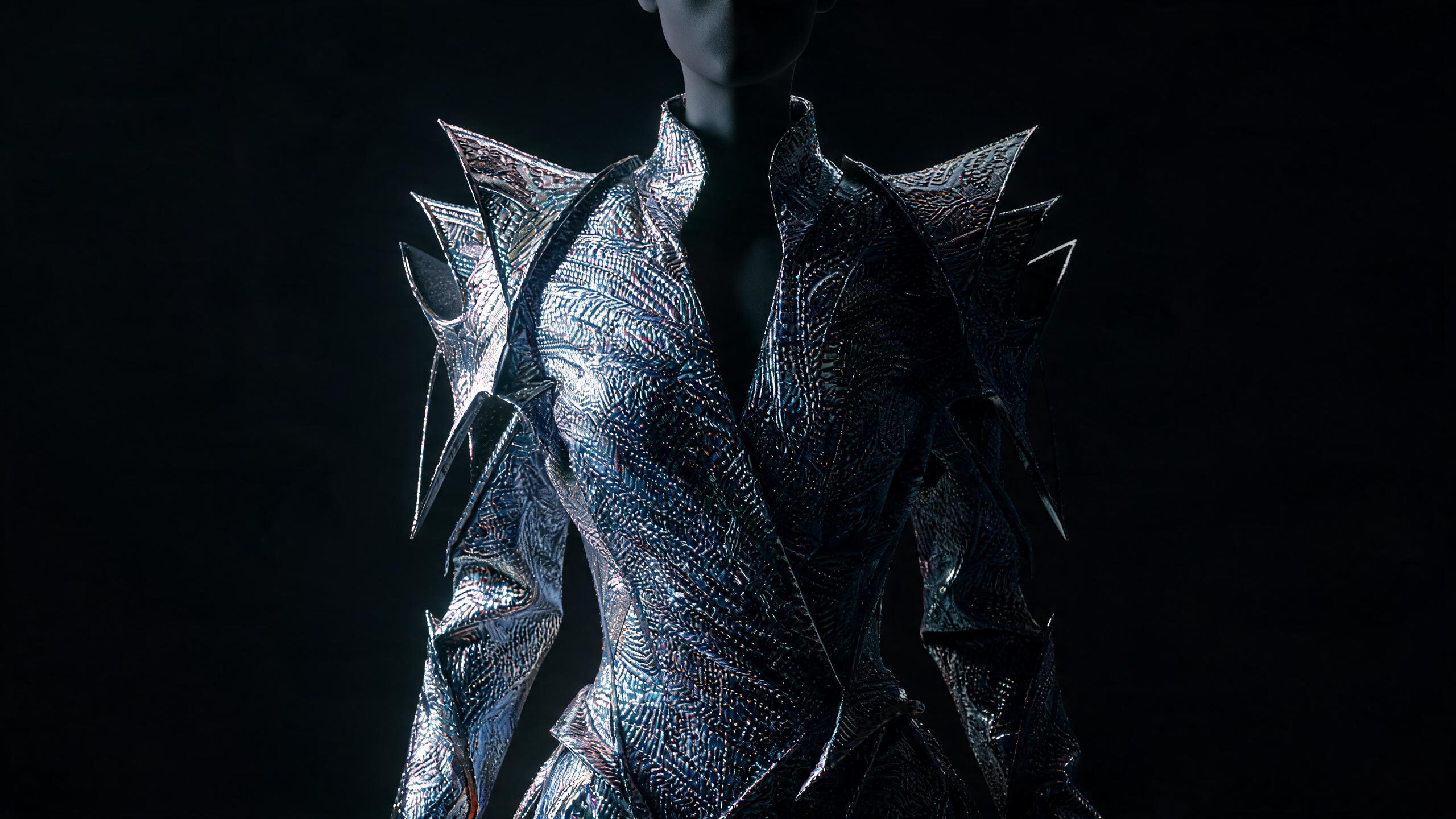
In the high-stakes world of foundational research, the vibe is "The Modern Academic." This is the most formal of the tech tiers, but it is not "corporate." Think structured blazers worn over high-quality mock necks, paired with technical chinos and clean, minimal footwear. The objective here is to signal intellectual rigor and a respect for the gravity of the work.
Tier 2: The Scale-Ups (Fintech, SaaS, Consumer Apps)
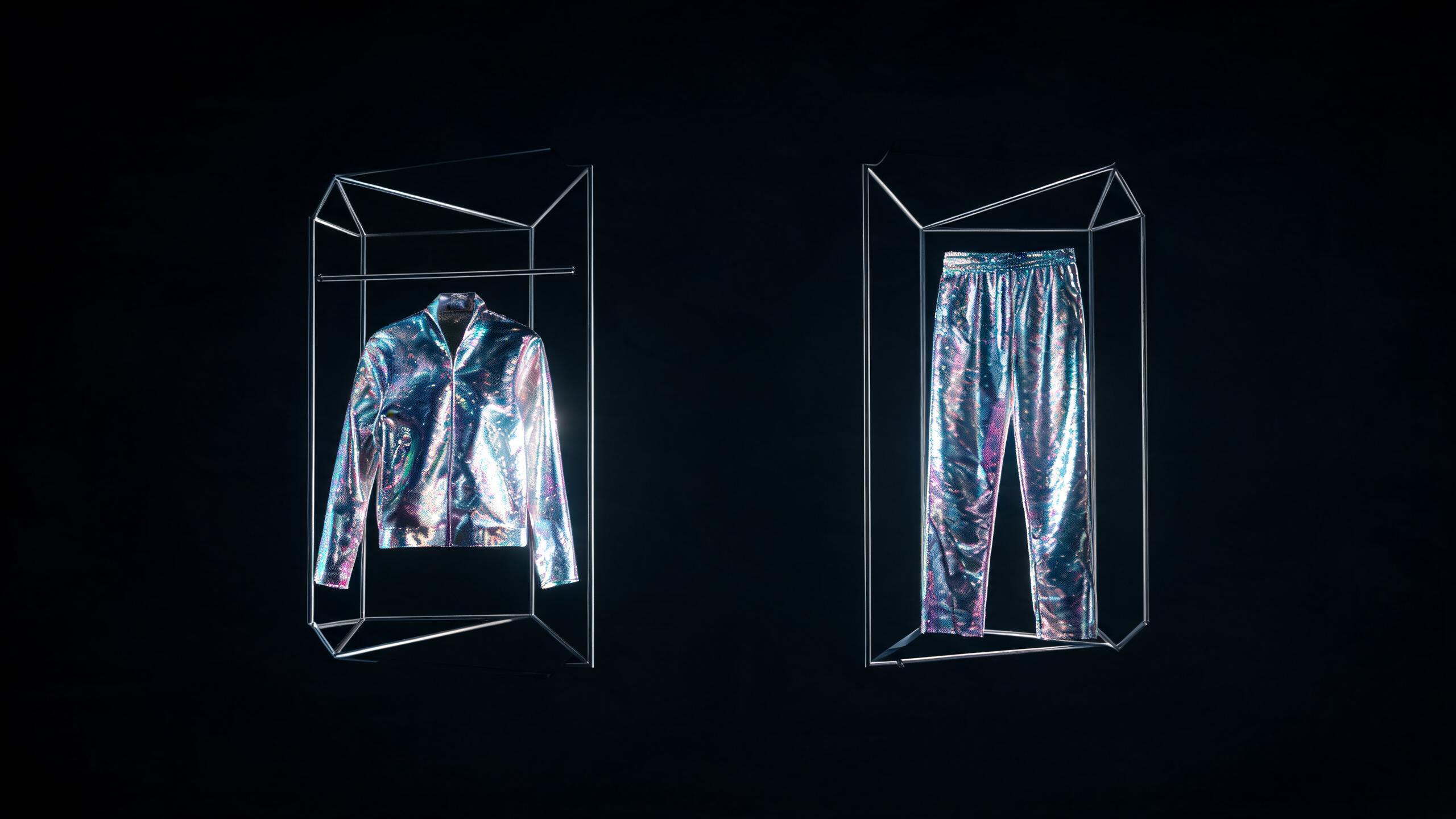
These companies are in the growth phase. They value agility and "hustle," but they are also courting institutional investors. The look here is "Refined Utility." A high-end chore coat or a technical bomber jacket over a premium t-shirt and dark, raw denim is the standard. It says, "I am ready to build, but I also belong in the boardroom."
Tier 3: The Legacy Giants (MAANG and beyond)
The massive incumbents have become the new "safe" corporate environments. However, they are desperate to retain their innovative edge. Paradoxically, if you dress too formally for an interview at a legacy giant, you risk looking like a "cog" rather than a "creator." The strategy here is "Elevated Individualism." Incorporate one piece of high-design—a unique silhouette or a bold (but controlled) accessory—to show that you haven't been swallowed by the machine yet.
The "Invisible Grooming" Mandate
Your clothing is only 70% of the visual model. In 2026, the concept of "grooming" has evolved into "system maintenance." This is not about vanity; it is about the signal of self-discipline.
The trend is moving away from visible styling products—no shiny hair gels or heavy fragrances—toward a "high-definition natural" look. This includes well-maintained skin, clean nails, and hair that looks healthy rather than "styled." In an industry obsessed with optimization, showing that you have optimized your own health and presentation is a powerful, silent testimonial.
The Footwear Trap
Footwear is the most scrutinized part of the outfit. For years, the "clean white sneaker" was the default answer to what to wear to a tech job interview. That answer is now too common to be effective. In 2026, we are seeing a shift toward "Hybrid Footwear"—shoes that blend the comfort of a sneaker with the silhouette of a traditional derby or Chelsea boot.
The key is the sole. A heavy, lugged sole signals ruggedness and a "boots on the ground" mentality, while a slim, integrated sole signals precision and speed. Avoid anything with loud branding. In tech, if the logo is the most interesting thing about the shoe, you are projecting a reliance on external status rather than internal value.
The Waist-Up Myth and the Reality of Hybrid Presence
The era of "Zoom shirts" and sweatpants is dead. Even if your interview is remote, the psychological impact of wearing a full, cohesive outfit is measurable. When you dress completely, your posture changes, your tone of voice shifts, and your confidence stabilizes.
Furthermore, 2026 has seen a return to hybrid interview models where a candidate might start on a video call and move to an in-person "vibe check" within 48 hours. If your digital persona and your physical persona do not match, you create a "broken link" in the recruiter's mind. Consistency across all touchpoints is a hallmark of a strong personal brand model.
Challenging the "Authenticity" Narrative
There is a common argument that you should "just be yourself" in an interview. This is flawed advice. An interview is a performance of your best professional self. If "yourself" is someone who wears laundry-day t-shirts, you are failing to provide the signal that you understand the stakes.
True authenticity in 2026 is showing that you have the emotional intelligence to adapt to the environment while maintaining your core identity. Your clothing should be a curated version of your style model, filtered through the lens of the company's culture.
Data-Driven Style: The Rise of Personal Models
The biggest shift in how we approach what to wear to a tech job interview is the move from generic advice to personalized intelligence. The old way was to look at a Pinterest board or a "top 10" list. The new way is to leverage a personal style model.
Style is data. Your body type, your professional goals, your color theory, and your career trajectory are all data points. When these are fed into an intelligent system, the result is not a "trend," but a "probability of success." You are no longer guessing what might work; you are wearing what is mathematically aligned with your target persona.
We are moving toward a future where "personal style" is as quantifiable as a GitHub repository. Your wardrobe is an API that interfaces with the world. If the documentation is poor—meaning your style is inconsistent or outdated—the world will struggle to integrate with you.
The Infrastructure of Personal Presentation
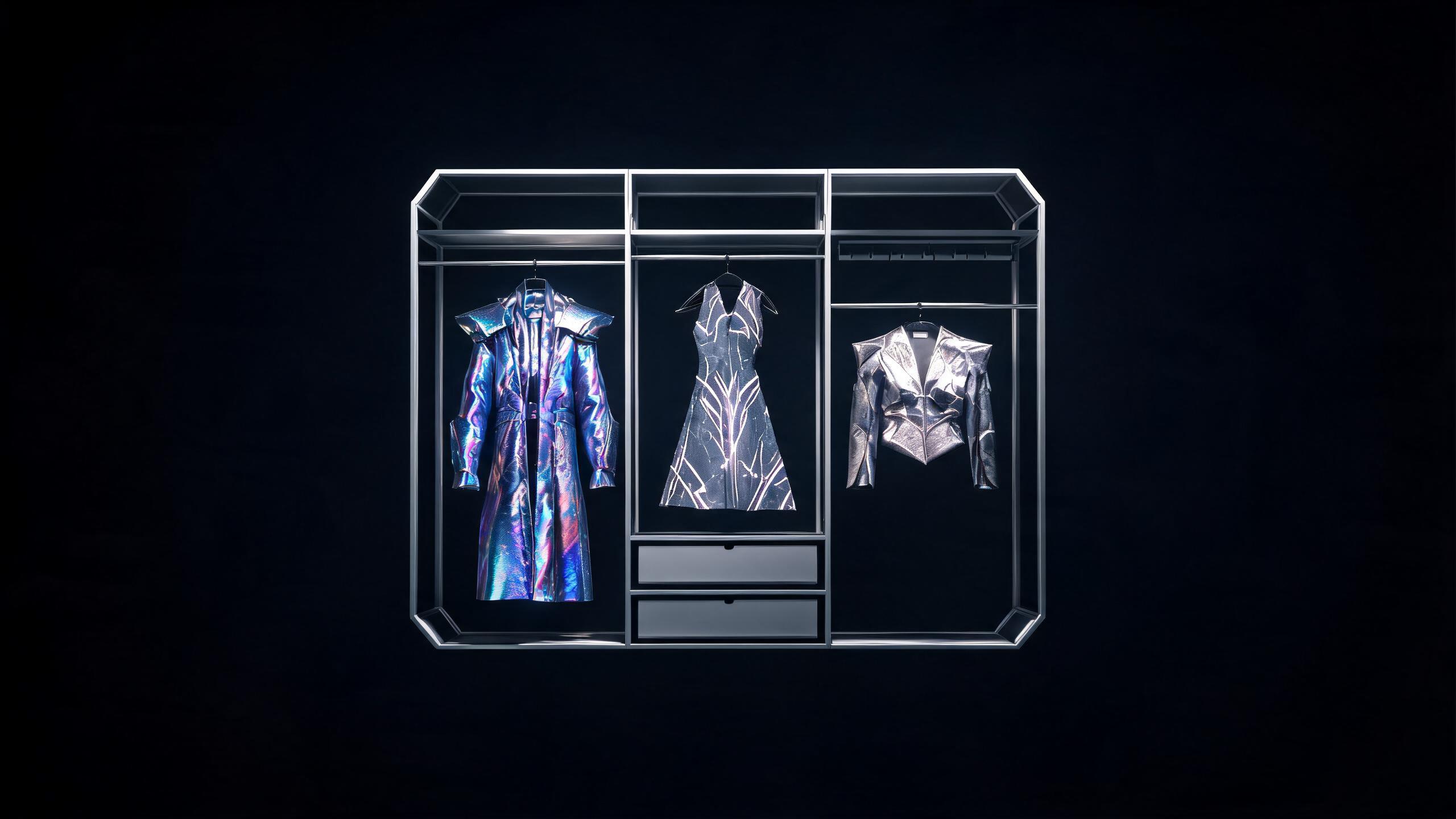
Everything in the tech world is moving toward infrastructure. We don't just want apps; we want the systems that power them. Your wardrobe should be viewed through the same lens. You aren't just buying clothes; you are building the infrastructure of your professional identity.
When you prepare for an interview, you aren't just preparing answers to LeetCode questions. You are preparing a holistic presentation of a high-value asset: yourself. In 2026, the "best" candidate is often the one who most clearly looks the part of the future they are promising to build.
The industry is tired of the "brilliant but disheveled" trope. It’s a legacy bug, not a feature. The future belongs to the "brilliant and precise." Your clothing is the first line of code in that demonstration. Choose your stack wisely.
Fashion is no longer about following a trend. It's about building a system. AlvinsClub uses AI to build your personal style model, ensuring that your visual signal is always as sharp as your technical one. Every outfit recommendation learns from your preferences, your career goals, and the specific culture of the companies you're targeting. Try AlvinsClub →
Related Articles
- What To Wear To A Summer Wedding Guest: What's Changing in 2026
- 10 What Color Should I Wear To A Wedding Tips You Need to Know
- Traditional vs AI-Powered Transition Office Wear To Evening Outfits With AI: Which Approach Wins?
- Why How To Build A Seasonal Wardrobe Using AI Fails (And How to Fix It)
- How to How To Find The Perfect Date Night Outfit: A Complete Guide