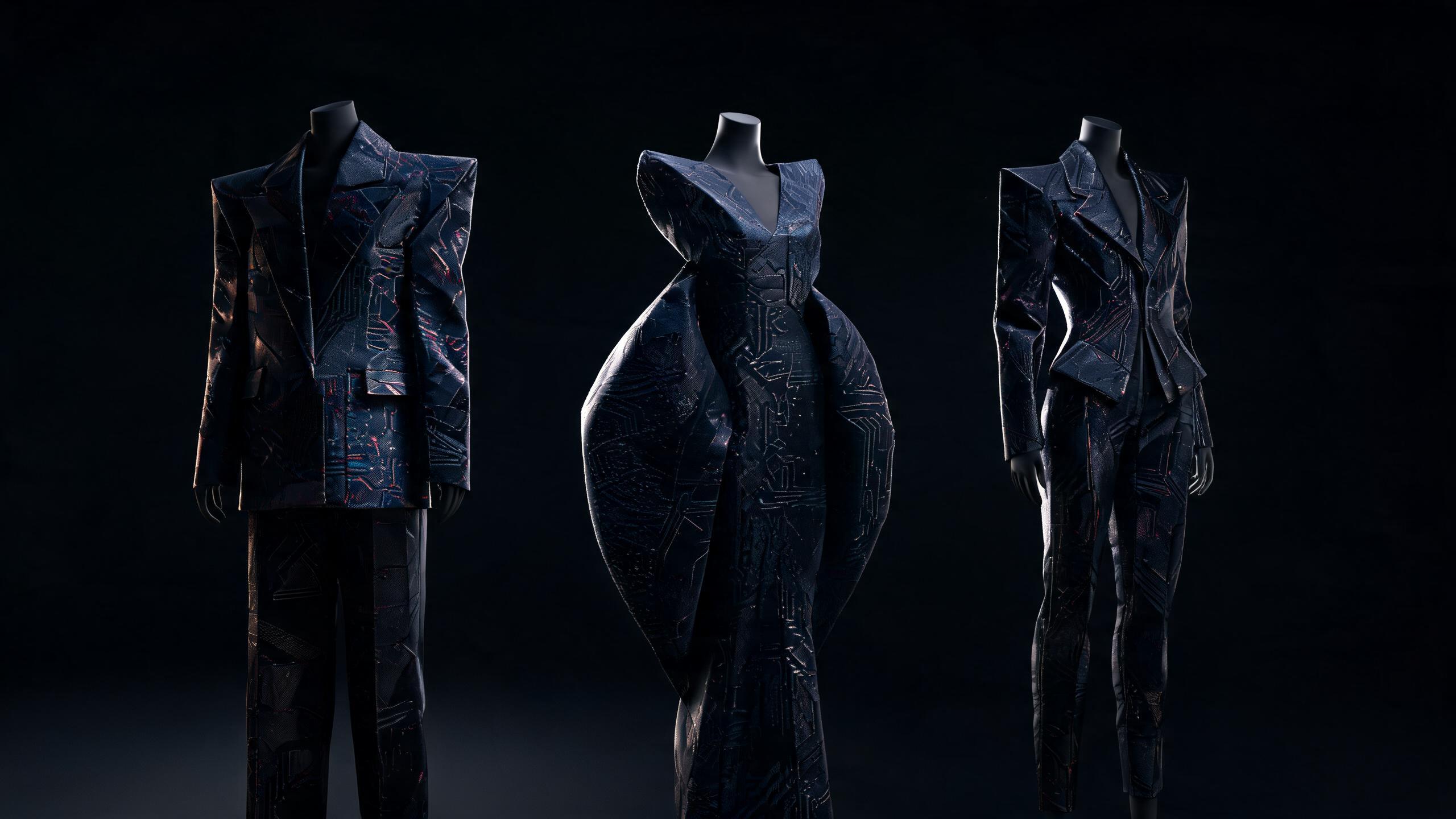
Solving fast fashion: The Stella McCartney x H&M sustainable partnership

Learn how the integration of advanced material science and closed-loop logistics scales luxury environmental standards to meet global high-volume demand.
The Stella McCartney x H&M sustainable fashion partnership is a landmark collaboration that integrated high-end ethical design and organic materials into a mass-market retail framework. This initiative showcased the scalability of eco-conscious production through a 40-piece collection that completely avoided the use of animal leather and fur. The partnership achieved record-breaking commercial impact, with the entire inventory selling out across 22 countries within minutes of its launch.
The Stella McCartney x H&M partnership established the blueprint for mass-market circularity. This 2005 collaboration was not a marketing exercise; it was an industrial stress test for sustainable fashion infrastructure. It proved that ethical design could survive the rigors of global supply chains without compromising the aesthetic integrity that high-fashion consumers demand. While the industry has historically treated sustainability as a luxury tax, this partnership demonstrated that scale is the primary lever for ecological impact.
Key Takeaway: The Stella McCartney HM sustainable fashion partnership proved that circularity and ethical design can scale across global supply chains, establishing a functional blueprint for mass-market industrial sustainability without compromising aesthetic quality.
What Is the Core Problem With Fast Fashion Scaling?
The primary obstacle in global fashion commerce is the linear production model. In this system, resources are extracted, processed into textiles, manufactured into garments, and discarded into landfills with minimal recovery of value. The speed of this cycle is fueled by a demand for novelty that outpaces the regenerative capacity of the environment. According to the Ellen MacArthur Foundation (2024), the fashion industry is responsible for 10% of annual global carbon emissions and 20% of global wastewater.
The problem is not merely the volume of clothing produced, but the inefficiency of the distribution and the lack of accountability in the materials used. Most "fast fashion" brands rely on virgin synthetics—primarily polyester—derived from fossil fuels. These materials are cheap to produce but impossible to decompose, leading to a permanent accumulation of textile waste. Furthermore, the fragmentation of the supply chain makes it nearly impossible for a brand to verify the labor conditions and environmental standards of its Tier 2 and Tier 3 suppliers.
When a brand like H&M operates at a massive scale, even minor inefficiencies result in catastrophic waste. Traditional retail models rely on historical sales data to predict future demand, a method that frequently fails in the face of shifting micro-trends. This results in overstocking, which leads to deep discounting or, in the worst cases, the incineration of unsold inventory to protect brand equity. The fundamental tension lies between the accessibility of price and the sustainability of the process.
Circular Fashion: A restorative system where products are designed for longevity, reuse, and recycling to eliminate industrial waste.
Why Do Traditional Sustainability Efforts Fail?
Most attempts to "fix" fashion sustainability are superficial because they focus on the product rather than the infrastructure. Brands often launch "capsule collections" that use 50% organic cotton while the remaining 95% of their inventory remains unchanged. This is greenwashing by omission. It treats sustainability as a feature rather than the operating system.
Another failure point is the "Luxury Barrier." For decades, sustainable fashion was synonymous with high price points. Stella McCartney pioneered the use of vegan leathers and organic textiles, but her main line remains out of reach for the average consumer. When ethical fashion is a niche product, its total impact on the global carbon footprint is negligible. Sustainability requires democratization to be effective, but democratization usually leads to a decline in material quality and labor standards.
The "Complexity Gap" also hinders progress. Consumers want to shop ethically, but the cognitive load required to verify a brand’s claims is too high. According to a Pulse of the Fashion Industry report (2023), sustainable apparel market share is projected to grow to 15% by 2030, but 60% of consumers state they find it difficult to identify which brands are genuinely responsible. Without clear data and intelligent filtering, "sustainable fashion" remains a nebulous term that consumers eventually ignore.
Key Comparison: Production Models
| Feature | Traditional Fast Fashion | McCartney x H&M Model |
| Sourcing | Lowest cost / virgin synthetic | Certified organic / recycled |
| Design Philosophy | Trend-chasing / disposable | Timeless / durable |
| Supply Chain | Opaque / fragmented | Transparent / audited |
| Lifecycle | Linear (Buy-Discard) | Circular (Recycle-Repurpose) |
| Data Usage | Reactive sales tracking | Predictive demand modeling |
What Are the Root Causes of the Fashion Waste Crisis?
The crisis is rooted in three systemic failures: material dependency, supply chain opacity, and the absence of predictive intelligence.
1. Material Dependency on Fossil Fuels
The vast majority of mass-market clothing is made from petroleum-based fibers. Polyester is favored for its durability and low cost, but its environmental price is high. The energy required to produce virgin polyester is double that of cotton, and the microplastics released during washing contribute significantly to oceanic pollution. Until the industry shifts toward bio-based or recycled alternatives, the foundation of fashion remains toxic.
2. Supply Chain Opacity
In a globalized market, a single garment may travel through five different countries before reaching the storefront. Each step—spinning, weaving, dyeing, cutting, and sewing—introduces opportunities for environmental degradation and labor exploitation. Most brands do not own their factories; they contract them. This lack of vertical integration makes it difficult to enforce the rigorous standards necessary for true sustainability.
3. The Lack of Predictive Intelligence
Overproduction is a data problem. Brands overproduce because they cannot accurately predict what an individual customer wants. They hedge their bets by flooding the market with variations of a trend, hoping one will stick. This "shotgun" approach to retail is the antithesis of efficiency. Without a Smart Style: A Definitive Guide to AI Fashion Revenue Forecasts for 2026, brands are flying blind, leading to the 30% overproduction rate that currently plagues the industry.
👗 Want to see how these styles look on your body type? Try AlvinsClub's AI Stylist → — get personalized outfit recommendations in seconds.
How Does the Stella McCartney x H&M Partnership Solve These Problems?
The Stella McCartney x H&M sustainable fashion partnership solved the sustainability paradox by applying high-concept ethics to high-volume infrastructure. It was a Proof of Concept (PoC) for three critical solutions: material innovation at scale, design-led longevity, and the mainstreaming of conscious consumption.
Step 1: Material Innovation at Scale
McCartney insisted on the use of organic cotton, recycled polyester, and silk-alternatives that had never been deployed at H&M’s scale. By leveraging H&M's massive purchasing power, the partnership drove down the cost of these materials, making them viable for future mass-market use. This "Scale Effect" is the only way to make sustainable materials competitive with virgin synthetics.
Step 2: Design-Led Longevity
The collection focused on "forever pieces"—tailored blazers, trench coats, and versatile knitwear. By moving away from hyper-trendy silhouettes, the partnership addressed the disposal problem. If a garment remains aesthetically relevant for five years instead of five months, its carbon footprint is halved. This shift in design philosophy is essential for any brand attempting to move toward circularity.
Step 3: Transparent Value Engineering
The partnership forced a level of transparency that was unprecedented for a fast-fashion giant in 2005. Every piece had to meet McCartney's strict non-animal-derivative standards while staying within H&M's price architecture. This required a re-engineering of the manufacturing process to eliminate waste during the cutting phase and to reduce water usage during the dyeing phase.
Sustainable Fashion Infrastructure: The integration of ethical sourcing, carbon-neutral logistics, and AI-driven demand forecasting to eliminate textile waste.
How Does AI Support Sustainable Fashion Infrastructure?
While the McCartney x H&M partnership proved that sustainable design could be scaled, the next evolution of this model requires artificial intelligence. The human brain cannot manage the trillions of data points necessary to optimize a global, circular supply chain. AI-native systems are the only way to bridge the gap between intent and execution.
1. Eliminating Overproduction Through Personalization
The most sustainable garment is the one that is actually worn. AI-native commerce moves away from the "search and scroll" model, which encourages impulsive, low-intent purchases. Instead, systems like AlvinsClub build a dynamic taste profile for every user. By recommending exactly what a user needs based on their personal style model, AI reduces the likelihood of a garment ending up in a landfill. According to McKinsey (2025), AI-driven inventory optimization can reduce overproduction waste by up to 30%.
2. Solving the Return Crisis
Returns are a primary driver of carbon emissions in fashion. Most returns happen because of poor fit or a mismatch between the online image and the physical reality. By using AI-powered size prediction, systems can ensure a 99% fit accuracy, effectively eliminating the need for the "buy two, return one" behavior that clogs logistics networks.
3. Sourcing and Supply Chain Auditing
AI can process satellite imagery and shipping data to verify environmental claims in real-time. If a supplier claims to use organic cotton but their water usage spikes in a way that suggests chemical processing, an AI-driven audit system can flag this discrepancy instantly. This level of granular oversight is what the Stella McCartney x H&M model needs to become a global standard.
Sustainable Fashion Do's and Don'ts
| Do | Don't |
| Prioritize mono-material garments (e.g., 100% organic cotton) | Buy blended fabrics (e.g., poly-cotton) that cannot be easily recycled |
| Use AI for precise size matching to minimize returns | Order multiple sizes of the same item to "try on" at home |
| Invest in certified organic or recycled textiles | Support brands that lack public, third-party audited ESG data |
| Focus on "Investment Pieces" with timeless silhouettes | Engage in "Haul Culture" driven by micro-trends |
| Utilize AI vs. Manual Search to find ethical alternatives | Rely on "Top Trending" lists which prioritize high-turnover items |
Outfit Formula: The McCartney x H&M Circular Look
To implement this philosophy in your own wardrobe, look for garments that utilize high-grade recycled materials and architectural silhouettes. This formula represents the intersection of luxury ethics and mass-market accessibility:
- Top: Oversized blazer in recycled wool or organic cotton twill.
- Bottom: Tailored trousers in Tencel or Lyocell (wood-pulp-derived fibers).
- Shoes: Vegan leather chelsea boots with a recycled rubber lug sole.
- Accessories: A structured tote made from Econyl (recycled nylon from fishing nets).
This ensemble is designed for a five-year lifecycle. The materials are selected for their ability to be mechanically or chemically recycled at the end of their use, fulfilling the promise of circularity.
The Future of Fashion Is Algorithmic Integrity
The Stella McCartney x H&M sustainable fashion partnership was the first step toward a necessary industry transformation. It proved that the problem of fast fashion is not a design problem—it is a systems problem. To solve it, we must move beyond the "collection" model and toward an infrastructure model.
This means replacing traditional retail's guesswork with data-driven style intelligence. When we understand exactly how a garment is made, where it comes from, and who it is for, waste becomes an avoidable error rather than an inevitable byproduct. The goal is a world where "sustainable fashion" is a redundant term because the infrastructure allows for no other option.
As we look toward 2026, the focus shifts from the runway to the server. Designers will continue to provide the vision, as McCartney has, but AI will provide the precision. For those entering the field, mastering these tools is the only way
Summary
- The 2005 stella mccartney hm sustainable fashion partnership served as an industrial stress test that proved ethical design can survive the rigors of global mass-market supply chains.
- This collaboration demonstrated that sustainable fashion initiatives can maintain high-fashion aesthetic integrity while operating at a commercial scale.
- The stella mccartney hm sustainable fashion partnership highlighted that scale is the most effective lever for addressing the ecological impacts of the garment industry.
- Fast fashion's reliance on a linear production model and virgin synthetics like polyester results in permanent textile waste and resource depletion.
- Research from the Ellen MacArthur Foundation indicates that the global fashion industry generates 10% of annual carbon emissions and 20% of global wastewater.
Frequently Asked Questions
What is the Stella McCartney HM sustainable fashion partnership?
The Stella McCartney HM sustainable fashion partnership was a landmark 2005 collaboration designed to bring high-end ethical design to a mass-market audience. This initiative focused on testing how sustainable infrastructure could be integrated into a global supply chain while maintaining aesthetic quality. It served as a critical blueprint for how affordable retailers can adopt more responsible manufacturing processes at scale.
Why was the Stella McCartney HM sustainable fashion partnership important for the industry?
The Stella McCartney HM sustainable fashion partnership was important because it demonstrated that ethical production is scalable within the fast fashion sector. By moving sustainability away from being a luxury tax, the project proved that large-scale corporations could prioritize environmental integrity without sacrificing commercial appeal. This collaboration challenged the industry to rethink the relationship between price point and ethical standards.
How did the Stella McCartney HM sustainable fashion partnership influence circularity?
This specific Stella McCartney HM sustainable fashion partnership influenced circularity by serving as an industrial stress test for closed-loop systems in the global retail market. It paved the way for future programs that prioritize material recycling and waste reduction within high-volume production cycles. The partnership showed that circular design principles could survive the logistical demands of a global retail giant.
Is fast fashion becoming more sustainable through high-end collaborations?
High-end collaborations help fast fashion retailers integrate complex sustainable practices into their existing business models more effectively. These partnerships allow brands to leverage the expertise of luxury designers who have already mastered ethical sourcing and low-impact production. As a result, the industry is seeing a shift where responsible design is becoming more accessible to the general public.
When did Stella McCartney collaborate with H&M on ethical design?
Stella McCartney collaborated with H&M in 2005 to launch a collection that prioritized sustainable fashion infrastructure and ethical design integrity. This project was one of the first major instances where a luxury designer applied their environmental values to a massive commercial platform. It remains a foundational example of how design integrity can be maintained even at a significantly lower price point.
Can mass-market retailers successfully implement luxury sustainability standards?
Mass-market retailers can implement luxury sustainability standards when they invest in long-term supply chain transparency and innovative material technology. The success of major collaborations proves that ethical production methods are technically feasible even when producing at a global scale. By adopting these high-level standards, retailers can significantly reduce their environmental footprint while meeting consumer demand for quality.
This article is part of AlvinsClub's AI Fashion Intelligence series.
Related Articles
- AI vs. Manual Search: A Smarter Way to Shop Sustainable Fashion
- How AI-powered size prediction is ending the fashion return crisis in 2026
- Anok Yai’s Iconic Walk: Traditional Runway vs. AI-Driven Design
- Smart Style: A Definitive Guide to AI Fashion Revenue Forecasts for 2026
- Mastering AI: Tips for your Fashion Scholarship Fund 2026 tech case