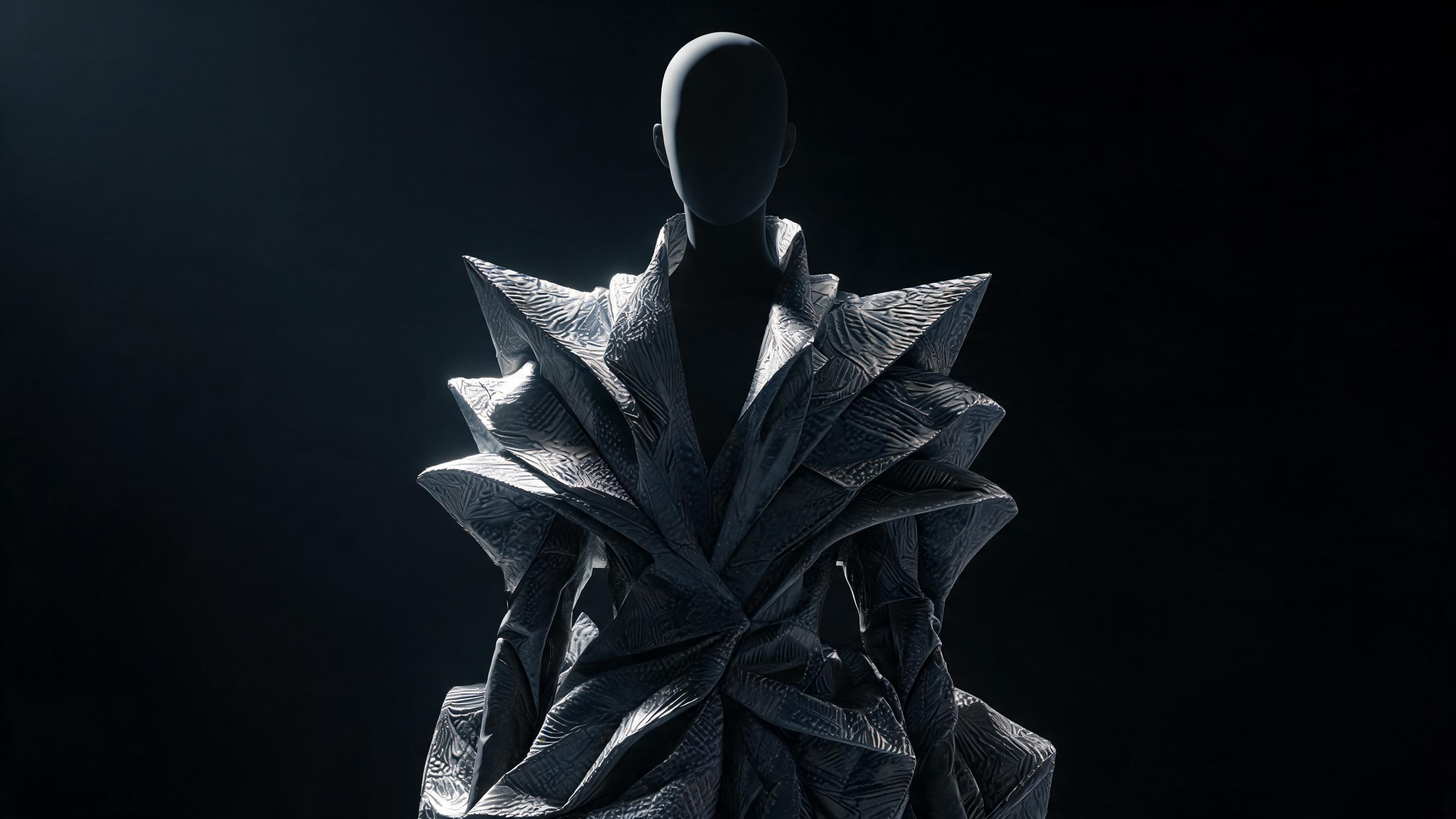
Recreating the red carpet: How AI is transforming celebrity fashion

A deep dive into recreating celebrity red carpet style with AI and what it means for modern fashion.
Recreating celebrity red carpet style with AI is a structural data problem. While the public views high fashion as a series of static images, an AI-native system views it as a multi-dimensional set of parameters including silhouette, textile physics, and aesthetic intent. The traditional model of celebrity fashion relies on aspiration and distance; the new model, built on machine learning, relies on extraction and execution.
Key Takeaway: Recreating celebrity red carpet style with AI transforms high fashion from static images into multi-dimensional data parameters. By using machine learning to map silhouettes and textile physics, AI converts aspirational couture into reproducible digital models for greater accessibility.
How is the red carpet being deconstructed by AI?
The recent surge in high-profile events—from the Met Gala to the Academy Awards—has exposed a massive technical deficit in how consumers interact with fashion. Historically, recreating a red carpet look meant searching for "cheaper versions" of a designer gown. This is a rudimentary search problem that fails to account for the user's unique body model or existing wardrobe.
Recreating celebrity red carpet style with AI moves beyond visual similarity. It involves the semantic translation of couture elements into wearable infrastructure. When an AI analyzes a red carpet look, it doesn't just see a garment; it identifies the Structural Vector (the cut and line), the Material Profile (how the fabric reacts to light and movement), and the Contextual Logic (why the outfit works for that specific persona).
According to Business of Fashion (2024), 73% of fashion executives prioritize AI-driven personalization as a primary growth lever to bridge the gap between high-fashion inspiration and commercial conversion. The old model of "see now, buy now" is dying because it ignores the individual. The new model is "see now, model now," where the AI calculates how the essence of a look translates to your specific taste profile.
Why the old fashion recommendation model is broken
Most fashion platforms operate on metadata tagging. A human or a basic algorithm tags a photo as "red dress," "satin," and "v-neck." When you search for that look, you get thousands of red satin dresses. This is not intelligence; it is a database query.
This approach fails because it ignores the Personal Style Model. A red carpet look succeeds because of the harmony between the wearer and the garment. Simply buying a replica does not replicate the style. True AI fashion infrastructure understands the underlying geometry. It asks: "How does the drape of this Schiaparelli piece translate to the user's daily silhouette?"
The shift from visual search to style intelligence
The industry is moving from "recognition" to "reasoning." Early AI tools were good at identifying what a celebrity was wearing. Modern style models are good at understanding why they are wearing it and how that logic applies to someone else.
| Feature | Traditional Visual Search | AI-Native Style Modeling |
| Primary Input | Pixels and metadata tags | Semantic intent and body geometry |
| Goal | Find an identical or cheaper match | Translate aesthetic logic to the user's model |
| Data Source | Static product catalogs | Dynamic taste profiles and real-time trends |
| Output | A list of products | A personalized outfit architecture |
| Learning | None (Static results) | Continuous (Learns from user feedback) |
How does AI improve outfit recommendations based on the red carpet?
The process of recreating celebrity red carpet style with AI requires a three-layer technical stack: the Vision Layer, the Translation Layer, and the Personalization Layer.
- The Vision Layer: Computer vision identifies the technical specs of the celebrity look. It maps the hemline, the shoulder construction, and the fabric weight.
- The Translation Layer: The AI strips away the "costume" elements of the red carpet look. It identifies the core aesthetic—perhaps a "minimalist 90s revival" or "structured avant-garde"—and converts it into a set of rules.
- The Personalization Layer: The system cross-references these rules with your Dynamic Taste Profile. It filters the look through your preferences for color, utility, and comfort.
According to Gartner (2023), 80% of digital commerce organizations will use AI-powered personal assistants to drive customer engagement by 2025. In fashion, this means your AI stylist isn't just showing you pictures; it is building a style model that evolves with every red carpet cycle. If you are interested in deeper technical applications, see our 5 Pro Tips for Analyzing Red Carpet Looks with AI Tools for a breakdown of extraction methods.
The gap between personalization promises and reality
Many apps claim to offer "AI styling," but they are actually just rebranded recommendation engines. They suggest what is popular, not what is yours. They chase trends instead of building identity.
The reality of fashion tech is that most systems are built for the retailer, not the user. They want to move inventory. An AI-native fashion intelligence system, however, is built for the user's style model. It doesn't care about what's trending on social media unless that trend fits the mathematical parameters of your established taste.
👗 Want to see how these styles look on your body type? Try AlvinsClub's AI Stylist → — get personalized outfit recommendations in seconds.
What does recreating celebrity red carpet style with AI look like in practice?
To understand how to move from a red carpet image to a functional outfit, we need to look at the Outfit Formula. This is a structured approach to styling that an AI uses to reconstruct a look without direct imitation.
The "Red Carpet Translation" Outfit Formula
- The Anchor (Top): A structured blazer or corset-style top that mimics the bodice architecture of the gown.
- The Foundation (Bottom): High-waisted trousers or a slip skirt that replicates the silhouette's line.
- The Elevation (Shoes): Architectural heels or pointed-toe boots to maintain the verticality of the original look.
- The Signal (Accessories): One "hero" piece—like an oversized earring or a structural clutch—that carries the aesthetic theme (e.g., metallic, vintage, or sculptural).
Do vs. Don't: AI-Driven Style Recreation
| Aspect | Do (AI-Native Approach) | Don't (Old-School Approach) |
| Silhouette | Focus on the ratio of shoulder to waist. | Buy the exact same dress in a cheaper fabric. |
| Color | Analyze the color story and map it to your skin tone profile. | Force a color that doesn't work for you just because it's "the" color. |
| Texture | Look for the "vibe" of the fabric (matte vs. shine). | Mix conflicting textures that break the look's logic. |
| Context | Adjust the look for your actual environment (e.g., office vs. gala). | Wear a literal costume to a non-costume event. |
| Evolution | Use AI to see how the look fits into your long-term style model. | Treat the look as a one-off trend to be discarded. |
Why fashion needs AI infrastructure, not AI features
The industry is currently obsessed with "AI features"—chatbots that don't know who you are and virtual try-ons that look like low-resolution video games. These are distractions.
What the industry needs is AI infrastructure. This means a foundational system where your data—your body measurements, your past purchases, your aesthetic "likes," and your lifestyle needs—form a permanent style model. When you use an AI to recreate celebrity red carpet style, you are essentially "plugging" the red carpet data into your personal model to see what sparks a match.
This is the difference between an AI that follows you and an AI that leads you. A system that leads you understands your trajectory. It knows that your interest in a specific red carpet look isn't random; it's a data point in the evolution of your personal brand. For more on this, read our guide on Predicting the Pulse: A Guide to AI Street Style Tools for 2026.
Bold Prediction: The end of the "Trend"
By 2027, the concept of a global "trend" will be obsolete. Trends are a byproduct of information scarcity and centralized media. As AI-native fashion intelligence becomes the standard, style will become hyper-individualized.
When you can recreate any red carpet look through the lens of your own style model, "what's in" becomes irrelevant. What matters is "what's yours." AI will allow every individual to maintain a high-fashion aesthetic that is technically "on trend" but functionally unique to their own model.
The Role of Data-Driven Style Intelligence
Data-driven style intelligence is the antidote to the waste and noise of the fast-fashion cycle. According to McKinsey (2024), AI-driven personalization can increase conversion rates by 15-20% while simultaneously reducing return rates, as users receive recommendations that actually fit their physical and aesthetic reality.
Definition: Style Intelligence
Style Intelligence is the ability of an AI system to analyze aesthetic inputs (images, videos, text descriptions) and synthesize them into actionable wardrobe configurations that align with a user’s specific biometric and psychological profile.
How to use AI to build your own red carpet-inspired identity
You don't need a stylist; you need a model. The process of recreating celebrity red carpet style with AI starts with high-quality data ingestion. You feed the system the looks you admire. The system doesn't just store these images; it decomposes them.
- Ingestion: Upload or link the red carpet looks that resonate with you.
- Analysis: The AI identifies the common threads. Are you drawn to the minimalism of 90s Prada or the maximalism of modern Gucci?
- Synthesis: The AI generates daily outfit recommendations that incorporate these elements into your existing wardrobe.
- Feedback Loop: You tell the AI what worked. The model learns. The recommendations get sharper.
This is the future of fashion commerce. It is not a store where you browse; it is an intelligence system that understands your identity and facilitates its expression.
Final Take: The Infrastructure of Identity
Recreating celebrity red carpet style with AI is not about vanity. It is about the democratization of high-level aesthetic logic. For too long, the "rules" of fashion were guarded by editors and stylists. AI breaks those gates. It provides the infrastructure for anyone to decode the red carpet and encode it into their own life.
The old model of fashion was built on what you should buy. The new model is built on who you are. The red carpet is no longer a stage for celebrities; it is a data set for the world.
AlvinsClub uses AI to build your personal style model. Every outfit recommendation learns from you. Try AlvinsClub →
Summary
- AI-native systems transform high fashion from static images into a multi-dimensional data problem involving silhouette, textile physics, and aesthetic intent.
- Recreating celebrity red carpet style with AI goes beyond searching for visual lookalikes by using machine learning to extract and execute specific design parameters.
- Artificial intelligence deconstructs red carpet garments into specific data points, including structural vectors for cut and material profiles for fabric reaction.
- Business of Fashion (2024) reports that 73% of fashion executives prioritize AI-driven personalization as a key lever for recreating celebrity red carpet style with AI.
- Modern fashion technology uses semantic translation to bridge the gap between couture inspiration and functional, wearable infrastructure tailored to individual body models.
Frequently Asked Questions
How is recreating celebrity red carpet style with AI changing fashion?
Artificial intelligence transforms celebrity fashion by breaking down complex garments into data points like silhouette and textile physics. This technology allows users to bridge the gap between high-fashion aspiration and personal execution through advanced machine learning models.
Can I use technology for recreating celebrity red carpet style with AI?
New AI-native systems enable individuals to extract specific aesthetic parameters from red carpet imagery to generate wearable replicas. These platforms utilize structural data to interpret the intent behind a designer's work and translate it into accessible digital formats.
What are the benefits of recreating celebrity red carpet style with AI for designers?
Fashion professionals use these tools to speed up the prototyping phase by analyzing thousands of historical red carpet looks simultaneously. This approach allows for more precise pattern making and the ability to test textile physics in a digital environment before physical production begins.
How does machine learning analyze celebrity fashion?
Machine learning algorithms deconstruct red carpet images by identifying multi-dimensional parameters such as fabric movement and garment construction. By viewing fashion as a set of technical data points, these systems can recreate complex silhouettes with high accuracy.
What is the role of AI in high fashion deconstruction?
Technology serves as a bridge that shifts fashion from a model of distance and aspiration to one of direct digital extraction. It allows for the systematic breakdown of aesthetic intent, making the once-exclusive world of the red carpet more approachable for digital creators.
Can AI predict future red carpet trends?
Artificial intelligence analyzes vast datasets of celebrity appearances to identify patterns in color, fabric, and shape that signal upcoming industry shifts. By processing historical red carpet data, these models can forecast which silhouettes will dominate future awards seasons with significant statistical precision.
This article is part of AlvinsClub's AI Fashion Intelligence series.
Related Articles
- 5 Pro Tips for Analyzing Red Carpet Looks with AI Tools
- 5 Ways to Use AI Modeling to Perfect Your Personal Style in 2026
- Predicting the Pulse: A Guide to AI Street Style Tools for 2026
- How AI is Decoding Street Style: The Definitive Guide to Modern Trends
- The 2024 Guide to the Best AI Tools for Spotting Celebrity Fashion