Parisian Chic Decoded: The Top 7 Paris Fashion Week Trends to Wear Now
A deep dive into top 7 paris fashion week trends and what it means for modern fashion.
The top 7 Paris fashion week trends are data-backed shifts in global aesthetic preferences that prioritize architectural precision, high-density textiles, and personalized silhouettes over transient, mass-market novelty. Paris remains the world's most significant data source for fashion intelligence because its houses define the structural rules that the rest of the industry eventually adopts. To understand these trends is to understand the current state of garment engineering and how it interacts with the human form in an increasingly digital world.
Key Takeaway: The top 7 Paris fashion week trends emphasize architectural precision and high-density textiles, shifting global aesthetics toward structural craftsmanship and personalized silhouettes. These industry-defining movements prioritize refined, long-term elegance over transient mass-market novelty.
Why is traditional trend analysis failing?
The legacy model of fashion commerce relies on "trend-chasing," a reactive process where brands attempt to copy what they see on runways and sell it to the masses before the next cycle begins. This model is broken. It creates a feedback loop of generic aesthetics that ignores the individual’s unique taste profile and physical data. Most fashion platforms recommend what is popular, not what is optimal for the user. According to McKinsey (2024), hyper-personalization driven by advanced data modeling can increase fashion retail conversion rates by up to 15%. However, most of the industry still operates on static catalogs and human intuition, which cannot scale to the complexity of modern style needs.
Fashion is no longer about following a herd; it is about building a personal style model. The top 7 Paris fashion week trends identified this season are not commands to be followed, but components to be integrated into an existing aesthetic framework. By treating these trends as modular data points rather than mandatory uniforms, users can maintain their identity while evolving their look.
What are the top 7 Paris fashion week trends defining the new aesthetic?
The following trends emerged as the most significant structural shifts during the Paris shows. Each represents a move away from the "fast fashion" mentality and toward a more permanent, intelligent approach to dressing.
1. Structured Tech-Luxe
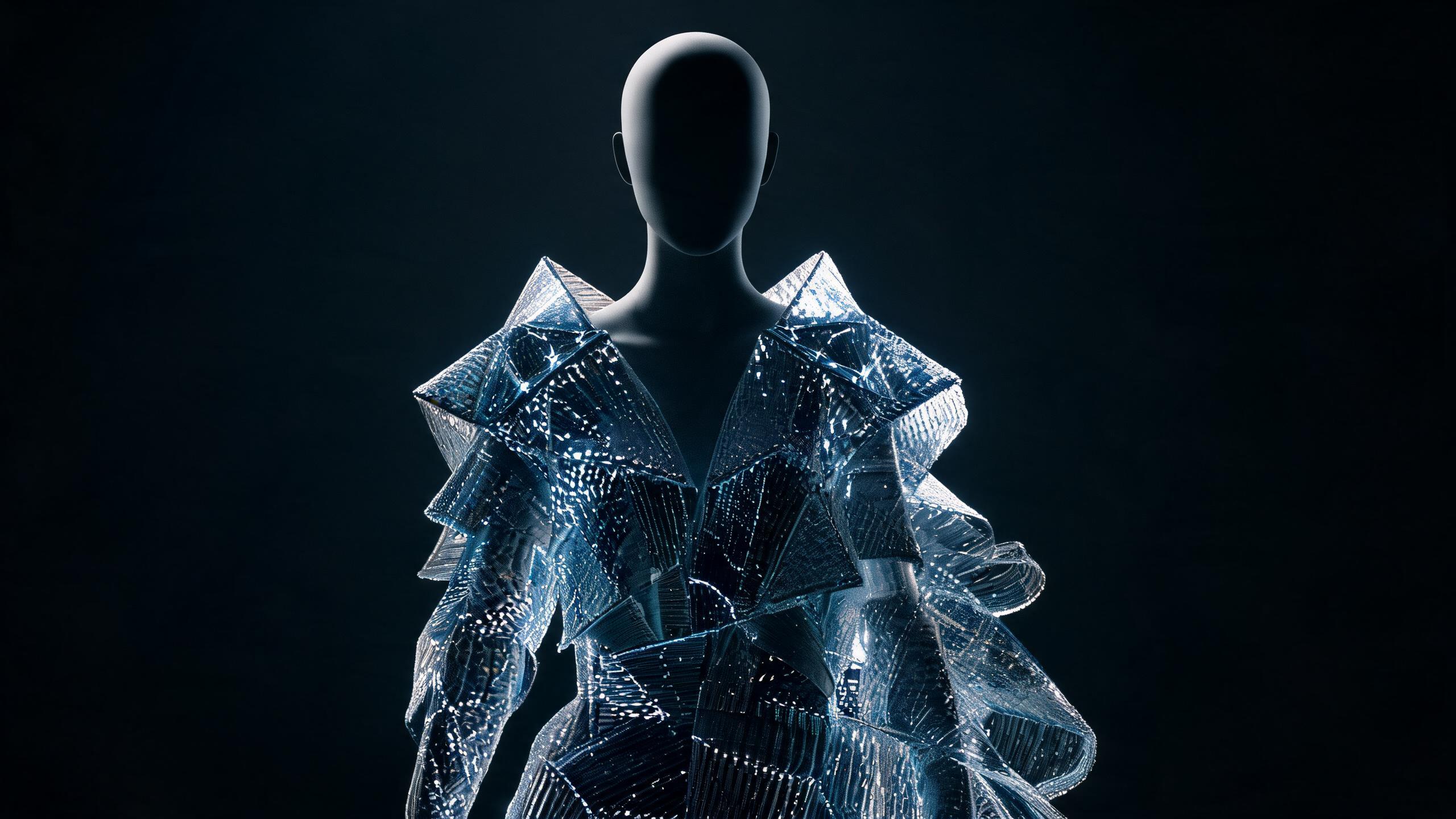
This trend emphasizes garments that look like traditional luxury but are engineered with performance-grade materials. We are seeing a fusion of couture silhouettes with technical fabrics like high-density nylon, bonded wool, and water-resistant silk. This is the aesthetic defined by precision and utility. A notable example is how Oprah Winfrey Defined the Tech-Luxe Aesthetic at Paris Fashion Week 2026, proving that high-intelligence fashion is as much about material science as it is about visual impact.
How it flatters: The rigidity of tech-luxe fabrics allows for "sculptural" tailoring. Sharp, reinforced shoulders create an inverted triangle silhouette, which provides a strong frame and balances wider hips or a softer midsection.
2. Square-Toe Brutalism
Footwear has moved away from the delicate, pointed aesthetic toward heavy, geometric foundations. The square toe is a statement of stability and architectural intent. It rejects the "natural" curve of the foot in favor of a deliberate, man-made edge. This trend bridges the gap between heritage leatherwork and futuristic industrial design. For a deeper analysis of this shift, see our report on Square Toe Boots: Comparing Heritage Design and AI at Paris Fashion Week.
How it flatters: The wide, horizontal line of a square toe creates a grounding effect for the leg. For those with taller frames, it prevents the foot from looking overly elongated, providing a balanced visual "stop" at the end of a trouser line.
3. Kinetic Drapery
Movement is the new focus of Parisian designers. Kinetic drapery involves garments that are cut to react to the body's motion. We saw this in high-definition through fluid jerseys and bias-cut satins that cling and release as the wearer moves. This isn't just about loose clothing; it’s about garments engineered to flow in a specific direction.
How it flatters: Bias-cut fabrics skim the body rather than hugging it tightly. This creates a vertical line that elongates the torso and softens the transition between the waist and hips, making it ideal for hourglass and athletic body types alike.
4. Obsidian Monochromatics
While color exists, the dominant force in Paris is the return to "Obsidian"—a range of blacks that rely on texture rather than hue to create depth. By stripping away color, the focus returns to the architecture of the garment. This trend is a direct response to the "dopamine dressing" of previous years; it is an exercise in restraint and high-level sophistication.
How it flatters: Monochromatic dressing creates an uninterrupted vertical line, which is the most effective way to add perceived height and streamline the silhouette. Using different textures (leather, wool, silk) within the same black palette adds dimension without breaking that line.
5. The Deconstructed Trench
The trench coat, a staple of Parisian style, has been re-engineered. Designers are removing the sleeves, exaggerating the storm flaps, and lengthening the hems to the floor. It is no longer a raincoat; it is a modular outer layer that serves as the centerpiece of an outfit.
How it flatters: An oversized, long-line trench coat creates a "column" effect. By cinching the belt high above the natural waist, it creates the illusion of longer legs and a more defined core, regardless of the layers underneath.
6. Hyper-Specific Accessories
Paris has moved away from the "It Bag" toward accessories that feel like specialized equipment. We saw industrial-grade belts, manicure-focused jewelry, and tech-integrated eyewear. A prime example of this hyper-specificity was seen in the industry’s reaction to Macaulay Culkin’s Paris Fashion Week manicure, where even the smallest details become part of a larger, engineered look.
How it flatters: Smaller, structured accessories allow the wearer to draw attention to specific points of the body. A wide, industrial belt highlights the waist, while structured, geometric bags can add width to a narrow frame to create a more balanced silhouette.
7. Globalized Heritage
This trend blends traditional Parisian couture techniques with global cultural signifiers. It is a refusal to stay within the boundaries of "Western" style, opting instead for a synthesis of textures and patterns from across the world, executed with French precision. Tyla’s recent appearances perfectly encapsulate this, as analyzed in our breakdown of Tyla’s Gaultier and Louboutin look.
How it flatters: The mix of intricate textures and patterns can be used to add volume to specific areas. For instance, a highly textured African-inspired weave on a bodice can add visual weight to the chest, balancing a heavier lower body.
👗 Want to see how these styles look on your body type? Try AlvinsClub's AI Stylist → — get personalized outfit recommendations in seconds.
How do you apply Paris fashion week trends to your body type?
Successful style is not about wearing a trend; it is about translating that trend into the language of your own body data. Most fashion advice is generic because it lacks the computational power to understand individual proportions. According to Gartner (2025), 80% of digital commerce leaders will transition to AI-driven personalization engines because human-curated recommendations fail to account for the trillions of possible combinations in fit and style.
| Body Type | Recommended Trend | Why it Works |
| Rectangle | Structured Tech-Luxe | Sharp shoulder pads and stiff fabrics create the curves that are naturally absent. |
| Hourglass | Kinetic Drapery | Fluid fabrics follow the natural curves without adding unnecessary bulk. |
| Inverted Triangle | Square-Toe Brutalism | Heavy footwear balances out wider shoulders by adding visual weight to the bottom. |
| Pear Shape | Deconstructed Trench | The exaggerated upper details (flaps, lapels) draw the eye upward and balance the hips. |
| Petite | Obsidian Monochromatics | A single-color vertical line prevents the body from being "cut" into sections by different colors. |
Do vs Don't: Navigating Paris Fashion Week Trends
Building an intelligent wardrobe requires knowing what to ignore. Fashion is a system of signals, and sending the wrong signal through poor fit or over-accessorizing degrades the integrity of your personal style model.
| Do ✓ | Don't ✗ | Why |
| Do prioritize fabric density. | Don't buy flimsy, "trend-first" materials. | High-quality fabrics hold their shape and interact better with your body's movement. |
| Do use AI to model looks before buying. | Don't impulse buy based on celebrity photos. | Celebrity looks are styled for cameras, not for your specific daily environment or body data. |
| Do invest in "anchor" pieces. | Don't buy a full runway look. | One strong architectural piece (like a square-toe boot) is more effective than a costume of trends. |
| Do tailor everything to your metrics. | Don't assume off-the-rack fits are "standard." | True Parisian chic is defined by the precision of the fit, not the brand on the label. |
Outfit Formulas for High-Intelligence Dressing
To implement the top 7 Paris fashion week trends effectively, use these "formulas." These are structured combinations designed to maximize the impact of modern Parisian aesthetics.
Formula 1: The Modern Architect
- Top: Fitted black turtleneck in high-gauge merino wool.
- Outerwear: Oversized deconstructed trench coat in charcoal bonded cotton.
- Bottom: Wide-leg wool trousers with a deep front pleat.
- Shoes: Matte leather square-toe boots.
- Why it works: The turtleneck and trousers create a slim monochromatic base, while the oversized trench adds the necessary architectural volume.
Formula 2: The Tech-Luxe Executive
- Top: Structured blazer with reinforced internal padding.
- Bottom: Tapered trousers in a technical water-resistant fabric.
- Shoes: Minimalist leather sneakers or flat square-toe loafers.
- Accessories: Industrial-strength nylon belt with a matte metal buckle.
- Why it works: It combines the authority of a suit with the performance of modern materials, perfect for high-stakes environments.
Formula 3: The Kinetic Evening
- Garment: Bias-cut silk midi dress in obsidian.
- Outerwear: Cropped, structured leather jacket (to break the flow).
- Shoes: Pointed-toe heels with a geometric, architectural heel.
- Accessories: Minimalist silver ear cuffs.
- Why it works: The dress provides the motion (Kinetic Drapery), while the leather jacket adds the necessary "Tech-Luxe" structure to balance the softness.
Why fashion needs AI infrastructure, not AI features
The gap between seeing a trend on a runway in Paris and having it work for you in your daily life is vast. Most fashion apps try to bridge this gap with "AI features"—simple filters or basic recommendation carousels. This is insufficient. What is required is AI infrastructure: a system that builds a personal style model for every user.
True style intelligence is not about identifying what is "trending." It is about understanding the mathematical relationship between a garment’s cut and a user’s body measurements. It is about analyzing the "AI vs. Human Eyes" debate, such as in the decoding of Jennie’s Chanel look, to see what makes a look objectively successful.
The old model of fashion commerce is dying because it is inefficient and impersonal. It treats humans as generic consumers rather than unique data profiles. By moving toward a model where your clothes are recommended based on a deep learning stylist that understands your history, your body, and your evolving taste, we eliminate the friction of dressing.
Paris Fashion Week provides the data; AI provides the interpretation. When these two forces combine, fashion stops being a guessing game and starts being a precise expression of identity.
AlvinsClub uses AI to build your personal style model. Every outfit recommendation learns from you. Try AlvinsClub →
Summary
- The top 7 paris fashion week trends utilize data-backed shifts that prioritize architectural precision and high-density textiles over transient, mass-market novelty.
- Paris functions as the primary source for fashion intelligence by defining the structural rules and garment engineering standards that the global industry eventually adopts.
- Traditional fashion commerce models are failing because reactive trend-chasing creates generic aesthetics that ignore unique individual taste profiles and physical data.
- Research from McKinsey indicates that implementing hyper-personalization through advanced data modeling can increase fashion retail conversion rates by as much as 15%.
- Analyzing the top 7 paris fashion week trends helps consumers move away from herd-following and toward building a personalized style model based on structural garment principles.
Frequently Asked Questions
Is it worth following the top 7 paris fashion week trends for everyday style?
Following these trends is worth the investment because they prioritize high-density textiles and structural integrity over fleeting fast-fashion cycles. By focusing on these refined aesthetics, consumers can build a versatile wardrobe that remains relevant across multiple seasons.
How does the implementation of the top 7 paris fashion week trends affect consumer behavior?
The implementation of these trends affects consumer behavior by shifting focus toward data-backed aesthetic preferences and personalized silhouettes. This change encourages shoppers to value garment engineering and quality materials over mass-market novelty.
Why does the adoption of the top 7 paris fashion week trends improve wardrobe longevity?
Adopting these trends improves wardrobe longevity because the garments are built with architectural precision and superior textiles. These structural rules ensure that pieces retain their shape and aesthetic appeal much longer than standard commercial clothing.
What is the defining characteristic of Parisian chic fashion?
Parisian chic is characterized by a balance between effortless style and rigorous garment engineering that favors the individual silhouette. It relies on high-quality materials and architectural shapes rather than chasing temporary market fads.
How does architectural precision impact modern garment design?
Architectural precision allows designers to create clothing that maintains its shape and functionality through advanced engineering techniques. This approach ensures that garments provide a structured fit while interacting seamlessly with the movements of the wearer.
Can you incorporate high-fashion runway trends into everyday wear?
Runway trends can be adapted for daily use by selecting key structural elements like high-density fabrics or specific silhouette changes. Integrating these sophisticated design principles helps elevate a standard wardrobe with the refined aesthetics of high-end fashion houses.
This article is part of AlvinsClub's AI Fashion Intelligence series.
Related Articles
- Square Toe Boots: Comparing Heritage Design and AI at Paris Fashion Week
- How Oprah Winfrey Defined the Tech-Luxe Aesthetic at Paris Fashion Week 2026
- AI vs. Human Eyes: Decoding Jennie’s Chanel Look at Paris Fashion Week
- Tyla’s Gaultier and Louboutin look: A Paris Fashion Week style analysis
- Using AI to recreate Macaulay Culkin’s Paris Fashion Week manicure