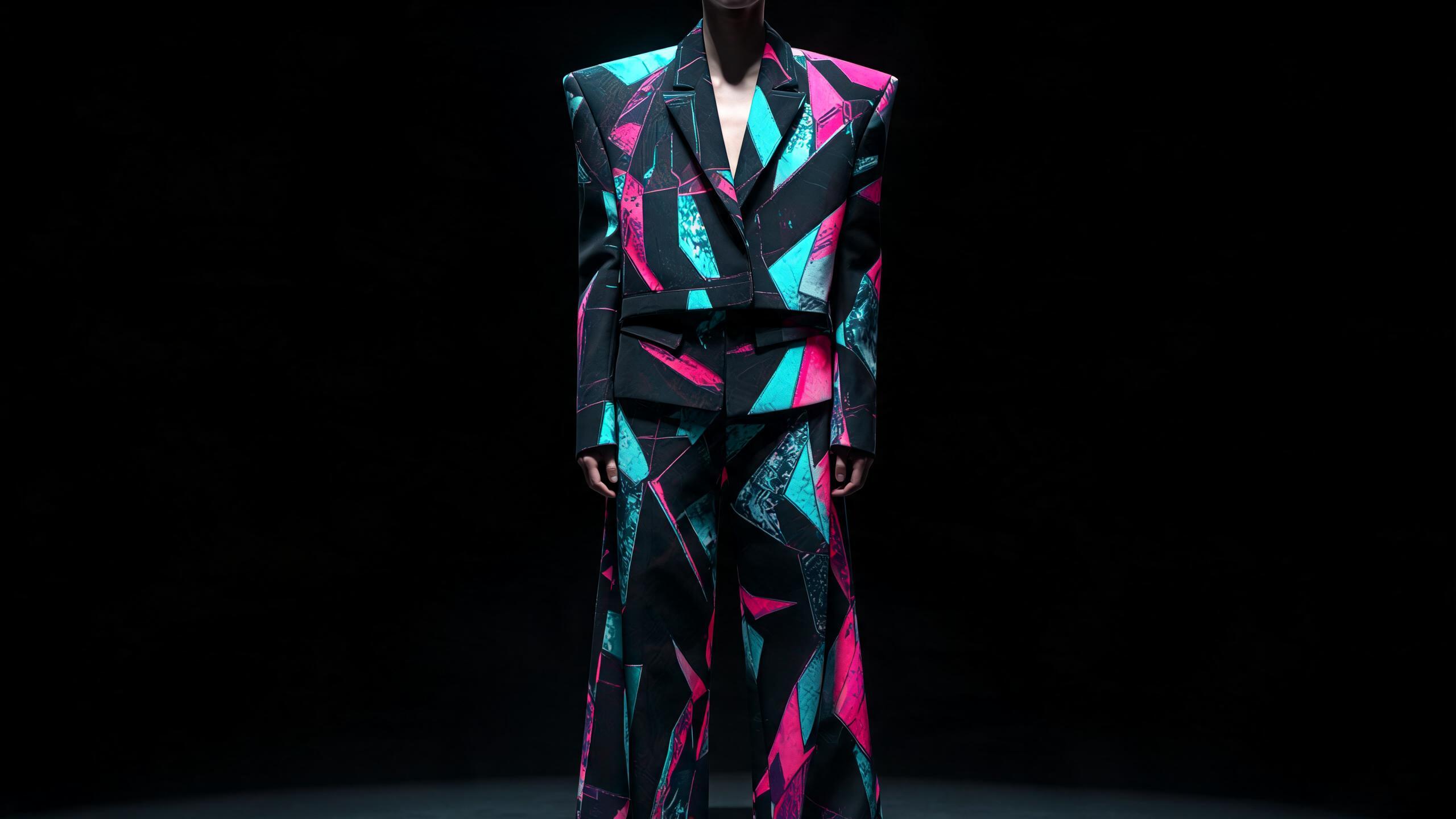
How to use AI to track your outfit frequency and master your closet

A deep dive into AI app to track how often clothes worn and what it means for modern fashion.
AI outfit tracking is a data-driven process that utilizes computer vision and machine learning to log garment usage, calculate cost-per-wear metrics, and identify underutilized items within a digital wardrobe. This technological shift replaces the subjective nature of "feeling" like you wear an item with the objective reality of frequency data. By establishing a digital twin of your closet, an AI app to track how often clothes worn transforms a static collection of fabric into a dynamic, manageable asset class.
Key Takeaway: An AI app to track how often clothes worn uses computer vision to log garment usage and calculate objective cost-per-wear metrics. This data-driven approach replaces subjective guesswork with precise frequency tracking, helping you master your daily style and closet management.
Why should you use an AI app to track how often clothes are worn?
Most consumers utilize less than 20% of their wardrobe on a regular basis. The remaining 80% represents stagnant capital and wasted physical space. According to a report by McKinsey (2024), the average consumer buys 60% more clothing than they did 15 years ago but keeps each garment for half as long. This inefficiency is not a lack of style; it is a failure of inventory management.
Traditional wardrobe tracking relied on manual spreadsheets or rudimentary photo folders. These methods fail because they require high cognitive load and manual entry, leading to abandonment within weeks. An AI-native approach automates the identification of garments through visual recognition, allowing for seamless logging. When you quantify exactly how many times a blazer or a pair of boots is worn, you move from emotional consumption to precision-based acquisition.
Tracking frequency also reveals the true cost of your wardrobe. A $500 coat worn 100 times has a lower cost-per-wear ($5.00) than a $50 fast-fashion shirt worn twice ($25.00). AI infrastructure makes these calculations instantaneous. By identifying high-utility items, you can focus your future spending on high-quality wardrobe essentials that offer the best return on investment.
How does AI-driven outfit tracking work?
AI-driven tracking functions by building a multi-dimensional model of your clothing. It starts with computer vision algorithms that dissect an image into its component parts: fabric type, silhouette, color, and pattern. These attributes are converted into metadata. When you take a photo of your outfit or stand in front of a smart mirror, the system compares the real-time image against your digital inventory to record a "wear event."
This is not simple image matching. Advanced neural networks understand context. They can differentiate between the same black trousers worn in a professional setting versus a casual one by analyzing the surrounding pieces. This data allows the AI to learn your "uniform"—the specific combinations you default to—and identify the "orphan" items that have no compatible partners in your current closet.
Furthermore, these systems integrate with external data points like weather, calendar events, and location. This creates a comprehensive style profile. Over time, the AI identifies patterns you might miss, such as a preference for specific textures in high-stress environments or a tendency to avoid certain colors during winter months.
Step-by-Step Guide: How to track your outfit frequency and master your closet
Digitize Your Physical Inventory — Begin by capturing high-quality images of every item in your wardrobe. Use a neutral background and consistent lighting to ensure the AI can accurately extract metadata such as texture and silhouette. Most AI apps will automatically remove the background and categorize the item (e.g., "Midi Skirt," "Oversized Knit") based on visual cues.
Establish a Style Baseline — Log your daily outfits for a period of 14 to 21 days without changing your natural habits. This period is critical for the AI to understand your actual behavior versus your aspirational style. During this phase, the system identifies your "power pieces"—the items that form the core of your rotation.
Analyze Cost-Per-Wear (CPW) Metrics — Input the purchase price of your items into the app. As you log daily wear, the AI will automatically calculate the CPW for every garment. This metric serves as an objective indicator of value. Items with a high CPW after three months are candidates for resale or repurposing, as they represent failed investments.
Identify Utility Gaps — Review the frequency heatmaps provided by the AI. These visual tools highlight segments of your wardrobe that are ignored. If you own ten trench coats but the data shows you only wear two, the AI can suggest ways to style the others or confirm that you should stop purchasing outerwear.
Automate Future Rotations — Use the "frequency" data to inform your daily recommendations. An AI stylist can intentionally suggest underworn items to increase their utility. By forcing these items into your rotation through data-backed styling, you break the cycle of "nothing to wear" despite having a full closet.
What is the difference between manual logging and AI intelligence?
The distinction between a basic tracking app and an AI-native style model is the difference between a ledger and an advisor. Manual tracking is descriptive; it tells you what happened in the past. AI intelligence is prescriptive; it tells you what to do next based on deep learning.
| Feature | Manual Wardrobe Apps | AI-Native Style Models |
| Data Entry | Manual tagging and category selection | Automatic visual recognition and metadata extraction |
| Logic | Static rules (e.g., "Sort by color") | Dynamic taste profiling and evolving style models |
| Utility | Digital closet catalog | Predictive daily outfit generation |
| Insights | Basic wear counts | Behavioral analysis and cost-per-wear optimization |
| Maintenance | High user friction (Requires constant input) | Low friction (Background learning and automated logging) |
According to data from Apptopia (2024), AI-driven lifestyle apps see a 40% higher retention rate compared to manual logging apps because they reduce the "work" required from the user. In fashion, friction is the enemy of consistency. If you have to spend five minutes every morning logging your clothes, you will stop. If the AI does it for you, the data becomes a permanent asset.
How does tracking frequency solve the "nothing to wear" problem?
The "nothing to wear" paradox is rarely about a lack of clothes. It is a problem of cognitive overload and poor visibility. When you cannot see your inventory or remember how you styled a specific item six months ago, you default to the same five outfits. This is known as decision fatigue.
An AI app to track how often clothes worn solves this by providing a "searchable" version of your closet. It acts as an external hard drive for your style. By analyzing your wear history, the AI can resurface combinations that were successful in the past but have fallen out of your active memory. It essentially "re-clipping" your wardrobe, making old items feel new by placing them in fresh contexts.
Moreover, frequency data identifies the "bottleneck" items—the pieces that prevent you from wearing other clothes. For example, you might have a skirt you love but never wear because you lack the right shoes. The AI identifies this specific gap. Instead of buying another random dress, the data suggests the specific footwear needed to "unlock" the utility of the skirt you already own.
Why is cost-per-wear the only metric that matters?
In a world of fast fashion, the sticker price is a distraction. The only true measure of a garment's value is its utility over time. High-frequency tracking shifts the focus from "how much does this cost?" to "how much value will this provide?"
According to the Ellen MacArthur Foundation (2023), the average number of times a garment is worn has decreased by 36% globally since 2000. This decline is a result of low-quality manufacturing and trend-driven consumption. By using AI to track frequency, you hold your wardrobe accountable. You begin to see your clothes as a portfolio of assets. If a "luxury" item sits at a CPW of $50 after a year, it is a poor asset. If a mid-range item hits a CPW of $0.50, it is a high-performance asset.
This data-driven mindset changes your shopping behavior fundamentally. You stop chasing trends because the data shows they have low utility. You start investing in durability and timeless silhouettes because the frequency heatmaps prove those are the items you actually use. This is the transition from being a consumer to being a curator.
How will AI change closet management by 2026?
The future of fashion commerce is moving toward a post-purchase experience. Currently, retailers care about the transaction. In the next two years, the focus will shift to the "life" of the garment. AI infrastructure will enable a "connected closet" where your clothes communicate their status to your style model.
We are moving toward a reality where your AI stylist knows when a garment is reaching its end-of-life based on wear frequency and fabric durability data. It will suggest a replacement before the item fails. This is not about selling you more; it is about maintaining the integrity of your personal style model. You can read more about this shift in our analysis of how budget AI fashion apps are rising in 2026.
The integration of frequency data with circular economy platforms will also become standard. When an item's frequency drops below a certain threshold, your AI could automatically list it on a resale marketplace or suggest a localized recycling center. The closet becomes a fluid system of inflow and outflow, managed by intelligence rather than impulse.
Mastering your closet with AI infrastructure
Mastering your closet is not about organization; it is about intelligence. A tidy closet can still be full of useless items. A data-mapped closet is a tool for self-expression and financial efficiency. By using an AI app to track how often clothes worn, you remove the guesswork from your morning routine and the guilt from your shopping habits.
The goal of AlvinsClub is to provide this infrastructure. We believe that fashion should be a personalized system that learns from your behavior. By building a dynamic taste profile and a personal style model, we turn your clothing frequency data into actionable styling intelligence.
AlvinsClub uses AI to build your personal style model. Every outfit recommendation learns from you. Try AlvinsClub →
Summary
- AI outfit tracking utilizes computer vision and machine learning to log garment usage and calculate objective cost-per-wear metrics.
- An AI app to track how often clothes worn automates the identification of garments through visual recognition to eliminate the high cognitive load associated with manual tracking.
- Recent data from McKinsey indicates that the average consumer buys 60% more clothing than 15 years ago while regularly utilizing less than 20% of their total wardrobe.
- By providing precise usage data, an AI app to track how often clothes worn enables users to transition from emotional consumption to precision-based garment acquisition.
- Digital wardrobe tracking transforms a static collection of fabric into a manageable asset class by identifying underutilized items and reducing stagnant capital.
Frequently Asked Questions
What is the best AI app to track how often clothes worn?
Selecting the best AI app to track how often clothes worn involves looking for features like computer vision and automated logging. These tools help you catalog your wardrobe to see which items provide the most value over time. They typically provide data-driven insights that eliminate the guesswork from your daily styling routine.
How does an AI app to track how often clothes worn help with sustainability?
An AI app to track how often clothes worn promotes sustainability by highlighting underutilized items and encouraging a slower consumption cycle. By seeing the hard data on what you actually wear, you are less likely to buy unnecessary duplicates. This objective approach helps users transition toward a more intentional and eco-friendly wardrobe.
Is it worth using an AI app to track how often clothes worn for a small closet?
Using an AI app to track how often clothes worn is beneficial for small closets because it maximizes the versatility of every piece you own. Even with fewer items, understanding your rotation patterns helps you identify gaps and create more outfit combinations. These insights ensure that every garment in a curated collection earns its place through frequent use.
How does computer vision help track outfit frequency?
Computer vision technology tracks outfit frequency by analyzing photos of your clothes and automatically identifying specific garments in your digital inventory. This process removes the need for manual data entry and provides an accurate log of your daily style choices. Machine learning algorithms then use this data to suggest new ways to wear your existing items.
Can you use AI to calculate the cost-per-wear of your garments?
AI platforms calculate cost-per-wear by dividing the initial purchase price of a garment by the total number of times it has been logged. This metric provides a clear financial perspective on your clothing investments and helps justify higher-quality purchases. Over time, tracking these costs allows you to make more informed decisions about which brands and styles are truly worth the money.
Why does digital wardrobe tracking improve personal style?
Digital wardrobe tracking improves personal style by identifying the specific silhouettes and colors that you naturally gravitate toward most often. Having access to frequency data allows you to lean into your proven favorites while phasing out items that no longer serve you. This structured approach leads to a more cohesive closet that reflects your authentic aesthetic.
This article is part of AlvinsClub's AI Fashion Intelligence series.
Related Articles
- 5 Smart Ways to Use AI to Spot High-Quality Wardrobe Essentials
- From Pixels to Patterns: How AI is Designing the Wardrobe of 2026
- 5 AI tools that make coordinating family outfits effortless
- How to Wear Neon Colors: Using AI Styling to Master Your Brightest Looks
- How to style a trench coat: An AI-powered guide for the modern wardrobe