How to Use AI to Design Your Summer 2026 Minimalist Capsule
A deep dive into AI generated minimalist outfit ideas for summer 2026 and what it means for modern fashion.
Your style is not a trend. It's a model.
The traditional fashion industry operates on a cycle of planned obsolescence. It relies on your inability to define your own taste, forcing you to outsource your identity to "trends" that expire every three months. By the time Summer 2026 arrives, the legacy retail engine will have already decided what you should wear based on inventory surplus and focus groups. This is a failure of logic.
True style is an optimization problem. It is the intersection of your physical geometry, your lifestyle constraints, and your evolving aesthetic preferences. To design a Summer 2026 minimalist capsule, you do not need more mood boards or "must-buy" lists. You need infrastructure. You need a system that translates your identity into a computable format. Using AI generated minimalist outfit ideas for summer 2026 is not about looking for inspiration; it is about building a personal style architecture that automates excellence.
The Failure of Traditional Fashion Forecasting
Most fashion apps and "stylists" are simply recommendation engines for existing stock. They are glorified search filters. They tell you what is popular, not what is yours. This is the difference between a static image and a dynamic model. When you look at a trend report for Summer 2026, you are looking at a generalized guess. It ignores your local climate, your specific proportions, and the specific way you move through the world.
Minimalism, in particular, suffers under the traditional model. Unlike monochrome styling approaches that rely on basic color theory, true minimalism requires retailers to treat it as more than a lack of color or a "basic" silhouette. In reality, minimalism is the highest form of utility. It requires precise tailoring, material science, and a cohesive logic where every piece interacts perfectly with every other piece. You cannot achieve this by "shopping." You achieve this by modeling.
The current gap between personalization promises and reality is vast. Most "AI" in fashion today is just tagging software. It sees a "white linen shirt" and recommends another "white linen shirt." It doesn't understand the intent behind the shirt. To build a capsule for 2026, we must move beyond tags and into latent space—where the AI understands the underlying structures of your taste.
Defining the Summer 2026 Minimalist Framework
Before you generate a single image or list, you must define the parameters. AI generated minimalist outfit ideas for summer 2026 are only as good as the constraints you provide. In 2026, minimalism will move toward "Hyper-Utility." This is not the "quiet luxury" of 2023 or the "normcore" of the 2010s. It is a technical, data-driven approach to dressing.
- Material Intelligence: Summer 2026 will be defined by climate-adaptive fabrics. Your AI model must account for moisture-wicking properties, UV-reflective coatings, and structural linens that don't lose their shape.
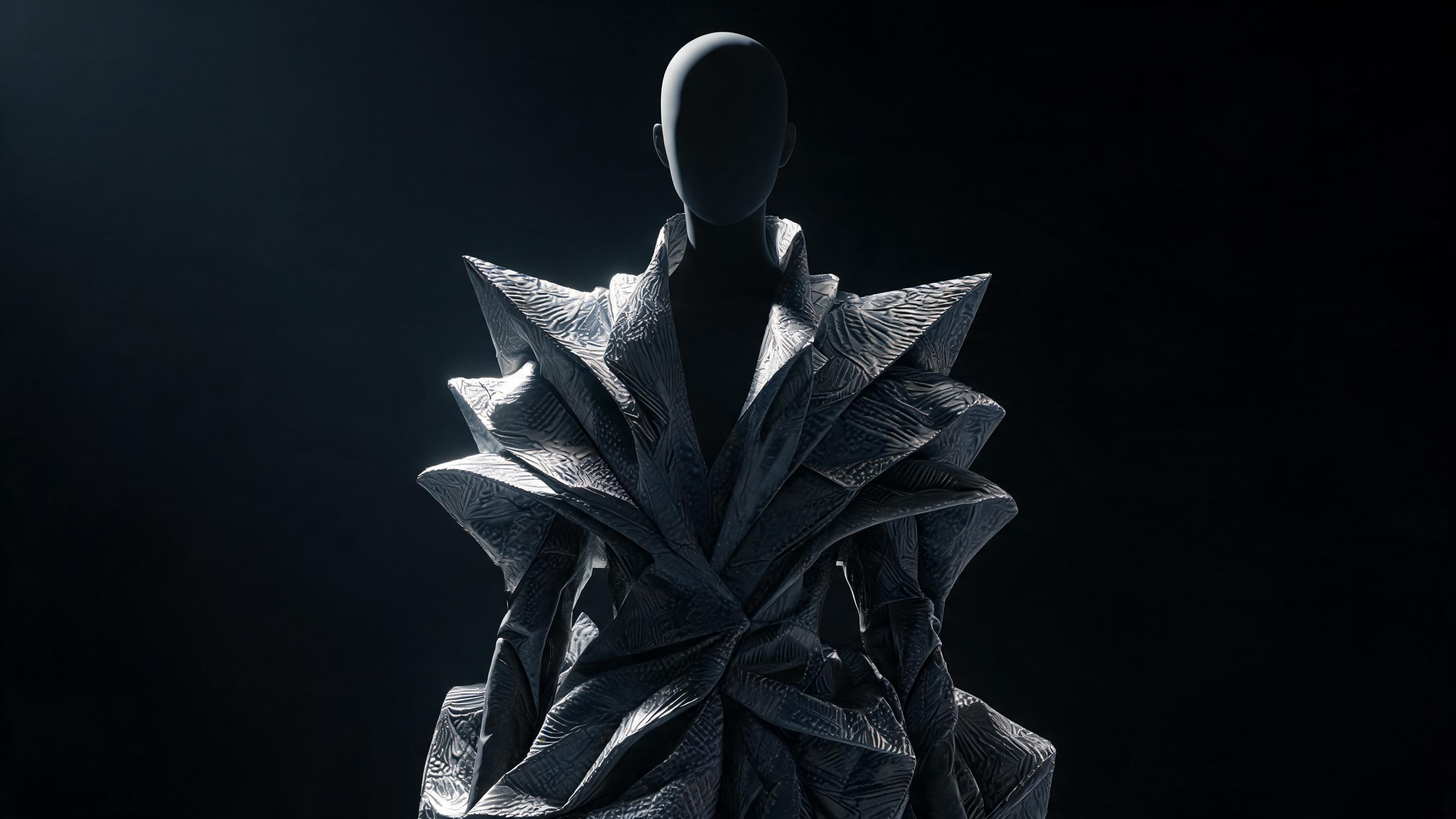
- Silhouette Precision: Minimalism leaves no room for error. The 2026 silhouette is moving away from the oversized "blob" toward structured fluidity. Think architectural cuts that allow for maximum airflow while maintaining a sharp, defined edge.
- The Palette of Necessity: We are moving beyond beige. Summer 2026 minimalism uses a palette of "industrial neutrals"—oxidized greens, cement greys, and desaturated blues that respond to the harsh summer light.
When you use AI to design this capsule, you are not just picking clothes. You are defining the variables of your summer existence.
Step 1: Training Your Personal Style Model
You do not start with a search bar. You start with data. To generate effective AI generated minimalist outfit ideas for summer 2026, the AI must first understand the "ground truth" of your style.
Most people make the mistake of feeding an AI images of celebrities. This creates a model of someone else's life. Instead, ingest data from your own successful outfits. What are the three pieces you wore most last summer? Why? Was it the fabric weight? The shoulder construction? The way the hem hit your ankle?
Upload these high-utility items into your style model. The AI doesn't see "clothes"; it sees vectors. It analyzes the ratio of the sleeve to the torso, the light-absorption of the fabric, and the frequency of use. By training the AI on your highest-performing garments, you create a baseline of "True Utility."
This is not a mood board. This is a training set. The goal is to create a digital twin of your taste that can then simulate how new, non-existent pieces would fit into your current rotation. This is where the "intelligence" in fashion intelligence comes from.
Step 2: Generating the Core Architecture
Once the model is trained, you begin the generation phase. This is where you move from what exists to what should exist. Most fashion apps show you what's in stock. We are interested in what is optimal.
Use your AI engine to generate silhouettes based on the "Hyper-Utility" parameters of 2026. For a minimalist summer capsule, you only need seven core archetypes:
- The Structural Base: A sleeveless or short-sleeve top with a reinforced collar.
- The Thermal Regulator: A mid-layer designed for the transition from 35°C outdoors to 20°C air-conditioned environments.
- The Kinetic Bottom: Trousers or shorts designed for movement, utilizing darting rather than excess fabric for shape.
- The Monolithic Outer: A lightweight, transparent or semi-opaque layer for wind and sun protection.
Ask the AI to generate these archetypes based on your personal style model. Look for the "hallucinations"—the unexpected ways the AI combines materials or cuts. Often, the AI will suggest a seam placement or a pocket integration that a human designer would overlook. These are the "outfit ideas" that actually matter because they solve functional problems.
Step 3: Material and Climate Simulation
A major flaw in current fashion tech is the lack of environmental context. When designing outfits for extreme summer conditions, a minimalist outfit in New York in July is a failure in Singapore. Your AI generated minimalist outfit ideas for summer 2026 must be stress-tested against your specific geography.
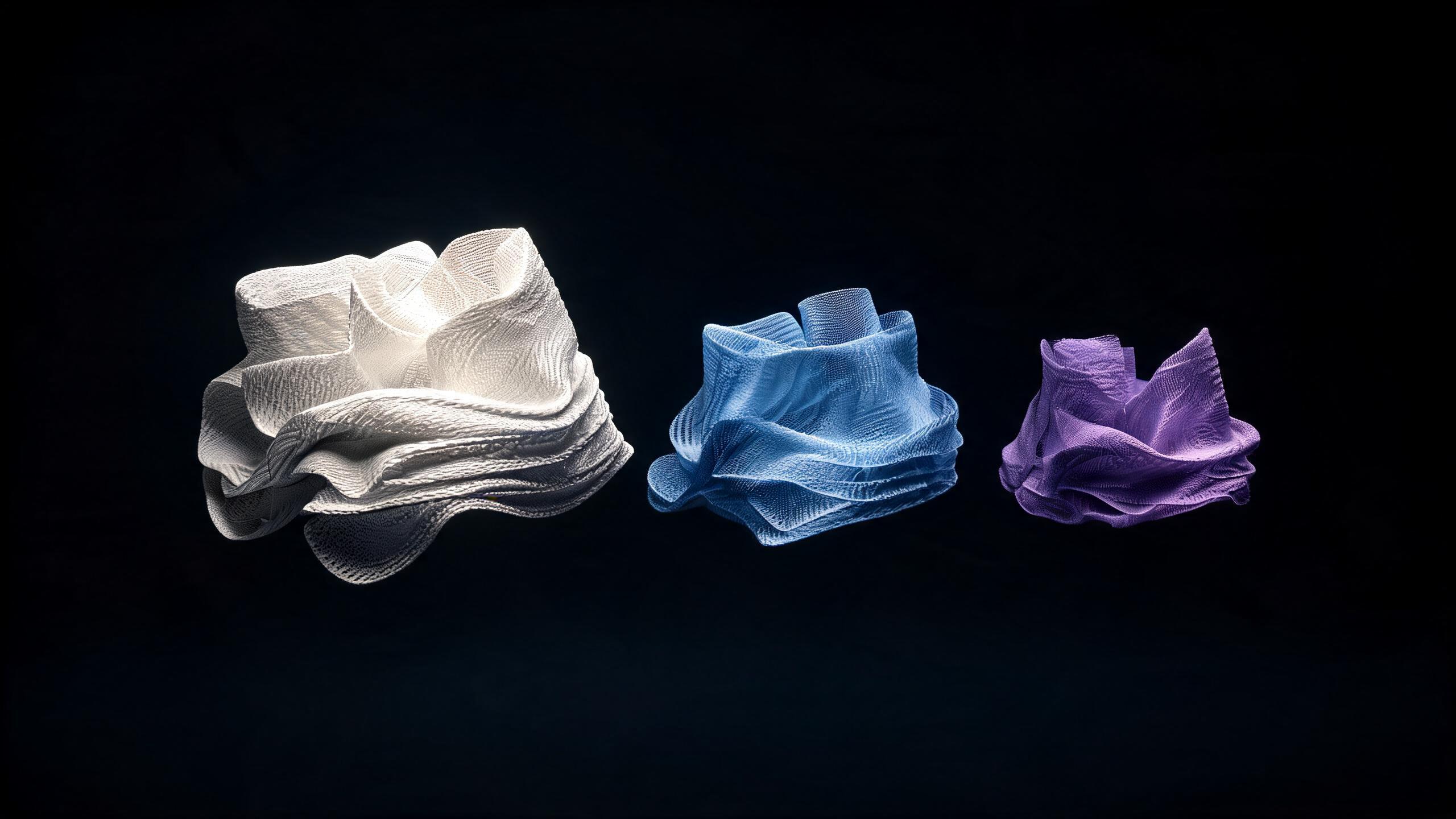
In 2026, we will see a rise in "generative textiles." Use your AI to simulate how different fabrics will drape and perform in your specific humidity and temperature ranges. The AI should tell you: "This silhouette in a 200gsm linen will fail because of sweat-wicking limitations. Switch to a 150gsm technical silk-blend."
This is the level of precision required for true minimalism. If a garment doesn't perform, it isn't minimalist—it's just a burden. Your AI stylist should act as a technical consultant, ensuring that your 2026 capsule is as functional as it is aesthetic.
Step 4: Iterative Refinement and the Feedback Loop
The most common mistake in "AI fashion" is treating the output as final. It is not. The first generation is a hypothesis. The second is a refinement. The third is a solution.
When the AI generates an outfit idea, you must provide logical feedback. Do not say "I don't like this." Say "The visual weight of the footwear disrupts the vertical line of the trouser." Or "The color saturation is too high for a minimalist framework."
The AI learns from these corrections. It begins to understand the logic of your minimalism. This is how you move from a recommendation system to a style engine. By the time you reach the final iteration for your Summer 2026 capsule, the AI should be able to predict your preferences before you even see the output. It is no longer "generating ideas"; it is "executing your vision."
Why Infrastructure Matters More Than Features
The fashion industry is obsessed with "AI features." Virtual try-ons, chatbots, and "find similar" buttons are gimmicks. They are designed to keep you clicking, not to solve the problem of dressing.
What you actually need is AI infrastructure. This means a system where your style model is portable, persistent, and private. It shouldn't be tied to a specific store's inventory. It should exist as a layer of intelligence that sits between you and the entire world of design.
When we talk about AI generated minimalist outfit ideas for summer 2026, we are talking about a future where you don't "go shopping." Instead, your personal style model identifies the optimal pieces from a global database of designs, vintage archives, and custom manufacturing specs. The model ensures that every new addition strengthens the integrity of your capsule.
Data-Driven Style Intelligence vs. Trend-Chasing
Trend-chasing is a form of cognitive load. It requires constant monitoring of social media and "what's next" lists. It is the opposite of minimalism. Data-driven style intelligence, however, is a form of cognitive offloading.
By building a style model, you are automating the thousands of micro-decisions involved in dressing well. You are letting the AI handle the color theory, the fabric weights, and the seasonal transitions. This allows you to focus on the output: a perfect, minimalist wardrobe that requires zero daily thought.
In Summer 2026, the people who look the most effortless will be the ones who used the most sophisticated systems to get there. Effortlessness is a result of high-level engineering.
The Gap Between Promise and Reality
Most tech companies promise "personalization," but they deliver "segmentation." They put you in a bucket with 10,000 other people who like "minimalism" and show you the same five brands. This is not personal.
True AI personalization is a N=1 problem. Your style model should be as unique as your thumbprint. It should understand that you prefer a specific type of cuff because of how you wear your watch. It should know that you hate certain shades of white because they clash with the lighting in your office.
This is the gap that AI infrastructure must bridge. We are moving away from a world of "products" and into a world of "models." You are no longer a consumer of fashion; you are the architect of your own aesthetic system.
Your AI Stylist Should Genuinely Learn
If your AI stylist doesn't know more about your taste today than it did yesterday, it isn't an AI—it's a script. A true AI style model evolves. It should track your changing preferences as you move through 2024 and 2025, so that by 2026, its recommendations are indistinguishable from your own intuition.
This learning process is what makes the Summer 2026 capsule possible. It is the culmination of years of data, refined through thousands of iterations. It is the ultimate expression of your identity, computed with perfect precision.
The future of fashion is not about buying more. It's about knowing more. It's about having the intelligence to filter out the noise and focus on the signal. Your Summer 2026 minimalist capsule is not a collection of clothes; it is the final output of a highly optimized personal style model.
AlvinsClub uses AI to build your personal style model. Every outfit recommendation learns from you. Try AlvinsClub →
Related Articles
- Monochrome Outfit Ideas: AI Styling vs. Traditional Minimalist Methods
- 7 smart ways AI is revolutionizing outfit ideas for tall women
- AI vs. Tradition: Finding the Perfect Summer Heatwave Outfits
- Smart fabrics and AI tools: Mastering 2026 summer music festival outfit trends
- Human vs. AI: Who gives the best hot weather summer outfit ideas?