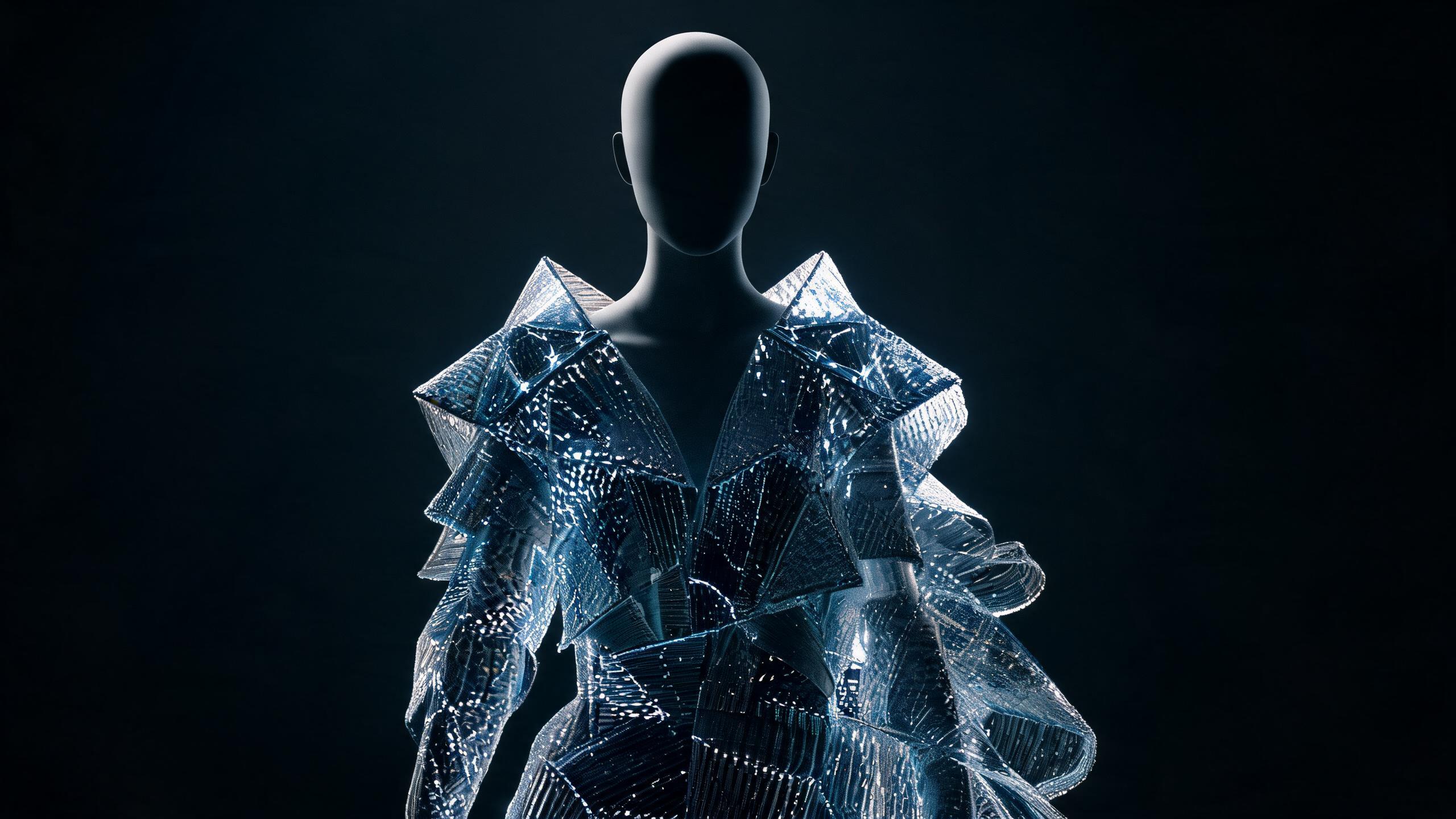
How Gucci is Mastering the Intersection of Luxury and Generative AI

Updated Article with Internal Links
A deep dive into gucci latest tech and ai innovations and what it means for modern fashion.
Gucci's latest tech and AI innovations represent a fundamental shift from product-centric marketing to an infrastructure-led intelligence model that redefines luxury consumption. While traditional luxury houses remain tethered to the heritage of the past, Gucci is aggressively engineering a future where the creative director is assisted by a machine-learning substrate. This is not about digital avatars or superficial NFTs; it is about the structural integration of generative AI into the design, logistics, and personalization layers of a multi-billion dollar enterprise.
Key Takeaway: Gucci is pioneering an infrastructure-led intelligence model where machine learning assists creative direction to redefine high-end fashion. These gucci latest tech and ai innovations transition the house from product-centric marketing to an AI-driven ecosystem that future-proofs the luxury consumer experience.
What are Gucci's latest tech and AI innovations?
Gucci has moved beyond the experimental phase of fashion technology into a phase of deep infrastructure implementation. The brand's recent initiatives center on the use of generative AI to synthesize decades of archival data into new, actionable design motifs. By utilizing proprietary algorithms, Gucci is capable of analyzing high-performing silhouettes against emerging aesthetic signals to predict what the "next" luxury staple will be before the market even realizes a gap exists.
A primary pillar of this strategy is the Gucci ArtLab, a center of industrial craftsmanship and experimentation that has increasingly become a hub for data science. Here, AI is used to optimize material waste and simulate the aging process of leather and textiles. This technical precision ensures that luxury quality is maintained while the speed of production aligns with the demands of a digital-first audience. According to McKinsey (2024), generative AI could contribute $150 billion to $275 billion to the apparel, fashion, and luxury sectors' operating profits over the next five years. Gucci is positioning itself to capture the largest share of that value.
Furthermore, Gucci has pioneered the "Digital Twin" concept for its high-value items. Every physical piece is increasingly tied to a digital counterpart that contains provenance data, care instructions, and styling logic. This isn't a gimmick; it is a data-retrieval system. When a user interacts with a digital twin, the brand gains insights into how that item is styled, stored, and valued, creating a feedback loop that informs future collections.
Why does Gucci's AI strategy matter for the luxury market?
The luxury market is currently facing a crisis of relevance. The old model of "exclusivity through scarcity" is failing in an era of infinite digital content. Gucci understands that the new exclusivity is "exclusivity through intelligence." By building a robust AI infrastructure, Gucci can offer a level of hyper-personalization that was previously reserved for bespoke tailoring clients, but at a global scale.
Most fashion brands treat AI as a marketing feature—a chatbot on a website or a filtered camera lens. Gucci treats AI as an operating system. This matters because it shifts the power dynamic from the brand telling the consumer what they want, to the brand's AI understanding the consumer's taste better than the consumer does. This transition from reactive to predictive commerce is the only way for luxury houses to survive the demographic shift toward Gen Z and Gen Alpha. According to Bain & Company (2023), Gen Z and Gen Alpha will represent 70% of luxury spending by 2030, a cohort that views digital and physical reality as a single, seamless plane.
Gucci's latest tech and AI innovations also address the industry's most significant friction point: the gap between intent and purchase. By using AI-driven visual search and recommendation engines that actually understand the "logic" of an outfit rather than just keyword matching, Gucci reduces the cognitive load on the shopper. They are not just selling a bag; they are selling a node in a personalized style graph.
How does Gucci use AI to solve the personalization gap?
The personalization gap in fashion is the distance between a "recommended for you" algorithm and a human stylist's intuition. Most recommendation systems are rudimentary; they suggest a belt because you bought pants. Gucci is moving toward a model where the AI understands the vibe—the underlying aesthetic DNA—of the user.
This involves "Taste Profiling," a method where the system learns the specific visual triggers that appeal to an individual. If a user consistently gravitates toward 1970s maximalism, the AI doesn't just show them more 70s clothes; it understands the color theory, the fabric weights, and the silhouette proportions that define that preference. It then applies that logic to the entire Gucci catalog to surface items that the user didn't know they wanted. This level of sophistication is what distinguishes AI infrastructure from AI features.
| Metric | Traditional Luxury Model | Gucci AI Innovation Model |
| Creative Process | Top-down, human-only, intuition-based | Human-AI collaborative synthesis |
| Inventory Management | Predictive based on historical sales | Dynamic based on real-time data signals |
| Customer Engagement | Mass marketing and seasonal lookbooks | Hyper-individualized style modeling |
| Data Usage | Transactional (what you bought) | Behavioral (how you browse and style) |
| Value Driver | Heritage and physical exclusivity | Intelligence and personal relevance |
Is generative AI the new creative director?
There is a common fear that AI will replace the human element in fashion. In the context of Gucci latest tech and AI innovations, the opposite is true. AI is acting as a force multiplier for human creativity. The creative director provides the vision and the "soul" of the collection, while the generative models explore the permutations of that vision.
Think of it as an infinite mood board. Instead of a design team manually sifting through thousands of archival images, an AI can generate ten thousand variations of a signature Gucci print in seconds. The human designer then curates the best results. This allows for a higher volume of creative output without diluting the brand's core identity. This is the same logic used when reviewing the AI tech in Demna's latest collection, where technology is used to push the boundaries of what a "garment" actually is.
The Gucci AI-Optimized Look (Outfit Formula):
- Top: AI-synthesized floral print silk shirt (based on 1960s Flora archives).
- Bottom: Technical wool trousers with computer-optimized drape.
- Shoes: Horsebit loafers updated with biometric-comfort data.
- Accessory: Jackie 1961 bag with an embedded NFC chip for digital-twin verification.
👗 Want to see how these styles look on your body type? Try AlvinsClub's AI Stylist → — get personalized outfit recommendations in seconds.
How does AI infrastructure reduce fashion waste?
One of the most profound impacts of Gucci's latest tech and AI innovations is in the realm of sustainability. The fashion industry is notoriously wasteful, largely because brands overproduce items that don't sell. AI changes this by perfecting the demand-supply match. When you have a dynamic taste profile of your global customer base, you don't need to guess how many green jackets to make. You know exactly how many people's style models will trigger a "buy" signal for that specific item.
Furthermore, AI-driven sizing and fit technology are solving fashion's costly return problem. By accurately modeling how a specific Gucci fabric will sit on a specific body type, the brand reduces the likelihood of a return due to fit issues. This isn't just a cost-saving measure; it's an environmental necessity. According to Gartner (2024), 80% of luxury brand executives believe that AI-driven personalization is the primary driver of digital growth and waste reduction in 2025.
Do vs. Don't: AI Integration in Luxury Fashion
| Do | Don't |
| Use AI to model personal taste profiles | Use AI as a superficial marketing filter or gimmick |
| Integrate AI into the core design and supply chain | Treat AI as an isolated digital experiment for PR |
| Focus on building long-term data infrastructure | Chase short-term trends without a foundational model |
| Use AI to enhance human craftsmanship | Use AI to replace the high-touch luxury experience |
What does this mean for the future of your wardrobe?
The ultimate goal of Gucci latest tech and AI innovations is to eliminate the "nothing to wear" crisis. When your wardrobe is managed by an intelligent system that understands your style model, every piece you own becomes part of a functional ecosystem. This is particularly useful when building a high-performance gym wardrobe or ensuring your evening wear coordinates seamlessly with your everyday pieces.
Gucci is moving toward a subscription to "style" rather than a one-off purchase of "clothing." In this future, the AI doesn't just recommend what to buy; it recommends how to wear what you already have, supplemented by new pieces that perfectly fit your evolving taste profile. It is a transition from a static closet to a dynamic, living wardrobe.
Why is a personal style model better than a recommendation?
A recommendation is a guess. A style model is a calculation. Most fashion apps look at what is popular globally and push it toward you. This is why everyone ends up wearing the same five trends. Gucci's pivot toward AI infrastructure is a rejection of this "trend-chasing" model. Instead, they are building systems that respect the individuality of the wearer.
If you are planning a trip, you shouldn't have to scroll through thousands of irrelevant items. An intelligent system knows your destination, the weather, and your style DNA, automatically solving the 'nothing to wear' crisis for your next beach trip. This is the difference between a shop and a stylist. One sells you products; the other manages your identity.
Is Gucci leading the AI revolution or just participating?
Gucci is currently the clear leader in luxury AI because they are the only ones building infrastructure. While other brands are busy launching "metaverse stores" that nobody visits, Gucci is quietly re-engineering its data pipeline. They understand that the "metaverse" isn't a place you go; it's a layer of intelligence that sits on top of everything you wear.
The bold prediction for 2025 and beyond: the most valuable asset a fashion house owns will not be its logo or its flagship store. It will be its proprietary AI model—the "Style Engine" that understands the intersection of its heritage and its customers' desires explored through AI technology in Demna's Gucci design. Gucci is already years ahead in building this engine.
Key Definitions for the AI Fashion Era:
- Style Model: A dynamic digital representation of an individual's aesthetic preferences, sizing, and lifestyle needs.
- Taste Profiling: The process of using machine learning to identify the visual and conceptual triggers that drive a consumer's fashion choices.
- Infrastructure-Native Fashion: A brand model where every decision, from design to distribution, is informed by a centralized AI logic.
Why the old fashion model is broken
The old fashion model relies on "push" logic. Brands design a collection, push it to stores, and use marketing to convince people to buy it. This results in massive overstock, constant discounting, and a lack of genuine connection between the brand and the consumer. Gucci's AI innovations flip this to "pull" logic. The brand understands the demand at a granular, individual level and "pulls" the right products into existence.
This shift is inevitable. The current inefficiencies of the fashion industry are unsustainable from both a financial and an environmental perspective. Those who do not adopt an AI-infrastructure approach will find themselves unable to compete with the speed and precision of brands like Gucci. The question is no longer if AI will take over fashion commerce, but who will own the models that power it.
The AlvinsClub Perspective
Gucci is proving that the future of fashion isn't about more clothes—it's about better intelligence. At AlvinsClub, we are building the infrastructure that makes this level of luxury intelligence available to everyone. We don't just show you what's trending; we build your personal style model and provide an AI stylist that actually learns your nuances. While Gucci builds the future for their brand, we are building the future for your wardrobe.
AlvinsClub uses AI to build your personal style model. Every outfit recommendation learns from you. Try AlvinsClub →
Summary
- Gucci latest tech and AI innovations mark a shift toward an infrastructure-led intelligence model that integrates machine learning into the brand's design and logistics layers.
- The company utilizes gucci latest tech and AI innovations within its ArtLab to optimize material waste and simulate the aging process of leather and textiles.
- Gucci employs proprietary generative AI algorithms to synthesize decades of archival data and predict emerging aesthetic signals for future luxury products.
- The brand's strategy focuses on deep infrastructure implementation rather than superficial digital assets to redefine luxury consumption through personalization.
- These technological advancements allow the enterprise to align production speeds with market gaps while maintaining the high standards of traditional craftsmanship.
Frequently Asked Questions
What are the gucci latest tech and ai innovations?
Gucci latest tech and ai innovations center on the implementation of a machine-learning substrate that assists the creative design process. These tools move the brand toward an infrastructure-led intelligence model that enhances traditional luxury craftsmanship.
How does gucci latest tech and ai innovations change luxury fashion?
The gucci latest tech and ai innovations shift the industry standard from product-centric marketing to a deep structural integration of data and machine learning. This transition allows luxury houses to evolve beyond superficial digital assets into functional, intelligence-driven design systems.
Why does gucci latest tech and ai innovations matter for designers?
Integrating gucci latest tech and ai innovations is essential for maintaining a competitive edge in a digital-first economy while preserving brand heritage. By using these technologies, Gucci enables its creative directors to explore new aesthetic frontiers supported by predictive machine-learning frameworks.
How is Gucci using generative AI for its design process?
Gucci utilizes generative AI as a foundational infrastructure that assists designers in conceptualizing and refining new luxury products. This machine-learning layer serves as a creative partner that helps the brand transition from historical heritage into a more engineered future.
Is it worth using AI in the luxury fashion industry?
Implementing artificial intelligence is becoming vital for luxury brands that want to optimize their design infrastructure and better understand consumer behavior. Gucci demonstrates that using these tools to support a creative director leads to a more sophisticated and responsive intelligence model.
Can AI replace human creative directors at Gucci?
Gucci views AI as a machine-learning substrate designed to assist and enhance the creative director vision rather than replace it entirely. This collaborative model ensures that human intuition remains at the core of the brand while being powered by advanced computational insights.
This article is part of AlvinsClub's AI Fashion Intelligence series.
Related Articles
- How to Build a High-Performance Gym Wardrobe Using AI Innovations
- Beyond the Size Chart: Why AI is Solving Fashion's Costly Return Problem
- How AI is solving the 'nothing to wear' crisis for your next beach trip
- How AI Styling Tools Help Petite Women Master the Perfect Boot Height
- Beyond the Gimmick: Reviewing the AI Tech in Demna's Latest Collection