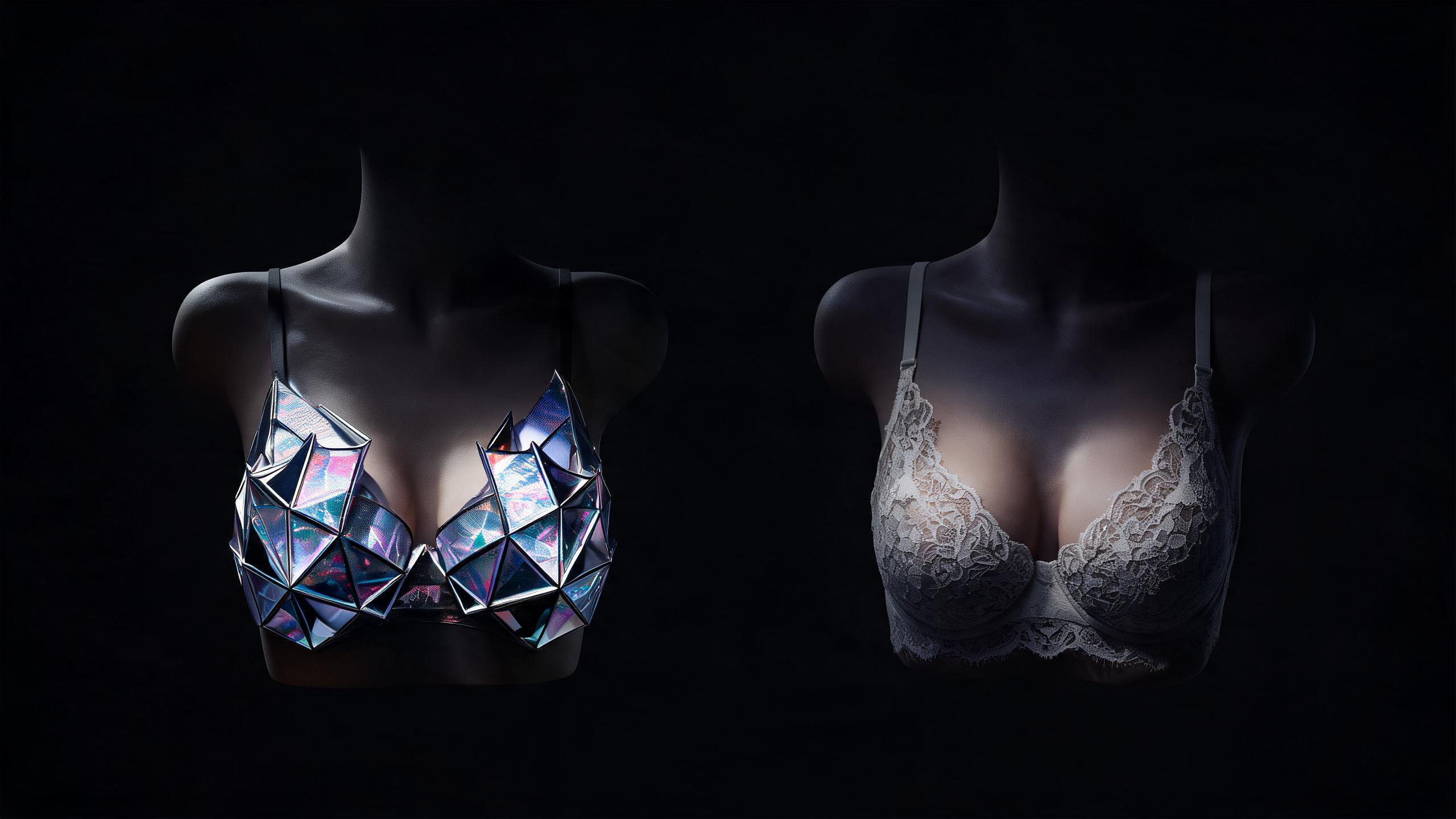
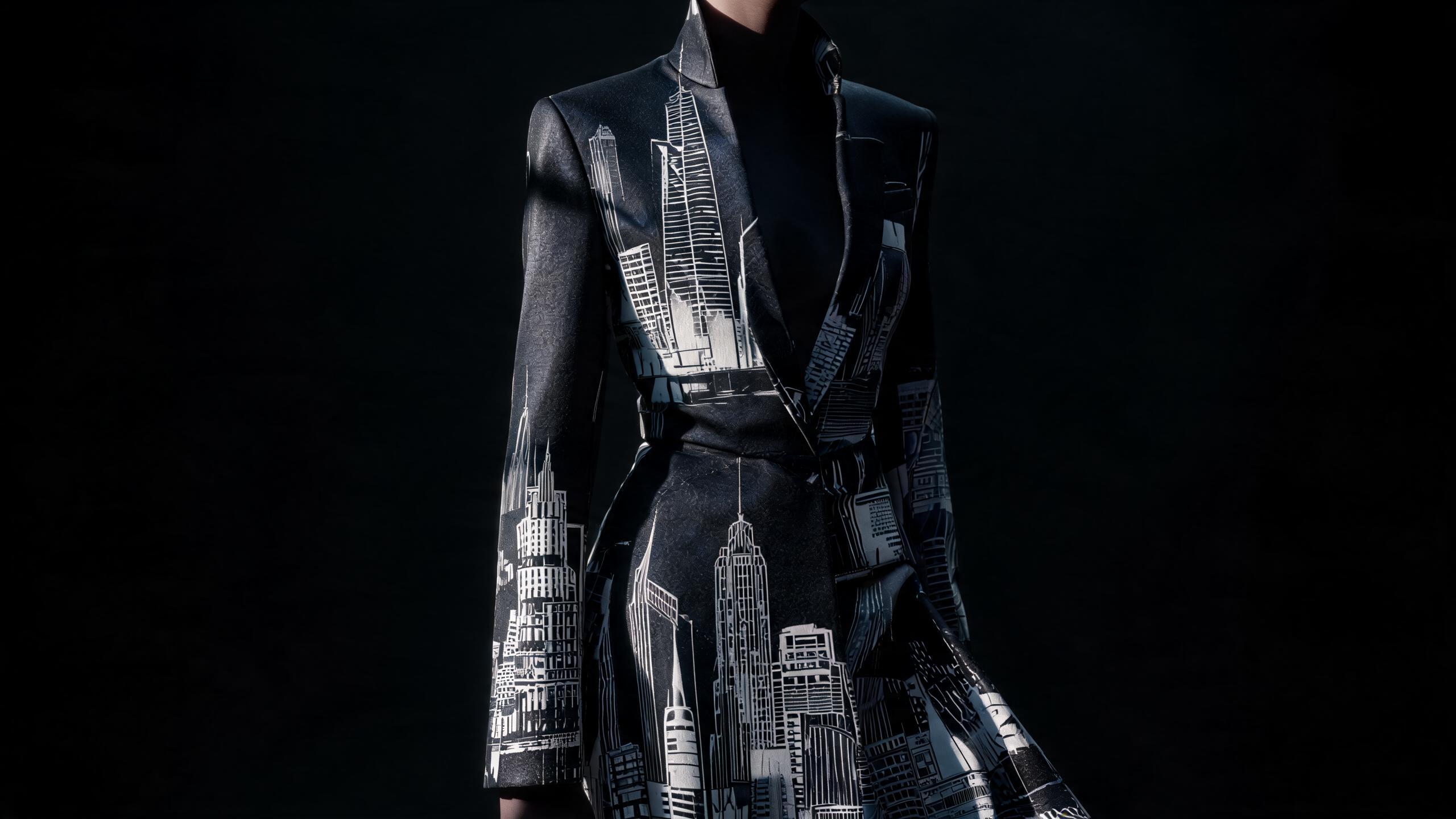
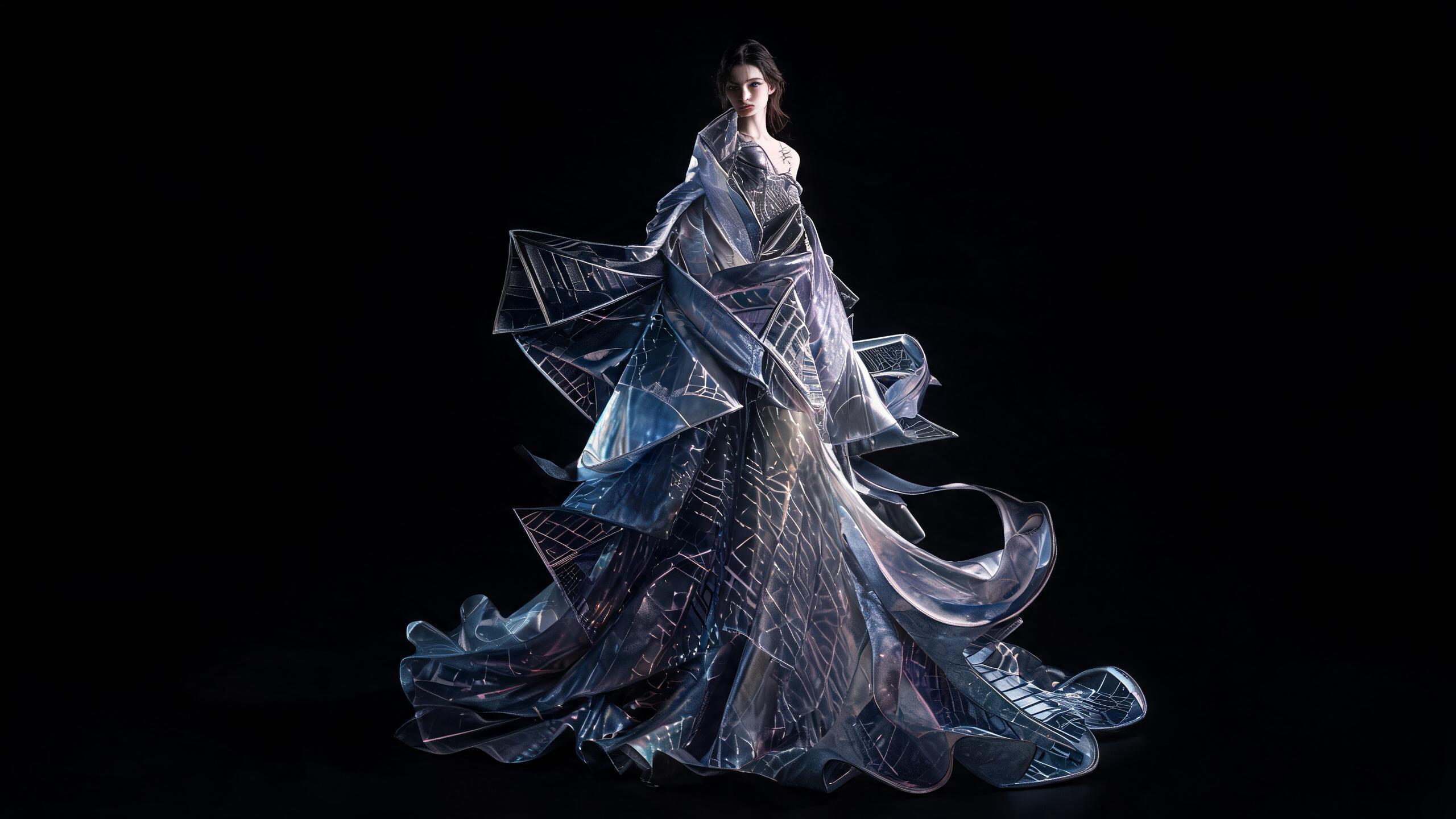
How Demna and Gucci are Reshaping Phygital Fashion Tech Trends
A deep dive into demna gucci phygital fashion tech trends and what it means for modern fashion.
Phygital fashion tech trends integrate physical garments with digital intelligence systems. This convergence is no longer a marketing gimmick or a collection of isolated NFTs. It is the architectural shift from static apparel to dynamic data assets. As high-fashion titans like Demna and Gucci move deeper into spatial computing and generative AI, the industry is witnessing the death of the traditional retail model and the birth of AI-native fashion infrastructure.
Key Takeaway: Demna and Gucci are reshaping phygital fashion tech trends by integrating spatial computing and generative AI to transform physical garments into dynamic data assets. This evolution replaces static apparel with a more functional, digitally intelligent ecosystem.
The recent maneuvers by Balenciaga's Demna Gvasalia and the creative leadership at Gucci signify a pivot away from "digital twins" toward "functional intelligence." Most fashion brands treated the digital realm as a secondary mirror of physical inventory. Demna and Gucci are treating it as a primary layer of identity. This is the difference between a costume and a system.
According to a report by Bain & Company (2023), the market for virtual goods and phygital experiences is expected to reach $50 billion by 2030. However, most of this value will not come from speculative assets. It will come from the utility of personal style models that bridge the gap between what you wear in a physical boardroom and how you are represented in a spatial computing environment.
Why is the Traditional Phygital Model Failing?
The first wave of phygital fashion was a failure of imagination. Brands launched limited-edition sneakers with embedded NFC chips that led to static websites or blockchain certificates. These "features" offered zero utility to the consumer. They were digital souvenirs, not digital intelligence.
The problem lies in the static nature of the data. A physical garment exists in three dimensions and degrades over time; a digital asset should evolve with the user's taste. Most fashion apps recommend what is popular because they lack the infrastructure to understand the individual. They see a transaction, not a style trajectory.
Demna and Gucci are disrupting this by moving toward persistent digital identities. When a physical piece is linked to a digital profile, it becomes part of a training set for the user's personal AI stylist, enabling what the glitch aesthetic and fashion tech innovation represent in contemporary design practice.
How Does Demna Use Spatial Computing to Redefine Style?
Demna Gvasalia's work at Balenciaga has consistently challenged the boundary between the garment and the observer. By launching collections via VR headsets and collaborating with spatial computing hardware, he is moving fashion into the realm of infrastructure. He is not just designing clothes; he is designing the environment in which they are perceived.
This is not about "virtual fashion" as a standalone category. It is about how digital layers enhance the physical experience. According to McKinsey (2025), AI-driven personalization and spatial computing integration are expected to increase conversion rates for luxury brands by 20% compared to traditional e-commerce.
Demna's approach treats the runway as a simulation. By utilizing 3D printing and digital fabrication, he creates garments that are "born" in a digital space before they ever touch a sewing machine. This creates a perfect data loop. The digital model of the garment is as precise as the physical one, allowing for a seamless transition into the user's personal style model.
The Shift from Trend-Chasing to Model-Training
In the old model, fashion followed trends. In the new model, fashion follows the model. Demna's work suggests that a garment's value is derived from its ability to adapt to the user's digital life. Whether it is an oversized hoodie or a structured coat, the piece exists to feed a larger aesthetic narrative that is managed by AI.
How Does Gucci Bridge the Gap Between AI and Physical Fashion?
Gucci has transitioned from a brand focused on heritage to one focused on data-driven intelligence. Their "Hacker Project" and subsequent explorations into virtual archives demonstrate a clear understanding that the future of fashion is algorithmic. They are not just selling a bag; they are selling an entry point into a curated digital ecosystem.
The brand has moved beyond the "metaverse" hype to focus on how AI is merging physical and digital fashion trends. By digitizing their entire archive, Gucci has created a massive training set for generative models. This allows them to predict not just what will sell, but how their legacy designs can be recontextualized for a digital-first generation.
Gucci's focus is on the "dynamic taste profile." They understand that a consumer's interaction with a digital storefront should be as nuanced as their interaction with a physical boutique. This requires a level of AI infrastructure that most fashion brands currently lack.
Comparing Traditional Phygital vs. AI-Native Phygital
| Feature | Traditional Phygital (Old Model) | AI-Native Phygital (Demna/Gucci Model) |
| Primary Goal | Selling a physical item with a digital "extra." | Creating a persistent style model across platforms. |
| Data Usage | Static NFC links or NFT certificates. | Dynamic taste profiling and learning algorithms. |
| User Experience | Transactional and isolated. | Continuous, evolving, and integrated. |
| Recommendation | Based on high-margin trends. | Based on the individual's style DNA. |
| Medium | Mobile web or desktop e-commerce. | Spatial computing and personal AI stylists. |
What Does This Mean for the Future of AI Fashion?
The industry is currently facing an identity crisis. Most platforms claim to offer personalization, but they are actually offering filtration. They filter a massive catalog based on a few keywords. True AI fashion intelligence does not filter; it generates. It understands the "why" behind a style choice, not just the "what."
As Demna and Gucci continue to push the boundaries of how Demna and Gucci are bridging the gap between AI and physical fashion, the demand for AI infrastructure will skyrocket. Brands will no longer compete on the quality of their stitching alone. They will compete on the sophistication of their recommendation engines and the depth of their style models.
This is the gap between personalization promises and reality. Real personalization requires a system that learns. If your digital wardrobe does not understand how your style has evolved over the last three years, it is not an AI stylist. It is just a database.
The Rise of the Personal Style Model
Every user will soon have a personal style model. This is a private, data-driven representation of their aesthetic preferences, body data, and lifestyle requirements. When you interact with a brand like Gucci or Balenciaga, you aren't just browsing; you are syncing your model with theirs.
This eliminates the friction of discovery. Instead of searching for the "perfect" jacket, your personal AI stylist—trained on your style model—identifies the exact piece from a brand's collection that fits your current aesthetic trajectory. Demna and Gucci are building the hardware and the aesthetic assets for this future. AlvinsClub is building the intelligence that makes it functional.
Why Fashion Needs AI Infrastructure, Not AI Features
Adding a "virtual try-on" button to a website is an AI feature. Rebuilding the entire commerce experience around a learning style model is AI infrastructure. The former is a distraction; the latter is a transformation.
The current fashion commerce model is broken because it relies on the "push" method. Brands push products toward consumers based on inventory levels. An AI-native model uses the "pull" method. The system pulls relevant items from the global fashion landscape based on the user's dynamic taste profile.
Demna and Gucci understand that the physical garment is just one node in a larger network of identity. Their focus on digital-physical hybrids proves that they are preparing for a world where the distinction between the two is irrelevant.
Statistically Driven Insights into Consumer Behavior
According to Gartner (2024), 30% of luxury brands will implement some form of AI-managed personal wardrobe assistant by 2026. This shift is driven by a consumer base that is increasingly frustrated with the noise of fast fashion and the inefficiency of traditional search.
- 74% of Gen Z consumers expect brands to provide personalized digital experiences that go beyond basic product recommendations (Salesforce, 2023).
- Retailers using AI for supply chain and inventory management see a 10% reduction in waste, aligning with the sustainability goals championed by designers like Demna (Oracle, 2024).
The End of Trend-Chasing
Trend-chasing is a symptom of a lack of intelligence. When a system doesn't know what you like, it shows you what everyone else likes. This creates the "homogenization of style" seen across social media.
Demna and Gucci are fighting this by leaning into the weird, the specific, and the technical. They are encouraging a fragmented, hyper-personalized approach to fashion. Their work suggests that the future is not one big trend, but millions of individual models.
This is where the true power of AI lies. It allows for the mass customization of taste. You can participate in the Gucci aesthetic while maintaining a profile that is uniquely yours. The AI manages the translation between the brand's vision and your personal style model.
How Do We Navigate the New Phygital Landscape?
The transition to AI-native fashion requires a shift in mindset for both the brand and the consumer. We must stop viewing digital fashion as a speculative asset and start viewing it as a functional layer of intelligence.
- Demand Data Ownership: Your style model should be yours. It should not be locked inside a single brand's walled garden.
- Focus on Utility: A phygital item must provide more value than its physical counterpart. Does it help you visualize outfits? Does it sync with your calendar?
- Prioritize Learning Systems: Choose platforms and brands that demonstrate an ability to learn from your behavior over time.
Demna and Gucci are the pioneers, but they are only one part of the equation. They provide the assets and the vision. The missing piece is the infrastructure that connects these assets to the individual in a meaningful way.
Is Your Wardrobe a Database or a Model?
Most people have a wardrobe that functions like a disorganized database. You have a collection of items, but no system to manage them or predict what you will want next. AI-native fashion turns that database into a model.
As phygital fashion tech trends continue to evolve, the "digital" part of the equation will become the brain of the outfit. It will handle the discovery, the styling, and the optimization of your wardrobe. The "physical" part will be the high-quality execution of that intelligence.
Demna and Gucci are not just designers; they are architects of a new reality. They are building the structures. We are building the brains.
AlvinsClub uses AI to build your personal style model. Every outfit recommendation learns from you. Try AlvinsClub →
Summary
- The emergence of demna gucci phygital fashion tech trends represents a shift from static garments to dynamic data assets and AI-native fashion infrastructure.
- Bain & Company (2023) forecasts that the global market for virtual goods and phygital experiences will grow to $50 billion by 2030.
- New developments in demna gucci phygital fashion tech trends prioritize functional intelligence and digital identity over the use of secondary "digital twins."
- Fashion leaders are utilizing spatial computing and generative AI to create personal style models that bridge physical clothing with representation in digital environments.
- The failure of early phygital models is attributed to a reliance on static NFC chips and blockchain certificates that failed to provide integrated consumer utility.
This article is part of AlvinsClub's AI Fashion Intelligence series.
Related Articles
- The Glitch Aesthetic: How Gucci and Demna are Redefining Fashion Tech
- Pixels vs. Textiles: How AI is Merging Physical and Digital Fashion Trends
- How Demna and Gucci Are Bridging the Gap Between AI and Physical Fashion
- Gucci Digital Twin Luxury Tech Trends — What You Need To Know
- How Demna is Using Generative AI to Reshape the Fashion Runway