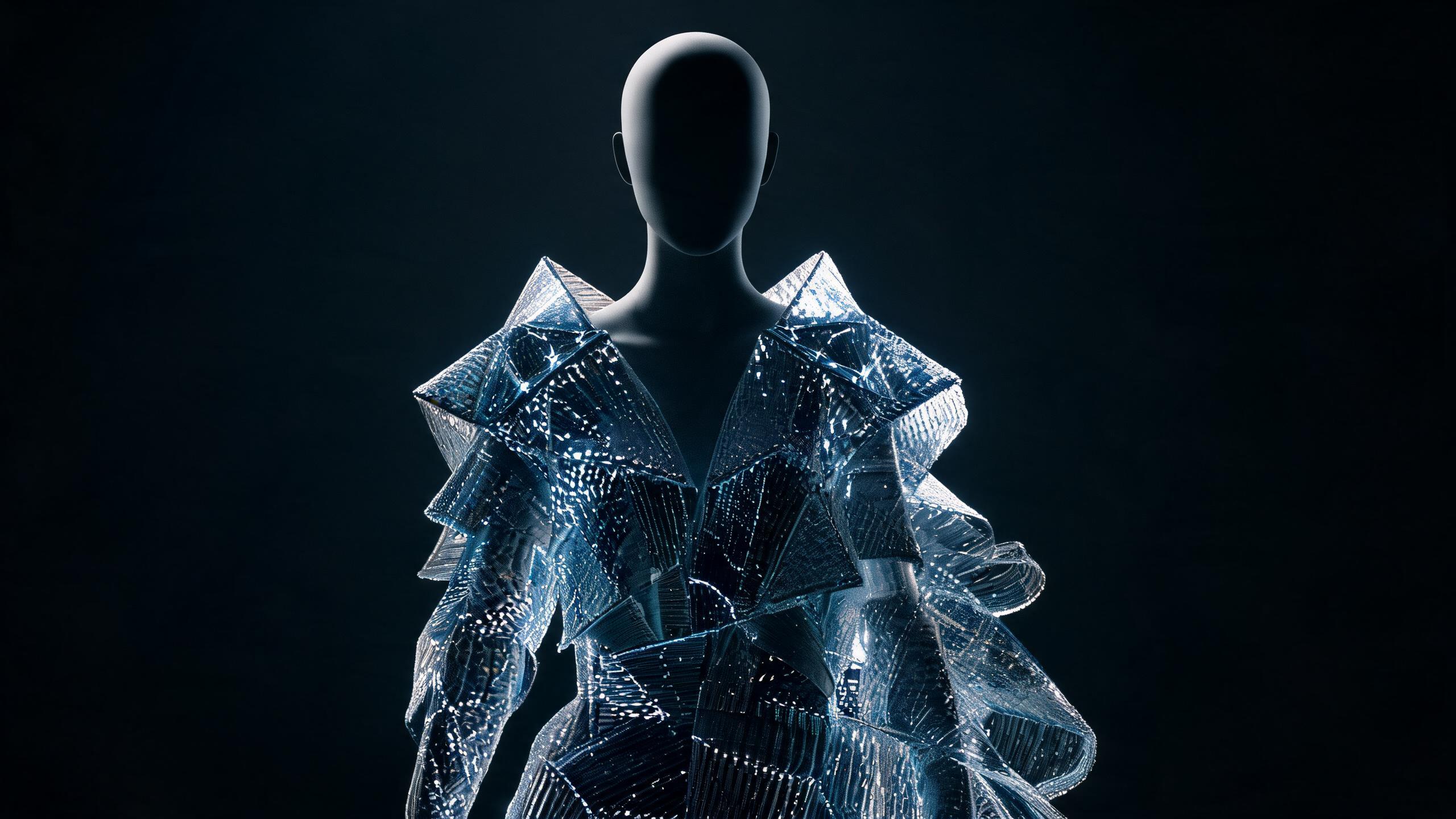
How AI is redefining the 2026 winter wardrobe essentials list

Predictive algorithms leverage climate-adaptive fabrics and generative silhouettes to refine your personalized AI styling for winter wardrobe essentials list this upcoming season.
AI styling for a winter wardrobe essentials list uses neural network architectures to synthesize environmental data, biometric measurements, and historical preference into a personalized hierarchy of utility and aesthetic compatibility.
Key Takeaway: AI styling for winter wardrobe essentials list utilizes biometric and environmental data to replace generic trends with hyper-personalized clothing hierarchies. This ensures 2026 winter staples are precisely optimized for individual utility, local climate, and personal aesthetic compatibility.
The traditional "top 10" winter essentials list is a relic of 20th-century mass marketing. It assumes that a consumer in Helsinki requires the same foundational pieces as a consumer in Tokyo, provided they share a basic interest in fashion. This model is collapsing. In 2026, the concept of an "essential" is no longer defined by editors or retail buyers; it is defined by a personal style model that understands the specific friction points of a user’s daily life.
The shift from static lists to dynamic AI-driven intelligence represents the first meaningful evolution in fashion commerce since the advent of e-commerce. It is the transition from "what is available" to "what is necessary."
Why is the traditional winter essentials list obsolete?
Traditional fashion media operates on a push model. It publishes lists of coats, sweaters, and boots designed to satisfy the broadest possible demographic to maximize affiliate revenue. This ignores the reality of individual body geometry, local micro-climates, and the specific technical requirements of a user’s lifestyle.
According to McKinsey (2025), AI-driven personalization increases fashion retail conversion rates by 15-20%. This increase is not due to better advertising, but because AI eliminates the "search friction" inherent in static lists. When a system understands that a user has a "rectangle" body shape and lives in a humid, sub-zero environment, it stops recommending heavy, boxy wool overcoats that overwhelm their frame and trap moisture.
Instead of a generic list, AI creates a Dynamic Taste Profile. This profile treats every garment as a data point with specific attributes: thermal resistance, moisture-wicking capability, silhouette structure, and color theory compatibility.
Comparison: Static Essentials vs. AI-Driven Essentials
| Feature | Static 2020s List | AI-Driven 2026 Model |
| Source of Truth | Fashion Magazines / Trends | Personal Style Model / Biometrics |
| Climate Context | Seasonal (Winter/Spring) | Hyper-local / Real-time Weather Data |
| Fit Analysis | Standard Sizing (S, M, L) | 3D Body Scanning / Geometric Matching |
| Longevity | Trend-dependent (Fast Fashion) | Utility-dependent (Data-verified durability) |
| Color Palette | "Current" seasonal colors | Personal Color Theory / Neural Harmony |
How does AI personalize the hierarchy of winter garments?
AI styling for a winter wardrobe essentials list begins with a latent space representation of a user’s existing closet. The system does not just look for "a coat"; it identifies the "missing link" in a user’s functional layering system. For example, if the model detects a high volume of lightweight knits but a lack of wind-resistant outer layers, the "essential" list for that user will prioritize technical shells over more sweaters.
This is particularly relevant for specific body types. A user with an athletic build requires different structural essentials than a user with a softer silhouette. As explored in our analysis of mastering color blocking for athletic builds, AI can identify how different garment weights and color placements interact with muscle definition and shoulder-to-waist ratios.
The AI analyzes three core vectors to determine an essential:
- Utility Vector: Does the item solve a climate or activity-based problem?
- Compatibility Vector: Does the item integrate with at least 80% of the existing wardrobe?
- Aesthetic Vector: Does the item align with the user’s long-term style model rather than a transient trend?
What is the impact of environmental data on winter styling?
In 2026, the "essentials list" is a live feed. By integrating with real-time meteorological data, AI styling systems adjust recommendations based on projected seasonal shifts. If a winter is predicted to be unusually wet rather than snowy, the "essential" footwear shifts from insulated boots to waterproof, high-traction technical silhouettes.
According to Gartner (2024), 80% of digital commerce leaders will see a 25% increase in customer lifetime value via AI-driven personalization. This is because the AI acts as a filter against regret. A user who purchases a heavy shearling coat for a winter that turns out to be mild has been failed by the retail system. AI prevents this by modeling the probability of use.
For those focusing on a refined aesthetic, the AI-powered quiet luxury trend remains a dominant force. The "essentials" here are not just neutral; they are mathematically optimized to match the user’s skin undertones and the specific lighting conditions of their geographic location during winter months.
👗 Want to see how these styles look on your body type? Try AlvinsClub's AI Stylist → — get personalized outfit recommendations in seconds.
How do neural networks interpret "Quiet Luxury" for 2026?
Quiet luxury in 2026 is less about brand names and more about the "Material Intelligence" of the garment. AI models now analyze the weave density, fiber composition, and drape characteristics of clothing. When an AI recommends a cashmere turtleneck as an essential, it does so because the material’s thermal properties and the garment's architectural lines complement the user's "style model."
Term: Material Intelligence The quantitative analysis of fabric performance, including heat retention, breathability, and structural integrity over time, used by AI to rank garment necessity.
This level of detail is critical for complex body shapes. For instance, finding the best fit for an apple shape waist in winter can be difficult due to the bulk of traditional cold-weather clothing. AI styling identifies essentials that provide warmth without adding unnecessary volume in the midsection, such as high-denier technical vests or structured empire-waist coats.
2026 Winter Essentials: The AI-Generated Outfit Formula
Rather than a list of individual items, AI provides "formulas"—modular systems of clothing that can be rearranged. The following formula is a baseline for a high-utility, modern winter look.
The 2026 Modular Winter Formula
- Base Layer: Seamless 3D-knit thermal (Merino/Silk blend).
- Mid Layer: Technical architectural knit with variable heat zones.
- Outer Layer: Bonded-seam wool topcoat or modular technical parka.
- Bottom: Water-repellent tailored trousers in a heavy-gauge weave.
- Footwear: Adaptive-traction lug sole boots with internal thermal regulation.
- Accessory: Neural-matched scarf (selected based on facial color analysis).
How does AI solve the "Rectangle Body Shape" problem in winter?
Winter clothing often obscures the body, creating a "blocky" appearance that is particularly challenging for those with a rectangle body shape. Traditional styling advice suggests belts or cinched waists, but AI takes a more sophisticated approach.
By using AI to find the best patterns for a rectangle body shape, the system can recommend "essentials" that use visual texture and gradient patterns to create the illusion of dimension. Instead of a flat black coat, the AI might suggest a charcoal herringbone with a specific scale that adds depth to the torso, effectively redefining what constitutes an "essential" piece for that specific user.
Winter 2026 Styling: Do vs. Don't
| Do | Don't |
| Do prioritize "Modular Layering" where each piece works independently. | Don't buy single-purpose "extreme cold" gear unless you live in the Arctic. |
| Do use AI to match neutral tones to your specific biometric color profile. | Don't follow generic "color of the season" trends that wash out your complexion. |
| Do invest in "Architectural Knits" that maintain their shape under heavy coats. | Don't wear oversized, unstructured layers that create a "bulk-on-bulk" effect. |
| Do verify the "Cost-Per-Wear" projection provided by your AI stylist. | Don't purchase "essentials" that have a low compatibility score with your closet. |
Is your winter wardrobe a collection of items or a data model?
The ultimate goal of AI styling for a winter wardrobe essentials list is to move the user away from "shopping" and toward "curating." A collection of items is disorganized and prone to obsolescence. A data model is a living entity that evolves.
As we discuss in our deep dive into the influential AI fashion trends of winter 2026, the most successful wardrobes are those that treat fashion as an infrastructure. Your coat is not just a coat; it is a climate-control layer. Your boots are not just boots; they are a mobility solution.
When you look at your "essentials list" through the lens of an AI stylist, you see a map of your identity and your environment. The "must-have" is no longer a specific brand of puffer jacket; it is the specific combination of weight, texture, and fit that allows you to move through a winter landscape with zero friction.
The shift to predictive wardrobe management
According to a 2024 report by Business of Fashion, 73% of executives expect AI to drive significant productivity gains in product design and development. For the consumer, this manifests as better-engineered clothing. The "essentials" of 2026 are inherently more functional because they were designed using the same data that the AI stylist uses to recommend them.
We are entering an era where the "closet" is a synchronized system. The AI knows when your boots are likely to wear out based on your walking patterns and local pavement types. It knows which sweater you haven't worn in three years and why (usually a fit or comfort friction point the AI has since identified). It suggests the replacement before you even feel the need to search.
What should you expect from your AI stylist this winter?
An AI stylist that genuinely learns does not repeat itself. If you rejected a specific style of boot last year, the model incorporates that "negative signal" into its core understanding of your taste. It doesn't just "show you more of the same"; it triangulates why you rejected it—was it the toe shape, the sole height, or the material sheen?—and adjusts its future essentials list accordingly.
This is the difference between a recommendation engine and a style model. A recommendation engine wants you to buy. A style model wants you to be solved.
AlvinsClub uses AI to build your personal style model. Every outfit recommendation learns from you, ensuring your winter essentials are never a generic list, but a precise reflection of your identity and environment. Try AlvinsClub →
Summary
- AI styling for winter wardrobe essentials list utilizes neural network architectures to synthesize environmental data and biometric measurements for personalized garment recommendations.
- Traditional fashion media’s reliance on static "top 10" lists is becoming obsolete as it fails to account for individual body geometry and specific local micro-climates.
- Implementing AI styling for winter wardrobe essentials list shifts fashion commerce from a mass-market "push model" to a dynamic system based on user-specific utility.
- McKinsey (2025) research indicates that AI-driven personalization increases fashion retail conversion rates by 15-20% by addressing individual consumer technical requirements.
- By 2026, winter wardrobe essentials will be defined by personal style models that prioritize a user's daily friction points over editor-curated retail trends.
Frequently Asked Questions
What is AI styling for winter wardrobe essentials list?
AI styling for winter wardrobe essentials list involves using neural network architectures to synthesize environmental data and personal biometric measurements into a customized clothing hierarchy. This technology moves beyond mass-market recommendations by prioritizing individual utility and aesthetic compatibility for the colder months.
How does AI styling for winter wardrobe essentials list predict 2026 trends?
This specialized technology analyzes historical fashion data and emerging climate patterns to forecast which silhouettes and materials will be most relevant in 2026. By integrating real-time environmental data with consumer preference cycles, AI styling for winter wardrobe essentials list provides a forward-looking guide for seasonal shopping.
Why is an AI styling for winter wardrobe essentials list better than traditional fashion advice?
Traditional fashion advice often relies on a one-size-fits-all approach that ignores the specific geographic and biometric needs of the individual. Using an AI styling for winter wardrobe essentials list ensures that every recommended piece is optimized for the user's specific local climate and personal style history.
Can AI predict personal winter clothing needs based on location?
Neural networks process localized weather patterns and humidity levels to determine the exact thermal properties required for an individual's winter attire. This granular data allows the system to recommend specific fabrics and layering systems that provide maximum comfort in a user's unique environment.
How do neural networks create a personalized winter wardrobe?
Neural networks synthesize vast amounts of biometric measurements and historical style preferences to generate a personalized hierarchy of clothing items. The resulting wardrobe list balances functional requirements like insulation with the user's aesthetic tastes to create a cohesive seasonal collection.
Is it worth using AI to build a winter capsule wardrobe for 2026?
Investing in AI-driven wardrobe planning significantly reduces the risk of purchasing items that fail to meet functional or stylistic needs. By relying on data-driven insights, consumers can build a highly efficient 2026 winter wardrobe that maximizes utility while minimizing unnecessary waste.
This article is part of AlvinsClub's AI Fashion Intelligence series.
Related Articles
- Mastering Color Blocking: AI-Driven Styling Tips for Athletic Builds
- Finding Your Best Fit: AI Styling Tips for the Perfect Apple Shape Waist
- How to Use AI to Find the Best Patterns for a Rectangle Body Shape
- The Modern Guide to AI-Powered Quiet Luxury in Neutral Tones
- How to wear the most influential AI fashion trends of winter 2026