Designing the future: How AI software will shape 2026 fashion trends

The Modern Stylist's Guide to Creating AI Fashion Moodboards
A deep dive into AI software for fashion designers to create new trends and what it means for modern fashion.
The traditional fashion cycle is dead. For decades, the industry relied on a top-down hierarchy where creative directors at legacy houses dictated aesthetics two years in advance, which then filtered down to mass-market retailers. This model is too slow, too wasteful, and too disconnected from the reality of how people actually dress. By 2026, the primary driver of aesthetic shifts will not be a human trend forecaster, but AI software for fashion designers to create new trends.
This shift represents a fundamental transition from reactive design to predictive infrastructure. We are moving away from an era where designers look at what sold last season to an era where they simulate what will resonate next. The 2026 fashion landscape will be defined by hyper-personalization, synthetic aesthetics, and the total collapse of the traditional trend timeline. This is not a change in style; it is a change in the architecture of the industry.
The end of the reactive trend cycle
Most fashion brands operate on a lag. They analyze sell-through data from six months ago to decide what to produce for next year. This is a flawed methodology because it assumes the future is a linear projection of the past. It ignores the volatility of cultural sentiment. In contrast, AI software for fashion designers to create new trends allows for the ingestion of massive, disparate data sets—ranging from architectural movements and digital subcultures to climate shifts—to identify latent patterns before they manifest as consumer demand.
By 2026, trend forecasting will move from a qualitative "vibe check" to a quantitative simulation. Designers will use AI to run thousands of "style simulations" to see how a specific silhouette or color palette performs across different demographic clusters. This removes the guesswork that leads to the multi-billion dollar overproduction problem. When design is backed by high-fidelity intelligence, the gap between what is manufactured and what is actually desired disappears.
Generative design as infrastructure
Generative AI is often misunderstood as a tool for making pretty pictures. In the professional design space, its utility is far more technical. By 2026, the most sophisticated AI software for fashion designers to create new trends will be integrated directly into CAD (Computer-Aided Design) systems. Designers will not just prompt an AI to "show a futuristic jacket"; they will set parameters for weight, thermal conductivity, textile durability, and assembly cost.
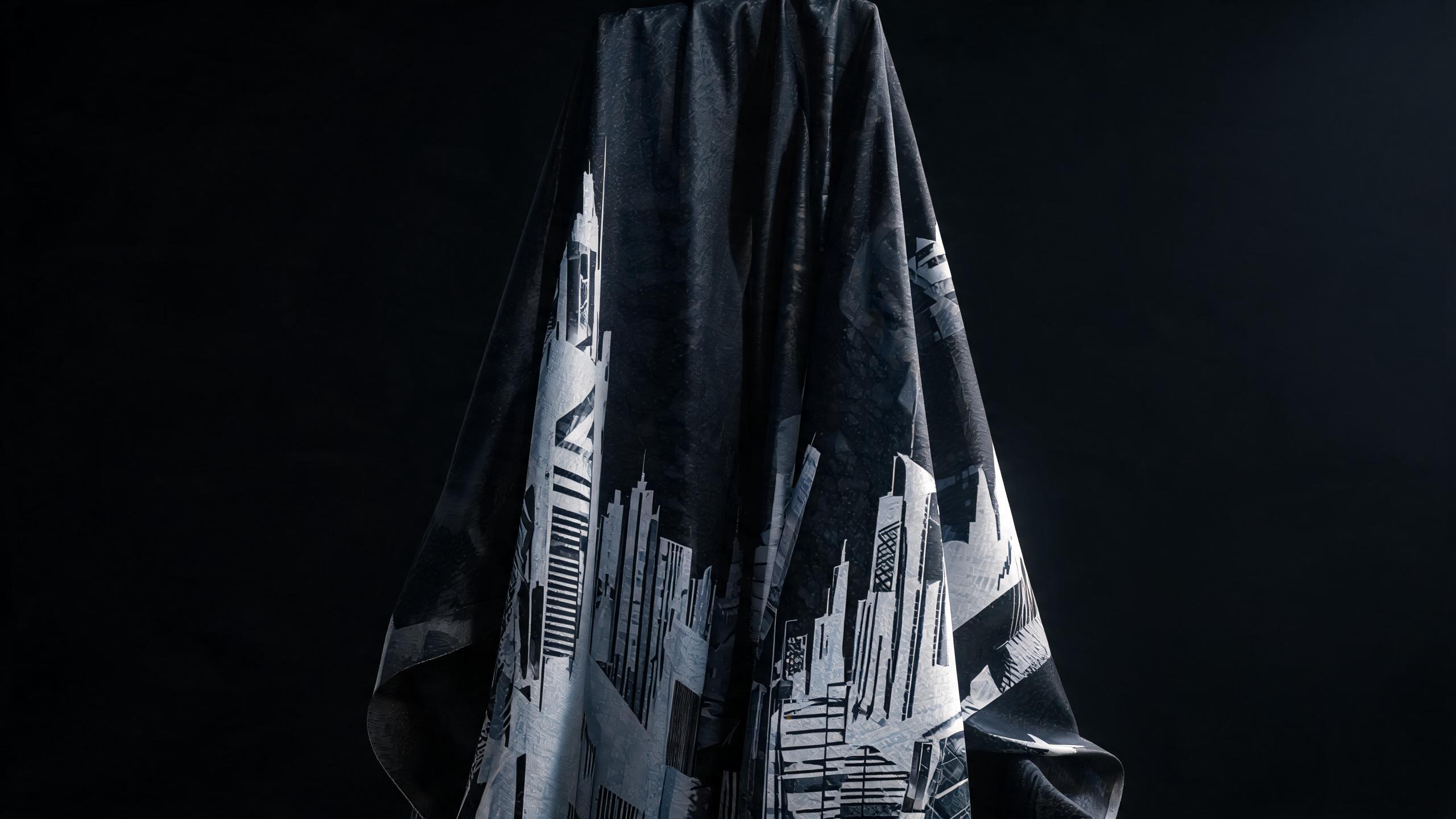
The AI then generates thousands of iterations that meet those specific engineering requirements. This is generative design as infrastructure. It allows designers to explore a design space that is physically impossible for a human brain to map out manually. We will see the rise of "algorithmic silhouettes"—garments with complex, non-Euclidean geometries that could only be conceived and optimized by a machine. This marks the transition from fashion-as-art to fashion-as-engineering.
The death of the mass trend
The concept of a "mass trend"—where everyone wears the same "it" bag or "it" color—is a relic of the 20th century. Modern fashion is fracturing into millions of micro-niches. This fragmentation makes it impossible for human designers to keep up using traditional methods. To survive, brands must adopt AI software for fashion designers to create new trends that are specific to individual user style models rather than broad demographic averages.
In 2026, the most successful brands will not have a single "look" for the season. Instead, they will have a style engine. This engine will produce variations of a core aesthetic tailored to the dynamic taste profiles of their specific audience segments. The software will analyze the "style DNA" of a community and generate localized trends that evolve in real-time. This is the move from a static collection to a fluid, evolving design stream.
From mood boards to latent space mapping
The traditional mood board is a shallow way to organize inspiration. It relies on visual proximity. AI software replaces the mood board with latent space mapping. This involves plotting thousands of visual and conceptual data points in a high-dimensional mathematical space.
When a designer wants to create something "new," they look for the "white space" in the latent map—the areas where no garments currently exist. This is how AI software for fashion designers to create new trends actually works; it identifies the gaps in human creativity and provides the coordinates to fill them. It is no longer about following a trend; it is about mathematically proving that a new aesthetic direction is viable because it occupies a previously empty space in the style landscape.
The 2026 aesthetic: Synthetic and hyper-functional
What does clothing actually look like when it is designed by AI? By 2026, we will see two dominant aesthetic poles: the "Hyper-Synthetic" and the "Bio-Mimetic."
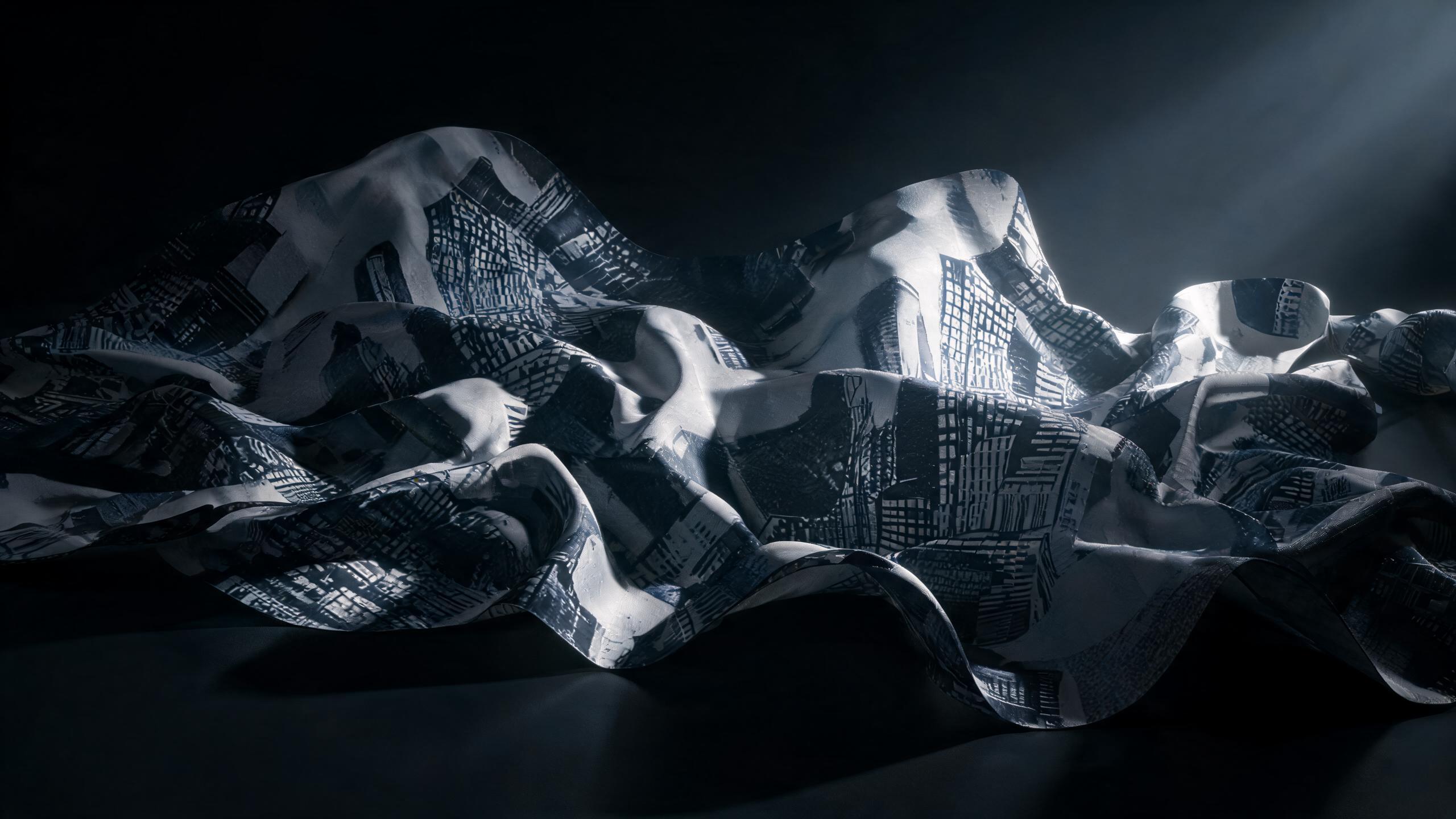
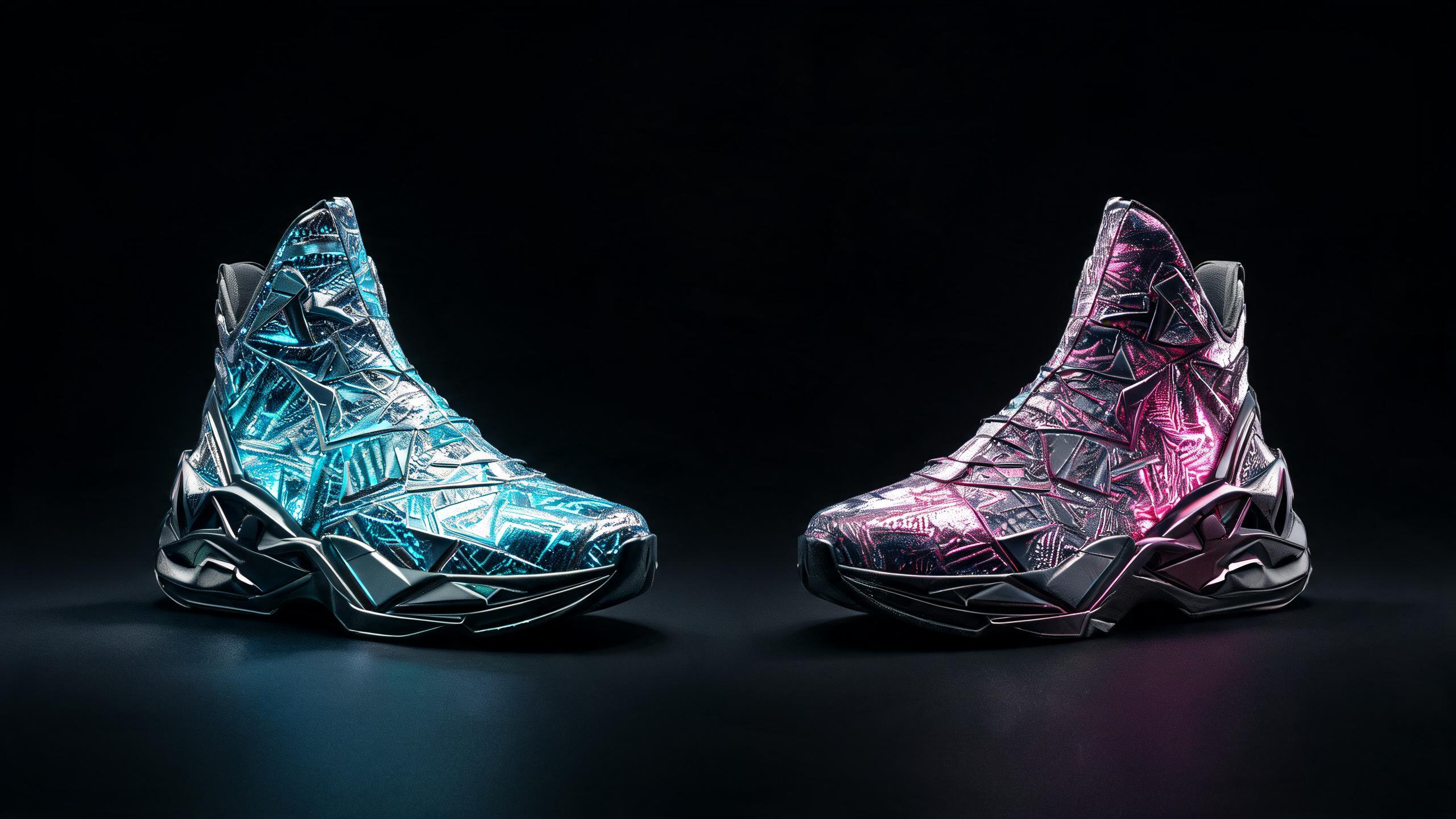
- Hyper-Synthetic: This aesthetic embraces the "glitch" and the digital origin of the design. Expect to see colors that don't exist in nature—fluorescents and iridescents optimized for digital screens—and silhouettes that defy traditional tailoring rules.
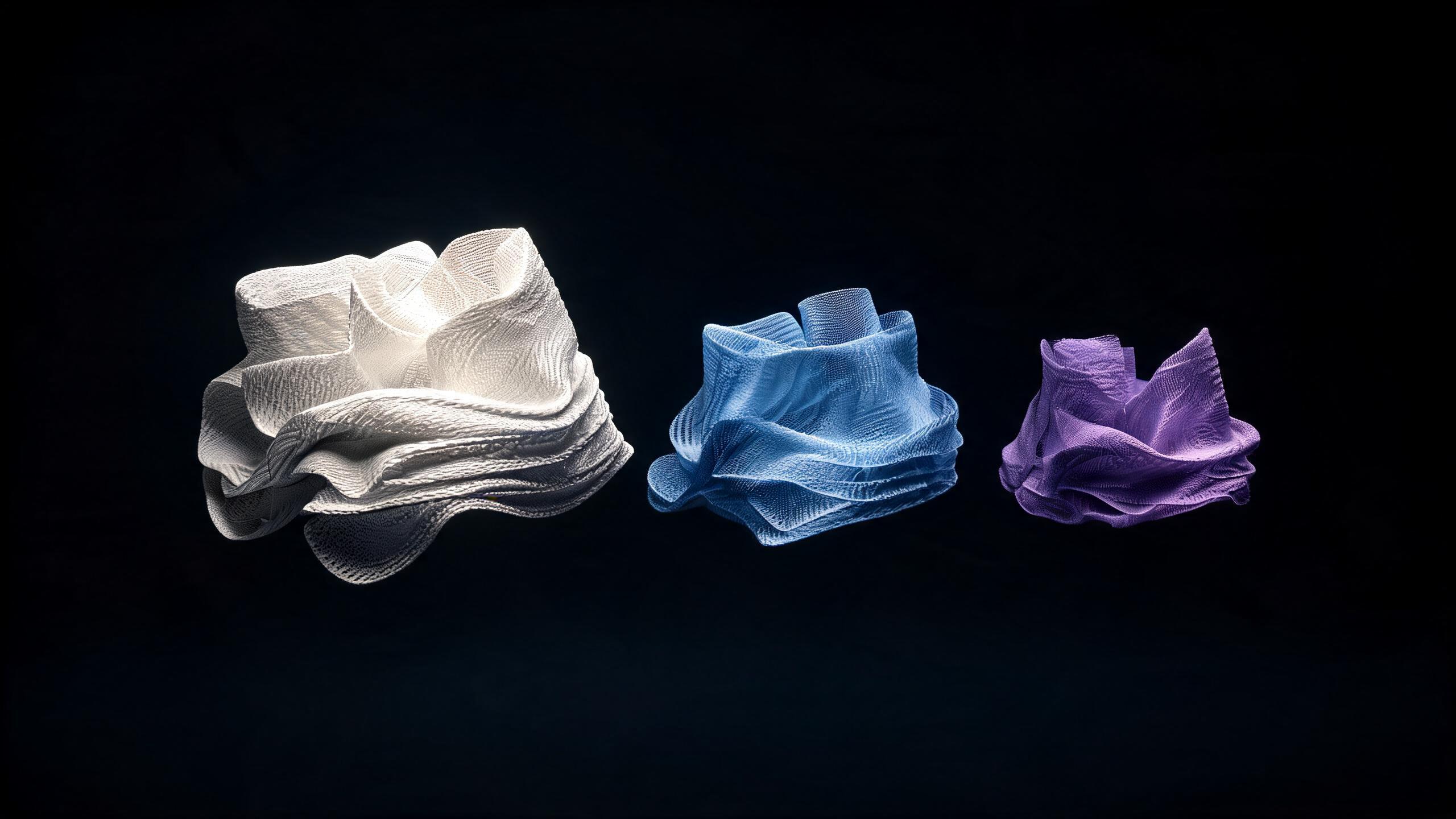
- Bio-Mimetic: Because AI can simulate natural growth patterns, we will see garments that look like they were grown rather than sewn. Think of 3D-printed lattices that mimic bone structures or textiles that respond to heat and moisture like human skin.
These are not just visual choices; they are functional ones. AI software for fashion designers to create new trends allows for the optimization of textile performance at the molecular level. We are entering an era where your clothes are as "smart" as your phone, designed by systems that understand fluid dynamics and thermal regulation better than any human pattern maker.
Sustainability through precision intelligence
The fashion industry's environmental crisis is primarily a data problem. Brands overproduce because they don't know what will sell. They use harmful dyes because they are chasing a trend that might be dead by the time the garment hits the shelf. AI software solves this by enabling "just-in-time" design and manufacturing.
By using AI software for fashion designers to create new trends, brands can shift to a pre-order or on-demand model with high confidence. The AI predicts the exact volume and size distribution needed for a specific micro-trend, reducing the need for clearance sales and landfilling unsold stock. In 2026, sustainability will not be a marketing slogan; it will be a byproduct of operational efficiency driven by AI intelligence.
The rise of the "Digital Twin" in design
By 2026, every physical garment will likely have a "digital twin." Designers will use AI software to simulate how a fabric drapes, fades, and tears over years of use before a single yard of fabric is cut. This allows for the creation of trends centered around longevity and "pre-aged" aesthetics that are mathematically calibrated for durability. This is a radical departure from the "planned obsolescence" of fast fashion.
The democratization of trend creation
For a century, the gatekeepers of fashion were the editors and the buyers. AI software for fashion designers to create new trends is decentralizing this power. Independent designers now have access to the same level of market intelligence and design capability as a multi-national conglomerate.
This leads to a more diverse and interesting fashion landscape. We will see trends emerging from unexpected geographies and subcultures because the barriers to high-level design have been lowered. The software doesn't care about your pedigree or your location; it only cares about the parameters of the design problem you are trying to solve. This is the ultimate meritocracy of style.
Data-driven style intelligence vs. trend-chasing
There is a major difference between chasing a trend and possessing style intelligence. Trend-chasing is reactive and shallow. Style intelligence is deep and predictive. The future of the industry belongs to those who build the infrastructure for style intelligence.
In 2026, the most valuable asset a fashion company can own is not its brand name, but its proprietary style model—a trained AI that understands the brand's aesthetic history and its customers' evolving tastes. This model allows the brand to "design the future" by projecting its identity into new contexts with mathematical precision.
Why fashion needs AI infrastructure, not features
Many brands are currently treating AI as a "feature"—a chatbot on their website or an AI-generated image in an ad campaign. This is a mistake. AI is not a feature; it is the new foundation of commerce. AI software for fashion designers to create new trends must be baked into the entire lifecycle of a product, from the first spark of inspiration to the final recommendation to the consumer.
The gap between those who use AI as a gimmick and those who use it as infrastructure to spot micro trends before they peak will widen into a chasm by 2026. The former will continue to struggle with high returns and low margins. The latter will build high-efficiency, high-loyalty businesses that feel intuitive to the consumer.
The human-AI collaborative model
The fear that AI will replace the fashion designer is misplaced. AI is a co-pilot. It handles the high-dimensional data processing and the iterative optimization, freeing the human designer to focus on the "soul" of the collection—the narrative, the cultural context, and the emotional resonance.
By 2026, the job of a "Fashion Designer" will look more like a "Creative Systems Engineer." They will curate the outputs of the AI software for fashion designers to create new trends, making the final executive decisions on which algorithmic iterations actually get produced. The designer's role shifts from "maker" to "editor-in-chief of an automated system."
The shift from commerce to intelligence
The future of fashion is not about selling more clothes. It is about providing more intelligence. As consumers become more conscious of their consumption, they will demand garments that are more perfectly aligned with their identity. The only way to deliver this at scale is through AI.
The industry is moving toward a model of "Intelligence-as-a-Service." In this world, a brand doesn't just sell you a shirt; it provides you with a style model that understands how that shirt fits into your life, your existing wardrobe, and the emerging trends of 2026. This is where the industry is going, and the transition is being powered by the very software we are seeing emerge today.
AlvinsClub uses AI to build your personal style model. Every outfit recommendation learns from you, creating a dynamic taste profile that evolves as you do. This is the future of style intelligence—not a storefront, but an infrastructure for your identity. Try AlvinsClub →
Related Articles
- The Modern Stylist’s Guide to Creating AI Fashion Moodboards
- 5 ways AI is spotting the next big trends before they hit the runway
- How to use AI to spot the next fashion micro trend before it peaks
- Smart Closets and Virtual Fits: 6 AI Fashion Trends for 2026
- How to Use AI to Personalize Your Next Athleisure and Gym Look