Decoding the Red Carpet: A Guide to AI-Powered Trend Analysis

A deep dive into red carpet outfit analysis AI for award show trends and what it means for modern fashion.
The red carpet is no longer a stage for celebrity vanity. It is a high-velocity data stream. For decades, fashion criticism has relied on the subjective whims of editors and stylists who prioritize narrative over structure. This model is broken. It is slow, biased, and incapable of scaling. To understand the actual trajectory of fashion, we must move beyond the "best dressed" list and toward a systematic red carpet outfit analysis AI for award show trends.
Subjective observation cannot capture the granular shifts in textile density, color saturation, or silhouette architecture that define a season. When a hundred celebrities walk the carpet at the Oscars or the Grammys, they generate a massive volume of unstructured visual data. Humans see a dress; AI sees a coordinate in a multi-dimensional style space. Analyzing these events through a machine-learning lens allows us to strip away the noise of celebrity culture and focus on the fundamental mechanics of aesthetic evolution.
The Failure of Traditional Fashion Criticism
Most fashion apps and media outlets treat red carpet events as entertainment. They focus on the "who" instead of the "what." This approach ignores the reality that red carpet outfits are the R&D lab of the fashion industry. These looks are the first physical manifestations of high-level creative direction that eventually filters down into ready-to-wear and mass markets.
The problem with traditional analysis is recency bias. An editor might see three pink dresses and declare "Barbiecore" a trend. This is not intelligence; it is a guess. True trend identification requires the ability to compare thousands of data points across decades of historical archives. It requires a system that can identify the subtle difference between a resurgence of 1990s minimalism and a new, data-driven evolution of structural simplicity.
By utilizing red carpet outfit analysis AI for award show trends, we replace "vibes" with vectors. We stop guessing what is popular and start measuring what is happening. This is the difference between being a spectator and being an architect of style.
Step 1: Data Acquisition and High-Fidelity Input
The foundation of any intelligence system is the quality of its input. For red carpet analysis, this means moving beyond low-resolution social media captures. To build a robust model, you must ingest high-fidelity photography from multiple angles.
A comprehensive dataset includes:
- Primary Viewpoints: Front-facing shots to analyze symmetry and core silhouette.
- Detail Crops: Close-ups on embroidery, fabric grain, and hardware.
- Motion Captures: Video data to understand how the fabric behaves under tension and movement.
This data is then normalized. Lighting conditions vary across different venues—the golden hour at the Cannes Film Festival differs significantly from the artificial flash of the Met Gala. AI infrastructure uses color normalization algorithms to ensure that "midnight blue" is identified consistently regardless of the photographer's white balance. Without this step, your trend analysis is flawed from the start.
Step 2: Semantic Segmentation of the Silhouette
Once the data is ingested, the system must decompose the outfit. Humans see an "outfit," but the AI performs semantic segmentation. It breaks the image down into discrete components: the bodice, the hemline, the sleeve construction, and the neckline.
This process involves:
- Edge Detection: Defining the exact boundaries of the garment against the background.
- Feature Extraction: Identifying specific design elements like a sweetheart neckline or a bias-cut skirt.
- Volume Calculation: Measuring the literal space the garment occupies to determine if silhouettes are expanding (maximalism) or contracting (minimalism).
When you apply red carpet outfit analysis AI for award show trends, you can track the average hemline height or shoulder width across an entire event. If the average shoulder width at the Golden Globes increases by 12% compared to the previous year, that is a quantifiable trend. It is a structural shift that a human eye might sense but a machine can prove. This represents a fundamental shift in how AI is rewriting the rules of red carpet outfit analysis in 2026.
Step 3: Mapping the Taxonomy of Award Show Trends
Trend analysis is often confused with popularity. Just because ten people wear a specific designer does not mean a trend exists. It might just mean that designer has a powerful PR team. AI-driven taxonomy looks deeper. It categorizes outfits based on their DNA rather than their label.
A sophisticated system builds a taxonomy based on:
- Chromatics: Analyzing the dominant color clusters and their complementary accents.
- Materiality: Distinguishing between the reflective properties of silk satin versus the matte finish of wool crepe.
- Historical Archetypes: Mapping current looks against a database of fashion history to identify if a look is a "revival," an "evolution," or a "mutation."
This allows us to see the "long tail" of a trend. We can observe a specific shade of chartreuse appearing in minor accessories at the Emmys before it becomes the dominant color at the Oscars six months later. This is predictive intelligence. It is the ability to see the signal before it becomes noise.
Step 4: Quantifying the Influence of Outliers
Most recommendation engines focus on the mean. They tell you what most people are wearing. This is a mistake. In fashion, the future is often found in the outliers—the looks that do not fit the current model.
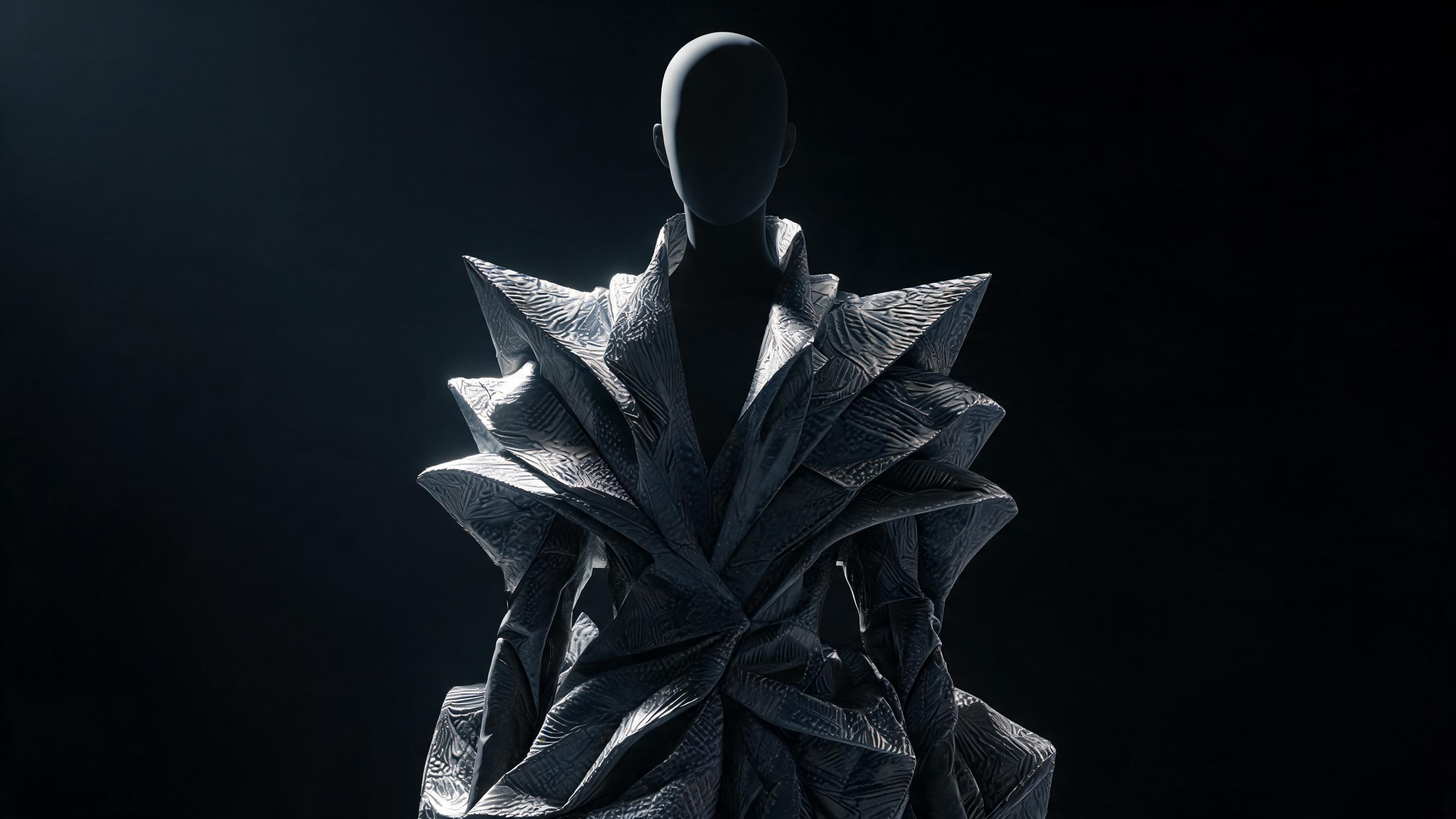
When performing red carpet outfit analysis AI for award show trends, the system flags anomalies. If ninety-nine celebrities wear traditional evening gowns and one wears a structural, 3D-printed tuxedo, the AI identifies this as a high-variance event. These outliers are often the catalysts for the next major shift in the industry.
By measuring the "distance" between an outlier and the current trend center, we can calculate the likelihood of that outlier becoming the new norm. We don't just look for what is common; we look for what is significant. Understanding these outliers is key to what separates AI red carpet analysis from the professional critic.
Step 5: From Observation to a Personal Style Model
The ultimate goal of analyzing red carpet trends is not just to report on them. It is to integrate that intelligence into a personal style model. This is where most fashion technology fails. They give you a report; they don't give you a solution.
True fashion intelligence takes the data gathered from the red carpet—the shifting silhouettes, the emerging color palettes, the new materialities—and filters it through your unique taste profile. If the AI detects a trend toward structured tailoring on the red carpet, it doesn't just show you pictures of celebrities in suits. It updates your personal model to prioritize garments that share those structural characteristics but fit your specific body, lifestyle, and existing wardrobe.
This is the transition from "what happened on stage" to "what should be in your closet." Your style is not a static list of preferences. It is a dynamic model that evolves in conversation with the broader cultural landscape. Learning 5 pro tips for analyzing red carpet looks with AI tools can help you apply these principles to your own wardrobe curation.
The Gap Between AI Features and AI Infrastructure
The market is currently flooded with "AI stylists" that are nothing more than chatbots wrapped around basic search engines. These are AI features. They are toys. They cannot perform deep structural analysis because they don't have a fundamental understanding of fashion as a visual language.
AI infrastructure, on the other hand, builds a foundational layer of intelligence. It understands the physics of fabric, the geometry of tailoring, and the psychology of color. When this infrastructure is applied to red carpet outfit analysis AI for award show trends, it creates a feedback loop. Every red carpet event becomes an update to the system's global knowledge, which in turn refines the recommendations it makes to individual users.
This is why personalization in fashion is currently a broken promise. Most platforms recommend products based on what other people bought. That is collaborative filtering, not style intelligence. Real personalization requires a system that knows why you like a certain garment—down to the specific lapel width and fabric weight—and can find the version of that look that exists in the current market.
Implementing AI-Driven Insights into Personal Commerce
The future of fashion commerce is not a store; it is a refinery. You shouldn't have to browse through thousands of items. The system should already know the intersection of your personal style model and the current trajectory of global fashion trends.
To move toward this future, we must change how we interact with fashion data. We must:
- Demand Transparency: Stop trusting "trend reports" that don't cite data.
- Prioritize Structure: Focus on the architecture of garments rather than the branding.
- Build Models, Not Lists: Move away from saving "inspo" photos and toward building a cohesive, data-driven profile of your own aesthetic.
The red carpet is the most visible manifestation of a complex, global creative process. Using AI to decode it is the only way to keep pace with the speed of modern fashion.
The Evolution of Style Intelligence
We are moving into an era where fashion is determined by algorithmic precision rather than editorial decree. The ability to perform red carpet outfit analysis AI for award show trends is just the first step. The real shift happens when this intelligence becomes accessible to the individual, allowing every user to have a style model as sophisticated as a high-end fashion house's R&D department.
Traditional fashion is built on scarcity and gatekeeping. AI-native fashion is built on data and accessibility. By treating style as a model to be refined rather than a trend to be followed, we move toward a more intelligent, efficient, and personal form of commerce.
Most fashion apps recommend what is popular. We recommend what is yours. This is not a recommendation problem. It is an identity problem.
AlvinsClub uses AI to build your personal style model. Every outfit recommendation learns from you. It doesn't just watch the trends; it understands how they apply to you specifically. This is the infrastructure of future commerce. Try AlvinsClub →
Is your wardrobe a reflection of your identity, or just a collection of historical trends?
Related Articles
- How AI is rewriting the rules of red carpet outfit analysis in 2026
- Who Wore It Best: AI Red Carpet Analysis vs. The Professional Critic
- 5 Pro Tips for Analyzing Red Carpet Looks with AI Tools
- How AI Wardrobe Analysis Solves the Struggle of Matching Sneaker Trends
- Decoding the Best AI Tool for Analyzing 2026’s Red Carpet Fashion