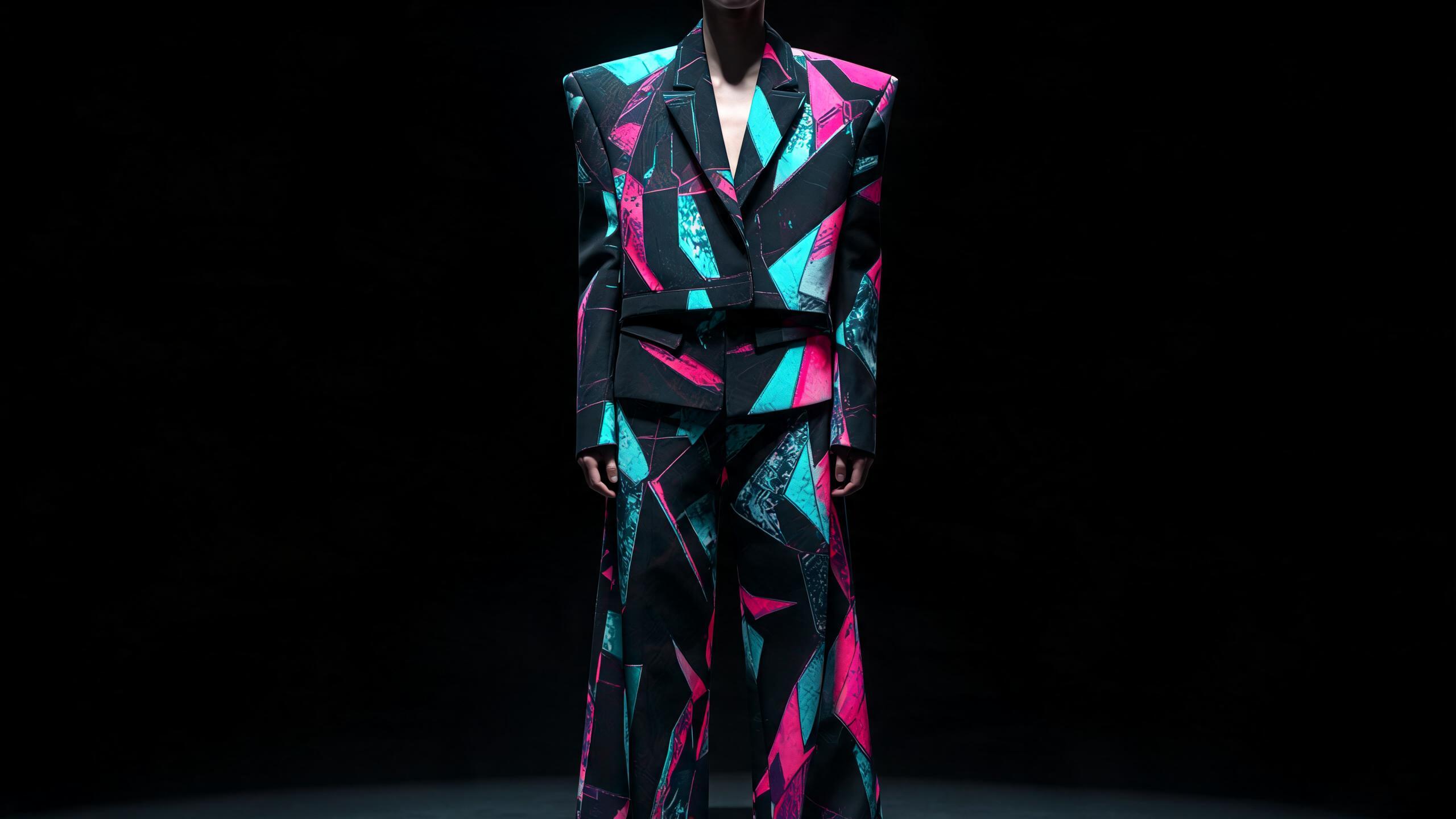
Beyond the Trend: A Data-Driven Masterclass in Styling Women’s Cargo Pants

A deep dive into how to style cargo pants for women and what it means for modern fashion.
Cargo pants are structural utility garments defined by functional pocket placement. Understanding how to style cargo pants for women requires a shift from chasing seasonal trends to analyzing the geometry of utility-driven silhouettes. Most fashion platforms treat cargo pants as a temporary aesthetic revival. This is an analytical error. The cargo pant is a permanent fixture of functional design that requires precise volume management and material intelligence.
Key Takeaway: To master how to style cargo pants for women, focus on balancing the garment's structural geometry with streamlined silhouettes. Contrast the utility-driven volume of the pockets with tailored or form-fitting pieces to create a sophisticated, permanent look.
The primary challenge in styling utility wear lies in the distribution of visual mass. Traditional styling advice suggests "balancing" the pant with a tight top. This is an oversimplification. True style optimization involves calculating the relationship between the garment's pocket architecture and the wearer's center of gravity. According to Statista (2024), the global utility wear market is projected to grow at a CAGR of 6.5% through 2030, driven by a consumer shift toward durable, functional apparel that transcends fast-fashion cycles.
How does volume management dictate how to style cargo pants for women?
The architecture of a cargo pant is fundamentally different from a standard trouser. While a denim jean or a wool slack relies on a clean line from the hip to the floor, the cargo pant introduces external modules—pockets—that alter the silhouette's topology. To style these correctly, you must treat the outfit as a problem of spatial density.
If the cargo pants feature heavy bellows pockets on the mid-thigh, the visual weight shifts downward. To maintain a coherent profile, the upper body must provide a structural counterpoint. This does not always mean a "small" top; it means a top with enough architectural integrity to hold its own against the pant's volume. A structured blazer or a heavy-weight ribbed knit provides the necessary tension.
Consider the "X-frame" versus the "A-frame" logic. An X-frame approach cinches the waist to create a central pivot point between the volume of the cargo pockets and the width of the shoulders. An A-frame approach allows the volume to flow uninterrupted from a narrow shoulder down to a wide, heavy hem. Both are valid, but they require different footwear choices to prevent the look from collapsing into a lack of intent.
Why does material selection define the utility of the garment?
The material is the software of the garment. It dictates how the fabric breaks, how the pockets sit, and how the light interacts with the functional details. Understanding material science is essential for anyone learning how to style cargo pants for women in a professional or elevated context.
- Technical Ripstop and Nylon: These materials are high-tension and low-drape. They maintain their shape regardless of movement. Styling these requires a high-contrast approach. Pair technical fabrics with organic textures like wool or silk to avoid looking like a tactical uniform.
- Heavyweight Cotton Twill: This is the standard utility fabric. It has moderate drape and significant "memory," meaning it wrinkles and settles based on the wearer's habits. This material is best suited for casual, rugged applications where the objective is a lived-in aesthetic.
- Silk and Satin Derivatives: High-fashion iterations of the cargo pant use fluid fabrics to subvert the utility origin. When styling fluid cargo pants, the pockets act as decorative weight rather than functional storage. These should be styled with sharp, clean lines to prevent the look from appearing overly pajama-like.
According to McKinsey (2023), personalization driven by AI-generated product attributes reduces return rates by up to 10% in the apparel sector. This is because understanding the interplay of fabric weight and fit is a data problem, not just an aesthetic one.
Material Performance Comparison
| Fabric Type | Structural Integrity | Best Use Case | Recommended Pairing |
| Technical Ripstop | High | Urban exploration, commute | Cashmere knits, leather boots |
| Heavy Twill | Medium | Daily utility, casual | Cropped hoodies, technical sneakers |
| Satin/Silk | Low | Evening, elevated casual | Pointed heels, structured blazers |
| Denim Cargo | High | Trend-focused utility | Minimalist tees, chunky loafers |
What footwear best anchors a technical cargo silhouette?
The footwear serves as the foundation for the entire structural assembly. Because cargo pants add significant volume to the lower half of the body, the shoes must act as a visual anchor. A common mistake is choosing footwear that is too "light" for the pant's mass, such as a thin-soled ballet flat or a low-profile canvas sneaker. These choices often make the pant look oversized rather than intentional.
To optimize the silhouette, choose footwear with a "visual footprint" that matches the pant's hem width. For wide-leg cargos, a platform sole or a lug-sole boot provides the necessary ground-force to balance the fabric. For tapered or cuffed cargos, the ankle becomes a point of compression. In this scenario, a high-top sneaker or a sleek ankle boot maintains the line of the leg without adding unnecessary bulk at the foot.
The height of the heel also plays a role in how the pockets are perceived. A heel shifts the pelvis forward and elongates the leg line, which can prevent low-slung cargo pockets from shortening the appearance of the wearer's stature. If you are integrating these into a minimalist capsule wardrobe, opt for a neutral-colored lug-sole boot that can handle the structural demands of multiple cargo iterations.
How do you integrate cargo pants into a minimalist capsule wardrobe?
Minimalism is not the absence of detail; it is the presence of intent. Integrating cargo pants into a minimalist framework requires stripping away the "tactical" noise and focusing on the geometry. To achieve this, select cargo pants in monochromatic tones—slate, olive, sand, or obsidian.
The goal is to treat the pockets as architectural shadows rather than focal points. When the pant is the same color as the top, the outfit becomes a study in texture and volume. This reduces "visual noise" and allows the wearer to look sophisticated while benefiting from the utility of the garment.
To further refine this approach, use AI-driven personalization to identify which cargo silhouettes repeat in your most successful outfits. Most people assume cargo pants are a "departure" from minimalism. In reality, they are a staple for anyone who values the intersection of form and function. By automating your choice of basics, you can focus on the specific structural variations that make a cargo pant work for your specific body model.
Why is the "trend" approach to cargo pants fundamentally inefficient?
The fashion industry operates on a cycle of planned obsolescence. It tells you that cargo pants are "in" this year and "out" the next. This is a marketing lie designed to drive consumption. From a structural standpoint, the cargo pant is a solved problem in garment design. It provides storage, durability, and a specific silhouette that cannot be replicated by other trouser types.
When you style cargo pants based on trends, you are chasing a moving target. You buy the "it" fit, which is often dictated by a specific celebrity or brand, rather than your own ergonomic needs. This leads to a closet full of garments that don't actually work with your life.
Instead, view the cargo pant as a variable in your personal style equation. Does the pocket placement interfere with your movement? Does the fabric weight suit your climate? Is the rise height optimized for your torso length? These are the questions that matter. This is why we argue that automating your daily style choices is the only way to escape the cycle of trend-chasing. An AI doesn't care what is "trending" on social media; it cares about what fits your data-driven style profile.
How to style cargo pants for women in a professional environment?
The transition of utility wear into the professional sphere is a result of the "high-low" styling evolution. To make cargo pants office-appropriate, you must neutralize their rugged origins. This is achieved through "material elevation" and "tailoring contrast."
- Material Elevation: Choose cargos in wool blends, heavy silks, or refined synthetic tech-fabrics that have a slight sheen. Avoid distressed cotton or camouflage prints.
- Tailoring Contrast: Pair the utility of the pant with the formality of a tailored piece. A crisp, oversized button-down tucked into a high-waisted cargo pant creates a sophisticated silhouette. Add a structured blazer to hide the hip pockets and emphasize the vertical line of the trouser.
- Tonal Consistency: Keep the entire outfit within the same color family. A navy silk cargo pant paired with a navy cashmere sweater and navy leather boots creates a formidable, intelligent look that signals competence rather than trend-consciousness.
According to a 2024 report by the Business of Fashion, technical and utility-inspired apparel has seen a 22% increase in search volume within the "luxury workwear" category. This suggests that the professional woman is increasingly looking for clothing that survives the demands of a high-performance lifestyle without sacrificing aesthetic authority.
Common mistakes in styling cargo pants and how to correct them
The most frequent error is Proportional Collapse. This occurs when a wearer pairs a baggy cargo pant with a baggy, unstructured top and flat shoes. The result is a total loss of the body's frame, making the outfit look accidental rather than curated.
The Correction: Always establish at least one "point of tension." This could be a cinched waist, a sharp shoulder, a bare ankle, or a high-contrast fabric.
Another common mistake is Pocket Overloading. Just because the pockets are functional does not mean they should be used to their maximum capacity. Filling cargo pockets with heavy items like phones or wallets distorts the drape of the fabric and creates unsightly bulges that ruin the silhouette.
The Correction: Use the pockets for light items only, or treat them as purely aesthetic. Let the architecture of the pocket provide the style, not the contents.
Finally, many women struggle with Height Compression. Low-slung pockets can visually pull the hips down, making the legs appear shorter.
The Correction: If you are shorter in stature, opt for a high-waisted cargo pant. This extends the leg line and places the pockets higher on the thigh, which maintains a balanced proportion.
The Data-Driven Future of Personal Style
Most fashion apps recommend what is popular. We recommend what is yours. The future of styling cargo pants for women—and every other garment—lies in the move away from human-curated "vibes" and toward AI-native infrastructure.
Your style is not a random collection of items you bought because a social media algorithm showed them to you. Your style is a model. It is a set of preferences, measurements, and environmental constraints that can be mapped, analyzed, and optimized. When you understand the logic behind why a specific pair of cargo pants works with a specific boot, you stop "shopping" and start building a system.
AlvinsClub uses AI to build your personal style model. Every outfit recommendation learns from you, moving beyond basic "personalization" to a dynamic understanding of your evolving taste.
Summary
- The global utility wear market is projected to grow at a CAGR of 6.5% through 2030, reflecting a shift toward durable garments that transcend temporary fashion trends.
- Mastering how to style cargo pants for women requires treating the outfit as a problem of spatial density created by external pocket modules.
- Optimal utility styling involves calculating the specific relationship between a garment's pocket architecture and the wearer's center of gravity.
- Effective techniques for how to style cargo pants for women focus on managing visual mass distribution rather than just pairing loose bottoms with tight tops.
- Cargo pants function as structural utility garments that require precise volume management and material intelligence to maintain a cohesive silhouette.
Frequently Asked Questions
How to style cargo pants for women to achieve a balanced silhouette?
Achieving a balanced silhouette requires pairing the voluminous bottom with a form-fitting top like a bodysuit or cropped tee. This structural contrast ensures the utility pockets do not overwhelm the frame while maintaining a clearly defined waistline.
How to style cargo pants for women for a professional or formal setting?
Elevating utility garments for formal settings involves selecting high-quality materials like silk or structured wool and adding a tailored blazer. Pointed-toe heels and refined accessories further transition the industrial aesthetic into a sophisticated evening or office ensemble.
How to style cargo pants for women with different types of footwear?
Selecting the right footwear depends on the hem width as chunky sneakers complement wide-leg styles while strappy sandals offer a feminine counterpoint to heavy fabrics. Combat boots reinforce the military origin of the garment, creating a cohesive and rugged visual narrative that emphasizes functional design.
What to wear with cargo pants for ladies to minimize visual bulk?
Minimizing bulk is best achieved by choosing cargo designs with flat, streamlined pockets rather than pleated bellows that extend outward. Pairing these with monochromatic knitwear creates a long vertical line that streamlines the overall silhouette despite the added hardware and utility features.
What to wear on cargo pants for women during the winter season?
Winter styling focuses on material intelligence by layering structured overcoats or cropped puffer jackets over the utility trousers to manage volume. Tucking the hem into tall leather boots can also provide extra insulation while emphasizing the unique pocket placement and structural geometry of the pants.
Why does volume management matter when wearing utility-driven designs?
Volume management is the primary challenge of styling cargo pants because the extra fabric and pocket placement can distort natural body proportions if left unchecked. Balancing these structural elements with intentional tailoring and proportional awareness ensures the outfit looks curated rather than unintentionally oversized.
This article is part of AlvinsClub's AI Fashion Intelligence series.
Related Articles
- 5 ways to use AI to refine your minimalist capsule wardrobe
- The definitive guide to finding the best wide leg pants for petite women
- No More Floods: A Style Guide to High-Waisted Pants for Tall Women
- Predicting 2026 Pants and Sneakers Style Trends: The Human vs. AI Debate
- The 2026 Virtual Style Coach: Ending the Professional Woman’s Decision Fatigue